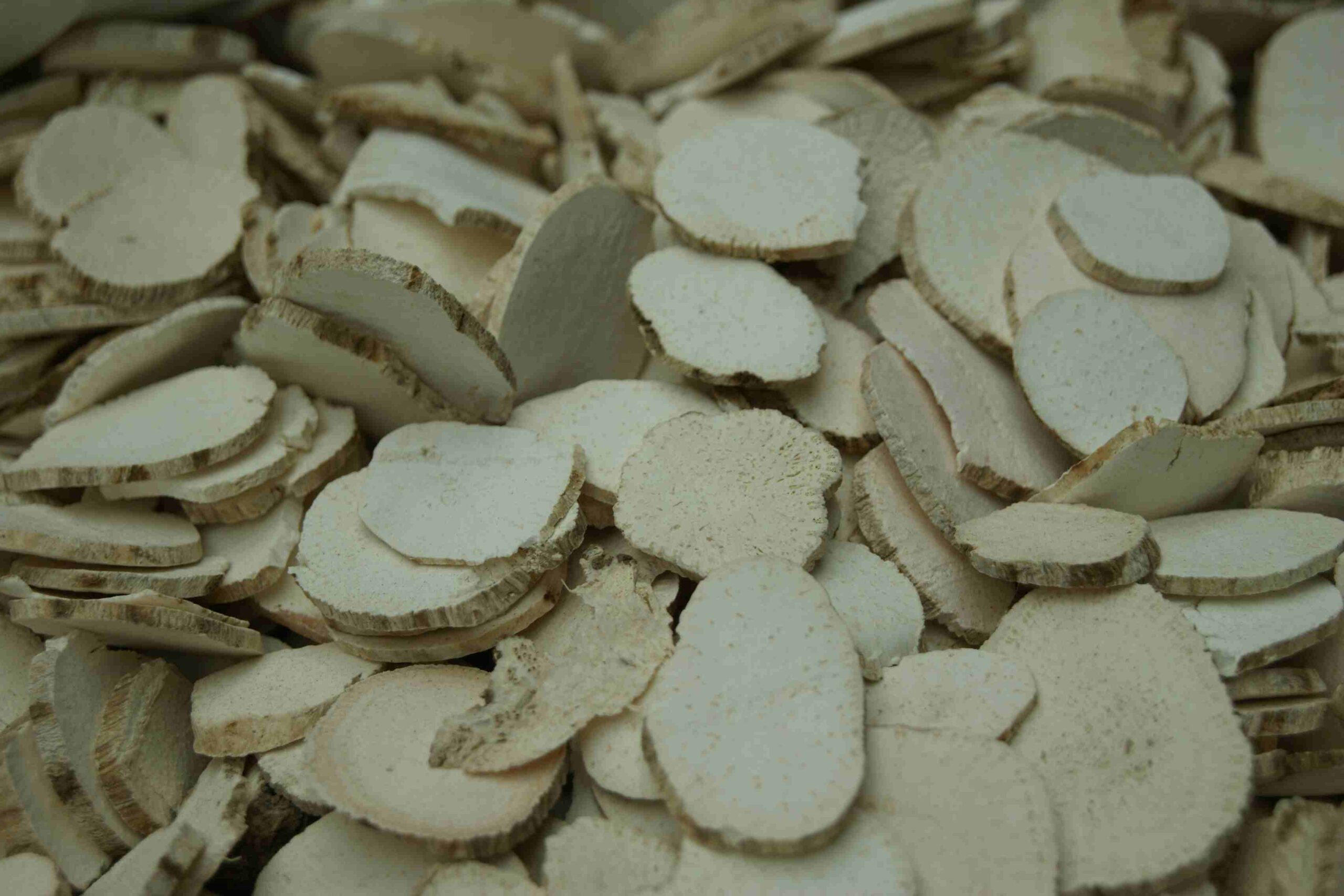
Trichosanthes Root
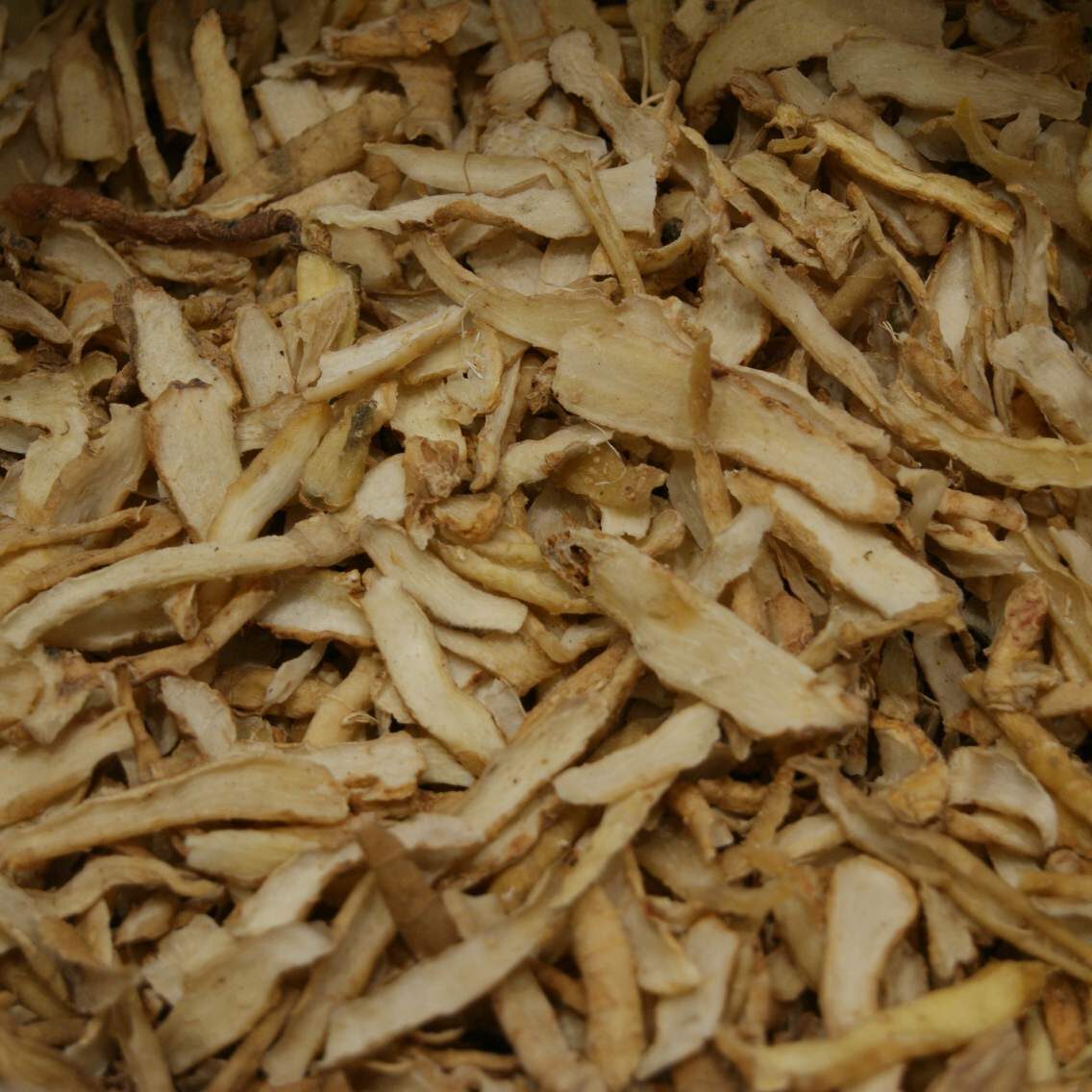
Trichosanthes root is the dried tuberous root of the plant *Trichosanthes kirilowii*, a member of the Cucurbitaceae family.


Trichosanthes root is the dried tuberous root of the plant *Trichosanthes kirilowii*, a member of the Cucurbitaceae family.
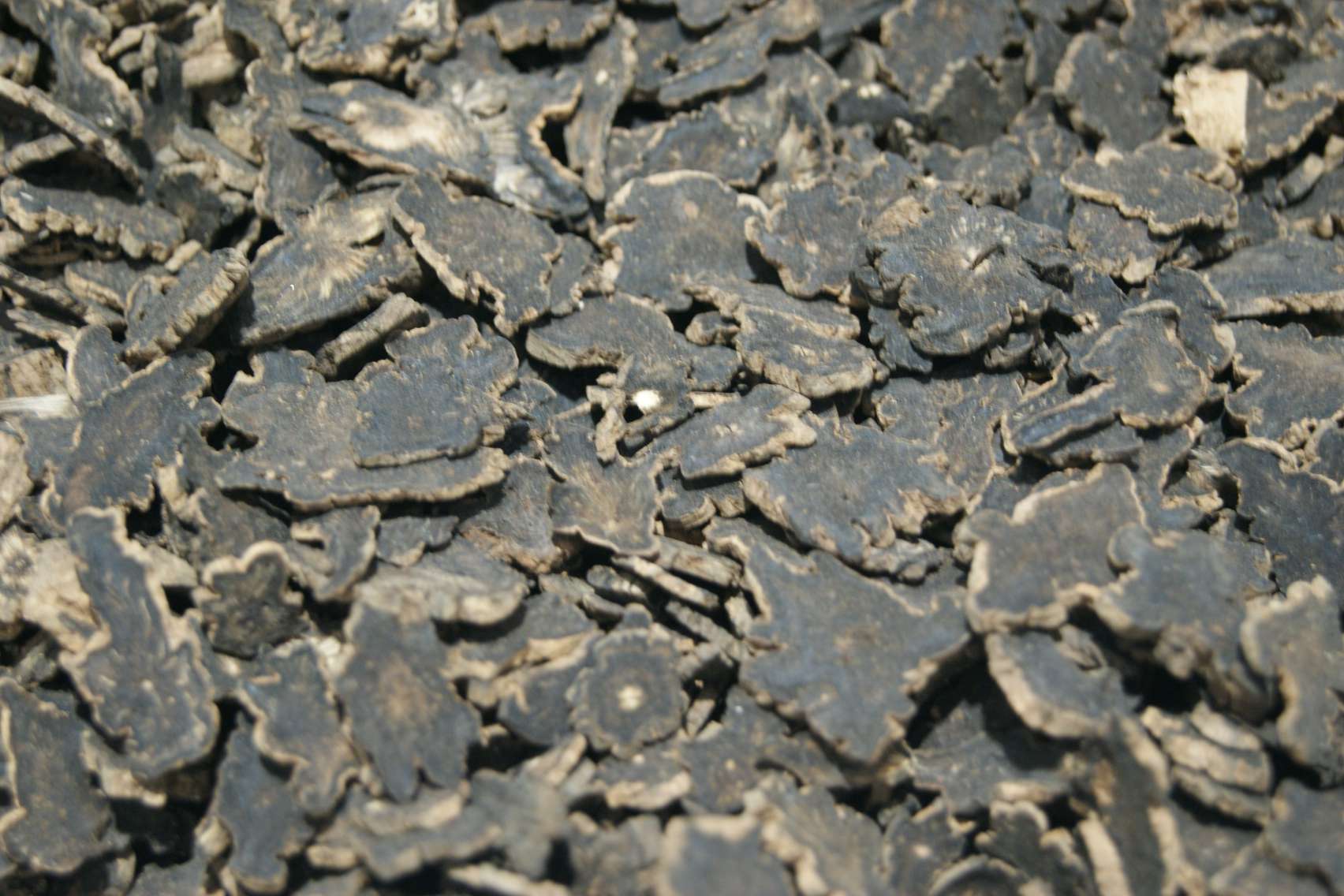
Scrophularia root is the dried root of the plant *Scrophularia ningpoensis*, a member of the Scrophulariaceae family.
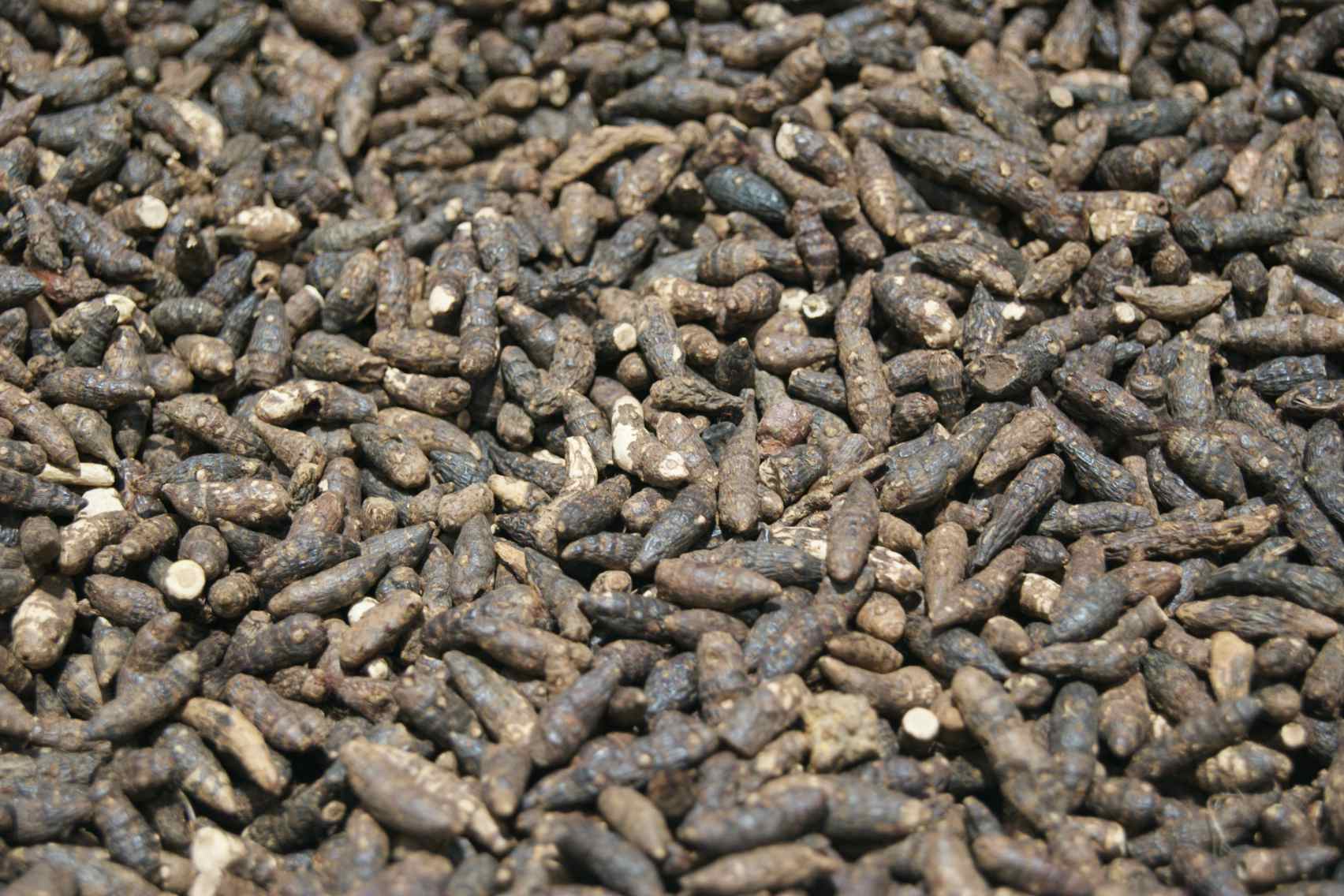
Cyperus rotundus is the dried rhizome (tuber) of the sedge family Cyperus rotundus.
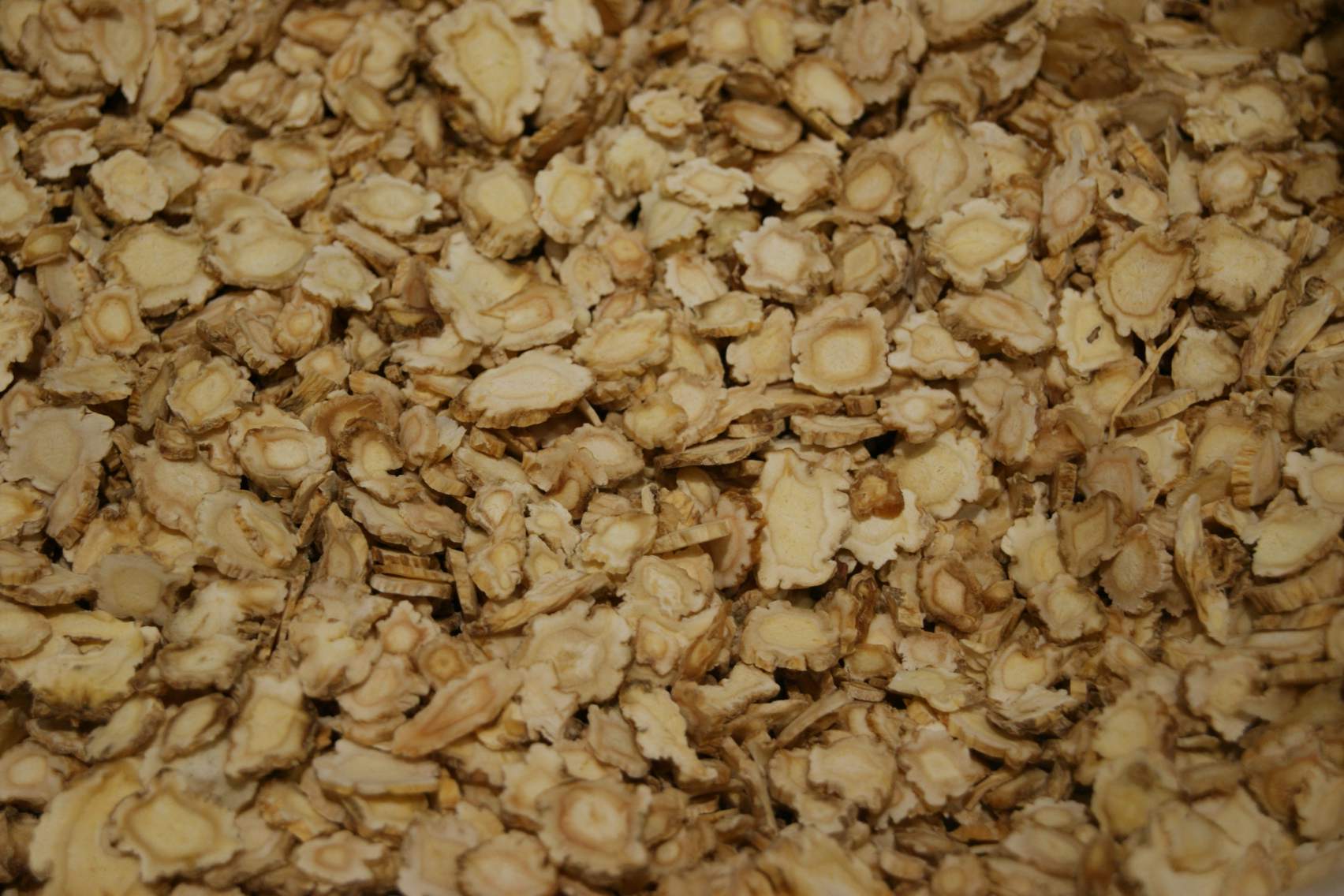
Balloon flower (Jiegeng) is the dried root of the plant *Platycodon grandiflorus*, a member of the Campanulaceae family.
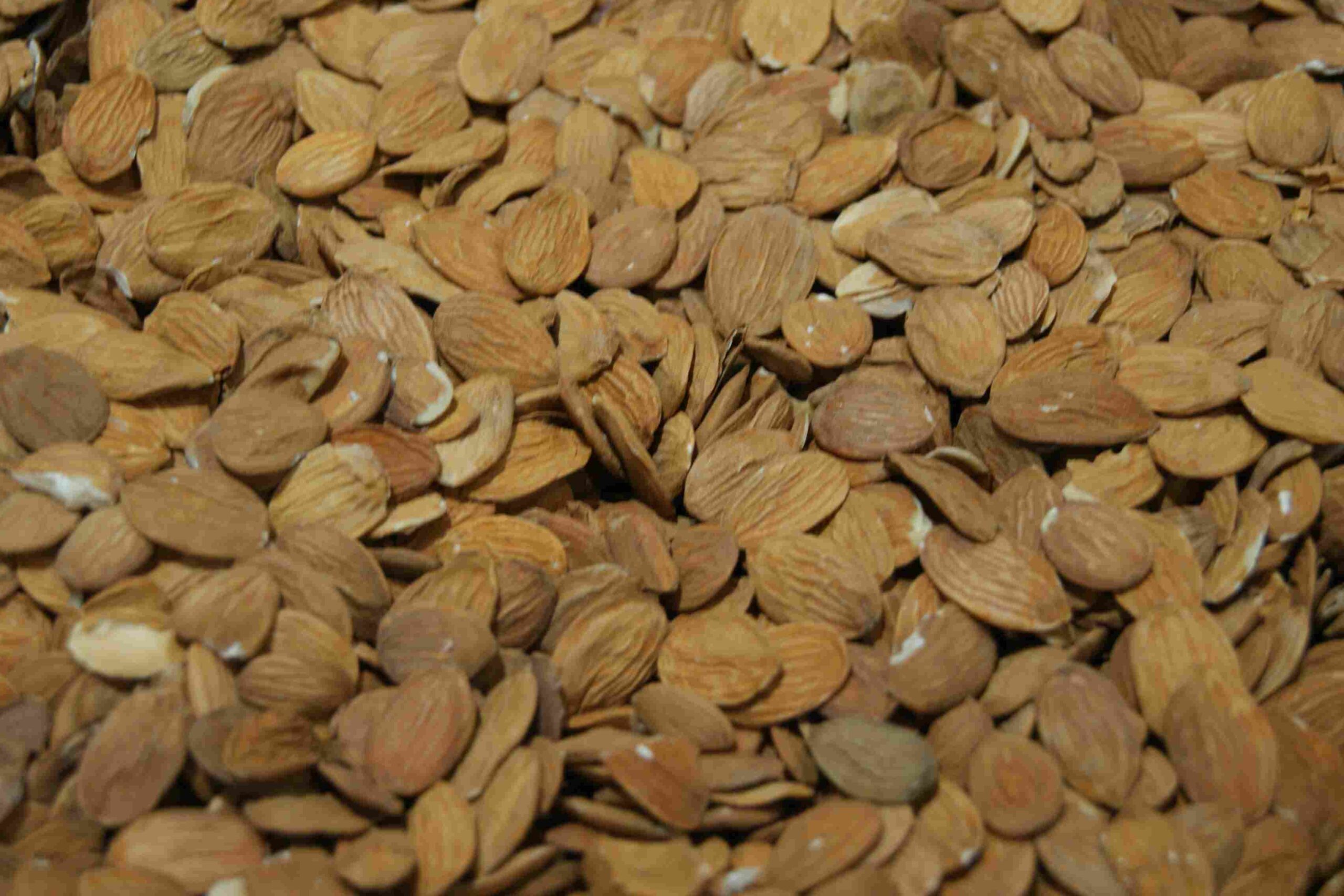
Peach kernel is the dried mature seed of the peach tree, *Prunus persica*, belonging to the Rosaceae family.
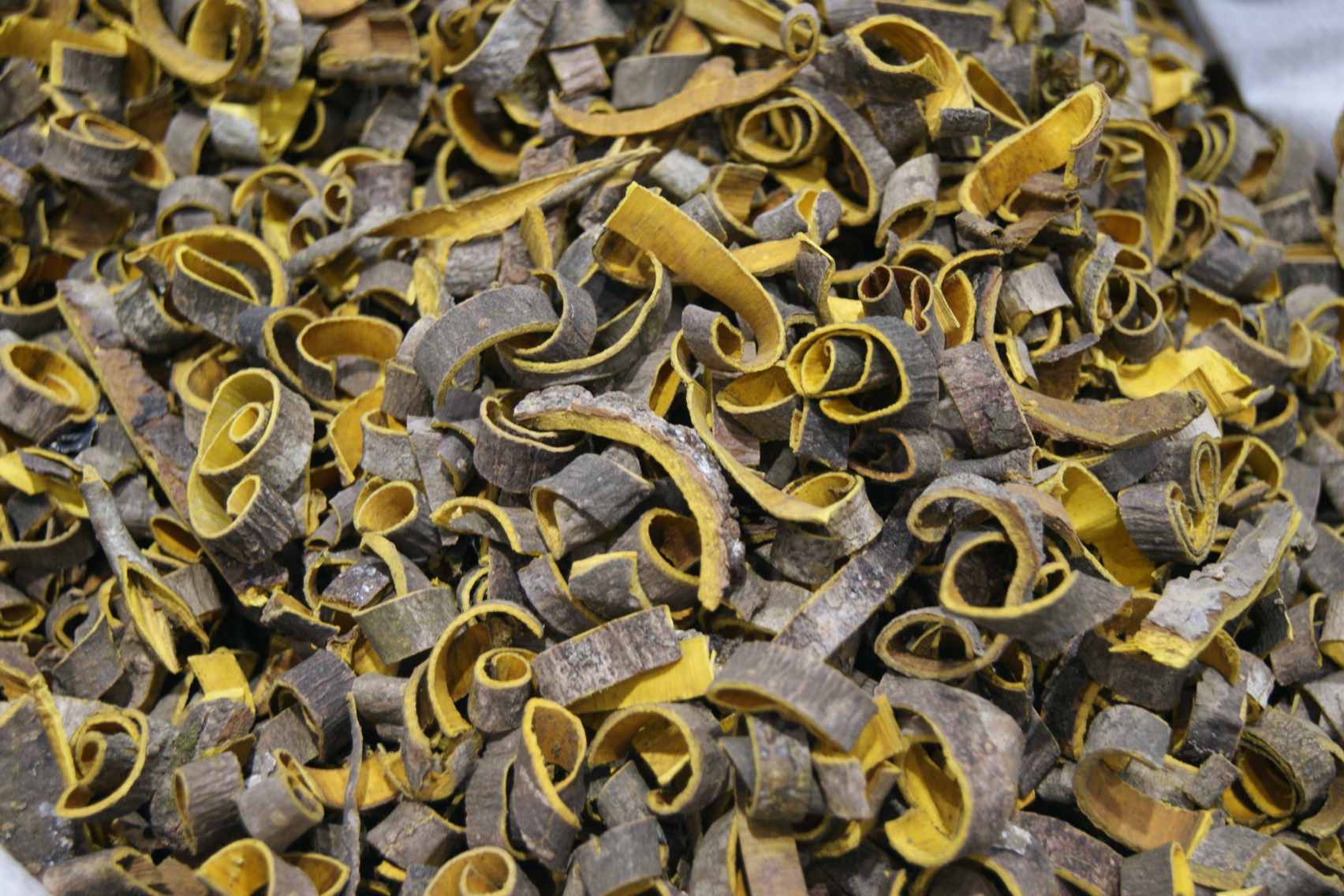
The core function of Phellodendron bark is to clear damp-heat from the lower body and subdue deficient fire in the kidneys, making it a classic remedy for damp-heat syndromes of the genitourinary system and syndromes of yin deficiency with excessive fire.
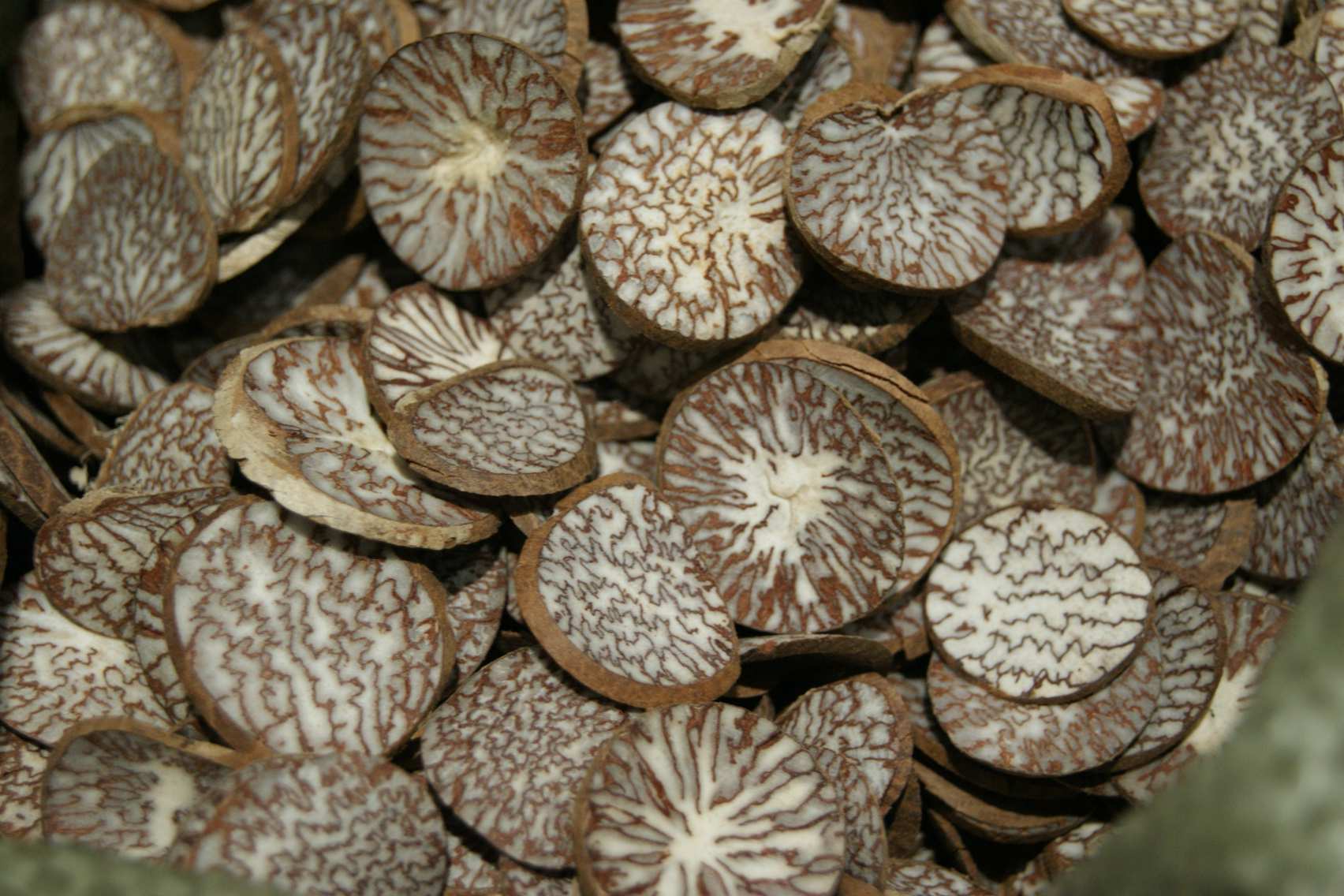
Betel nut is a medicinal herb with a long history of use, primarily known for its effects in expelling parasites and promoting the flow of qi and diuresis.
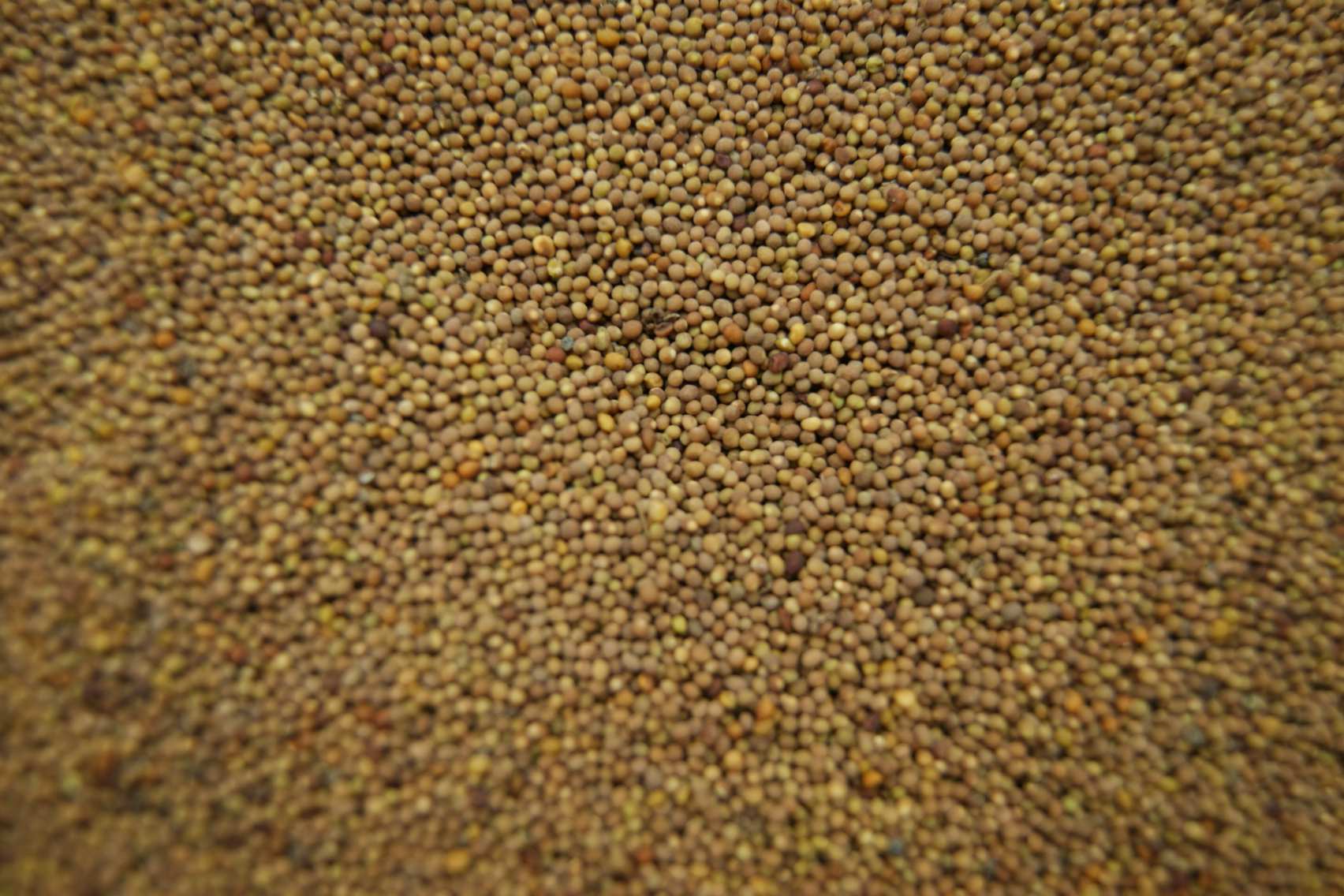
Dodder seeds are the dried, mature seeds of various parasitic plants belonging to the genus *Cuscuta* in the Convolvulaceae family.
Polygonatum odoratum is a classic herb used to nourish yin, and its main function is to replenish yin and moisturize dryness.