



Wholesale Chinese Herbs for Professional Wellness Supply
“For wellness” leaves too much unanswered on a purchase order. Rose buds going into a blend and ginger awaiting milling have different jobs in your factory. Write the next production step into the enquiry. You can then discuss the plant, the part supplied and the evidence needed to accept a batch.
The finished product determines the purchasing question
Your intended use belongs at the top of the enquiry. Will you pack the material as received, blend it, or mill it first? Tell us which, together with the destination. That information gives the enquiry a useful boundary. A familiar traditional ingredient still needs a review for the product category in which you intend to sell it.
An enquiry for wholesale chinese herbs reaches our team at CHINA HUIRUI BOTANICALS with much still to settle. We supply herbs, spices and dried flowers as raw materials.
“Rose for blending” tells us more than “rose for wellness,” though it still leaves the part and form to confirm. Add the required form and intended product, so the discussion concerns material you can use rather than a broad catalogue category.
Traditional descriptions require a little translation when you write for customers. A description such as “warming” belongs to a traditional framework. It is not a measured temperature effect or proof that an ingredient treats a disease.
NCCIH reports that studies of Chinese herbal products have produced mixed results. If you intend to turn a traditional description into a claim on a pack, the wording needs its own evidence review. Buying the ingredient does not settle that review.
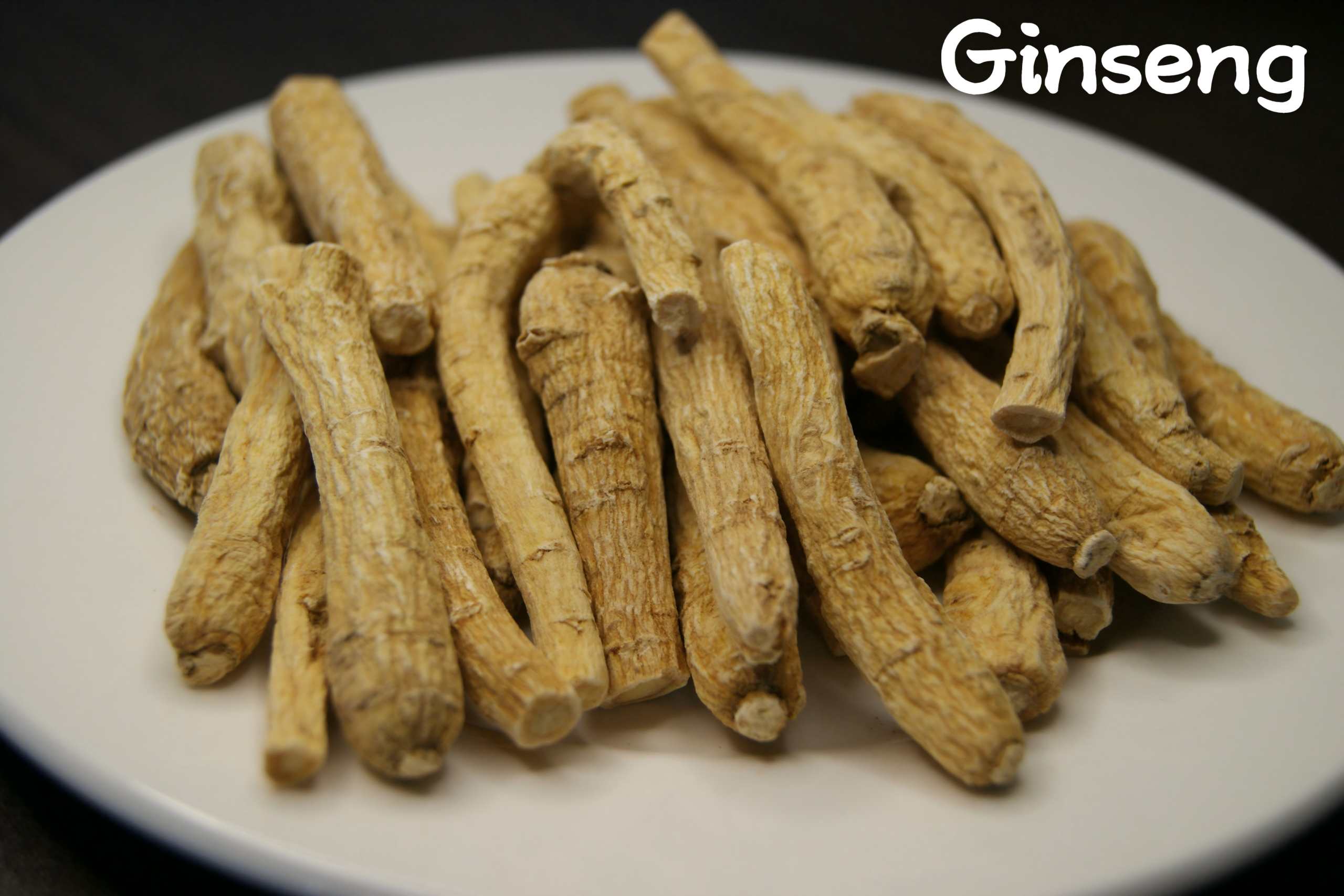
Plant parts and processing change the ingredient
The plant part is a purchasing detail with practical consequences. Dried ginger is a rhizome; rose material may consist of flower buds; star anise is a fruit. Calling all three “herbs” is convenient in conversation, but insufficient on an order intended for production.
Use the part as well as the name when discussing chinese herbs and spices. Here are three materials from our range and the questions each raises before ordering.
|
Material |
Part described |
Purchasing question |
|---|---|---|
|
Dried ginger |
Dried rhizome |
Are pieces suitable for your cutting or milling step? |
|
Rose |
Dried flower buds |
Does your blend require buds rather than loose petals? |
|
Star anise |
Dried mature fruit |
Does the recipe call for whole fruit or ground material? |
A rose bud and a loose petal are different purchasing requirements, however attractive either sample looks. Specify buds in the enquiry if that is what the blend calls for. Colour approval would leave the bud-versus-petal issue open. None of the three rows establishes a superior grade; each describes a different starting material.
Processing is another part of the sample description. An order saying only “ginger” has not told us whether to discuss rhizomes, cut pieces or powder. Write down the form you have approved.
Powder removes many of the visible features available in whole material. Ask how identity will be established for that form rather than treating an image as sufficient evidence.
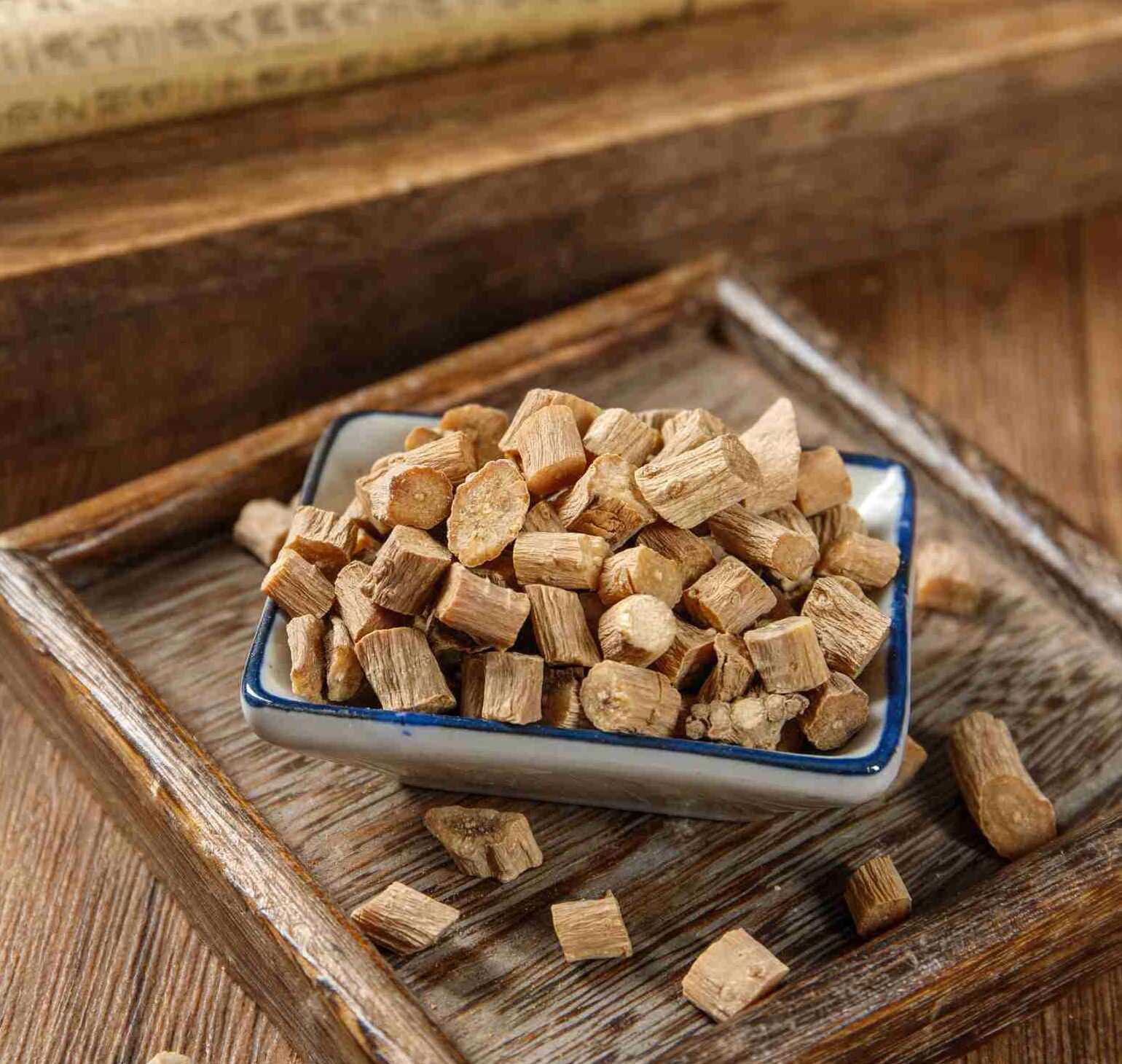
Batch evidence connects the sample to the shipment
Keep the sample reference with the specification after approval. Without that connection, a repeat order becomes a conversation about what someone remembers receiving. Your team can compare appearance, aroma and cut against the recorded requirement. Contaminants require their own assessment, since a visual match cannot answer that question.
For traditional chinese medicine herbs, build the review around what could go wrong with the particular material. NCCIH documents concerns involving contamination and substitution of the wrong herb. Checking that the herb is correctly identified and checking residues answer different questions about the lot. Keep both questions visible in the approval record.
Name the assessment you need when requesting a report. An identity result would leave a pesticide-residue question unanswered, just as a microbial result would leave the botanical identity to be established elsewhere.
Read the batch identifier, method and reported result together. A document headed “quality certificate” is difficult to evaluate if the tested material cannot be connected to your shipment.
The European Medicines Agency’s herbal medicinal product guidance covers quality from specifications and tests through manufacturing and stability, including contaminants. That scope offers useful questions for a medicinal supply discussion. It does not turn a raw ingredient into an approved medicine or provide a universal acceptance limit for every destination and application.
A workable order needs an agreed allocation
Order size affects the purchasing plan once the material requirements are clear. We state a 500 kg minimum and allow two products to make up that total. You still need an agreed quantity for each line on the order. Send the proposed split to our team rather than assuming that “mixed” specifies an equal division.
The arithmetic could be 300 kg plus 200 kg, making 500 kg altogether. This calculation illustrates the quantity only. No availability or price is implied by those illustrative weights. Ask for confirmation against the named products and the split you actually want to purchase.
Storage and production capacity need to match that allocation. Check each quantity against the production plan, including material already in stock.
Reaching the combined minimum is of little use if the second ingredient will remain unused through the next run. Use the planned consumption of each material to judge the split, rather than approving it because the total reaches 500 kg.
Tradition becomes useful when the specification is clear
Your receiving team needs to know what should be inside the bags. A traditional name can stay on the order alongside the botanical source, part and agreed form. Settle intended use first, then plant part and processing, then batch evidence. You can then judge the quantity against a defined requirement.
For a supply discussion, send us the names and forms you need, your quantities and the destination market. We can use those details to discuss a proposed supply specification and the documents needed for your review.
FAQ
Does a traditional herb name identify the exact material?
A common name can leave uncertainty about the botanical source, plant part or processing. Ask us to confirm the botanical source and supplied part against the common name you use. Resolve any disagreement in those descriptions before the sample is accepted.
Are whole herbs always the right choice for a blender?
Look at the next production step. Whole material may require a cutting step; an agreed cut may fit the recipe more directly. Confirm the required form against your equipment and finished blend.
Can a product photograph replace identity testing?
A photograph helps communicate appearance. It cannot establish every aspect of identity, particularly for powder, or show whether contaminants meet the agreed requirements.
Does mixed ordering mean every product has a 250 kg minimum?
The stated term concerns a combined 500 kg order involving two products. It does not establish a fixed equal split. Confirm quantities for each product separately.
Can wholesale botanical material carry disease-treatment claims?
Supply and claims approval are separate decisions. Check the proposed words against evidence for your finished product and the requirements of its destination. Neither a quotation nor a traditional name provides that approval.


