



How Chinese Spice Exports Shape Global Cuisines
Your kitchen may know star anise from braised dishes. The interesting question for a new product brief is whether you want that same liquorice aroma in something sweet. Chinese spice exports open up both possibilities. For our food-business customers, the next task is making that flavour work in production.
Chinese spices travel through ingredients and recipes
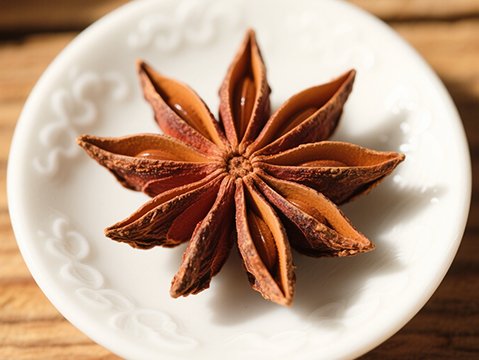
Chinese spices reach kitchens as ingredients with several possible uses. The star anise in that shipment is a dried fruit, Illicium verum. Five-spice powder is one use. Bakery and confectionery are others, giving your development team a choice of settings for its distinctive liquorice aroma.
Bulk supply gives your development team room to explore that difference. In your kitchen, a stock pot and a dry-seasoning mixer need different preparations. You might choose whole pieces for the pot and ground material for the mixer. Your process has to accommodate the difference.
The overlap between chinese herbs and spices can introduce less familiar materials to a buyer’s search. Our range includes dried ginger and Alpinia officinarum for culinary uses. Other botanical materials in the range serve different purposes.
That overlap calls for care with intended use. Name the material in your food brief and check its suitability for the destination. Finding the ingredient in a catalogue is the beginning of that work.
One spice can lead to several flavour directions
Star anise spice gives your team a specific aroma to work with. Suppose your next brief is for a sweet food rather than a braise. The useful test is a tasting of that sweet recipe, where you can judge whether the liquorice note belongs.
Dried ginger brings another starting point. The part you use is the dried rhizome, with ginger’s characteristic spicy smell and taste. Now the purchasing brief needs a form. “Ginger” alone leaves open whether your kitchen expects slices or powder when the bag is opened.
Dried ginger slices would give your infusion process pieces to handle. Your dry-mix brief might call for powder. On an order, either choice needs to be written down; leaving it until delivery hands the form decision to someone outside your recipe team.
For a trial brief, we would separate the ingredient description from the question you want a tasting to answer. The table sets out possible questions rather than approved formulations.
|
Ingredient |
Culinary starting point |
Question for a development trial |
|---|---|---|
|
Star anise |
Aromatic dried fruit used in five-spice seasoning |
Does the liquorice note support or dominate this recipe? |
|
Dried ginger |
Spicy dried rhizome used as seasoning |
Does the chosen form fit mixing, infusion or removal? |
|
Alpinia officinarum |
Rhizome used in compound spices and marinades |
Does this distinct ingredient suit the intended blend? |
Alpinia officinarum deserves its full name on your brief. Yes, it is in the ginger family. You would still be changing ingredients if you ordered it against a recipe developed with ginger. A purchasing description that says only “ginger-family spice” leaves too much unresolved for a repeat order.
The physical form changes the kitchen job
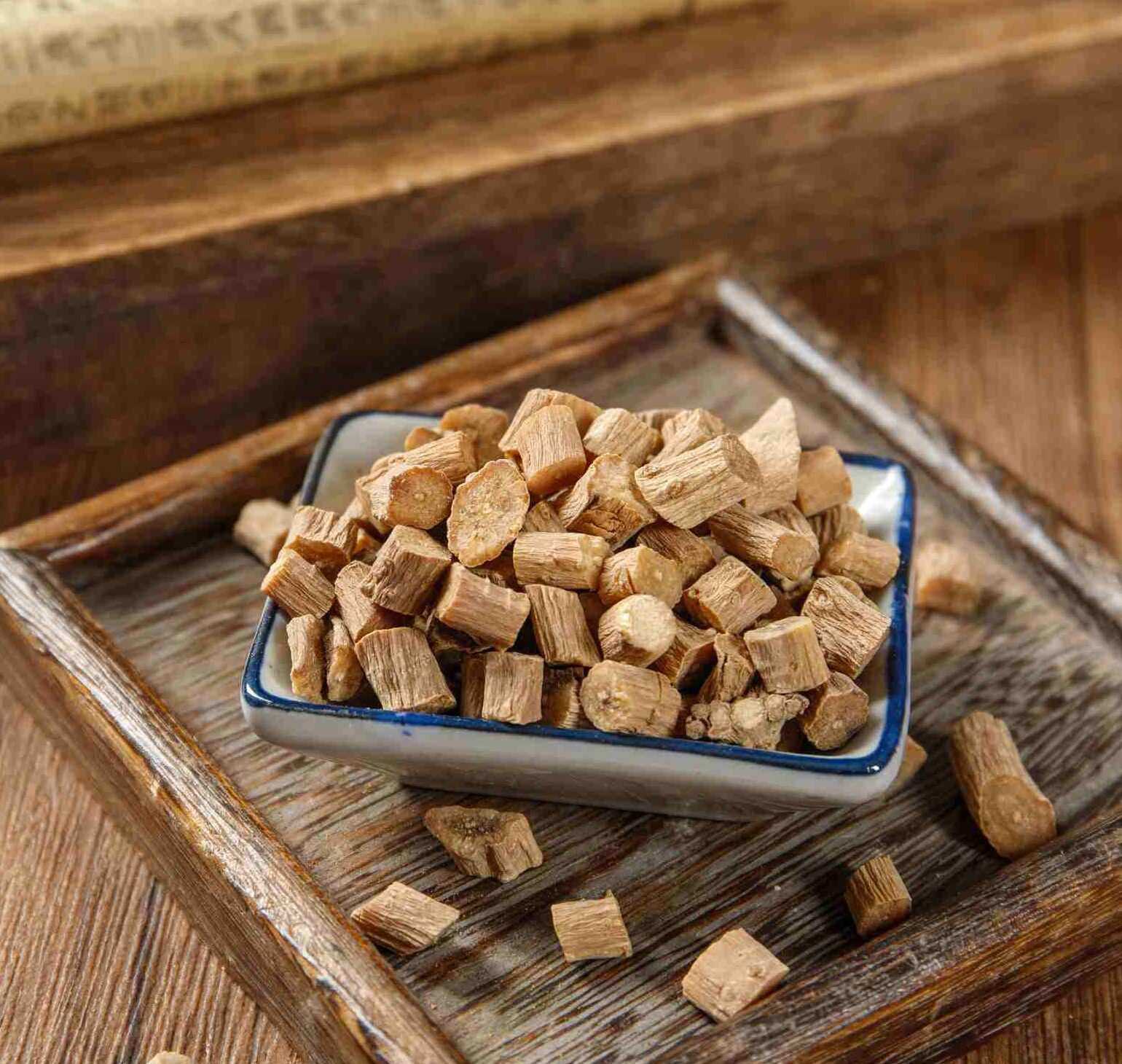
Physical form becomes obvious at the removal step. For an infusion, plan how your team will take out the whole pieces. Ground material stays in the preparation. During evaluation, ask whether you want the resulting appearance and texture as well as the taste.
A simple comparison can keep the trial readable. In a trial, you might keep your base recipe fixed while comparing forms of a spice. Record the form beside the result. Changing the amount at the same time would leave you with two possible explanations for the flavour difference.
Our range of traditional chinese herbs shares some ingredients with culinary supply. For your food brief, assess the particular material and intended destination. Historical herbal use is a different question from suitability for this food.
Keep the recipe brief about flavour. The presence of medicinal materials beside culinary spices gives no reason to include those materials in your food or attach a treatment claim.
A successful flavour trial still needs a supply specification
An approved sample needs a purchasing description. Which plant and which part did you evaluate? In what form? Put the answers beside your sample reference and acceptance criteria. Purchasing should be able to open that record and identify the material used in the approved recipe.
A request for “ginger” without the agreed form, for example, could describe something your recipe team never evaluated.
Working with a manufacturer of spices should connect that description to the actual supplied material. At CHINA HUIRUI BOTANICALS, our business includes the import and export of botanical ingredients, with relationships with processing plants at origin.
Our origin relationships are relevant when discussing supply. For an application decision, you need the evidence for the actual product under consideration.
Tasting cannot settle spice safety. The Canadian Food Inspection Agency lists Salmonella and pathogenic E. coli among spice hazards and also addresses undeclared allergens. Its guidance includes validated treatment procedures. During storage, separation of treated and untreated spices helps address the possibility of contamination.
The point of addition matters. If your team adds the spice after cooking, consider what that means for the spice itself: it never went through the cooking step. Your controls need to fit that sequence. Storage and handling then need to protect the received material from contamination.
A lot number makes the treatment record usable at receiving. Check that the number on the delivered bags leads your receiving team to that record.
Culinary change becomes useful when it is repeatable
Chinese spice exports put more recipe possibilities within reach of your business. A new use becomes commercially useful when your team can make the food again with the intended flavour.
Keep the ingredient identity attached to that trial as it moves into purchasing and production. The form you approved and the controls for its use belong in the handover. Your next order can then refer back to what was approved.
FAQ
Is star anise the same as anise seed?
No. Illicium verum identifies the star anise you intend to buy. When evaluating a substitute, ask what ingredient it actually is, even if its flavour is described in similar words.
Does five-spice powder have one fixed recipe?
Write down the composition you intend to buy. The words “five-spice” alone leave your team without a complete recipe reference for evaluating a blended product.
Can we replace fresh ginger with dried ginger by weight?
A direct weight substitution needs a recipe trial. Make a trial with the dried ingredient. Your approval needs to cover the flavour of that preparation before a changed recipe goes into production.
Should every spice arrive as a powder?
No. Give your purchasing team the form required for the preparation. An infusion with a removal step and a dry seasoning mixed into food call for different handling decisions.
Does a successful sample establish ongoing supply quality?
A sample establishes a reference for evaluation. Repeat orders still need agreed specifications, lot identification and receiving checks so your team can assess the material actually delivered.


