



Spices Import-Export: A Report for Bulk Buyers
The invoice price is only the first number in a spice purchase. You still have to pay for freight, and perhaps for cleaning or treatment before you can sell the stock. Testing and a delayed release can add to the bill.
A report for your spices import and export business should follow that money through to the usable stock, rather than stop at the supplier price. That means separating product identity, food safety and commercial responsibility before comparing prices.
What is actually crossing the border?
“Chinese spices” leaves too much of the purchase unspecified. Does the order mean whole star anise, or dried ginger? Neither name settles the grade you will receive or what has happened to it before packing. For star anise you are buying fruit. For dried ginger you are buying rhizome. Use the plant part as another check when matching the sample to the paperwork.
A mixed catalogue creates another question. A botanical name may appear in a recipe as well as in traditional medicine. Browsing traditional chinese herbs does not establish that every listed material can enter your destination as food. Tell your broker exactly what you plan to import and how it will be used; those details belong in the classification and admissibility check.
The purchased form also changes the work ahead. Whole material may need sorting or grinding after arrival. Powder arrives with those operations already performed, so the agreed particle size and identity checks become especially relevant. Put the accepted form in writing; a sample of whole spice cannot settle the specification for a later powder order.
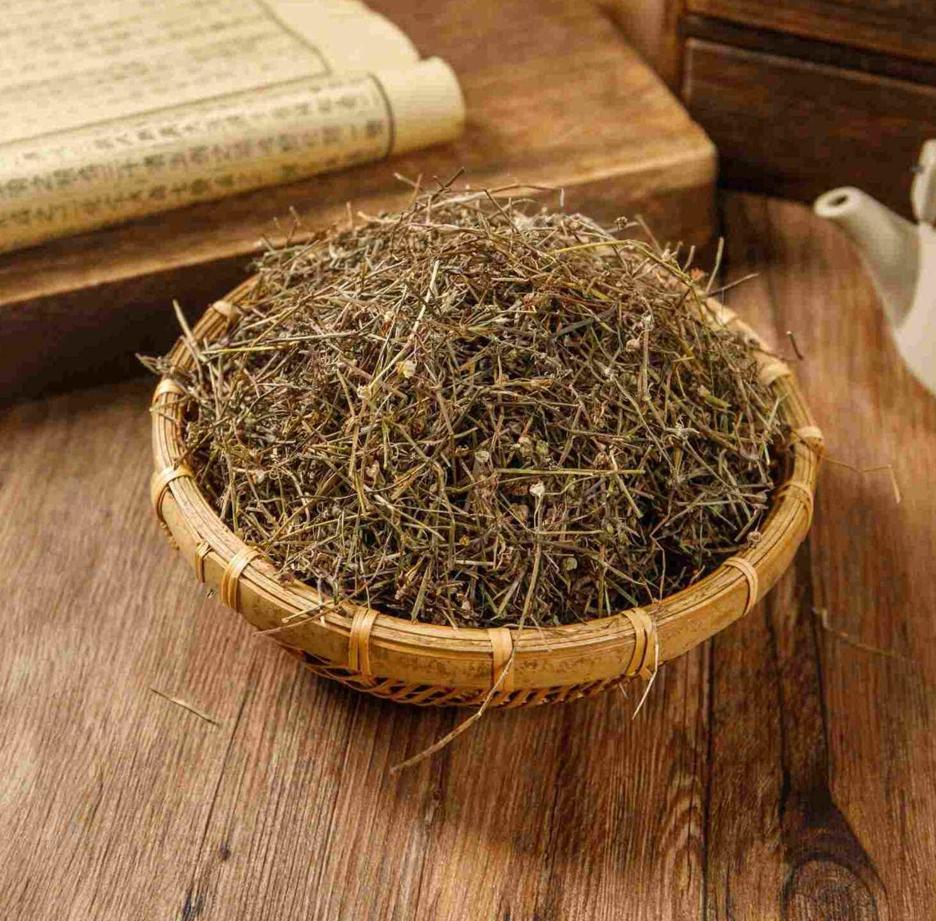
Why a clean-looking spice still needs safety evidence
A dry spice can still carry pathogens. Salmonella, Bacillus cereus and Clostridium perfringens all feature in the FAO/WHO report on spices and dried aromatic herbs published in 2022. Opening the bag gives you a chance to spot visible defects. For the microbiological specification, you need evidence beyond what the contents look like.
The point at which you sample can change the picture. In FDA’s 2018 spice risk-profile update, nine of eleven spice types had lower Salmonella prevalence at retail than at import. FDA considered that finding consistent with pathogen-reduction treatment after import. That comparison concerns historical samples. It gives you no current Chinese export failure rate, and no result for the lot you are buying.
Before you approve a purchase, settle where any required treatment will happen. A quotation for untreated stock leaves you with another operation to arrange and cost. Ask for the treatment record and an explanation of handling after treatment, when the stock could be exposed again. Do not treat a laboratory result as a record of that processing step.
Check the connection between the sample and your purchased lot. The report should let you find the lot, sampling date and test methods without guessing. If you cannot connect the certificate to your stock, you have not resolved the acceptance question. Agree the acceptance criteria before dispatch, including what happens if an arrival test conflicts with the release result.
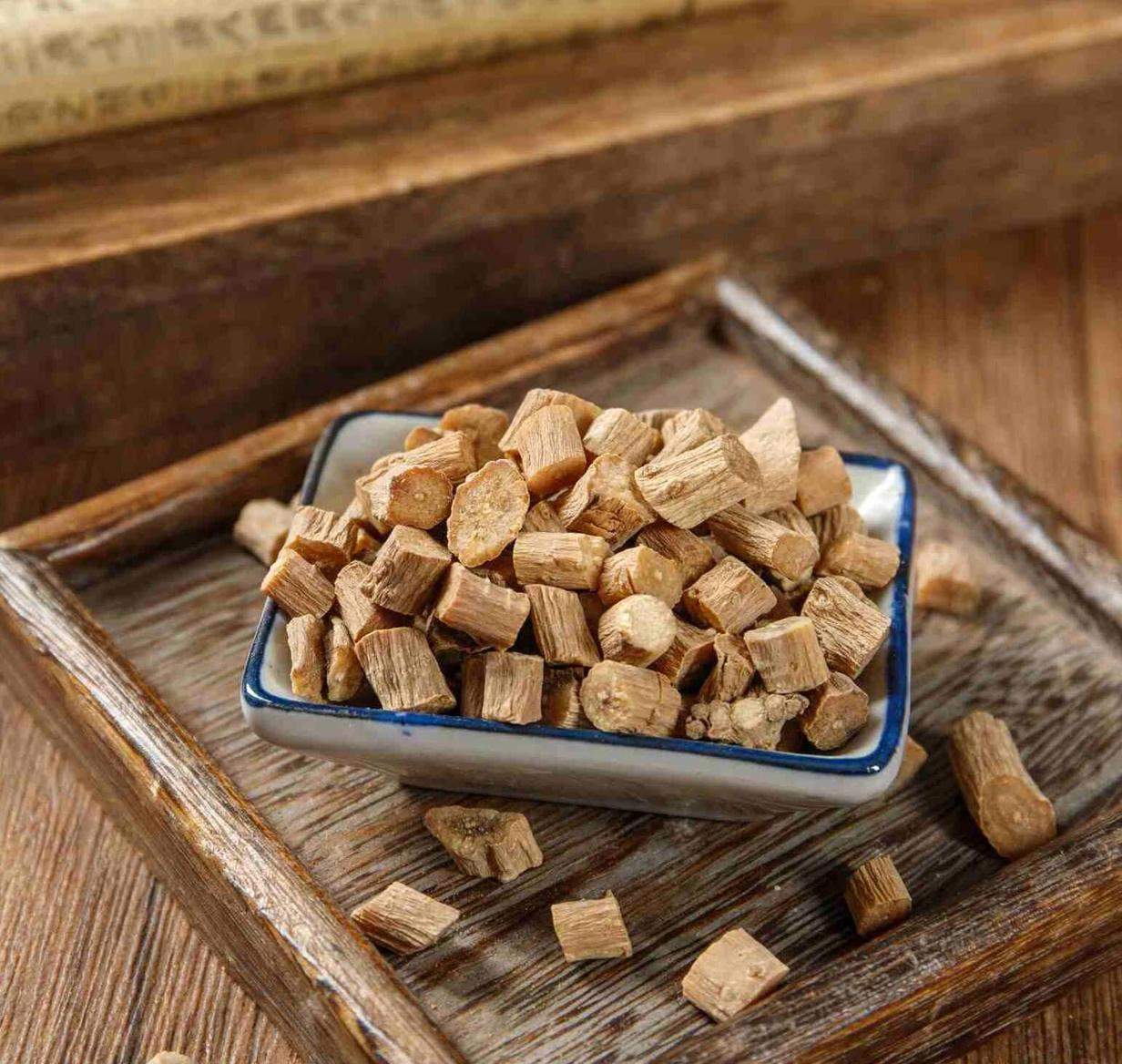
How the quotation becomes a cost per saleable kilogram
A price comparison works only when the scope matches. Write the packing and product form beside each quoted price, then add the delivery point and services it includes. CBI’s guidance on organising spice exports includes product specifications and the payment, delivery and document requirements in its contract checklist.
Resolving those items separately can leave contradictory promises in the purchase file.
The following comparison concerns quoted scope, rather than a claim that one buying route is always cheaper.
|
Purchase scope |
Cost that needs checking |
Question for the buyer |
|---|---|---|
|
Whole material for further processing |
Sorting, grinding and material loss |
What usable quantity remains? |
|
Material requiring pathogen reduction |
Treatment and additional handling |
Who releases the treated lot? |
|
Packed material ready for your operation |
Verification, storage and onward delivery |
Does the agreed specification match your use? |
A simple calculation makes yield visible. Here is an illustrative sorting calculation, with assumed weights: 500 kg purchased, 475 kg retained. That is a 95% usable yield. Divide the costs attributable to that purchase by 475 kg when estimating the cost of sorted stock. Dividing by the invoice weight would understate the unit cost. The assumed loss is an example, not a measured Huirui result.
Order size affects the same calculation. CHINA HUIRUI BOTANICALS works among dried herbs and spices importers and exporters, supplying wholesale botanical materials and spices. Its 500 kg minimum allows you to combine two products in one order.
Confirm those terms for your purchase, including how much of each product you want. Each spice still needs its own processing and test specification.

Where a mixed botanical order can become difficult
A slow-selling ingredient may tie up less stock if you combine it with another product in a mixed purchase. You will have two specifications to manage, however. For each product, keep a separate entry for the lot, packing and acceptance evidence. One shipment file can contain those separate entries.
When comparing herbs and spices, separate culinary requirements from claims associated with traditional use. Medicinal-use descriptions answer a different question from permission to import a food. You also need support for any proposed health claim on a finished label. Describe the goods for the use you have checked.
Payment timing deserves its own cash-flow line. A deposit, freight payment and balance payment may fall before stock is available for sale. Put those outgoings on the same calendar as the expected stock release and customer payment. Port arrival is too early a date to assume you can supply your customer.
What the report should let you decide
The stronger buying option is the lot whose identity, processing scope and total usable cost fit your operation. An unanswered treatment question belongs beside the price in your report. Until you know who pays for that work, you cannot judge the saving.
Send CHINA HUIRUI BOTANICALS your proposed product specification and destination. Ask for a quotation that identifies the work included, so you can compare it with your remaining costs.
FAQ
When would a market forecast help with buying spices?
A forecast helps if you are assessing demand beyond the proposed purchase. A shipment assessment can focus on specification, usable yield and costs without predicting demand.
Can the same test report cover two different spices?
Check the report’s identified samples and scope. A result for ginger, for example, cannot be extended to star anise just because both travel in one container.
Should the cheapest freight option win?
Compare the full arrangement, including handling and the delivery point. A freight figure alone cannot establish the cost of stock available for your operation.
Does a mixed order remove minimum-order questions?
No. Agree the quantity of each product and the packing, as well as the combined order weight.
Which unanswered questions should stop purchase approval?
Hold approval if the material, acceptance criteria or processing responsibility is unclear. For a cost you have yet to confirm, use a visible pending estimate. A blank answer is no basis for a zero cost.


