



What Goes Well with Codonopsis Root? Four Pairings That Work
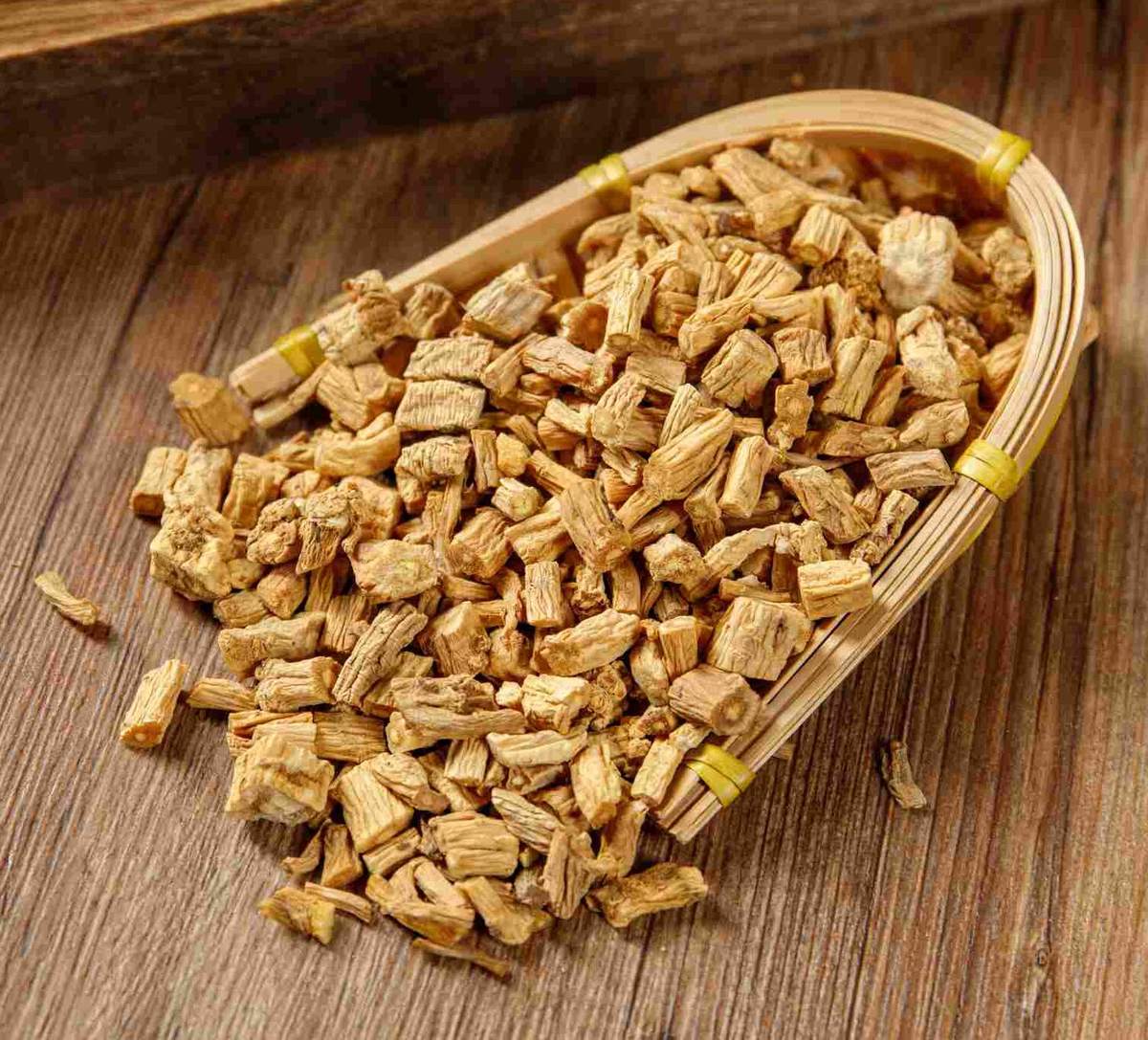
Put a few slices of dried Codonopsis in plain water and the first impression is not dramatic. The liquor is pale. Its aroma is quiet, somewhere between dried root and cooked grain. There is a little sweetness at the end. That modest character is useful: it leaves room for red date, goji, ginger or astragalus without fighting them.
The four ingredients do different jobs. Red date fills out the middle of the drink. Goji gives a lighter fruit note and visible colour. Ginger lifts the aroma. Astragalus makes the base drier and more root-led. So the useful question is not simply “what goes well with Codonopsis root?” It is “what should the second ingredient change?”
A Short Answer
For an easy, slightly sweet Codonopsis root tea, start with red dates. Add goji when colour and a gentle berry note matter. Choose ginger for a brighter smell or a savoury broth. Pair Codonopsis with astragalus when a longer simmer and a distinctly earthy taste suit the recipe. Red date and goji can also soften a root-heavy blend.
What Each Pairing Changes
|
Ingredient |
Main effect in the cup |
Useful applications |
Timing |
|
Red date |
Cooked-fruit sweetness and more body |
Hot tea, porridge, soup |
Split and add at the beginning |
|
Goji berry |
Light fruit, orange-red colour |
Tea, chilled drink, soup garnish |
Add for the last 5–10 minutes |
|
Fresh ginger |
Fresh aroma and mild heat |
Tea, stock, soup, syrup |
Early for depth; late for a sharper note |
|
Astragalus root |
Dry, woody depth |
Long-simmered tea and stock |
Begin the simmer with Codonopsis |
Buyers comparing Chinese herbal ingredients should decide on flavour and process before adding more materials. A crowded formula is not automatically a better one.
Make a Plain Control First
Testing the pairings against a plain infusion saves guesswork. Use 10 g of dried Codonopsis root and 900 ml of water. Rinse the slices, bring the water just to a boil, then simmer gently for 30 minutes. Keep the lid partly closed. Strain the liquor and note how much is left.
Taste it while warm. Taste it once more after it cools. Cooling often brings out a dry, woody edge that is less obvious straight from the pan. This sample becomes the control for the next four batches.
Slice size deserves a note in the record. Thin pieces release flavour faster. Thick pieces need more time. A test sheet can be simple: ingredient weight, water at the start, cooking time, liquid at the end, aroma, sweetness and aftertaste. Those details are more useful than “one handful” in a Dang Shen tea recipe.
Codonopsis with Red Date
Red date is the forgiving partner. Its sweetness does not arrive like added sugar; it builds during cooking and rounds off the dry finish of the root.
For a small Codonopsis and red date tea trial, put 10 g of Codonopsis, four pitted red dates and 900 ml of water in a saucepan. Split the dates so water reaches the flesh. Simmer for 25 to 30 minutes. Four dates keep the root easy to find. Six dates move the drink closer to a fruit tea.
This pairing also makes sense in porridge. Cook the root and dates in water first, strain the liquid, then use that liquid for rice or millet. Removing the root avoids fibrous pieces in the finished bowl. In soup, red date sits comfortably beside chicken, mushroom or Chinese yam.
Codonopsis with Goji
Goji is lighter and less rounded than red date. It is handy when the drink needs colour but should not taste heavily sweet.
A Codonopsis and goji berry tea can begin with 10 g of Codonopsis and 850 ml water. Simmer the root alone for 20 minutes. Add 10 g goji berries and continue for about seven minutes. The late addition keeps the berries intact and preserves more of their fruit smell.
If the middle of the drink feels empty, add two red dates in the next test. That creates a Codonopsis red date goji tea without letting the dates take over. For cold service, judge the drink only after refrigeration. A chilled goji berry tea usually tastes less sweet and less fragrant than the same batch served hot.
Codonopsis with Fresh Ginger
Ginger changes the first sip rather than the finish. Its aroma reaches the nose before the mild root flavour arrives.
Try 8 g Codonopsis, three thin slices of fresh ginger and 750 ml water. A 20-minute simmer gives a restrained Codonopsis and ginger tea. Thick ginger coins are a different ingredient in practice: three of them can bury the Codonopsis and turn the batch into ginger herbal tea with a faint root background.
The same pair works well in savoury cooking. In an unsalted chicken or mushroom stock, ginger links the root flavour to scallion and other vegetables. Season near the end. For a bottled drink, repeat the tasting after the actual heat process; fresh ginger aroma can fade during pasteurisation.
Codonopsis with Astragalus
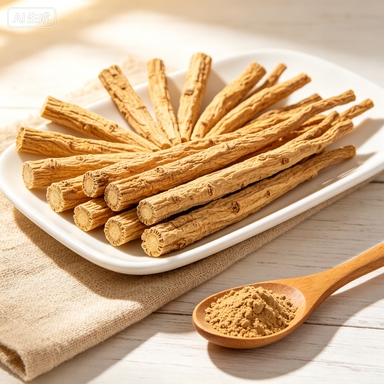
Astragalus takes the blend in the opposite direction from goji. It adds length and a woody note rather than fruit.
For a Codonopsis and astragalus tea, use 8 g of each root with one litre of water. Simmer gently for 35 to 45 minutes. Watch the final volume. Heavy reduction can make the liquor harsh even when the ingredient ratio is sound.
Three red dates can make this root-forward drink friendlier. Apple pieces are another culinary option for a kitchen test. Similar cut sizes help the two roots extract at roughly the same pace. The combination is often more at home in a Codonopsis herbal soup than in a delicate clear tea.
Three Bench Recipes
|
Intended result |
Ingredients |
Cooking note |
|
Mild fruit-led tea |
8 g Codonopsis, 4 red dates, 8 g goji, 1 L water |
Cook root and dates 25 minutes; add goji for 7 minutes |
|
Ginger-led tea or broth |
8 g Codonopsis, 3 red dates, 3 thin ginger slices, 800 ml water |
Simmer together for 25 minutes |
|
Earthy soup base |
10 g Codonopsis, 10 g astragalus, 4 red dates, 3 ginger slices, 1.5 L water or stock |
Cook the roots for about 40 minutes |
Weigh the liquid after cooking. One pan may lose 120 ml while another loses 200 ml, which can change the taste more than a small adjustment in dry ingredients. A commercial herbal tea formulation also needs a stated filter size. Fine particles that seem harmless in a hot kitchen sample can settle visibly in a bottle the next day.
Food Uses Beyond a Teapot
Codonopsis root food pairing works best in moist cooking. The slices give up flavour slowly and remain tough, so they are normally removed.
- Codonopsis chicken soup:cook Codonopsis with ginger and red date in unsalted stock. Add goji near the end, then adjust salt.
- Rice or millet porridge:replace part of the cooking water with a strained Codonopsis infusion.
- Oat, rice or nut drink:blend the filtered infusion with the chosen base. Check sediment after 24 hours and after heating.
- Soup concentrate:use Codonopsis and astragalus for the long-cooked base. Track final weight and soluble solids if the batch must be repeated.
A Buying Note: “Dang Shen” Is Not a Full Specification
Trade documents may say Dang Shen, but the botanical name should also appear. The referenced Codonopsis root / Dangshen is listed as Codonopsis pilosula (Franch.) Nannf. The plant part, origin, cut, grade and moisture limit belong in the written specification too.
Look at a delivery before it reaches production. Are the slices close to the agreed size? Is the smell clean rather than damp or stale? Is there insect damage, soil or unrelated plant matter? Documents should keep the botanical name consistent across the label, invoice and certificate of analysis.
Testing requirements depend on the product and destination. Typical discussions cover identity, moisture, ash, pesticide residues, heavy metals, microbes and sulfur dioxide. Food and tea rules also differ by country. A history of traditional use does not by itself grant food approval in every market.
Concentrated herbal preparations may not suit everyone. Anyone who is pregnant, breastfeeding, taking medicine or managing a health condition should ask a qualified professional for advice. The quantities above are food-development examples, not treatment instructions.
About Bozhou Huirui Chinese Medicine Technology Co., Ltd.
Bozhou Huirui Chinese Medicine Technology Co., Ltd. is a traditional Chinese medicine supplier serving importers, wholesalers, distributors, manufacturers and brand owners. Its company information covers its supply focus, including dried botanical materials such as Codonopsis root.
A useful bulk Codonopsis root inquiry states the cut, expected quantity, destination, packaging and required tests. Buyers can send those points through the contact page. This gives a Codonopsis root supplier enough detail to answer with a relevant specification.
Conclusion
Red date, goji, ginger and astragalus all go well with Codonopsis, but they do not produce the same drink. Red date adds body. Goji adds colour and a small fruit lift. Ginger works on aroma. Astragalus deepens the root character. A plain control and four small, weighed trials will reveal more than one large, complicated pot.
Frequently Asked Questions
What is a simple Codonopsis root tea recipe?
Simmer 8–10 g of dried slices in about 800 ml water for 25–30 minutes. Taste it plain before adding another ingredient. That first batch makes later comparisons clearer.
Can red date and goji be used with Codonopsis at the same time?
Yes. Cook Codonopsis and split red dates first, then add goji for the last 5–10 minutes. Red date supplies body while goji gives colour and a lighter fruit note.
Should ginger or astragalus be paired with Codonopsis?
Use ginger when the recipe needs a fresh aroma or a savoury direction. Use astragalus for a longer, earthier finish and a longer simmer. Red date can soften either blend.
Are the cooked Codonopsis slices eaten?
They are usually strained out because they stay fibrous. A food-safe filter bag is convenient for Codonopsis chicken soup, porridge liquid and batch beverage trials.


