



Dried Papaya Explained: Uses, Processing, and Buying Tips
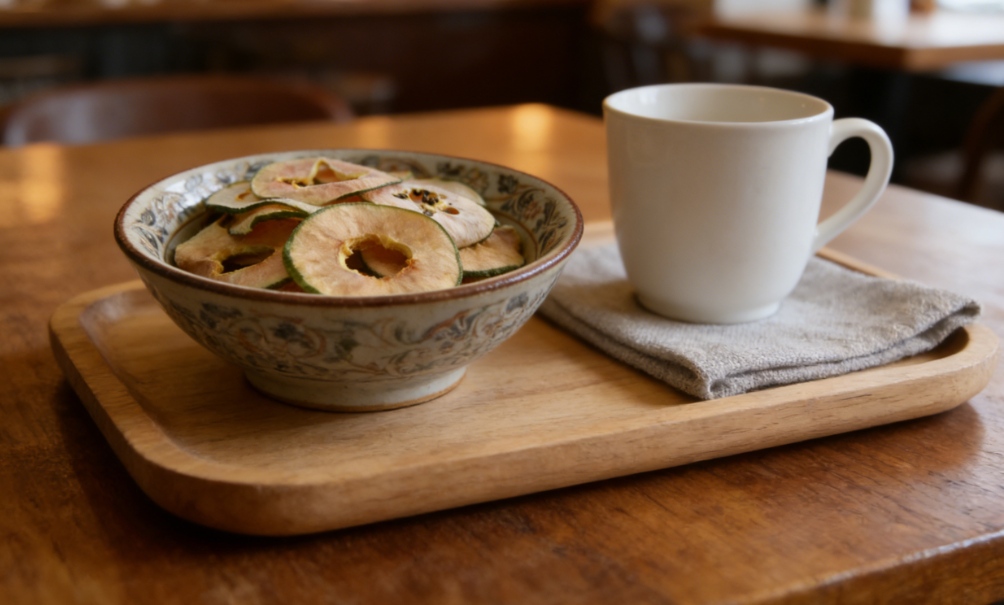 Dried papaya seems plain at first sight. It tastes sweet, shows a vivid hue, and packs easily. However, shoppers, food companies, herbal suppliers, and large-scale importers often raise similar queries: What is dried papaya really? How do producers make it? What sets one lot apart from another? And in global business, does the term always mean the same fruit?
This topic holds greater importance than it appears. Numerous high-ranking websites describe dried papaya just as a treat, but purchasers in ingredient and herbal sectors focus on production methods, water levels, hue retention, wrapping, and plant source. A helpful piece should go beyond flavor details. It needs to aid readers in weighing choices, identifying good quality, and determining if the item suits treat sales, food preparation, or herbal sourcing.
What Is Dried Papaya?
In simple terms, dried papaya comes from papaya fruit that gets peeled, sliced, and dried to remove most of its water. In stores, it appears as slices, cubes, chunks, or strips. Certain types undergo plain dehydration. Others receive sugar or light candying for a gentler bite and a more lively look.
That covers the basic idea. Yet, in trade settings, the name carries extra meaning.
A product with two search paths
One route ties to food uses. Customers seek dried papaya fruit for treat bags, grain mixes, pastry stuffings, fruit sticks, and assorted tropical goods.
The second route links to business dealings. In herbal and classic ingredient areas, labels can blend across tongues and item groups. Thus, customers ought to verify not just the usual English label, but also the scientific name, planned purpose, and preparation type prior to a large purchase.
Why dried papaya gets attention
Fresh papaya feels tender, smells pleasant, and spoils quickly. The drying process alters this. It extends storage time, creates a firmer chew, and boosts sweetness since water decreases. For food firms, this renders dried papaya simpler to transport, keep, divide, and mix into ready items.
Fresh Papaya vs. Dried Papaya
Prior to exploring uses, it proves useful to understand why dried papaya fits commercial chains better than fresh fruit in various situations.
| Point | Fresh Papaya | Dried Papaya |
|---|---|---|
| Water content | High | Much lower |
| Shelf life | Shorter | Longer |
| Texture | Soft and juicy | Chewy to soft-chewy |
| Flavor | Mild, fresh, lightly sweet | More concentrated and sweeter |
| Transport | More fragile | Easier for bulk packing |
| Use in blends | Limited | Very practical |
These contrasts explain why dried papaya shows up frequently in treat blends and ingredient lists. It standardizes with ease, packs without trouble, and fits repeated making.
How Is Dried Papaya Made?
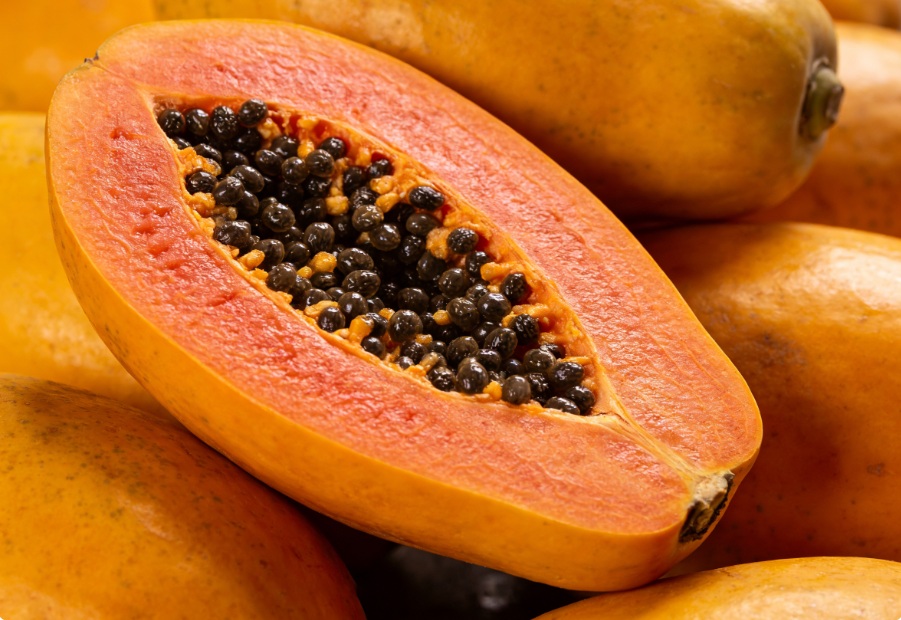 A solid dried papaya item begins well ahead of the drying stage. The choice of raw fruit influences hue, sugar level, feel, and output.
To clarify the method, here are the main steps.
Step 1: Fruit selection
Producers pick ripe, healthy fruit at the start. Fruit that stays too green might yield a tougher feel and fainter scent. Overripe fruit could turn gooey or irregular when sliced and dried.
Step 2: Washing, peeling, and cutting
Workers wash the fruit, remove the skin, take out seeds, and slice it into the desired shape. Various final purposes require specific cuts. Strips suit store treats. Tiny cubes appear more in grain mixes, path snacks, and pastry needs.
Step 3: Drying
The slices undergo controlled water removal. Based on the item type, this includes air drying, gentle heat drying, or similar ways. The aim stays to cut water while keeping hue, form, and flavor intact.
Step 4: Optional sweetening
Certain dried papaya stays without added sugar. Others gain sweetness for a milder chew, sharper look, and broader draw. In overseas sales, sugared types prevail, particularly for treat stores.
Step 5: Sorting and packing
Once dried, the item gets checked for hue, scale, feel, and overall neatness. Then, it packs based on the sales path, be it store, food service, ingredient delivery, or large export.
What Does Dried Papaya Taste Like?
Flavor draws much interest in dried papaya online. Folks look it up to grasp what awaits before purchase.
Typically, dried papaya offers a warm, fruity sweetness with a subtle bloom hint. The taste often hits stronger than in fresh papaya. This happens because water content drops. The feel varies by method. Some lots turn soft and pliable. Others stay firmer and less tacky.
Sugared dried papaya often seems more like candy. Plain or mildly sweet kinds taste purer and more fruit-like. These appeal to ingredient seekers and wellness treat brands.
Common Uses of Dried Papaya
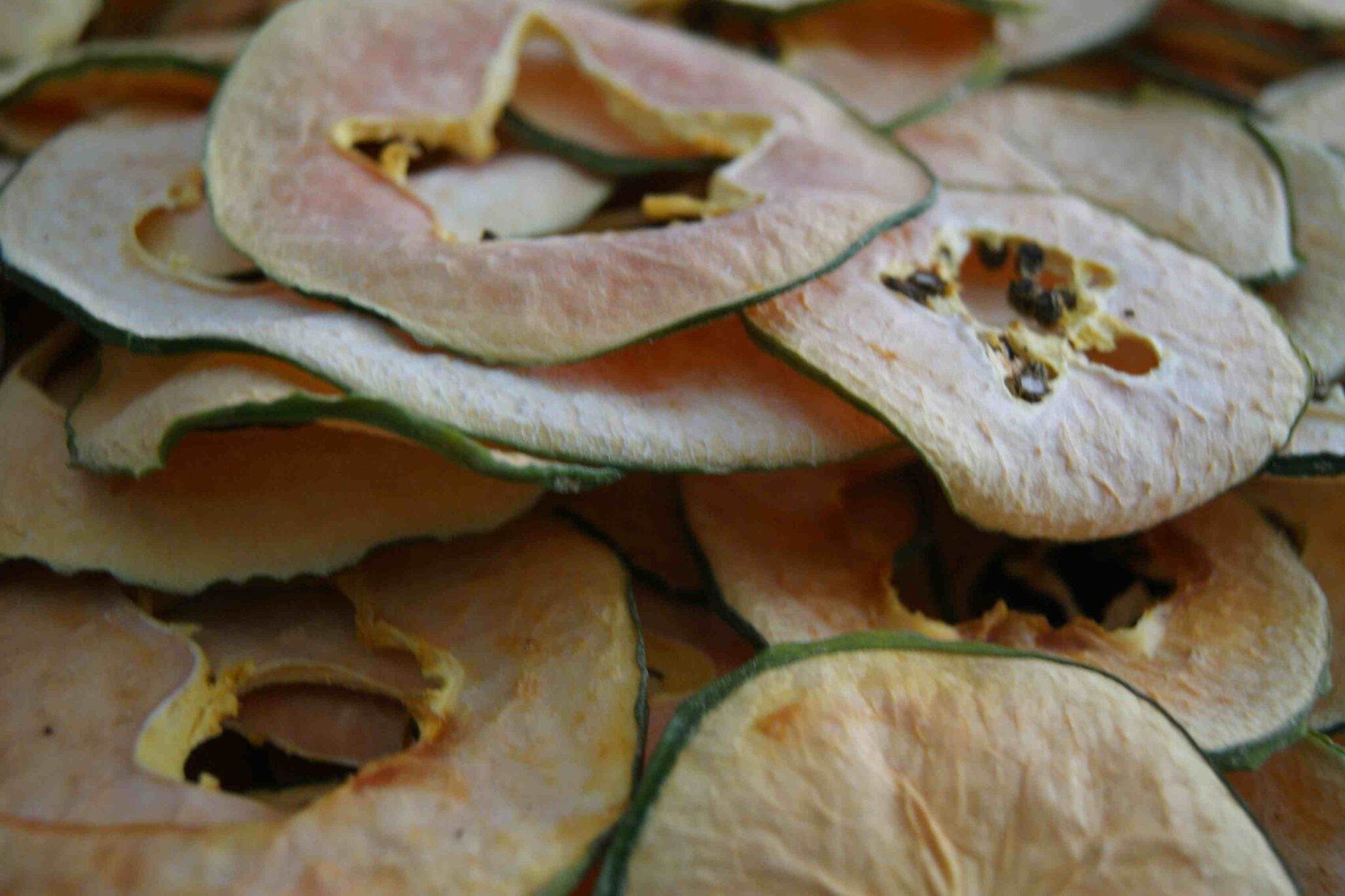 Dried papaya is delicious and has a wide variety of uses.
In snack products
Dried papaya fits nicely in:
-
single-serve fruit packs
-
tropical trail mixes
-
school snack assortments
-
travel snack bags
-
office pantry snacks
Its lively orange shade also makes mixed-fruit goods appear more vibrant on display.
In breakfast and bakery
Chopped or diced dried papaya often goes into:
-
granola and muesli
-
cereal toppings
-
breakfast bowls
-
muffins and tea cakes
-
fruit bread
-
cookies and bar products
In baking, steady piece sizes count. Unequal bits can cause uneven spread in mix or paste.
In ingredient and specialty channels
For factory buyers and niche dealers, dried papaya might serve in:
-
fruit blend manufacturing
-
private label snack lines
-
tea and gift-box assortments
-
tropical dessert inclusions
-
export-oriented dried fruit packs
This business view often lacks in casual buyer posts, but it aids B2B sites.
What Buyers Look for in Quality Dried Papaya
Quality involves more than one factor. It blends looks, use ease, and steadiness.
Before the list below, note this: The finest sample does not always mean the top business lot. Large buyers value steady ongoing quality over one ideal bag.
A practical quality checklist
| Quality point | What to look for |
|---|---|
| Color | Bright but natural-looking; even across the batch |
| Aroma | Clean, fruity smell without sour or stale notes |
| Texture | Chewy and workable, not wet or overly hard |
| Cut size | Uniform enough for the intended use |
| Moisture | Low enough for storage, but not dry to the point of brittleness |
| Cleanliness | No obvious foreign matter, excess sugar dust, or broken waste |
| Packaging | Sealed well and suited to storage and shipping |
| Traceability | Clear origin, specification, and product description |
In large dried papaya orders, steady water levels matter greatly. Excess water cuts storage time. Too little water harms feel and lowers enjoyment.
Why Supplier Capability Matters
When the item shifts from basic store sales to ongoing buys, supplier skills grow as key as the fruit.
A trustworthy dried papaya provider should explain raw sourcing, making steps, checks, wrapping, and delivery aid plainly. For numerous customers, above all those building own-brand or local sales, the provider must aid spec fitting over just fixed stock.
Useful questions to ask before ordering
-
Is the product sweetened or unsweetened?
-
What cut sizes are available?
-
What moisture range is typical?
-
How is the product packed for export?
-
Can the supplier support bulk orders and repeat shipments?
-
Is ODM/OEM service available for finished packaging or custom formats?
Such queries distinguish a basic vendor from a solid ongoing partner.
About Bozhou Huirui Chinese Medicine Technology Co., Ltd.
For those seeking dried papaya, plant remedies, and linked traditional Chinese medicine goods, Bozhou Huirui Chinese Medicine Technology Co., Ltd. bases in Bozhou, Anhui, a noted Chinese herbal hub. Per the firm site, it handles over 2,000 types, sources directly from places like India, Thailand, Ethiopia, Vietnam, and Nigeria, reaches home and abroad markets in Southeast Asia, Africa, and the Middle East, and offers ODM/OEM steps from research, pricing, order care, making, checks, wrapping, transport, and arrival. The page also notes quality checks via making rules and emphasis on reliable runs and green practices.
Conclusion
Dried papaya stands as more than a vivid dried fruit. It serves as a durable ingredient for treats, grain blends, pastry goods, and large food supplies. For purchasers, key issues exceed taste. Making style, water balance, slice scale, wrapping way, and plant clearness all form the end outcome.
Thus, a wise dried papaya buy begins with a firm item outline and closes with a provider that fits use demands, not merely sends a box. In real ways, the best choice stems from reviewing three items: the item’s nature, its making, and the provider’s ability to supply firm quality steadily.
FAQs
What is dried papaya made from?
Dried papaya comes from papaya fruit that undergoes peeling, slicing, and water removal. Based on the market aim, it sells as plain dried papaya or as a sugared good with milder chew.
Is dried papaya the same as fresh papaya?
No. Fresh papaya holds high water and brief storage. Dried papaya features far less water, thicker feel, and sweeter, denser taste. It stores, packs, and fits food making more readily.
How is dried papaya used in food products?
Usual dried papaya roles cover treat bags, path mixes, granola, grain covers, fruit sticks, muffins, cookies, and pastry stuffs. Tiny cubes suit blends well, while bigger slices or strips draw direct buyers.
How can buyers judge quality dried papaya?
Good dried papaya displays steady hue, pure fruity scent, apt pliability, fair water, and even slice scale. For trade buys, check source, specs, wrapping type, and supply firmness too.


