



Deer Antler Mushroom: Benefits, Uses, and Buying Tips
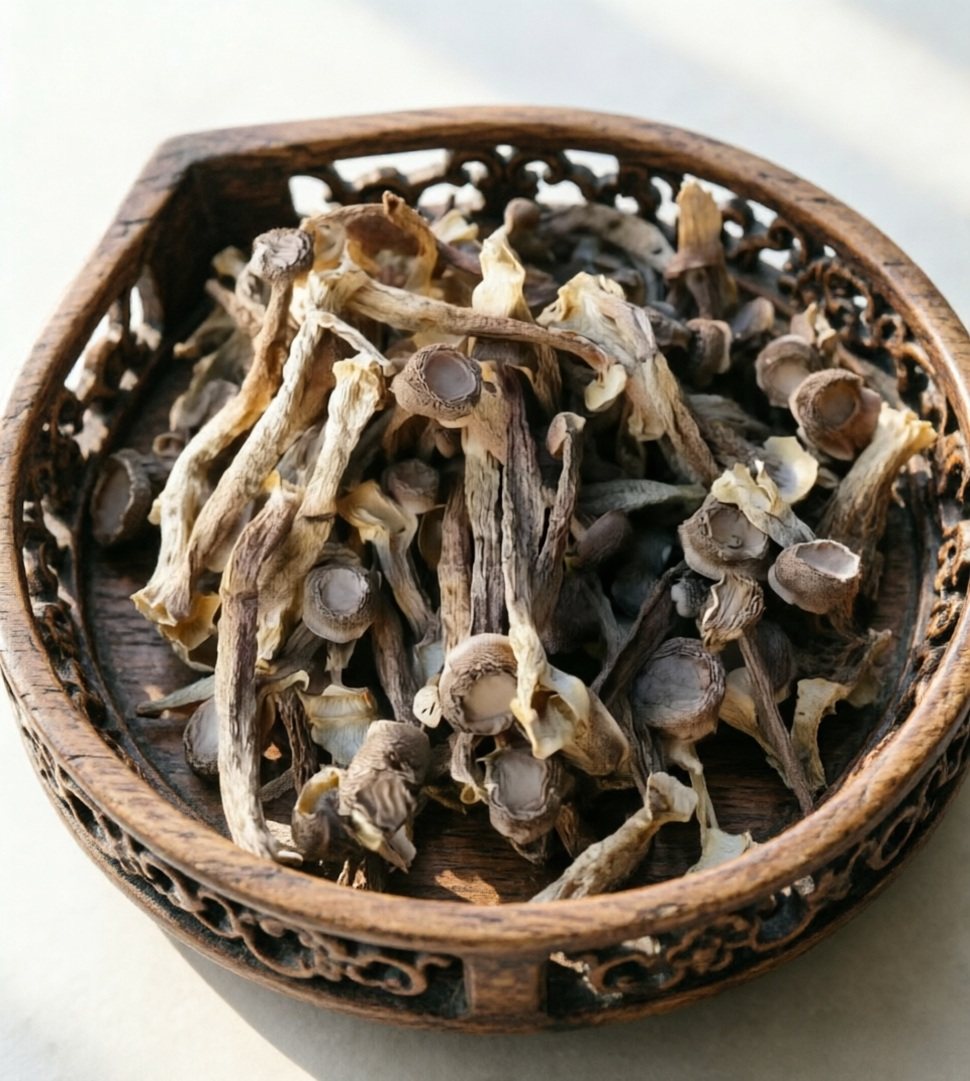 Deer antler mushroom goes by the name Lyophyllum decastes in most cases. It is an edible type of fungus. This one stands out for its solid stem, forked structure, and nice chew after you cook it. Sellers offer it fresh or dried in various markets. The dried kind gains favor because it keeps well. It ships easily. Plus, it gets back a firm, soft feel after you soak it. For those in food buying, importing, or ingredient supply, these points count more than showy descriptions.
What Is Deer Antler Mushroom?
Before you dive into nutrition, cooking methods, or where to get it, it pays to nail down just what this mushroom really is.
The plant name tied most to deer antler mushroom is Lyophyllum decastes. In English mushroom guides, the same type might show up as clustered domecap or fried chicken mushroom. In Chinese business settings, folks might see the term luronggu.
Deer antler mushroom counts as a grown edible fungus. Its form gives away its name. The stem feels sturdy. The top splits into branches. Overall, the whole thing might remind you of a young deer’s antler. This fungal strain is a specially cultivated edible mushroom. They sell it mostly fresh or dried. This matches how English sources describe Lyophyllum decastes.
In business terms, this mushroom holds a solid spot in between. It is not merely a wild-picked item for small crowds. Nor is it a basic bulk good with no background. It boasts a sharp look, a practical kitchen role, and solid nutrition facts. These traits back up learning pieces, product listings, and business-to-business questions.
Here is a simple overview:
| Item | Details |
|---|---|
| Common trade name | Deer antler mushroom |
| Botanical name | Lyophyllum decastes |
| Product form | Fresh or dried |
| Texture after cooking | Firm, crisp, tender |
| Typical use | Soup, stir-fry, mixed dishes |
| Main commercial value | Shelf life, texture, easy transport |
What Does Deer Antler Mushroom Look and Taste Like?
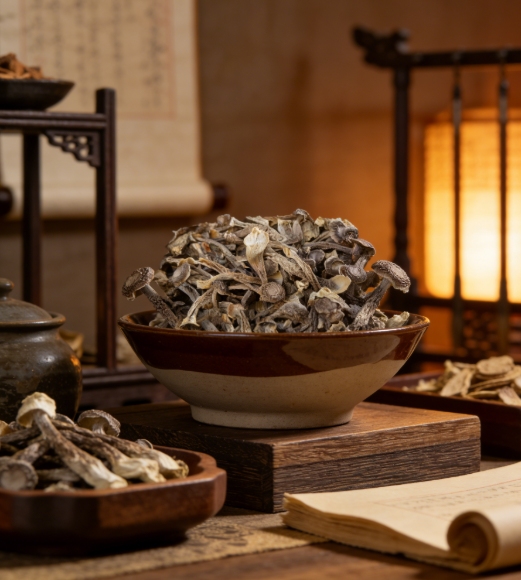
After sorting out names, most folks shift to the basic purchase query: what does this mushroom truly seem like?
Its business draw begins with how it looks. Deer antler mushroom often features a strong stem and a forked top part. Even in dried state, it holds a form that catches the eye in photos and lists. This aids export sales. Visual appeal often boosts clicks before anyone reads the fine print.
The flavor draws both home cooks and restaurant pros. It stays subtle. You get a gentle meaty hint and a solid chew. That feel sells it best. In soup, it holds its form. It does not go mushy or limp. In stir-fries, it soaks up flavors without fading away.
For those buying dried items, this point hits home in real ways. A mushroom might look good in words. But if the texture weakens after soaking, orders slow down. Deer antler mushroom dodges that issue. It does so better than many softer dried types.
Deer Antler Mushroom Nutrition Profile
Once you know the basics and how it tastes, readers often turn to the health side.
Deer antler mushroomis rich in protein, polysaccharides, dietary fiber, and different amino acids. Studies on Lyophyllum decastes also note food value and taste-boosting compounds. These fuel rising attention for this type.
One straightforward way to share the nutrition info is like this:
-
it provides protein as part of a mushroom-based meal plan
-
it holds dietary fiber
-
it links to mushroom polysaccharides
-
it has amino acids tied to taste and meal quality
-
it suits low-fat eating routines
This approach flows nicer than a drawn-out promise list. It fits how careful buyers and food-focused readers skim pages. They seek solid facts they can rely on. Not hype about wonders.
Potential Benefits of Deer Antler Mushroom in Daily Use
The top plus is steady kitchen results. In the dried goods market, reliability often trumps newness. A mushroom that keeps its shape, soaks up water nicely, and fits soups, hot pots, or fried meals sells easier.
The next plus is easy menu swaps. Deer antler mushroom slots into real eating spots:
-
packaged soup ingredients
-
restaurant broths
-
home stir-fry mixes
-
gift-box dried foods
-
herbal food combinations in seasonal cooking
The final plus is smart storage. Fresh mushrooms sell fast but spoil quicker. Dried deer antler mushroom fixes that. It allows sales all year. Buyers can stock up in batches. Shipping gets simpler for global deals.
Fresh vs. Dried Deer Antler Mushroom
Fresh and dried deer antler mushroom meet varied demands. Fresh suits quick local chains. Dried helps with exports, bulk sales, online shipping, and far-off trips.
| Form | Best for | Main advantage | Main limitation |
|---|---|---|---|
| Fresh | Local sales, short lead times, immediate cooking | Natural appearance and direct use | Shorter shelf life |
| Dried | Wholesale, export, storage, online orders | Longer shelf life and lower transport risk | Needs soaking before cooking |
In actual business talks, dried items spark more questions. Buyers seek steady stock, simple packing, and fewer shipping issues. Thus, dried deer antler mushroom makes a top search term for trade visitors.
How to Cook Deer Antler Mushroom
Before you reach supply and buying tips, cover the hands-on cooking query. Dried deer antler mushroom proves easy to handle. You rinse it first. Then soak until it softens. After that, add it to recipes that gain from its chew. Soup ranks as a top choice. The mushroom simmers fine with chicken, pork bones, assorted veggies, or mild herbs. For stir-fries, it pairs nicely with garlic, ginger, greens, tofu, and basic soy flavors.
Keep these prep notes in mind:
-
soak until the body softens evenly
-
avoid overcooking if texture is important
-
pair with clear savory bases rather than heavy sweet sauces
-
use in mixed dried ingredient packs for convenient retail sale
How to Choose a Reliable Deer Antler Mushroom Supplier
A solid deer antler mushroom supplier goes beyond just pictures. Buyers check key details:
-
whether the botanical identity is clearly stated
-
whether the product is available in fresh or dried form
-
whether drying is even and clean
-
whether the pieces have a consistent appearance
-
whether inspection, packaging, and transport steps are clearly managed
-
whether the supplier can support repeated orders, not just one shipment
For bulk buyers, steady supply beats fancy talk. If a seller offers reliable quality, practical packing, and clear chats, that usually tops long sales pitches.
A Brief Note on Bozhou Huirui Chinese Medicine Technology Co., Ltd.
Bozhou Huirui Chinese Medicine Technology Co., Ltd. sits in Bozhou, Anhui. This spot ties tight to Chinese medicine and herb business. Their site says they have direct supply lines in several nations. They serve clients in China. They also ship to Southeast Asia, Africa, the Middle East, and beyond. The page outlines an ODM/OEM process. It includes market checks, quotes, order work, making, checks, packing, shipping, and delivery. On top, they claim quality controls run through each step.
For those seeking a deer antler mushroom supplier, this setup counts. The worth lies not just in stock. It also covers steady sourcing, packing, and shipping support.
Conclusion
Deer antler mushroom, scientifically known as Lyophyllum decastes, stands out as a versatile and commercially valuable edible fungus. Its distinctive appearance, firm texture, and mild flavor make it suitable for a wide range of culinary applications, particularly in soups and stir-fried dishes. From a business perspective, its availability in both fresh and dried forms allows it to meet diverse market needs, with the dried variant offering clear advantages in shelf life, storage, and international distribution. For buyers, distributors, and food industry professionals, the key lies in sourcing from reliable suppliers who ensure consistent quality, proper processing, and stable supply chains. Overall, deer antler mushroom represents a practical and scalable ingredient that balances culinary appeal with strong commercial potential.
FAQs
What is deer antler mushroom?
Deer antler mushroom is an edible fungus commonly identified as Lyophyllum decastes. It is known for its thick stem, branched shape, and good texture after cooking. It is usually sold fresh or dried.
Is dried deer antler mushroom easy to use?
Yes. Dried deer antler mushroom is usually soaked before cooking. Once rehydrated, it keeps a crisp and tender bite, which is why it is widely used in soup and stir-fry dishes.
What does deer antler mushroom taste like?
The taste is mild and savory rather than strong. Many buyers value deer antler mushroom more for its texture than for an intense aroma. That makes it easy to pair with broths, vegetables, and simple seasonings.
Why do buyers look for a deer antler mushroom supplier instead of only a retailer?
Wholesale and ingredient buyers often need stable quality, clear product specifications, consistent packaging, and dependable delivery. A deer antler mushroom supplier is usually better placed to support repeat orders and bulk requirements.


