



Dried Apple in Food and Tea Applications
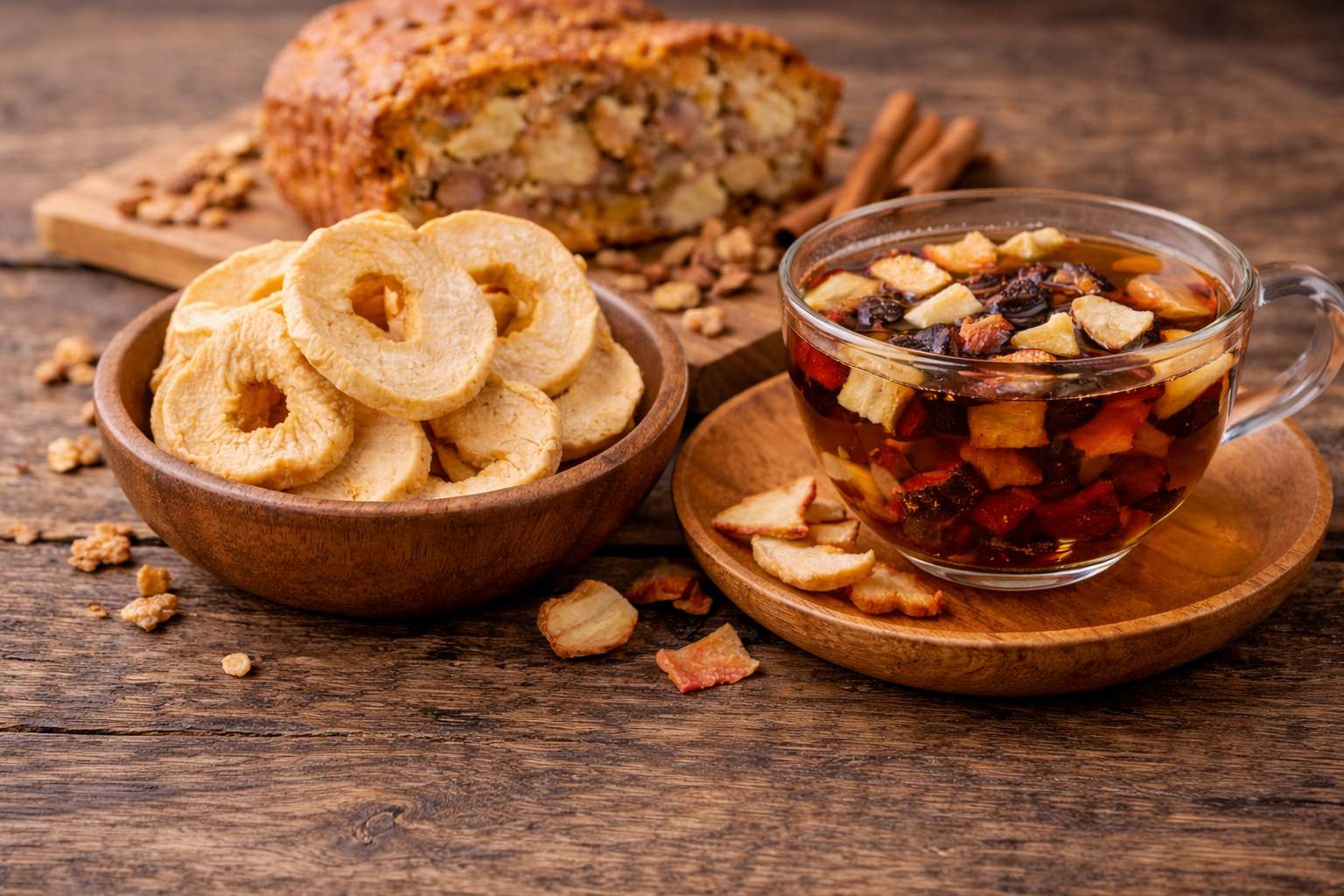 Dried apple stays one of the most useful fruit items in the market. It holds the usual apple flavor, but it is simpler to keep, simpler to ship, and simpler to apply in making than fresh fruit. This mix creates constant need in snacks, baked goods, morning meals, tea mixes, and large food supplies.
For many purchasers, dried apple is more than a basic fruit treat. It serves as a key part in recipes. It must have the proper shape, the correct water content, a pure apple flavor, and steady quality from one batch to the next. In actual buying tasks, these points count much more than general statements. A tea maker seeks good soaking results and looks. A cereal maker focuses on smooth flow and long storage. A bakery purchaser watches texture, ease of use, and evenness closely. That is why a solid dried apple item should cover more than just its meaning. It needs to include applications, product traits, quality aspects, and supply reasons all in one spot.
What Is Dried Apple?
Dried apple comes from fresh apples that pass through drying or removal of water to take out most of the liquid. Once the water drops, the fruit gets lighter, simpler to store, and richer in both flavor and sugar. The plant name is Malus domestica. The item often comes in slices or other handy shapes for food needs.
This core concept seems basic. However, it shows why dried apple remains important in many product types. Fresh apples feel tied to seasons. They handle poorly and last a short time on shelves. Dried apples fix those issues. They keep the apple feel, but they pack easier, mix better, measure out well, and travel through sales or export paths with less trouble.
In everyday terms, dried apple shows up under various names in searches and trade. These include dried apples, dehydrated apples, dried apple slices, and apple pieces. Buyers might pick different words. But the main need is often the same. They want a reliable apple part that fits well in the end product.
How Dried Apples Are Made
The way dried apple works well in food making begins with its creation method. The steps are direct. Yet each one shapes the end outcome.
A typical making process often covers these steps:
-
selecting sound apples
-
washing and sorting
-
peeling or keeping the skin, depending on the product
-
slicing or cutting
-
controlled drying
-
inspection and packaging
The drying part changes the product the most. As water leaves, the apple taste gets stronger and the feel gets tougher or more chewy. A thin slice dries quicker and seems lighter. A thicker piece holds a bigger bite. Water level also impacts storage time, looks, and how it acts in blends or packs.
In business settings, this counts a lot. A fruit tea mix might require thin, nice-looking slices. A bakery fill could use softer bits better. A cereal blend often needs shapes that stay apart and avoid sticking in the package.
What Dried Apple Tastes and Feels Like
After drying, apples have a thicker taste that focuses more. Sweetness often seems stronger than in fresh ones. This happens because the water is out, and the flavor packs in tighter. The smell is still clearly apple. But it feels warmer and fuller.
The feel varies by method and details. Many dried apples offer a chewy bite. Some stay softer and bend more. Others, mainly thin cuts, seem lighter and a bit crisp on the sides. This variety helps because different fields seek various mouth feels.
That is a key reason dried apple fits modern food items so well. It brings true fruit quality without the keep and handle problems of fresh fruit. There is no liquid spill, no fast turning brown in the work area, and no daily need to trim fresh fruit.
Main Features of Dried Apple
When purchasers check fruit parts, dried apple shines because its good points turn into real benefits for end items.
| Feature | Practical value |
| Lower moisture | Longer shelf life and easier storage |
| Concentrated flavor | Clear apple taste in blends and recipes |
| Lighter weight | Easier transport and bulk handling |
| Flexible cuts | Suitable for tea, snacks, bakery, and cereals |
| Familiar fruit profile | Easy for consumers to accept |
These are not vague sales talks. They touch daily work. Less water aids the part in moving through storage and delivery with ease. A strong apple taste lets small amounts give a clear flavor hit. Varied shapes let one fruit type work in several lines.
For food makers and buying leads, this sort of range is helpful. It cuts down on issues when one fruit part serves many uses.
Common Uses of Dried Apple
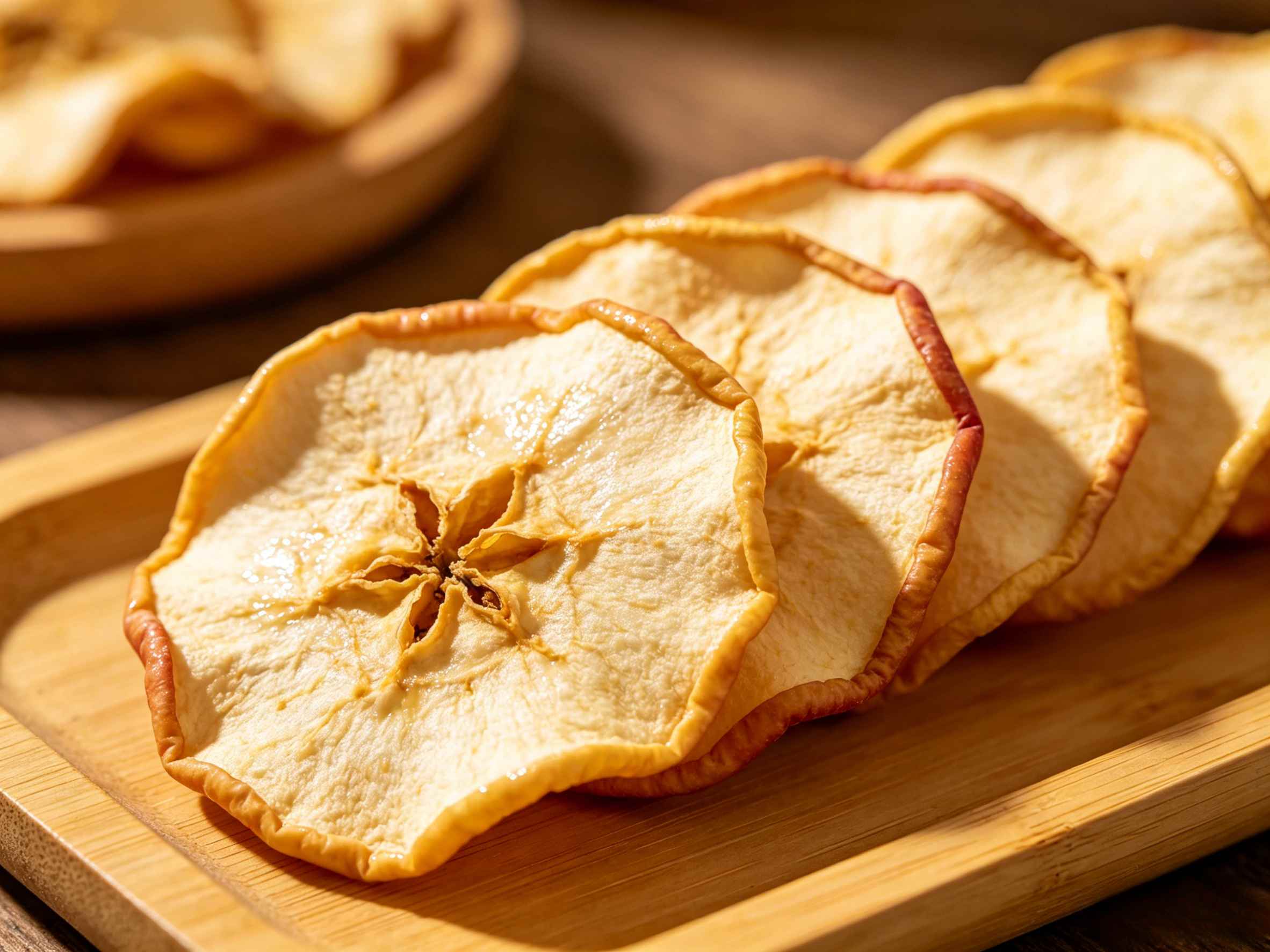
The top way to assess dried apple is by its real-world roles. This part fits many areas because it handles simply and makes sense to buyers from a user view.
Dried apple as a ready-to-eat snack
Dried apple fits well in fruit bags, mixed dried fruit sets, lunch items, and daily store snack types. It travels easily, stays clean to touch, and feels known to many users. For brands making handy snack ranges, that counts more than new ideas.
Dried apple in bakery products
In cakes, muffins, morning bars, and soft cookies, dried apple gives fruit flavor without the added water from fresh apple. This offers better control in making. It also aids storage and prep work. Bakers measure it out simpler and keep stock for longer runs.
Dried apple in breakfast foods
Morning cereal, granola, muesli, and oatmeal all match naturally. Dried apple adds seen fruit bits, a sweet fruit hint, and mix in feel. It goes well with oats, cinnamon, nuts, and seeds. That is why it stays common in morning mixes.
Dried apple in salads and meal toppings
Small apple bits or soft slices can join salad sets and grain dishes to add a mild sweet balance. Here, dried apple helps offset sharp greens, cooked grains, and salty tops.
Dried apple in herbal tea and fruit tea
This ranks as one of the most business-friendly roles. Dried apple can bring fullness, good looks, and a soft fruit touch to tea sets. It pairs nicely with items like flowers, citrus skin, berries, or warm spices. In this field, slice style and smell purity count highly. Tea purchasers often seek bits that seem real in the mix and give a strong apple note when brewed.
Dried Apple and Product Development Value
At this stage, dried apple’s worth shows more plainly. It acts as more than a fruit part. It serves as a real fix for item creation.
Health advice often points out that dried fruit keeps vitamins and roughage from the start fruit. Sugars pack tighter per bite since much water is gone. In planning items, this means dried apple suits many food types. But portion size and mix balance still count.
From a business side, the top worth points appear clear:
-
it stores more easily than fresh fruit
-
it is easier to transport over long distances
-
it supports year-round product planning
-
it suits both retail and bulk ingredient use
-
it can serve more than one category at the same time
For a firm making tea, cereal, snacks, and bake mixes, this ingredient saving is tough to overlook.
Dried Apple vs Freeze-Dried Apple
Many purchasers weigh dried apple against freeze-dried apple before deciding to buy. Both start from apple. But they act in different ways.
Dried apple tends to be firmer, chewier, and richer in taste. Freeze-dried apple is lighter, crunchier, and more breakable. One does not beat the other right away. The pick relies on the goal product.
| Feature | Dried Apple | Freeze-Dried Apple |
| Texture | Chewy to tender | Light and crisp |
| Flavor style | Dense and concentrated | Bright and airy |
| Typical use | Tea, cereal, bakery, snack mixes | Premium snacks, toppings, retail packs |
| Bulk handling | More practical | More fragile |
For tea sets, bakery tasks, and many large uses, dried apple often fits better. It manages easier in keep and ship. Freeze-dried apple might suit high-end crunchy treats or fine visual tops more. Since fruit items come with freeze-dried lines, purchasers can judge types by the end role. They do not need to follow fads.
How to Choose High-Quality Dried Apple
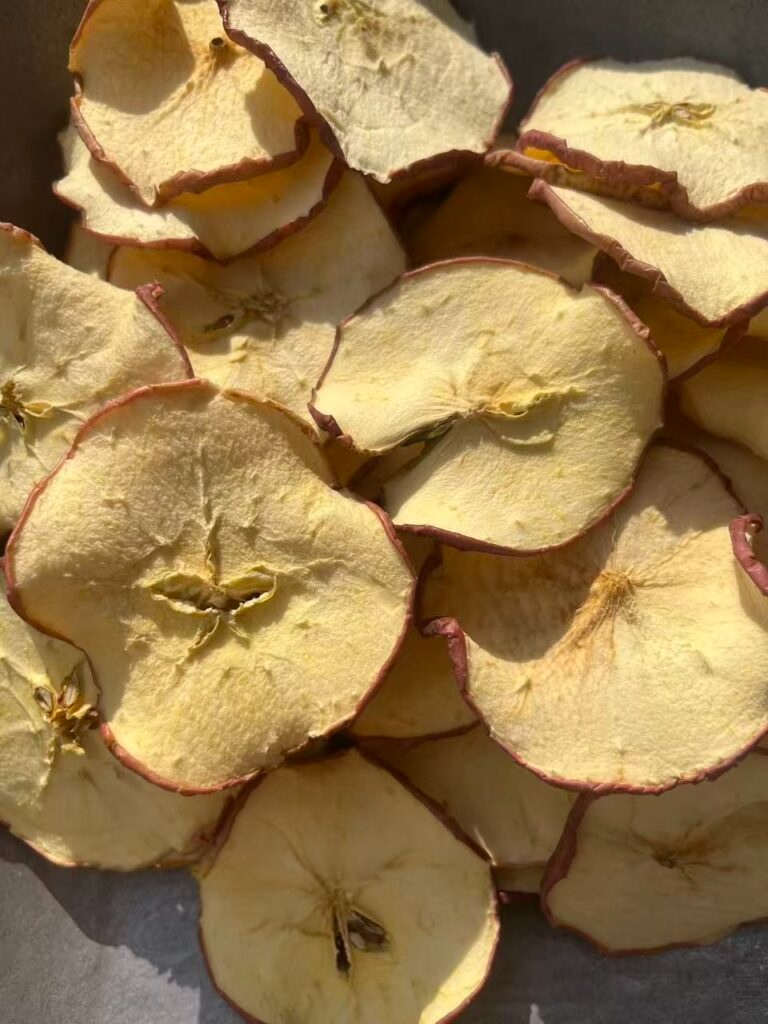 A purchaser does not require fancy words to rate dried apple. The helpful questions stay real.
First, check item traits:
-
Is the cut size consistent?
-
Is the color natural and clean?
-
Does the product have a clear apple aroma?
-
Is the bite suitable for the intended use?
-
Is the moisture level stable enough for storage and transport?
Then check supply sides:
-
Can the supplier support bulk orders?
-
Is packaging matched to the application?
-
Is there inspection before shipment?
-
Are lead time and order handling clear?
-
Can the supplier support OEM or ODM work when needed?
This is where many fruit part buys work or flop. Even a nice-looking dried apple item can cause issues if quality shifts or packing does not fit the end area well.
Bozhou Huirui Chinese Medicine Technology Co., Ltd.
For purchasers seeking dried apple along with wider herbal and dried part supply, Bozhou Huirui Chinese Medicine Technology Co., Ltd. provides a firm business base. Based in Bozhou, Anhui, a key spot for traditional Chinese medicine trade, the firm blends dried part supply with larger know-how in freeze-dried fruit, plant drugs, animal drugs, and mineral drugs.
Its supply links touch sources in places like India, Thailand, Ethiopia, Vietnam, and Nigeria. Sales reach big Chinese cities and export spots in Southeast Asia, Africa, and the Middle East. This setup backs more steady buying and wider trade power. It helps especially for purchasers who prize supply flow and global ship skills.
The firm also backs ODM and OEM teamwork via a full service path. This covers market check, price offer, order care, payment, making, review, packing, moving, and getting. In making, care goes to quality watch through all steps. It uses cleaner ways, saves resources, and cuts energy needs. For customers judging dried apple sellers, these are real strengths, not showy words.
Conclusion
Dried apple keeps as a very helpful part because it fixes true issues in food and tea making. It holds the usual draw of apple. At the same time, it brings longer shelf time, simpler handling, and wide use worth. No matter if the end role is a snack bag, a bakery mix, a morning blend, or a fruit tea set, the proper dried apple item can boost both item steadiness and making speed.
For supply work, the basics do not change. They include the right shape, the right water level, pure flavor, fitting packing, and a seller with steady paths and reliable help. When those are set, dried apple turns into more than kept fruit. It becomes a real part for firm, growing item creation.
FAQs
Is dried apple the same as dehydrated apple?
In most trade and search cases, yes. Dried apple and dehydrated apple point to apple with most water taken out. The real gap is not the name. It lies in the shape, feel, and end role.
What are the main uses of dried apple?
Dried apple sees common use in direct eating, baking, morning cereal, oatmeal, salads, herbal tea, and fruit tea. Its adaptable form makes it good for both store items and large part needs.
How should dried apples be stored?
Dried apples need sealed packing. Keep them from water, straight sun, and high warmth. In large handling, packing steadiness matters most. Humidity can shift feel and cut shelf time.
What is the difference between dried apple and freeze-dried apple?
The key gap is feel. Dried apple tends to be firmer and chewier. Freeze-dried apple is lighter and crunchier. Dried apple often fits tea, bakery, and large part roles better. Freeze-dried apple suits high-end snacks and tops.
What should buyers ask a dried apple supplier before ordering?
The main points cover details, shape size, water level, packing, wait time, order amount, and if OEM or ODM help is open. These touch straight on how dried apple works in the end item.


