



What Is Dried Shan Yao?
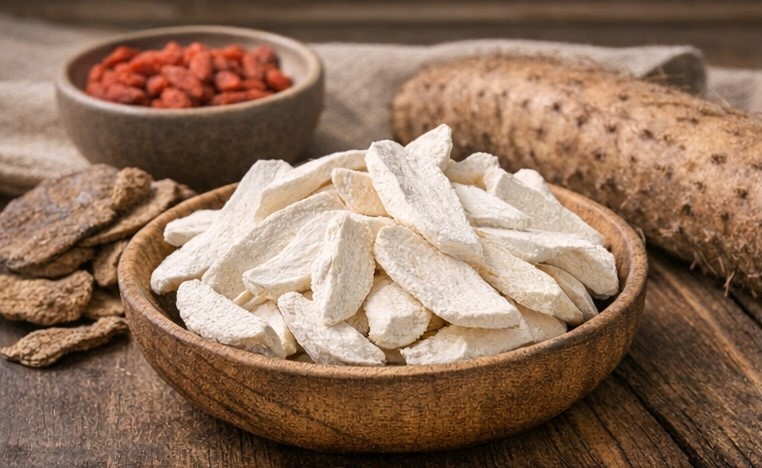 Dried Shan Yao is the dried sliced version of Chinese yam. In the herbal and food ingredient business, people value it for its steady shape, broad applications, and simple storage. Dried Shan Yao slices are lighter than fresh yam. They pack easily. Plus, they suit long-distance shipping well. That is why you see them often in herbal supply chains, soup mixes, and large raw material buys.
In global trade, dried Shan Yao might show up as dried Chinese yam, Chinese yam slices, dried yam slices, or Huai Shan. Names differ by region. Yet, buyers usually seek the same main item: sliced and dried yam for traditional Chinese medicine and food uses. Importers, distributors, and product makers often have basic questions. What is it exactly? How do you use it? What makes quality good? And which supplier handles ongoing orders?
The Basic Identity of Dried Shan Yao
Dried Shan Yao comes from Chinese yam and ties closely to Dioscorea polystachya in the herbal market. It stands between food and traditional herbal roles. This mix creates steady demand in various areas. Companies handle plant medicines, dried herbs, food ingredients, and wellness raw materials.
Common names in the market
Different buyers may search for or request this ingredient under different names. In day-to-day trade communication, the following names are commonly used:
-
dried Shan Yao
-
dried Chinese yam
-
Chinese yam slices
-
dried yam slices
-
Huai Shan
-
Shan Yao herb
These terms often appear in product inquiries, export lists, ingredient catalogs, and herbal retail channels. A buyer looking for Chinese yam slices may be asking for the same material another buyer calls dried Shan Yao.
Why the dried form is preferred
Fresh yam has its place, especially in local food markets. But in commercial purchasing, dried slices are often the more practical option. They take up less space, are easier to store, and fit better into bulk handling. For companies managing inventory across several herbal ingredients, dried Shan Yao is simply easier to work with.
How Dried Shan Yao Is Processed
The value of dried Shan Yao is closely tied to its processing. Once sliced and dried properly, the ingredient becomes far more stable for storage and distribution. That is one reason it remains a standard item in many herbal and food ingredient catalogs.
Before looking at application or sourcing, it helps to look at the product form itself.
From fresh yam to dried slices
The standard steps start with fresh yam roots. Workers clean and prep them. Then, they slice the yam. Next, they dry it into a shape ready for packing, shipping, and future use. In sales listings, dried Shan Yao often looks pale and feels firm. These traits count because they impact storage, looks, and buyer trust.
What buyers usually check first
When a buyer receives a dried herb sample, the first judgment is rarely based on theory. It starts with what can be seen and touched.
| Check Point | What Buyers Usually Notice | Why It Matters |
|---|---|---|
| Color | Light, natural, fairly even | Affects presentation and perceived cleanliness |
| Slice shape | Neat cut, limited breakage | Helps with grading and repeat orders |
| Texture | Dry and crisp | Often linked to storage stability |
| Cleanliness | Low visible impurities | Important for food and herbal use |
| Packing | Well sealed and labeled | Supports transport and traceability |
A batch that looks uneven, dusty, or overly broken may still be usable in some processing contexts, but it is less attractive for buyers who value consistency and presentation.
Traditional Use and Market Value of Dried Shan Yao
Dried Shan Yao has long been used in traditional Chinese medicine and is also familiar in food-related applications. That combination gives it a stable place in the market. It is not treated as a novelty ingredient. It is a known material with broad recognition across different customer groups.
To understand its market value, it helps to look at how it is typically positioned.
Traditional use profile
In traditional Chinese medicine, Shan Yao is commonly associated with the spleen, lungs, and kidneys. It is often regarded as a mild ingredient used in daily nourishment and traditional dietary combinations. This gentle positioning makes it more versatile than many stronger or narrower-use materials.
Because of that, dried Shan Yao is often included in ingredient lines aimed at daily wellness, herbal foods, soup blends, and traditional plant medicine supply.
Why this matters in real trade
An ingredient with broad, familiar use tends to move more steadily through the market. For example, a bulk buyer supplying herbal retailers may prefer ingredients that work across several sales channels. A food ingredient distributor may prefer materials that can be introduced to end users without much explanation. Shan Yao fits that pattern well.
It is also a practical item for mixed purchasing. In many cases, dried Shan Yao is not ordered alone. It is purchased together with other traditional Chinese medicinal materials, tea ingredients, or sliced herbs for combined distribution and export.
Common Uses of Dried Shan Yao
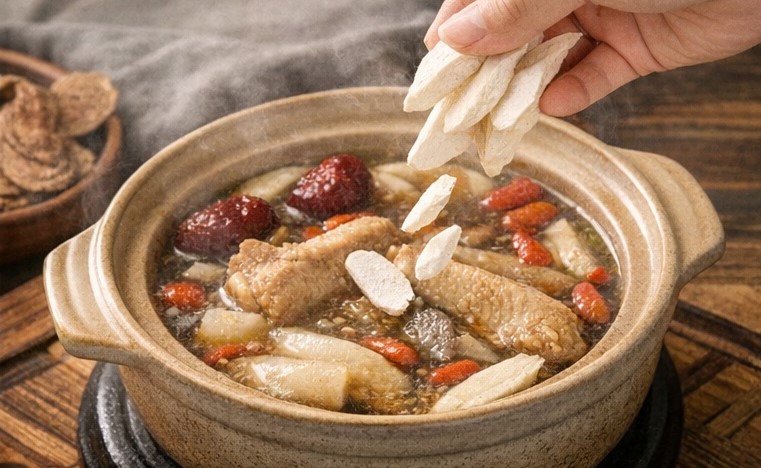 A good ingredient profile should move past definition and into real use. Dried Shan Yao is not only a listing name on a catalog page. It has clear use cases in both consumer and commercial settings.
Before getting into supplier selection, it is worth looking at where this material actually goes.
Used in soups and daily food preparations
One of the most common uses of dried Shan Yao slices is in soups and porridge-style preparations. In this form, the slices are easy to store and easy to portion. This makes them suitable for households, herbal shops, and food ingredient channels that deal in dry goods.
Compared with fresh yam, the dried slice form is more convenient for inventory handling. It also works better in places where shelf stability matters, such as export warehouses, traditional herb stores, and packaged ingredient sales.
Used in herbal raw material supply
For B2B buyers, the use case is often more technical. Dried Shan Yao may be purchased as:
-
a sliced herbal raw material
-
a plant medicine ingredient
-
a soup herb component
-
an item in mixed herb orders
-
a base ingredient for customized processing
This is especially relevant for companies that manage broad traditional Chinese medicine product lines rather than single-item retail sales.
How to Judge Quality Before Purchase
Price always matters, but for dried Shan Yao, quality usually decides whether the first order turns into a long-term relationship. Buyers who work with dried herbs regularly tend to move through a clear checklist.
The first look is visual. The second step is operational.
Visual quality points
A clean, light-colored slice with a dry, crisp feel is generally preferred. Too much breakage, uneven thickness, or visible impurities can reduce confidence, especially for customers selling into appearance-sensitive channels.
Operational questions worth asking
Once the sample passes the visual check, these are the questions that matter most:
| Supplier Question | Why It Matters |
|---|---|
| What is the botanical identity? | Helps avoid confusion between similar trade names |
| What slice specification is available? | Useful for repeat orders and product matching |
| How is quality checked? | Reduces disputes after delivery |
| What packaging options are offered? | Important for transport and resale |
| Can multiple herbs be sourced together? | Saves time for bulk buyers |
| Is custom processing available? | Useful for ODM/OEM or special formats |
These questions are not complicated, but they reveal a lot about a supplier’s real capacity. Some suppliers can provide a price quickly but struggle to explain product details, inspection steps, or consistent supply arrangements.
What Buyers Usually Look for in a Supplier
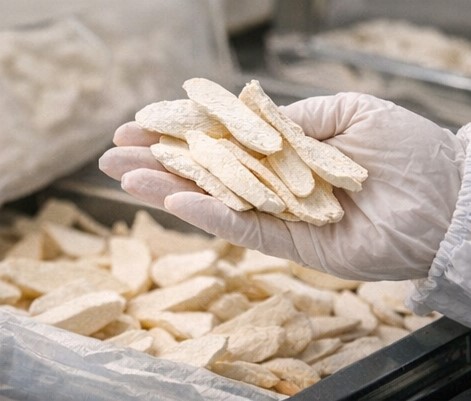
Choosing a dried Shan Yao supplier is not only about the current batch. It is about whether the supplier can continue to support demand as the business grows. This becomes more important when a buyer is sourcing multiple herbs, working across several markets, or building a more complete ingredient line.
A reliable supplier is usually judged by a few practical strengths rather than broad claims.
What supports long-term cooperation
Buyers often prefer suppliers that can offer:
-
stable sourcing channels
-
a broad range of Chinese medicinal materials
-
clear inspection and packing procedures
-
experience with export-oriented orders
-
support for ODM/OEM projects
-
responsive communication during and after order handling
These strengths become especially useful when demand changes quickly or when a buyer needs more than one item in the same shipment.
Bozhou Huirui Chinese Medicine Technology Co., Ltd.
Bozhou Huirui Chinese Medicine Technology Co., Ltd. sits in Bozhou, Anhui. This is a top center for traditional Chinese medicine trade in China. The firm deals in wholesale and retail of Chinese medicinal materials, herbal slices, scented tea, and fine powders. It handles over 2,000 types. This wide stock helps buyers who want one source for many categories, not split deals.
Its supply lines reach key China areas. They also go to overseas spots in Southeast Asia, Africa, and the Middle East. For importers and distributors, this reach brings options. It aids mixed orders and long plans.
Beyond supply itself, the company also provides ODM/OEM support. The workflow covers market-oriented development, quotation, order handling, production, inspection, packaging, transportation, and receipt. For buyers looking for more than standard bulk material, this service depth is often the difference between a simple product inquiry and a workable business relationship.
In the case of dried Shan Yao and similar traditional Chinese medicine ingredients, a supplier with product breadth, process control, and stable channels is usually in a much better position to support repeat purchasing.
Conclusion
Dried Shan Yao is a widely used Chinese yam ingredient with steady value in both herbal and food-related markets. Its sliced and dried form makes it practical for storage, transport, and bulk trade, while its long-standing role in traditional use keeps demand active across different customer groups. For buyers, the main points are straightforward: know the trade names, check slice quality, ask clear sourcing questions, and work with a supplier that can support both current orders and future expansion.
FAQs
What is dried Shan Yao?
Dried Shan Yao is the dried sliced form of Chinese yam. It is commonly used in traditional Chinese medicine, soup ingredients, and dried herbal raw material supply.
Is dried Shan Yao the same as Chinese yam?
In most trade contexts, dried Shan Yao refers to dried Chinese yam slices. It may also appear under names such as Huai Shan, dried yam slices, or Chinese yam slices.
What are dried Shan Yao benefits?
Dried Shan Yao is commonly associated with traditional use related to the spleen, lungs, and kidneys. It is often regarded as a mild ingredient suitable for daily nourishment and traditional food-herb combinations.
How are dried Shan Yao slices used?
Dried Shan Yao slices are often used in soups, porridge, herbal food combinations, and bulk raw material supply. In B2B trade, the dried slice format is also easier to pack, inspect, and transport.
How to choose a dried Shan Yao supplier?
A reliable dried Shan Yao supplier should be able to confirm botanical identity, explain slice specifications, provide clear packaging options, and support steady supply for repeat orders.


