



American vs. Asian Ginseng: Which Fits Your TCM Body Type?
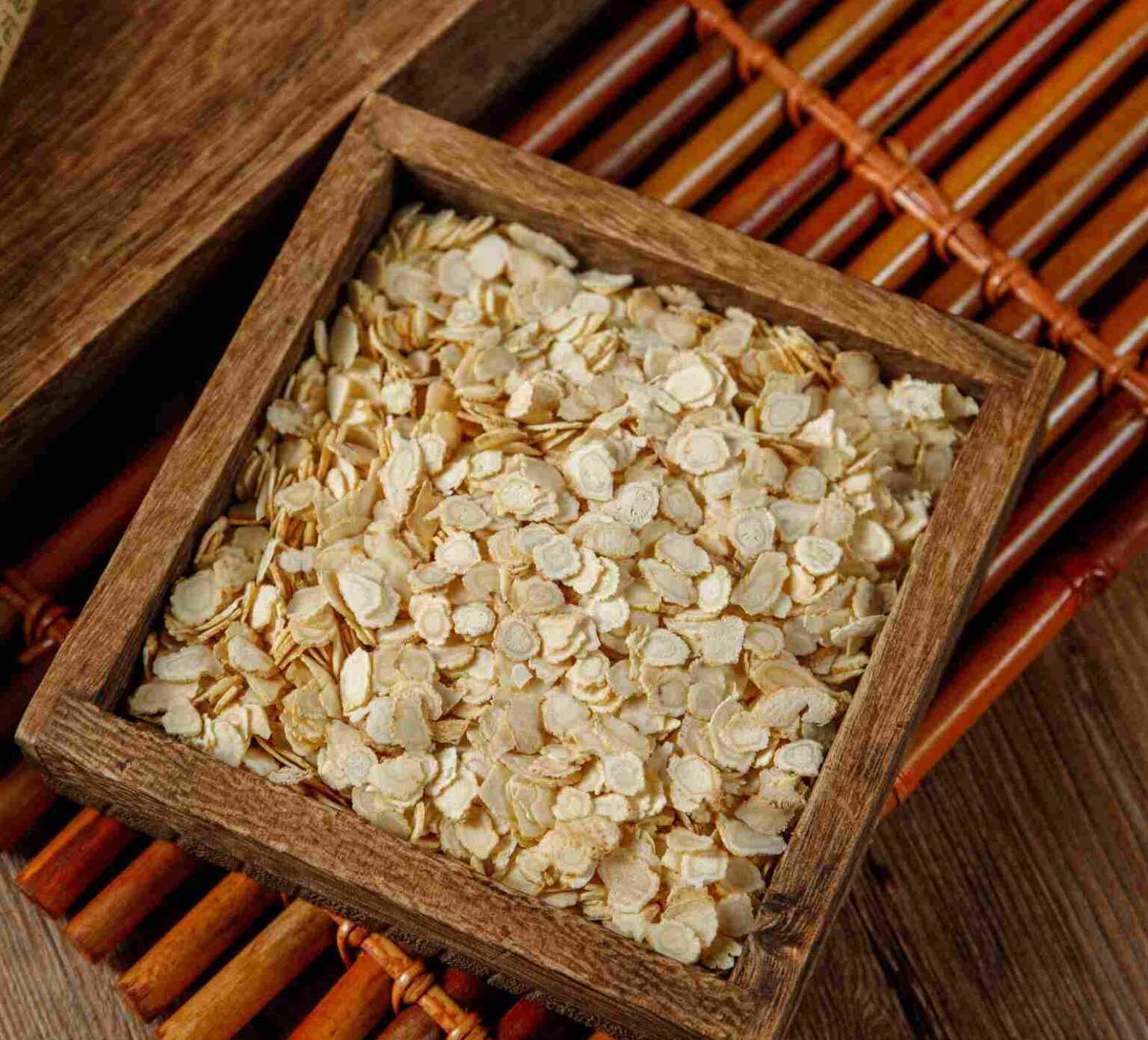
American ginseng and Asian ginseng come from the same plant group. Yet Traditional Chinese Medicine treats them differently. One feels cool and helps both qi and yin. The other feels warm and gives stronger help for low qi.
The right pick depends on the person’s pattern. Someone who feels tired, thirsty, and warm may need one kind. Someone who feels tired, cold, and weak after meals may need the other. Product identity, processing, dose, medicines, and the planned use also matter.
For shoppers, practitioners, and buyers of herbal ingredients, the real question is not “Which ginseng is better?” It is “Which ginseng matches this body pattern and planned use?”
American Ginseng vs. Asian Ginseng: The Short Answer
American ginseng, or Panax quinquefolius, is seen as sweet, a bit bitter, and cool. People link it to restoring qi, feeding yin, making fluids, and easing mild heat from weakness.
Asian ginseng, or Panax ginseng, is seen as sweet, a bit bitter, and warm. It is used more for strong qi lack. This shows up as tiredness with cold feelings, weak digestion, a soft voice, or short breath.
A simple side-by-side look looks like this:
|
Comparison point |
American ginseng |
Asian ginseng |
|
Botanical name |
Panax quinquefolius |
Panax ginseng |
|
Common TCM name |
Xi Yang Shen |
Ren Shen |
|
Traditional nature |
Cool |
Warm |
|
Main traditional focus |
Supports qi and yin; generates fluids |
Strongly supports depleted qi |
|
Often considered when |
Fatigue occurs with dryness, thirst, or heat |
Fatigue occurs with coldness and weakness |
|
Common mismatch |
Cold digestion or frequent loose stools |
Insomnia, flushing, or heat signs |
This table shows a general TCM view. It is not a personal prescription. One symptom alone is rarely enough to pick an herb safely.
Start With the Correct Botanical Identity
The word “ginseng” covers several products in world trade. A common name does not prove the plant type.
American ginseng comes from the dried root of Panax quinquefolius in the Araliaceae family. It is also sold under names such as Xi Yang Shen and Panacis Quinquefolii Radix. The American ginseng product reference gives a clear starting point for checking the material.
Asian ginseng usually means Panax ginseng. After processing it may arrive as fresh, white, or red ginseng. Processing changes its look, storage needs, chemical makeup, and traditional use.
Importers and makers should check identity through every paper:
- Botanical name and author citation
- Plant family and plant part
- Common and traditional trade names
- Country or region of origin
- Processing method
- Physical form
- Batch and testing information
The same botanical name must appear on the quote, specification sheet, sample label, certificate of analysis, packing list, and final product papers. A mismatch at any step can cause testing, labeling, or customs trouble.
Which Body Type May Suit American Ginseng?
In TCM, American ginseng is often chosen when qi lack shows up with yin lack, dryness, or mild heat from weakness. These ideas describe a set of signs. They are not a Western medical diagnosis.
A person in this pattern may notice:
- Tiredness that grows worse in the afternoon
- Dry mouth or throat
- Thirst with a wish for cool drinks
- Warm palms or a sense of inner heat
- Night sweating
- Restlessness even when energy is low
- Hoarseness after long talking
- Discomfort in hot weather
Picture a teacher who talks for six hours a day in an air-conditioned room. By late afternoon the voice turns dry, focus drops, and thirst rises. The person feels drained but not cold. In a TCM talk this picture may point to qi and fluid loss.
American ginseng may match that traditional direction better than a strongly warming tonic. The choice still rests on digestion, sleep, tongue and pulse findings, current medicines, and how long the signs have lasted.
When American ginseng may be a poor fit
Cool does not mean gentle for everyone. Someone who often has loose stools, cold belly discomfort, poor appetite, or cold hands may not handle a cooling herb well.
Stop and check the choice if use is followed by:
- More bloating
- Lower appetite
- Looser bowel movements
- Belly discomfort
- A stronger cold feeling
- Unusual tiredness
These reactions do not prove the product is bad. The herb, dose, or form may simply not suit the person.
Which Body Type May Suit Asian Ginseng?
Asian ginseng has a warmer and more strongly restoring traditional profile. It may be looked at when qi lack comes with coldness, low digestive power, or clear physical weakness.
Common pattern clues include:
- Cold hands and feet
- A pale face
- A weak or quiet voice
- Poor appetite
- Loose stools
- Short breath after light activity
- Low energy in cold weather
- A wish for warm food and drinks
A typical real-life case is an older adult who feels cold indoors, eats small meals because digestion is weak, and grows tired after a short walk. This pattern differs from tiredness with thirst and afternoon heat.
Asian ginseng may match the traditional pattern more closely. Yet “warmer” does not mean right for every older person. Blood pressure, sleep quality, prescription medicines, and the reason for the tiredness must be checked.
When Asian ginseng may feel too warming
Some individuals will show symptoms such as restlessness, facial heat, headaches, insomnia, and palpitations after taking a highly potent ginseng supplement. Some of the reasons for these reactions could be due to a high dose, nighttime intake, stimulating interactions, or simply because the body does not agree with the supplement.
Individuals who suffer from insomnia, flushing, dry mouth, and overheating problems must exercise caution while using Asian ginseng.
Does Processing Change Asian Ginseng?
Processing can affect both commercial details and the way an ingredient is described in traditional practice.
White ginseng is usually cleaned and dried without the steaming step used for red ginseng. Red ginseng is steamed before drying. This changes its color and chemical makeup. It is often seen as warmer and more stimulating.
A buyer should therefore avoid treating “Asian ginseng” as a full description. The request should state whether the needed material is whole root, slices, powder, white ginseng, red ginseng, or extract.
The broader Huirui product catalog shows why exact naming is important when comparing different plant materials and processed forms. Each form may need different checks for particle size, moisture, microbial limits, packaging, and storage.
How to Choose Between the Two in Daily Situations
Body type is only one part of the decision. The immediate situation also changes the answer.
Fatigue after long hours of speaking
Dry throat, thirst, and afternoon warmth point more toward the traditional profile of American ginseng. Hydration, working conditions, and voice strain should also be handled.
Fatigue with weak digestion
Cold limbs, lower appetite, belly discomfort after cold food, and loose stools fit the warmer profile of Asian ginseng more closely. A cooling tonic may make digestion feel worse.
Tired but unable to sleep
Neither herb should be picked automatically. Caffeine use, work schedules, anxiety, sleep apnea, and medicine effects can all cause daytime tiredness with nighttime wakefulness. Asian ginseng may further disturb sleep in a sensitive person.
Fatigue during illness or recovery
Ongoing weakness needs clinical checking. An herbal tonic should not be used to hide fever, chest discomfort, unexplained weight loss, short breath, or ongoing digestive problems.
Quality Checks for American and Asian Ginseng
Two roots can share the correct common name and still differ a lot in quality. Professional buying should cover identity, physical condition, contaminants, storage, and papers.
|
Quality point |
What to request |
Why it matters |
|
Identity |
Botanical name and authentication method |
Helps prevent substitution |
|
Appearance |
Batch photos or approved sample |
Reveals color, breakage, mold, and foreign matter |
|
Moisture |
Batch test result |
High moisture raises storage risk |
|
Contaminants |
Heavy metal, pesticide, and microbial testing as required |
Supports destination-market compliance |
|
Processing |
Whole, sliced, powdered, steamed, or extracted |
Affects application and testing |
|
Packaging |
Inner liner, outer carton or bag, net weight |
Protects the material during transport |
|
Traceability |
Batch number and origin records |
Connects the shipment to its documents |
Powder needs extra care because visual checks become hard after milling. Makers may need stronger identity testing, controlled mesh size, microbial limits, and a kept reference sample.
The plant medicines category also shows the range of dried herbal materials handled in world supply. Each species needs its own specification rather than a generic “herbal quality” standard.
Safety and Responsible Use
Traditional ranking helps explain how an herb has been used. It does not replace medical screening.
American and Asian ginseng may affect people in different ways. Possible concerns include sleep trouble, digestive discomfort, headache, changes in blood sugar, and interactions with medicines.
Professional advice is important for people who:
- Take blood sugar medicine
- Use anticoagulants or antiplatelet medicine
- Have an autoimmune disorder
- Have uncontrolled high blood pressure
- Experience palpitations or severe insomnia
- Are pregnant or breastfeeding
- Are preparing for surgery
- Are buying an herbal product for a child
Labels and articles should avoid claims that ginseng cures diabetes, heart disease, cancer, or another medical condition. In commercial writing, phrases such as “traditionally used for” clearly separate historical use from an approved medical claim.
Working With Bozhou Huirui Chinese Medicine Technology Co., Ltd.
Bozhou Huirui Chinese Medicine Technology Co., Ltd. is a traditional Chinese medicine supplier based in Bozhou, Anhui. This city is a major Chinese herbal-material trading center. The company supplies plant medicines and other botanical raw materials for importers, distributors, makers, and brand owners.
For American ginseng questions, buyers can begin with the company’s published product information. Then they can request the papers needed for their market and use. These may include current batch photos, specifications, available forms, origin information, packaging options, test reports, and sample arrangements.
The CHINA HUIRUI BOTANICALS website gives an overview of the company and its ingredient groups. Buyers should confirm all order-specific needs in the quotation and approved specification before purchase.
Conclusion
American and Asian ginseng belong to the same genus. Their properties according to traditional understanding are different.
American ginseng is usually seen as a cool herb. Asian ginseng is usually seen as a warm one. American ginseng is used for tiredness linked with thirst, dryness, or mild heat from weakness. Asian ginseng is linked with qi lack that comes with coldness, poor digestion, and low vitality.
For the commercial buyer, botanical identity, preparation, testing, packaging, and tracing are also very important. Clear specification protects the buyer and its customers.
FAQs
Is American ginseng cooler than Asian ginseng in TCM?
Yes. American ginseng is traditionally ranked as cool. Asian ginseng is generally ranked as warm. American ginseng is more often considered when qi lack occurs with dryness or mild heat from weakness. Asian ginseng may better fit qi lack with coldness.
Can an individual with a hot constitution consume Asian ginseng?
An individual suffering from frequent flushing, thirst, dry mouth, agitation, or insomnia needs to be careful about consuming warming Asian ginseng. A professional will be able to determine whether the symptoms point to a heat constitution or something else.
Is American ginseng good for every case of exhaustion?
No. Exhaustion can have multiple reasons. The use of American ginseng is not ideal for an individual suffering from cold digestion or loose stools.
What should bulk American ginseng buyers check?
Buyers should confirm botanical identity, plant part, origin, processing form, moisture, appearance, contaminant testing, packaging, batch tracing, and destination-market needs.


