



Anthocyanins and DNJ: Key Active Compounds in Mulberry Fruit Powder
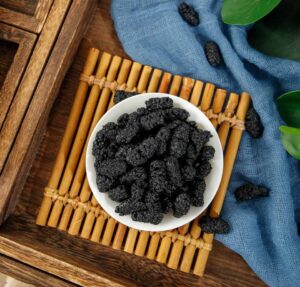
Alt:Anthocyanins and DNJ Key Active Compounds in Mulberry Fruit Powder
Mulberry fruit powder draws more notice these days in health food, supplement, and drink markets around the world. It comes from the fruit of Morus alba L., also called Mori Fructus. People value this plant material because it holds many polyphenols, flavonoids, anthocyanins, and other helpful compounds.
Anthocyanins stand out among the parts in mulberry. Researchers look at them closely since they act as natural color agents and help fight damage from free radicals. DNJ, or 1-Deoxynojirimycin, is another well-known substance linked to mulberry plants. It also gets a lot of study as a plant compound.
Makers who create nutraceutical items, functional foods, and plant-based mixes need to know the active parts in mulberry fruit powder. This knowledge helps them pick the right raw materials and build strong products.
What Is Mulberry Fruit Powder?
Mulberry fruit powder starts from carefully handled mulberry fruits. The process keeps their natural nutrients, color, and special plant compounds intact. Mori Fructus has a long history as a traditional plant material. People used it for hundreds of years. Now it serves as a modern plant ingredient too.
Good mulberry fruit powder often comes from drying and grinding steps that protect the fruit’s natural traits. Makers may choose different methods based on what they need. Low-temperature drying is one option. It helps keep compounds that heat can harm.
Mulberry fruit powder shows up in many places:
Dietary supplement formulations
Functional food products
Fruit-based beverages
Nutritional blends
Natural coloring applications
Shoppers now want clean-label ingredients more than ever. This trend has boosted interest in natural fruit powders. These powders offer both health benefits and a plant-based look.
Botanical Characteristics of Mori Fructus
Mori Fructus is the name for the dried fruit of Morus alba L. This fruit naturally holds many plant compounds, such as:
|
Active component |
Main characteristics |
|---|---|
|
Anthocyanins |
Natural pigments that give a purple-red shade |
|
Polyphenols |
Plant elements with antioxidant traits |
|
Flavonoids |
Key secondary metabolites found in vegetation |
|
Organic acids |
Natural acids that define the fruit’s profile |
|
Dietary fiber |
A natural part of the fruit’s structure |
The exact makeup of the fruit can change. It depends on how it was grown, how ripe it was when picked, and the way it was processed.
Anthocyanins in Mulberry Fruit: The Main Antioxidant Compounds
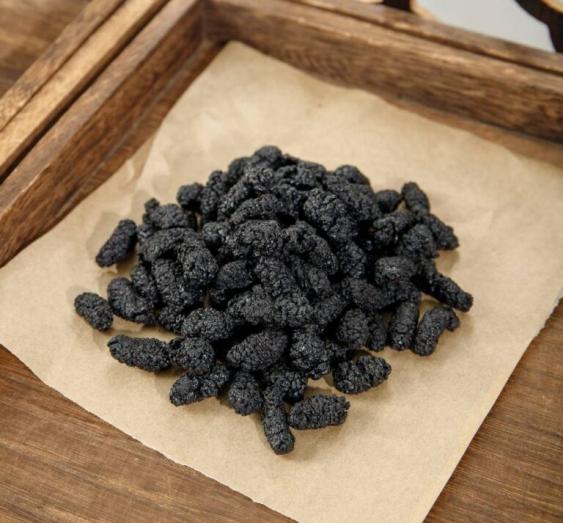
Alt:Mulberry Fruit
Anthocyanins are water-soluble pigments and part of the flavonoid group. Anthocyanins are present in many dark fruits. Such pigments form those dark colors which we observe in berries and other plants.
Mulberries are considered a fruit containing a lot of anthocyanins. This is explained by the fact that mulberries contain anthocyanins from cyanidin.
Cyanidin-3-Glucoside and Cyanidin-Based Compounds
The common anthocyanin found in the fruit is cyanidin-3-glucoside (C3G). The said compound is what gives the fruit its color. Researchers usually test the presence of C3G to measure the quality of the anthocyanin contents of plants.
Furthermore, there are other variants such as cyanidin-3-rutinoside (C3R) found in the fruit.
Suppliers and brands often use the level of anthocyanins as a benchmark. It helps them decide which mulberry extract powder or mulberry fruit powder is best for their business needs.
Several things can change the amount of anthocyanins, such as:
The fruit type
The farm environment
The time of harvest
The heat used for drying
The way it is stored
Good processing and strict quality checks are vital. They ensure that the natural traits of the anthocyanin-rich powder stay strong over time.
DNJ in Mulberry: Understanding This Important Plant Compound
DNJ is the short name for 1-Deoxynojirimycin. This is a natural iminosugar that researchers have looked at closely in the study of mulberry plants.
Most people link DNJ with mulberry leaves. However, it is still one of the primary bioactive compounds that experts study across the entire Morus plant group.
If you are talking about ingredients made from mulberry, you must know the difference between the fruit powder and leaf extracts. The nutrients in each part depend on which part of the plant you use and how you extract them.
Researching DNJ and other natural elements helps the growth of mulberry-based items for:
Botanical studies
Functional health products
Plant-based recipes
Natural ingredient creation
Knowing the exact source and compound profile is helpful. It allows manufacturers to pick the perfect ingredient for their specific goals.
Other Bioactive Compounds Found in Mulberry Fruit Powder
Mulberry fruit powder has more than just anthocyanins. It also contains many other natural plant compounds.
These different parts work together to define mulberry as a unique botanical ingredient.
Notable compounds include:
Polyphenols
You can find polyphenols in many fruits, vegetables, and herbs. In mulberry, these compounds boost the fruit’s natural antioxidant power. They are a common focus in botanical research projects.
Flavonoids
Flavonoids are a huge group of secondary plant metabolites. Because they are in so many healthy plant foods, scientists study them very often.
Natural Fruit Nutrients
The fruit also offers basic nutrients. These make it a great fit for nutritional mixes and healthy food items.
The mix of vibrant color, pleasant taste, and varied plant compounds makes mulberry fruit powder a top choice for brands wanting natural botanical ingredients.
Applications of Mulberry Fruit Powder in Modern Products
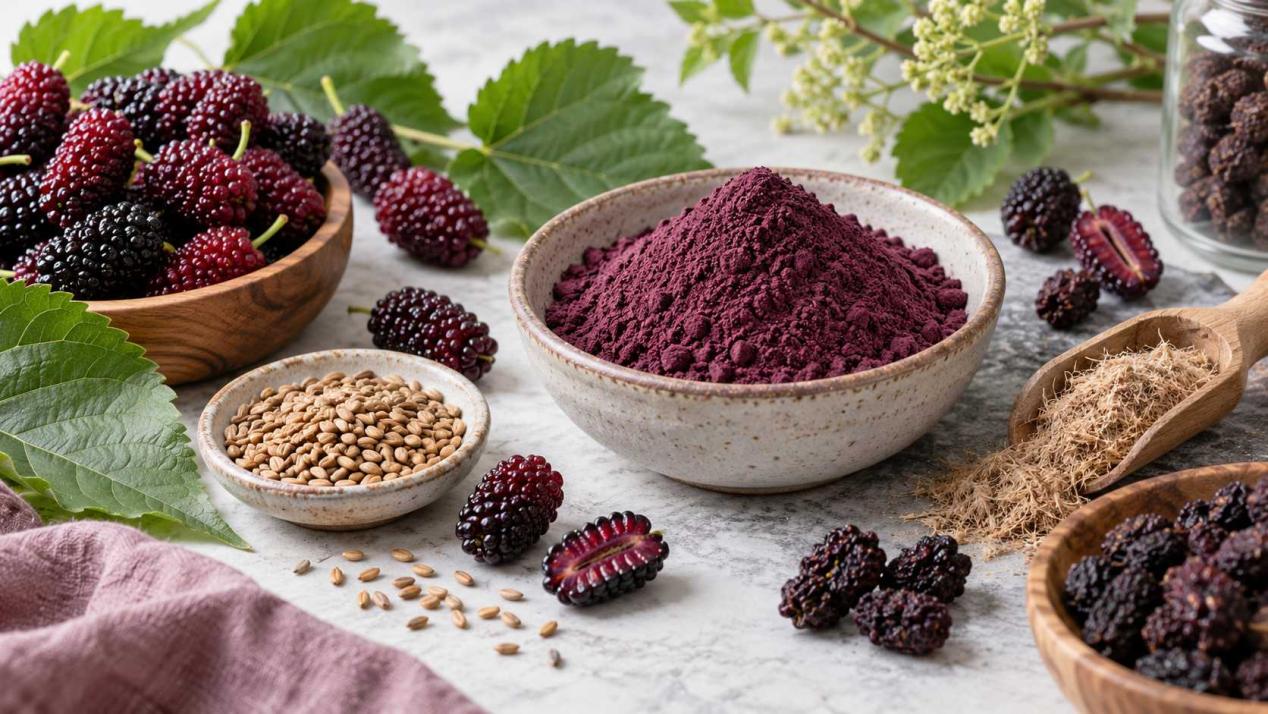
Alt:Mulberry Fruit Powder
Since more people want natural things, companies use mulberry fruit powder in many ways.
Dietary Supplements
You can put this powder into capsules or tablets. It also works in powder blends. Brands choose their botanical powders by looking at the active compound levels and how stable the supply is.
Functional Foods and Beverages
This powder is perfect for things like:
Smoothie mixes
Healthy drinks
Fruit combinations
Health food recipes
The natural shade and fruit flavor add value to any clean-label product development project.
Cosmetic and Beauty Formulations
Plant ingredients with natural antioxidants are popular in beauty products too. Some skincare concepts use mulberry-based items as a core part of their formula.
Choosing a Reliable Mulberry Fruit Powder Supplier
Finding the right partner for your powder needs takes more than just looking at the price tag.
Key things to think about include:
|
Evaluation factor |
Why it matters |
|---|---|
|
Raw material sourcing |
Ensures the ingredient stays consistent |
|
Processing technology |
Helps keep the active compounds safe |
|
Quality testing |
Proves the product is safe and works well |
|
Custom service |
Allows for specific recipe needs |
Expert botanical firms usually share paperwork like specs and lab results. They also give details on how they process their goods.
For firms making supplements or health foods, teaming up with a veteran supplier is smart. It leads to a steady supply and faster product launches.
About Bozhou Huirui Chinese Medicine Technology Co., Ltd.
Bozhou Huirui Chinese Medicine Technology Co., Ltd. is an herbal product supplier dealing in Traditional Chinese medicine. The company specializes in plant products and herbal remedies. Our head office is situated in the Bozhou City, which is known for its herbal medicine heritage. The company’s goal is to supply our clients with premium quality herbs.
The firm offers many botanical goods, such as plant medicines and herbal extracts. We also provide unique ingredient mixes. By combining old-school herb knowledge with modern factory standards, Huirui Herbs helps clients in the supplement and functional food sectors.
We use strict quality control and professional sourcing. With our OEM services, we partner with businesses that need a trustworthy botanical supply and custom plant-based options.
Conclusion
Powder of mulberry fruits is a useful ingredient from nature. It includes anthocyanins, polyphenols, and flavonoids. Cyanidin-3-glucoside and other anthocyanins are important compounds to assess the quality of fruit. At the same time, DNJ plays a crucial role in the study of the entire family of mulberry plants.
In search of natural antioxidants and botanic ingredients, there are a lot of opportunities for developing various products using such powder.
A professional supplier with high-quality control will help your company create outstanding plant-based products.
FAQs
What are the most valuable active components of mulberry fruit powder?
Among the key ingredients analyzed in this powder, one should mention anthocyanins, polyphenols, and flavonoids. It is anthocyanins from cyanidin that impart both color and antioxidant properties to the fruit.
What is DNJ in mulberry?
DNJ stands for 1-Deoxynojirimycin. It is a natural compound found in mulberry plants. It is usually concentrated in the leaves, but it is the key topic when researching the Morus genus.
How can businesses choose a quality mulberry fruit powder supplier?
Look at how they source materials and their drying methods. Check their lab tests and if they can customize orders. A good supplier offers steady quality and helps you with your product development goals.


