



Where to Purchase Good-Quality Chinese Herbs for Business
A good-looking sample leaves a business buyer with several unanswered questions. For Chinese herbs online, we would ask for the offered lot number alongside the product description. We suggest approaching a specialist bulk source with those questions while the order is still open for discussion. You need that answer to judge the price.
Where a business should look for Chinese herbs
For bulk ingredients, we suggest making enquiries with businesses whose trade is importing or exporting herbs. When contacting traditional chinese medicine suppliers, send the ingredient description with your first enquiry. It gives the conversation a specific starting point. A catalogue is useful for finding a material. It does not, by itself, establish the quality of an available batch.
Our business at CHINA HUIRUI BOTANICALS is supplying Chinese herbs and botanical ingredients for import, distribution and manufacturing, including purchases by brand owners. Roots, dried flowers and spices are all part of our range. Include the destination and the product you intend to make. That distinction helps define the questions your quality team needs answered.
There is no need to settle every detail on the website. Use the enquiry to establish who will invoice the order. Ask for a contact who can take your quality team through questions about the lot before you buy. Pass the written description from purchasing to the laboratory, rather than asking staff to reconstruct the agreement.
The material description comes before the price
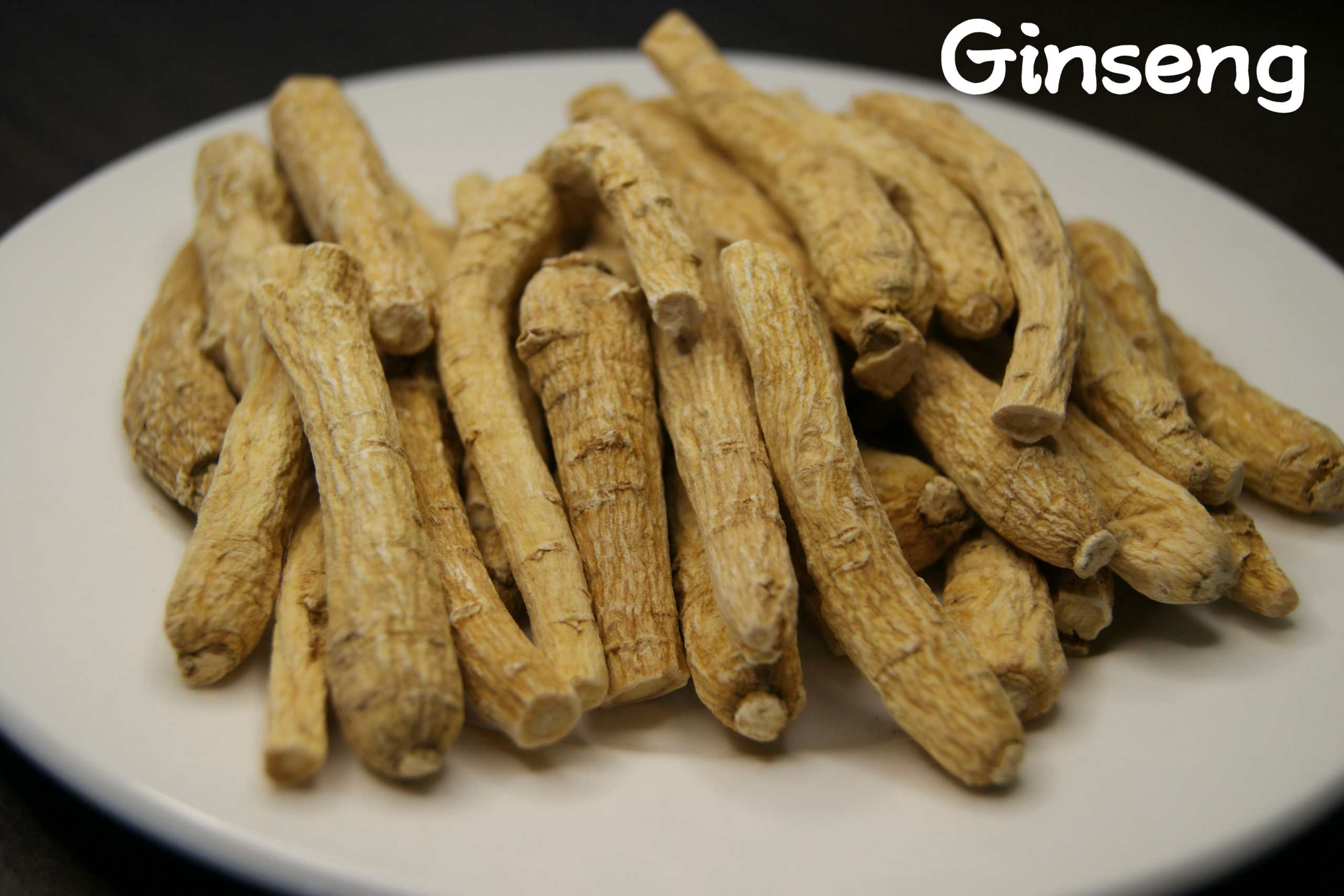
What does the name on the offer identify? We recommend writing the botanical species beside the plant part, with the supplied form on the same specification. An enquiry about traditional chinese herbs could concern dried rhizomes or flower buds, or a root already milled to powder. That range of possibilities needs narrowing down in the order.
Dried ginger provides a useful example. Ginger is supplied here as a dried rhizome; calling every underground part a root loses a botanical distinction. Rose material in our product range is described as dried flower buds. Carry that level of description onto the sample label. Your team then has a name and a plant part to check against the purchase specification.
Processing needs its own description. Once a material is cut or milled, some of the original visible features are lost. Agree a measurement for the cut or powder grade if that feature matters to your process. Fine powder is a poor endpoint for a discussion if your equipment needs a specified powder grade.
A batch report needs a traceable sample
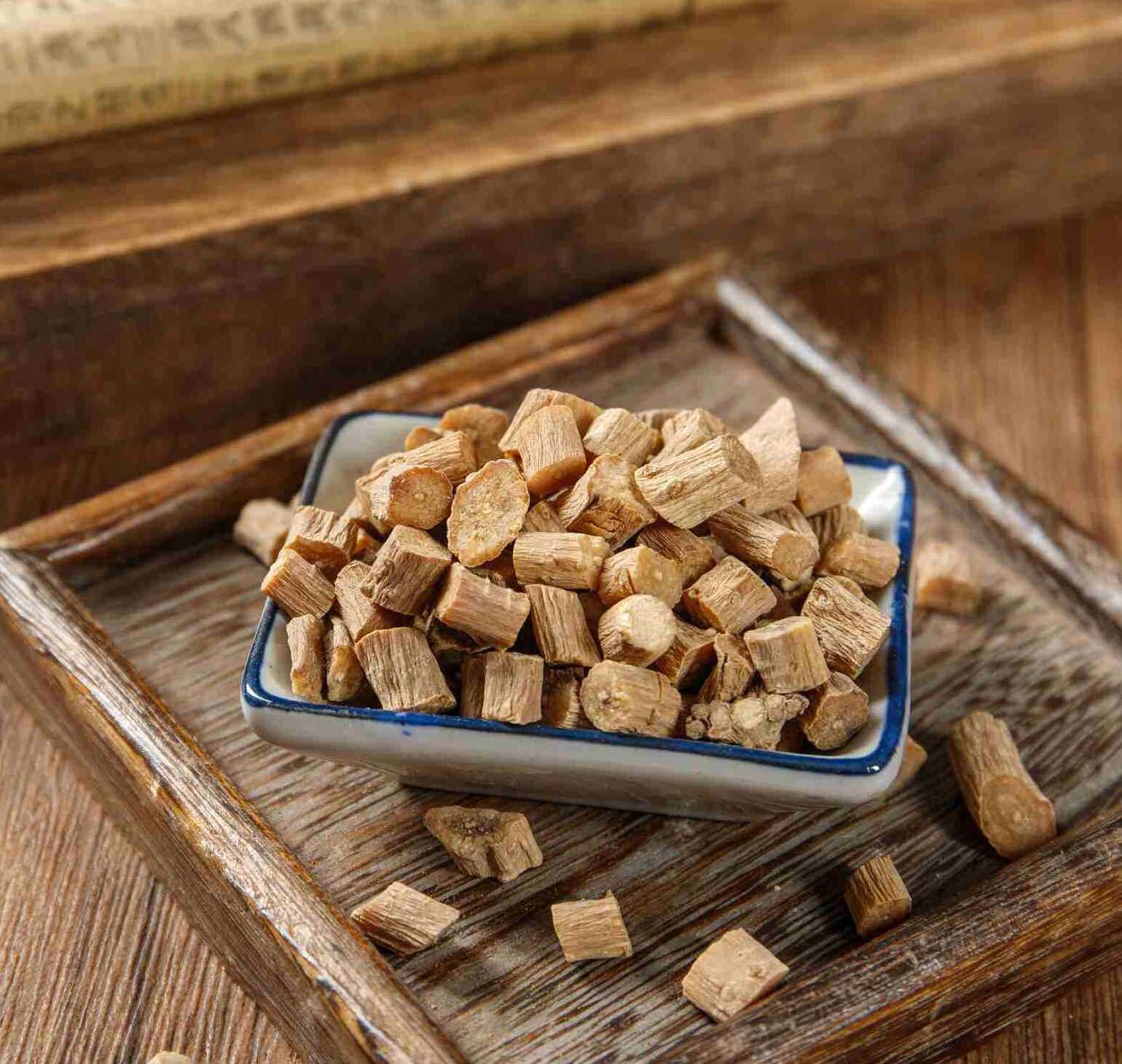
Read the certificate of analysis with the offer beside it. Look for the same lot number on the report, sample label and shipment information. Ask for the method and acceptance limit beside each relevant result. A statement that a sample passed tells you less than a report you can compare with your own specification.
Quality questions fall into separate groups. Knowing the plant identity leaves contamination questions open. Good appearance leaves laboratory questions open too. WHO quality-control methods for medicinal plant materials address identity, foreign matter and water content as distinct examinations. Your quality team should choose appropriate methods and limits for the material, application and destination.
|
Question |
Evidence to request |
What it helps you decide |
|---|---|---|
|
Is this the specified herb? |
Identity examination and botanical description |
Whether the sample matches the intended material |
|
Does the lot meet agreed limits? |
Relevant test results with methods and limits |
Whether the tested sample meets your specification |
|
Does the report belong to this offer? |
Matching lot identification |
Whether the documents relate to the offered material |
Identity evidence raises a separate question if your business manufactures dietary supplements in the US. Under 21 CFR 111.75(a)(1), verifying a dietary ingredient requires at least one appropriate identity test or examination unless FDA has approved an exemption petition.
Check that responsibility before deciding what reliance to place on a report supplied with the ingredient. The provision applies in this US manufacturing setting. It should not be extended to every purchase of herbs worldwide.
Samples should answer a production question
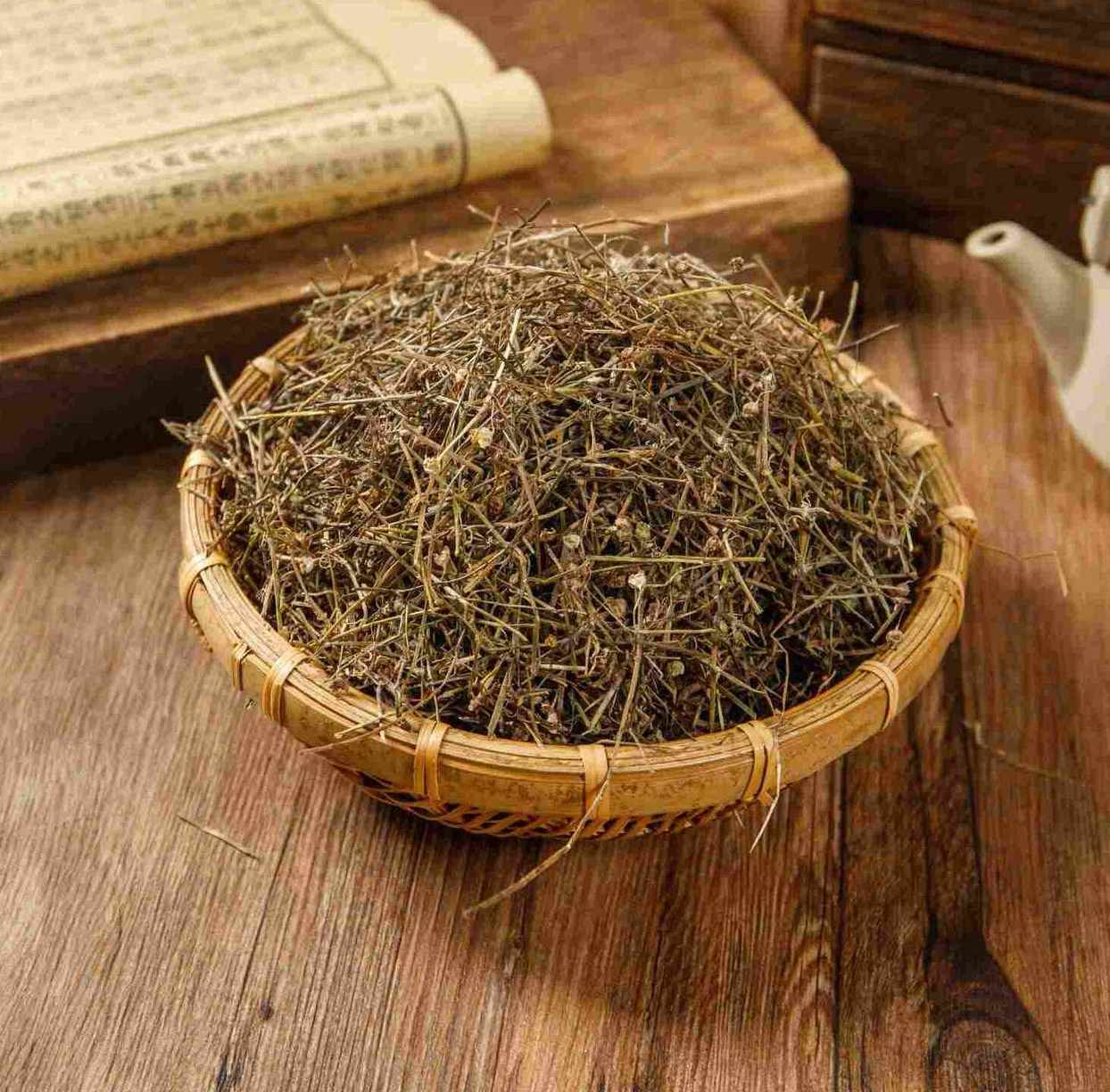
Give the sample a job in your assessment. With chinese herbs and spices, you might need to inspect a cut, confirm the supplied part or try the material in your process. Write its identification on the trial record. A different identification on the delivery then becomes a question to resolve against that record.
Here is a simple purchasing example. Your process needs ginger slices. The offer merely says dried ginger, leaving open what form will arrive. You cannot yet compare it fairly with a price that explicitly covers slices.
Record the sample assessment against that description, then confirm whether the bulk supply will follow the same agreed specification. This is an illustrative purchasing situation, not a reported customer case.
Receiving checks complete the comparison. At arrival, check the labels and paperwork against the order. Examine the packaging and use the sampling and release procedure set by your quality team. An unexplained change in the label or material needs a quality decision before release. Keep the assessed sample information available at receipt, where your team can use it to investigate a difference.
Purchase against an agreed description
We would choose a place to purchase Chinese herbs by how clearly an enquiry progresses from a product name to a specific material offer. Agree the material identity and form, connect results to the offered lot, and decide how your business will assess receipt. Your team can then compare offers on the same basis and explain why a delivery is accepted or held.
For a bulk enquiry, send us the botanical material, required form, quantity and destination market. We can discuss the relevant supply options and the documentation your team needs to review.
FAQ
Can a photograph confirm herb quality?
Use a photograph to discuss visible features of the sample in the picture. It leaves laboratory results and the connection to the offered lot to be checked separately.
Is the darkest ginger always the best?
Do not make colour the purchasing grade. Assess ginger against its agreed identity, processing description and quality specification rather than choosing by colour preference.
What should an enquiry include beyond the herb name?
Include the required plant part and form, intended application, quantity and destination. Add your specification if available so the quotation addresses a defined requirement.
Does every herb need the same test panel?
No. Relevant examinations depend on the botanical material, processing, intended use and applicable requirements. Read a proposed panel against those needs before treating the list as complete.
Can a repeat order use an older report?
An older report documents its identified sample. Request evidence for the current offer. Your acceptance procedure determines which records your team needs.


