



Buying Spices in Bulk: A Guide for B2B Buyers
A quotation for ginger has reached your desk. Your line uses powder. Does the offer cover powder, or will the order arrive as whole rhizomes? Before we price an enquiry to buy spices in bulk, that detail needs an answer. Otherwise you may be paying for an ingredient you still have to grind. The price matters after both sides understand that agreement.
The purchase specification defines the spice
Ginger is a useful example of an incomplete description. Our dried ginger comes from the rhizome and has a pungent aroma. But does your line need pieces or powder?
For a powder order, specify powder and trial powder. Holding a whole rhizome tells you very little about what will happen inside the dosing equipment.
For our star anise, the relevant description is dried mature fruit of Illicium verum. Put the agreed identity and plant part into the specification. Descriptions such as “premium spice” offer little help when a delivery differs from the sample.
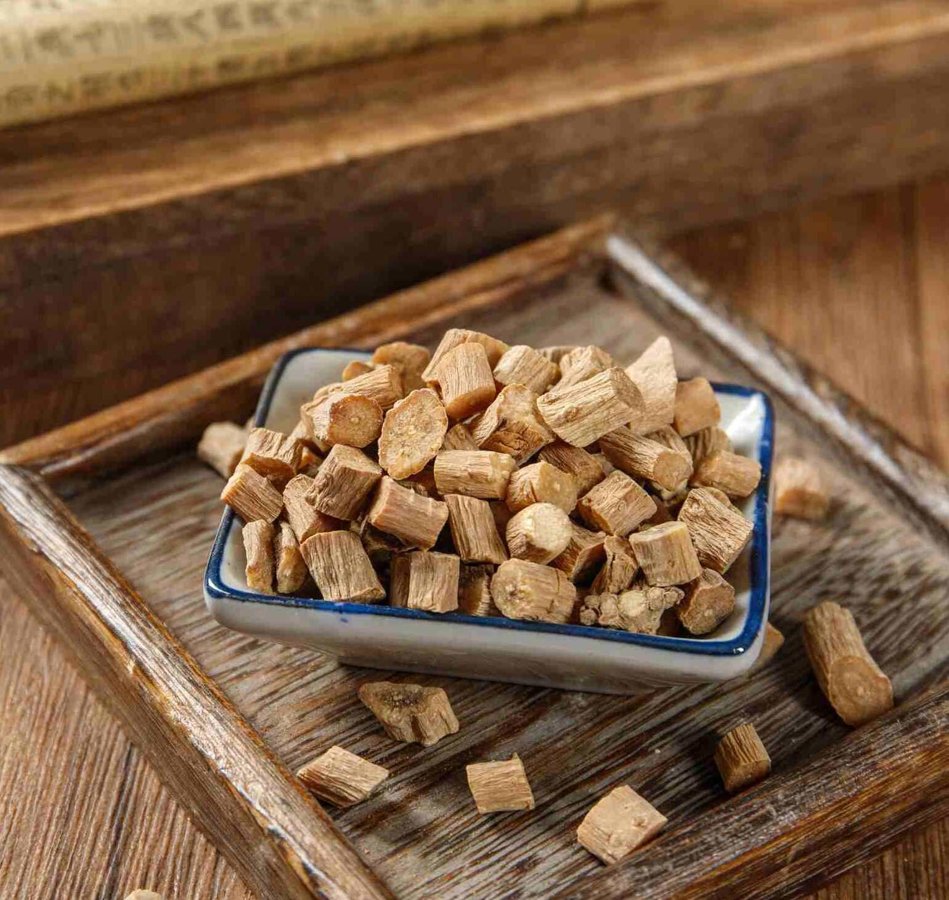
An enquiry that includes traditional chinese herbs needs a use and a destination for each line item. Will you sell it as food, a supplement ingredient or a medicinal material? A catalogue heading cannot answer whether that use is permitted in your market.

Samples answer questions that photographs cannot
The sample has a job to do. For blending, put it through the recipe you plan to sell, using your usual dose. For repacking, look at the pieces that will be visible through your own pack.
Record defects you would reject at receipt. Record the sample reference and the observations that led to approval.
A photograph can establish appearance only within limits. Warehouse lighting and a product photograph rarely offer identical viewing conditions. Nor can you see the contents of a sack from one close view. Ask us what the sample represents. It may be a grade reference rather than a portion taken from the offered lot.
Two powders need the same trial conditions. If you change the cooking time for one powder, the resulting flavour difference has two possible explanations. Keep the preparation and weighing method the same. Save some of the approved sample too, so your team has something physical to compare at receipt.
Food safety needs its own acceptance criteria
A spice can smell right and still require investigation for microbial hazards. FDA has examined pathogens and filth in spices. WHO’s expert work also covers microbiological hazards in spices and dried aromatic herbs.
Your quality team needs suitable evidence for the intended use, including the relevant Salmonella criteria.
Tell your quality team where the spice enters the process. If your team adds it after cooking, that cooking step cannot address hazards introduced with the spice. Discuss the relevant hazards, any treatment and protection from contamination after treatment. Do not infer a treatment history from the word “dried”.
A test report needs a connection to the goods. Read the lot reference first. Does it match the goods under discussion? Then compare the identity, sampling date, test method and result with your agreed criteria. Your quality team must decide what remains unanswered before you commit money to the order.
Order size must fit consumption and storage
The minimum order is a commercial threshold, not a recommendation for your stock level. We accept orders from 500 kg and allow two products to make up that total. You still need a use for both. Buying a second slow-moving spice just to reach the threshold ties up more cash.
An illustrative stock calculation makes the issue visible. Take an illustrative order of 500 kg against monthly use of 50 kg: you have bought ten months of demand. That assumes no losses and no change in consumption.
Now check the remaining shelf life and the storage instructions. Ten months of demand is not evidence for ten months of acceptable storage.
An opened sack creates a handling question. Will production empty it during a run, or will your team reopen and reseal it over many smaller runs? We need to agree the pack arrangement while quoting. At your end, decide how opened packs will retain their lot identity without getting mixed into earlier deliveries.
Comparable quotations need the same scope
Your search for where to buy spices in bulk should produce offers you can compare. Use our herbs and spices catalogue to discuss availability, then send the same purchase description with each enquiry. Put the required form and pack arrangement beside the quantity. Specify the delivery scope as well.
The supplier role affects the quoted price
A manufacturer of spices may offer a different commercial scope from a distributor holding local stock. Our Huirui business supplies and exports botanical ingredients from Bozhou. Put the supplying business and the included services beside each quoted figure. A lower product figure can leave freight or destination handling outside the offer.
We offer FOB and CIF quotation options. Ask us to name the port and itemise the included charges. An FOB figure and a CIF figure cover different scopes.
Attach the specification to either offer. Keep it there through later price negotiations, when a changed grade or packing arrangement might otherwise go unnoticed.
Arrival closes the purchasing decision
Receipt is the point to compare the delivered lot with the agreement. Match pack labels and quantities to the paperwork, inspect for visible damage and follow the quality release procedure established before purchase. Keep goods awaiting a decision identifiable. Mixing a questioned delivery into existing stock makes any later investigation harder.
A sound bulk order fits your recipe, approval criteria and consumption rate. Set those conditions before negotiating the final quantity. Your buyer can then make a decision against conditions already agreed with production and quality.
FAQ
Is whole spice always preferable to powder?
No. Whole spice suits some visual and processing needs. Powder may suit direct blending. Specify the form your operation can use and assess a sample of that form.
Can a mixed order reduce excess stock?
Yes, when your business needs both ingredients. Work out months of stock separately for each. A combined order weight hides how quickly one item may run out.
Does a sample approval guarantee the shipment?
Approval records what your team accepted in that sample. You still need to check the delivered lot against the identity and specification you agreed.
Is the lowest price per kilogram the best offer?
Only a comparison with equal product and delivery scope can answer that. Include relevant freight, handling and any processing your business must arrange after receipt.
What should accompany a first enquiry?
Send the product identity, required form, quantity, intended use and destination. Add your acceptance criteria and packing needs so the response can address the purchase you actually plan.


