



Trichosanthes Peel vs Root: Differences, Uses and Applications
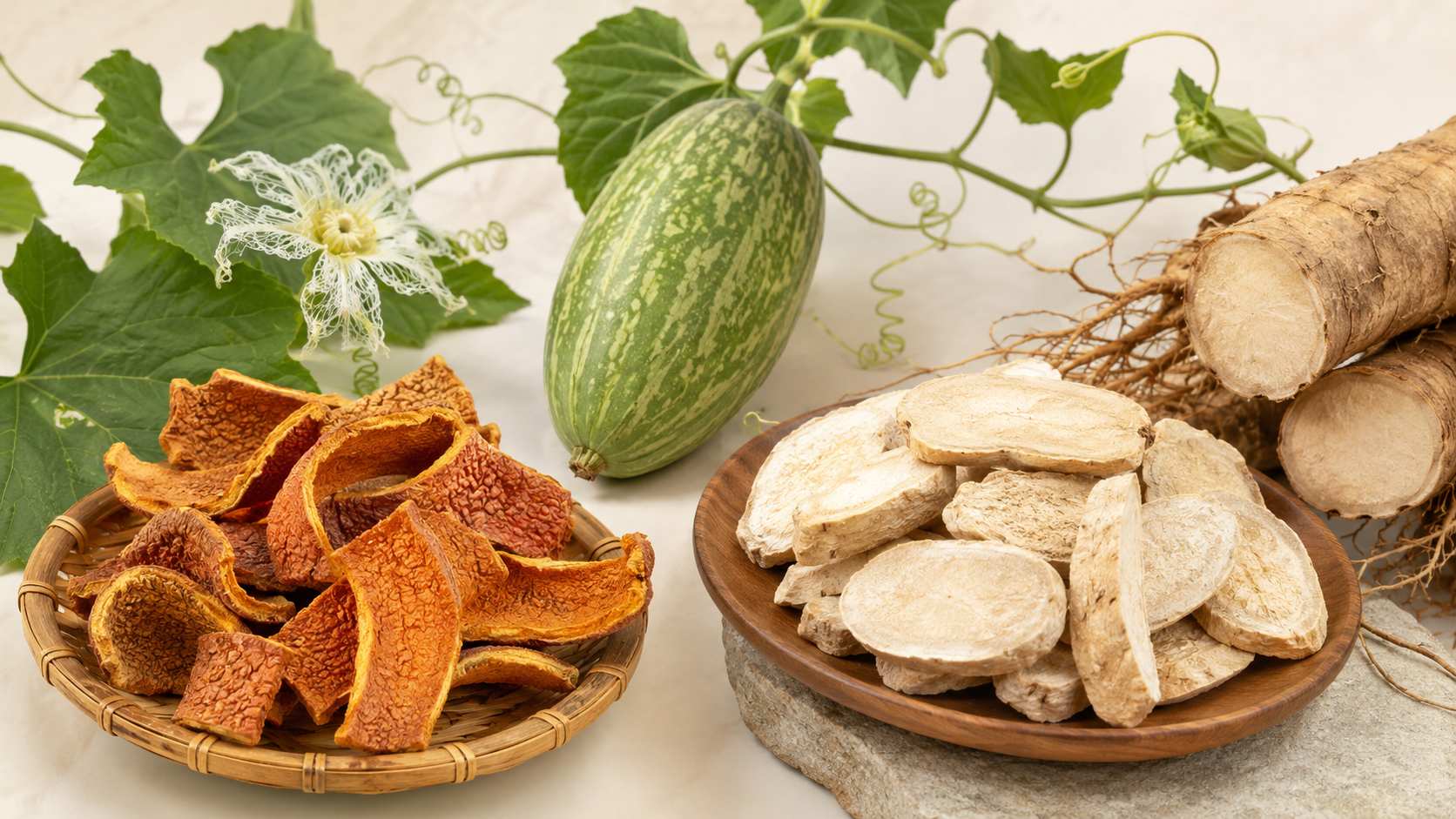
Trichosanthes shows up often in traditional Chinese medicine. Yet it does not mean just one thing. People harvest the peel of the ripe fruit and also the root of the plant. They process them in different ways. They trade them as separate goods. They use them for different purposes. This difference is important. It matters to doctors who work with herbs. It matters to people who buy ingredients. It matters to companies that make extracts. It matters to teams that create new products. If someone orders “Trichosanthes” without saying which part, they may get the wrong material.
One Plant, Two Distinct Herbal Materials
Both substances originate from Trichosanthes kirilowii Maxim., which belongs to the family of Cucurbitaceae. These two herbs come from the same plant. That is the reason why the old literature sometimes refers to both of them using related terms. Nevertheless, on the market they represent different raw materials. It depends on the harvested part.
What Is Trichosanthes Peel?
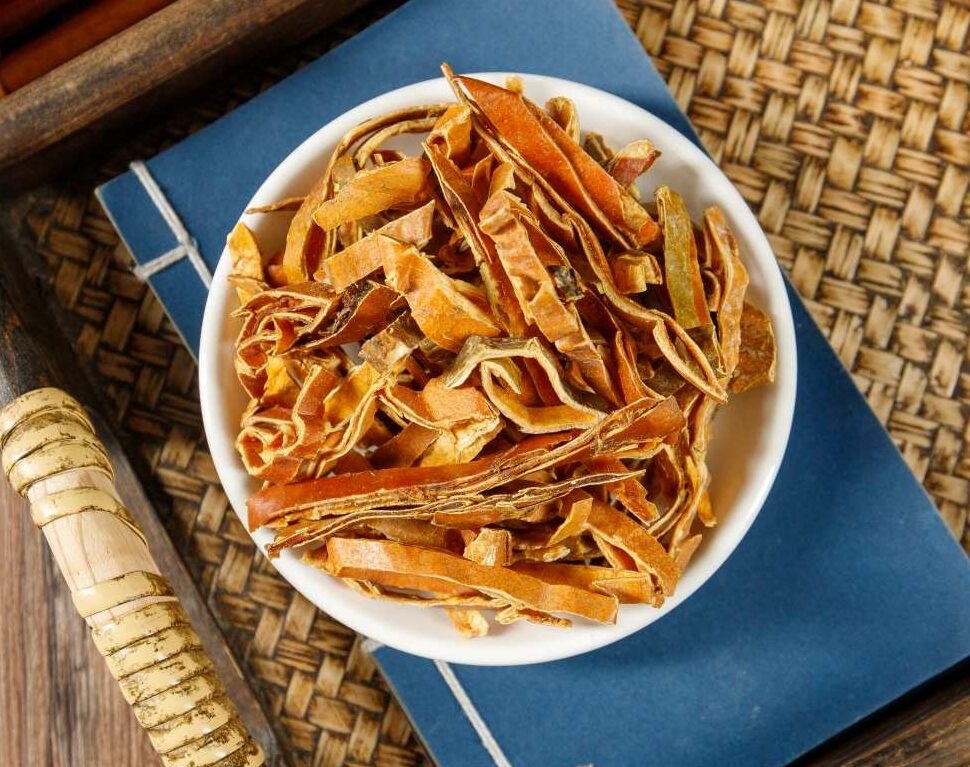
Trichosanthes Peel is also called Gua Lou Pi. It is the dried outer rind of the ripe fruit. In trade, the material often looks like curved or uneven pieces. The outside is orange-yellow to orange-red. The inside is pale. The texture is brittle. These signs help people tell the peel apart from the whole fruit or the seeds.
In traditional Chinese medicine, Gua Lou Pi links to the Lung and Stomach meridians. Old formulas used it to clear phlegm-heat. They also used it to help qi move in the chest. They used it to ease a feeling of fullness in the chest. These ideas belong to the traditional system. They are not modern medical claims.
What Is Trichosanthes Root?
Trichosanthes Root goes by several names. People call it Tian Hua Fen, Gua Lou Gen, or Radix Trichosanthis. It comes from the underground root, not the fruit. Workers clean it and peel it. Then they cut it into thick slices or sections and dry it. The finished pieces look pale and dense. When broken, they turn powdery.
Traditional use focuses on clearing heat. It also focuses on making fluids and easing dryness. Formulas for thirst or dry cough patterns often include it. Researchers have looked at its proteins and polysaccharides. Yet dried slices are not the same as pure extracts.
Trichosanthes Peel vs Trichosanthes Root: Key Differences
The best way to compare them is to look at several points. These include the plant part, how they look, their traditional role, how people process them, and the forms sold in the market. They may come from the same species. Still, one cannot simply replace the other.
| Comparison point | Trichosanthes Peel | Trichosanthes Root |
|---|---|---|
| Chinese name | Gua Lou Pi | Tian Hua Fen |
| Pharmaceutical name | Trichosanthis Pericarpium | Radix Trichosanthis |
| Harvested part | Outer rind of ripe fruit | Underground root |
| Typical appearance | Curved orange-yellow rind pieces | Pale, dense root slices |
| Traditional focus | Phlegm-heat and chest constraint patterns | Heat, dryness, thirst, and fluid depletion patterns |
| Common trade forms | Dried peel, cut peel, powder, extract | Root slices, root powder, extract |
| Main buyer concern | Rind identity, color, cleanliness, pulp residue | Root identity, slice thickness, powderiness, starch content |
A purchase order should say more than a simple English name. Words like “Trichosanthes fruit peel,” “dried Trichosanthes Peel,” or “Gua Lou Pi” point to the rind. Words like “Trichosanthes Root,” “Tian Hua Fen,” or “Radix Trichosanthis” point to the root. Adding the full botanical name and the plant part helps a lot. It lowers confusion when people ask for prices, check samples, inspect goods, or clear customs.
Traditional Uses and Commercial Applications
Traditional ideas help people choose the right material. At the same time, the physical form affects how factories work. A tea-cut piece, a fine powder, and an extract may start from the same herb. Yet they act differently when mixed, extracted, packed, or stored.
Applications of Trichosanthes Peel
Dried Trichosanthes Peel mainly serves as a raw material in traditional herbal products. Cut pieces go to TCM distributors. They also go to companies that make decoction pieces. Herbal formula makers and specialist shops buy them too.
Buyers need to check more than the outer color. They should look at the inner surface. They should notice the smell. They should test how brittle the pieces are. They should check for dirt or leftover pulp. Too much moisture can soften the rind. Uneven cuts can make packing weights uneven.
Applications of Trichosanthes Root
Dried Trichosanthes Root appears in sliced form, powders, and botanical extracts. Root slices work well for traditional dispensing or decoction products. Powder helps with even mixing. Yet the mesh size and microbe limits become more important. Extract projects need clear details. These include the ratio, the solvent system, any carriers, and the test methods.
When factories grind and pack the root, they must control dust. They must choose the right sieves. They must manage moisture. These steps affect how the powder flows and how consistent each batch stays.
Choosing a Form for Product Development
Start with the finished product. Do not start with the cheapest raw material. Tea bags need clean, even cuts with little dust. Traditional formula packs may need pieces that people can still recognize. Capsules and tablets usually need powder that meets tight rules. Products based on extracts need full papers on how the extract was made and what carriers it contains.
Common choices include:
-
clean dried Trichosanthes Peel for herbal preparations
-
cut peel with a set particle size range for blending or extraction
-
dried Trichosanthes Root slices for traditional raw-material supply
-
root powder or botanical extract made to an agreed plan
How to Assess Quality Before Buying
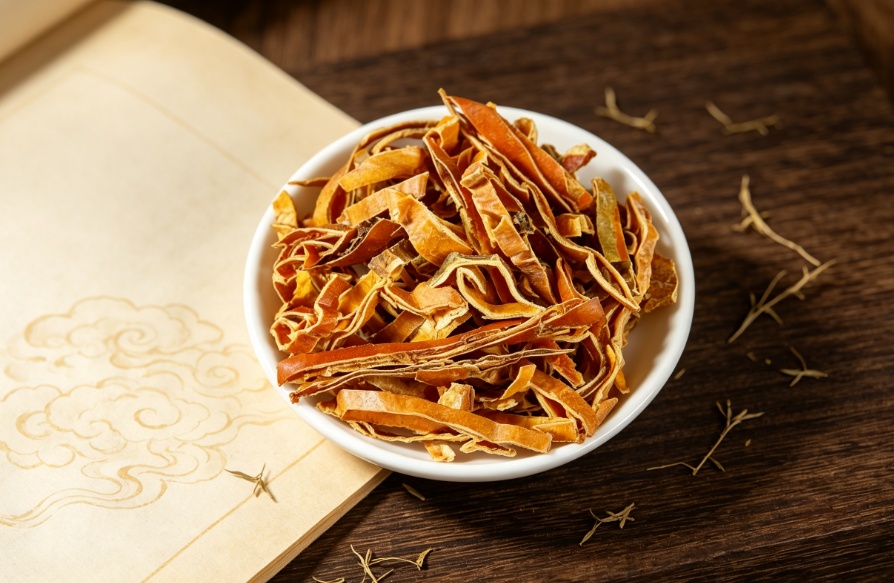
Quality checks should mix visual review with papers and lab tests. A photo alone cannot prove identity. It cannot prove moisture level. It cannot prove the absence of dirt, microbes, or past storage problems.
A useful buying list covers these points:
-
botanical name, species, plant part, origin, and harvest time
-
looks, smell, taste, cut size, foreign matter, and damaged pieces
-
moisture, ash levels, and key identity tests
-
pesticide, heavy-metal, sulfur dioxide, aflatoxin, and microbe limits that the target market requires
-
packing, net weight, storage rules for shelf life, batch tracking, certificate of analysis, and sample approval
For repeat orders, an approved sample becomes the working standard. Buyers can match color range, cut size, smell, and test results across later shipments. This approach works better than vague grades such as “premium” that lack clear numbers.
Which Material Should a Buyer Choose?
Choose Trichosanthes Peel when the formula asks for Gua Lou Pi, Trichosanthis Pericarpium, or the dried rind of mature fruit. Choose Trichosanthes Root when the need names Tian Hua Fen or Radix Trichosanthis.
Do not swap the two just because they come from the same plant. Before asking for a price, confirm the Latin name. Confirm the medicinal part. Confirm the processing method. Confirm the cut size. Confirm the test standard. Confirm the volume. Confirm the destination market. These details support useful sampling. They also stop people from comparing materials that are not alike.
Bozhou Huirui as a Traditional Chinese Medicine Supplier
Bozhou Huirui Chinese Medicine Technology Co., Ltd. sits in Bozhou, Anhui. This city is a major center for trading Chinese medicinal materials. The company works with plant medicines and other natural raw materials. It serves wholesalers, importers, distributors, and brand owners. It sources goods both inside China and from other countries. It ships to several regions abroad.
For custom projects, its ODM and OEM process runs from market research and pricing through production, inspection, packing, transport, and final receipt. Buyers can talk about the form of the raw material. They can discuss processing steps. They can set packing rules. They can request quality papers. They can plan shipment needs. All this happens before the order is fixed. Trichosanthes Peel is offered as a plant-medicine raw material. Related requests can be checked against the buyer’s own rules.
Conclusion
Trichosanthes Peel and Trichosanthes Root share a plant source. Yet their plant parts differ. Their looks differ. Their processing differs. Their traditional uses differ. Their roles in manufacturing also differ. Gua Lou Pi is the dried fruit rind. People choose it for traditional formulas linked to phlegm-heat and chest constraint. Tian Hua Fen is the dried root. People choose it for patterns linked to heat, dryness, thirst, and low fluids.
For commercial buyers, correct identification comes first. A clear specification helps. A good sample helps. Testing that matches the market helps. Clear packing rules help. Together these steps make supplier comparisons more reliable. They also support steady quality in herbal ingredients.
FAQs
Is Trichosanthes Peel the same as Trichosanthes Root?
No. Trichosanthes Peel is the dried rind of the ripe fruit. Trichosanthes Root is the dried underground root. They carry different names. They look different. They serve different traditional roles. They follow different trade rules.
What is Trichosanthes Peel used for?
Gua Lou Pi appears in traditional Chinese herbal formulas. These formulas aim to clear phlegm-heat and ease chest constraint. In trade, it is sold as dried peel, cut material, powder, or extraction raw material.
Can Trichosanthes Peel and Root replace each other?
They should not be treated as substitutes. The prescription, the product formula, the monograph, and the botanical rules should name the exact plant part needed.
What information should be sent to a Trichosanthes supplier?
Include the product name. Include the botanical name. Include the plant part. Include the cut or powder size. Include the required tests. Include the quantity. Include the packing details. Include the destination country. Include whether a pre-shipment sample is needed.


