



Sulfured vs Unsulfured Raisins: Which Should You Choose?
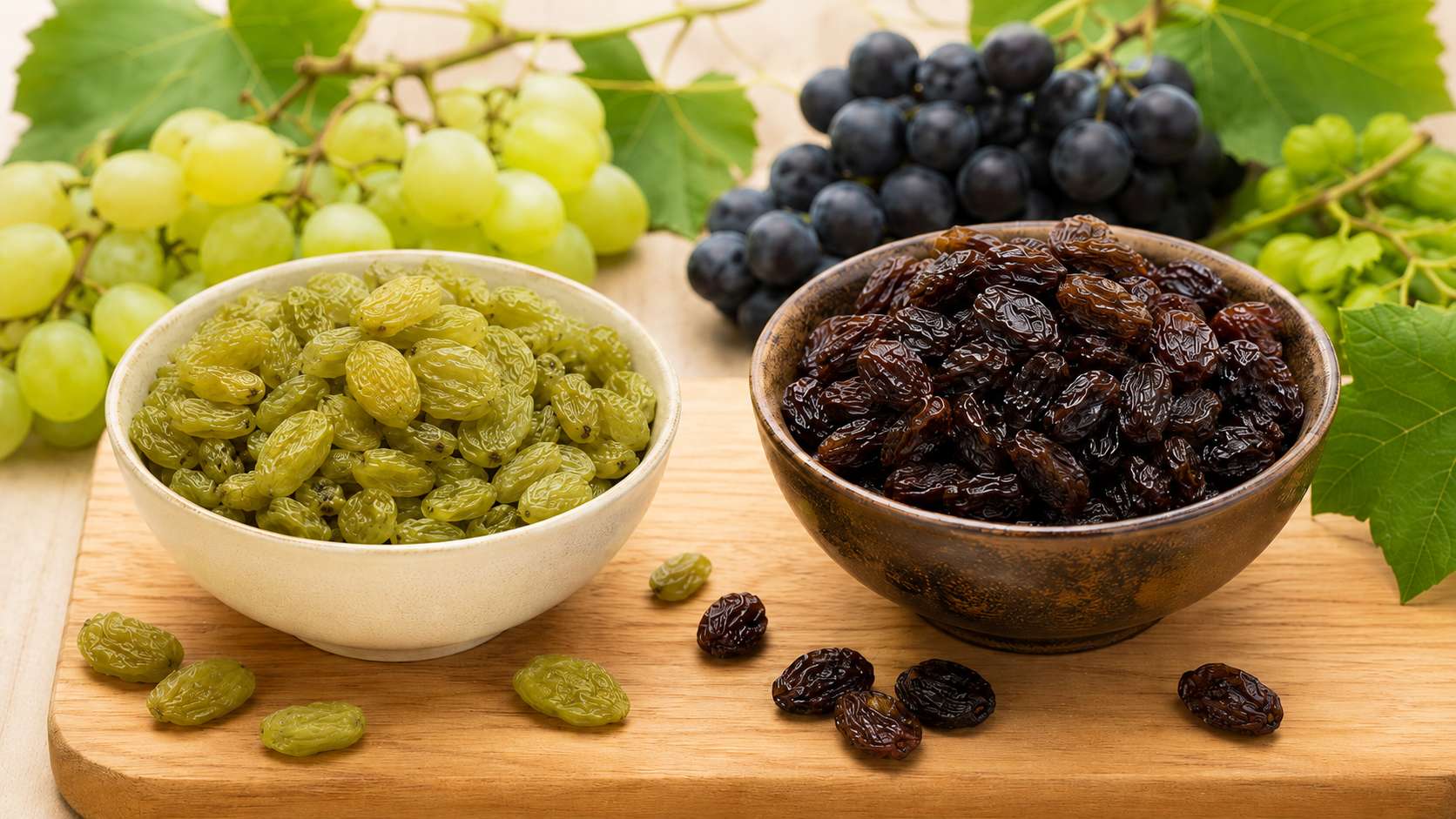
Raisins vary in physical properties, such as color and flavor, based on how they have been dried and the purpose for which they are being dried. The only difference between sulfured raisins and unsulfured raisins is that the former is dried by the use of sulfur dioxide or another sulfite substance.
Physical properties like the color and flavor of Dried Vine Fruits vary depending on the processing method and the intended use of the products. The only thing that separates sulfured raisins from unsulfured ones is the presence of sulfur dioxide or any other sulfite compounds in the drying process.
Neither is automatically better. The right choice depends on the consumer, recipe, shelf presentation, destination market, and required documents. “Sulphured” and “unsulphured” are the British spellings.
What Are Sulfured and Unsulfured Raisins?
Raisins are dried grapes, commonly made from Vitis vinifera. Water is removed by sun drying or controlled dehydration until the fruit develops concentrated sweetness and a chewy texture.
How sulfur treatment changes the fruit
Sulfur dioxide helps in preventing the browning reaction when drying grapes. The sulfur dioxide makes it possible for light-colored grapes to be yellow, golden, or pale amber colored instead of being brown. Golden raisins are normally produced through sulfur dioxide and dehydration under controlled environmental conditions.
Unsulfured raisins have no deliberate addition of sulfur compounds. Naturally occurring pigments and sugars undergo chemical reactions during dehydration resulting in brown, reddish, or nearly black fruit. “No added sulfites” is a more accurate term compared to “sulfite-free,” which suggests zero addition.
Sulfured vs Unsulfured Raisins: Key Differences
The difference becomes clearer when appearance, use, and documentation are considered together.
|
Factor |
Sulfured raisins |
Unsulfured raisins |
|
Color |
Usually golden, yellow, or light amber |
Usually brown, dark brown, or blackish |
|
Flavor |
Often bright, mild, and fruity |
Often deeper or slightly caramel-like |
|
Consistency |
Color tends to remain uniform |
Natural shade variation is common |
|
Label position |
Sulfites must be declared where required |
May support a no-added-sulfites claim |
|
Common uses |
Light cakes, cereal, fruit mixes |
Natural snacks, dark breads, clean-label lines |
|
Main buying check |
SO2 residue and label compliance |
Moisture, color range, supplier declaration |
Color is useful, but it is not proof
Golden raisins are commonly associated with sulfur treatment, while natural sun-dried raisins are usually darker. Still, color cannot confirm how a batch was made. Grape variety, drying time, antioxidants, and storage also affect the shade.
Bulk buyers should request a processing statement and recent test report rather than rely on photographs.
Taste and texture depend on several factors
Sulfur treatment can influence fruity notes, but grape variety and moisture often have a stronger effect on texture. A soft raisin for cereal may release too much moisture in dough, while a drier one may feel too firm in a snack pack.
For industrial use, the question is also, “Will the batch behave consistently during mixing, baking, packing, and storage?”
Are Sulfured Raisins Safe to Eat?
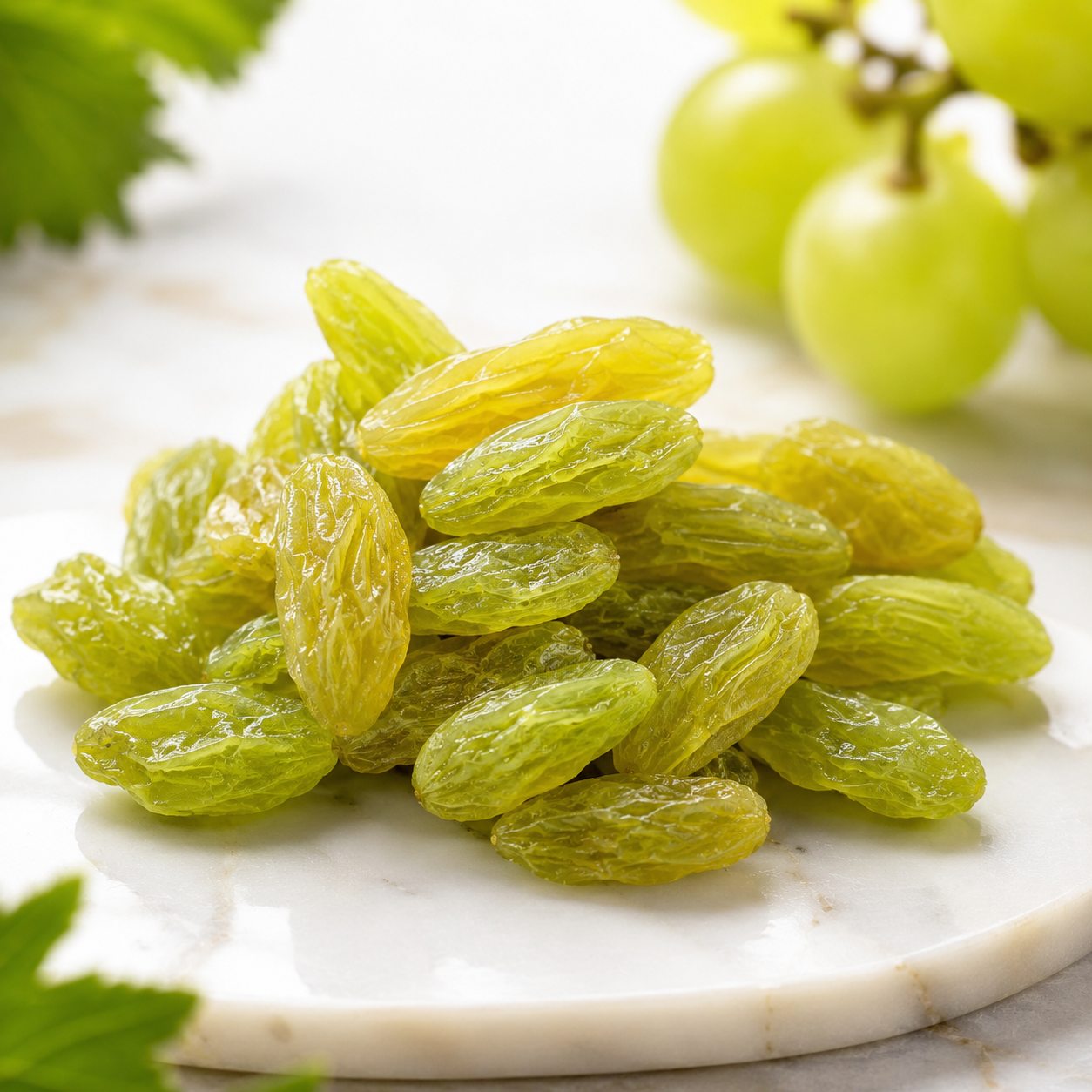
Sulfured raisins can be sold and eaten when treatment, residue, and labeling meet the destination market’s rules. Sulfite sensitivity is the main concern. Some sensitive consumers, including some people with asthma, may react to sulfiting agents.
Generally in the U.S., sulfites at concentrations of 10 parts per million or greater must be disclosed. In Europe too, regulations require that sulfur dioxide and sulfites at levels greater than 10 mg/kg or 10 mg/L be declared.
Consumers with a known sensitivity should read ingredient and allergen information. Relevant terms include sulfur dioxide, sodium metabisulfite, potassium metabisulfite, and “contains sulfites.”
No Added Sulfites, Sulfite-Free, and Organic Are Different
These terms describe different points:
- No added sulfites means no sulfiting agent was intentionally added. A supplier declaration and batch test should support the claim.
- Sulfite-free suggests no measurable sulfites under a defined method or limit.
- Organic refers to certified farming and processing. It is not a synonym for unsulfured.
- Natural raisins usually means dark, traditionally dried fruit, but “natural” is not a complete specification.
For retail packs, wording should match the certificate and laboratory result. For bulk unsulfured raisins, the contract should state the expected claim and test limit.
How Should Consumers Choose Raisins?
Choose sulfured raisins when a light golden color matters in white bread, scones, pale cakes, cereal, or trail mix. They also suit brands that need a uniform appearance.
Choose unsulfured raisins when the priority is a shorter ingredient list, no-added-sulfites positioning, or a deeper fruit flavor. They fit oatmeal cookies, rye bread, fruit cake, granola, nut mixes, and snacking.
Before buying, check:
- the ingredient list and sulfite statement;
- country of origin;
- added oil, sugar, or glazing agents;
- storage and best-before information.
Both types work for baking. If unsulfured raisins feel dry, soak them briefly, then drain well before adding them to dough.
How Should Bulk Buyers Choose?
Bulk raisin sourcing involves more than selecting a color. The fruit must fit the processing line, finished product, destination rules, and planned shelf life.
Start with the application
A bakery may need raisins that stay soft after baking. A cereal producer may care more about separation. A snack brand may prioritize clean-label dried fruit, while a tea blender may prefer strong aroma and little surface oil.
The application should guide size, moisture, color, coating, and sulfur dioxide limits.
Request a complete specification
A useful raisin product specification should cover:
- grape variety, origin, and drying method;
- sulfur treatment and SO2 residue;
- berry size, moisture, and color grade;
- stems, damaged fruit, and foreign-material limits;
- microbiological and pesticide tests;
- packaging, shelf life, and storage conditions.
Raisin grades commonly assess maturity, color, flavor, moisture, stems, damaged fruit, and other defects. Moisture limits differ by type and process, so terms such as “premium” or “AA grade” should be backed by measurable values. Current USDA standards, for example, set different moisture requirements for particular raisin types and processing methods rather than applying one universal figure.
Verify the batch
Prior to a big order, ask for a sample, certificate of analysis, sulfites declaration, allergen information, origin letter, packing information, and batch tracing. As regards packaging artwork for private label raisins, it is not advisable to finalize this before finding out the sulfites status of the product.
Which Raisins Fit Common Food Applications?
The best raisins for baking may not be the best choice for a retail snack.
|
Application |
Practical choice |
|
Light bread or cake |
Golden raisins with verified sulfite labeling |
|
Dark fruit bread |
Natural dark raisins with controlled moisture |
|
Granola and cereal |
Size-consistent raisins with good separation |
|
Trail mix |
Golden for contrast or dark for natural positioning |
|
Snack bars |
Soft or cut raisins that bind well |
|
Clean-label snacks |
Verified raisins with no added sulfites |
|
Herbal or fruit tea |
Aromatic dried grapes selected by flavor and cut size |
Dried Vine Fruit and Botanical Supplier
Bozhou Huirui Chinese Medicine Technology Co., Ltd. provides Chinese traditional medicine ingredients, dried fruits, herbal tea, spice, flower, root, and botanical ingredients from Bozhou City, Anhui Province. This company’s material source includes local and overseas procurement system, and their trade involves markets in Asia, Africa, and Middle East.
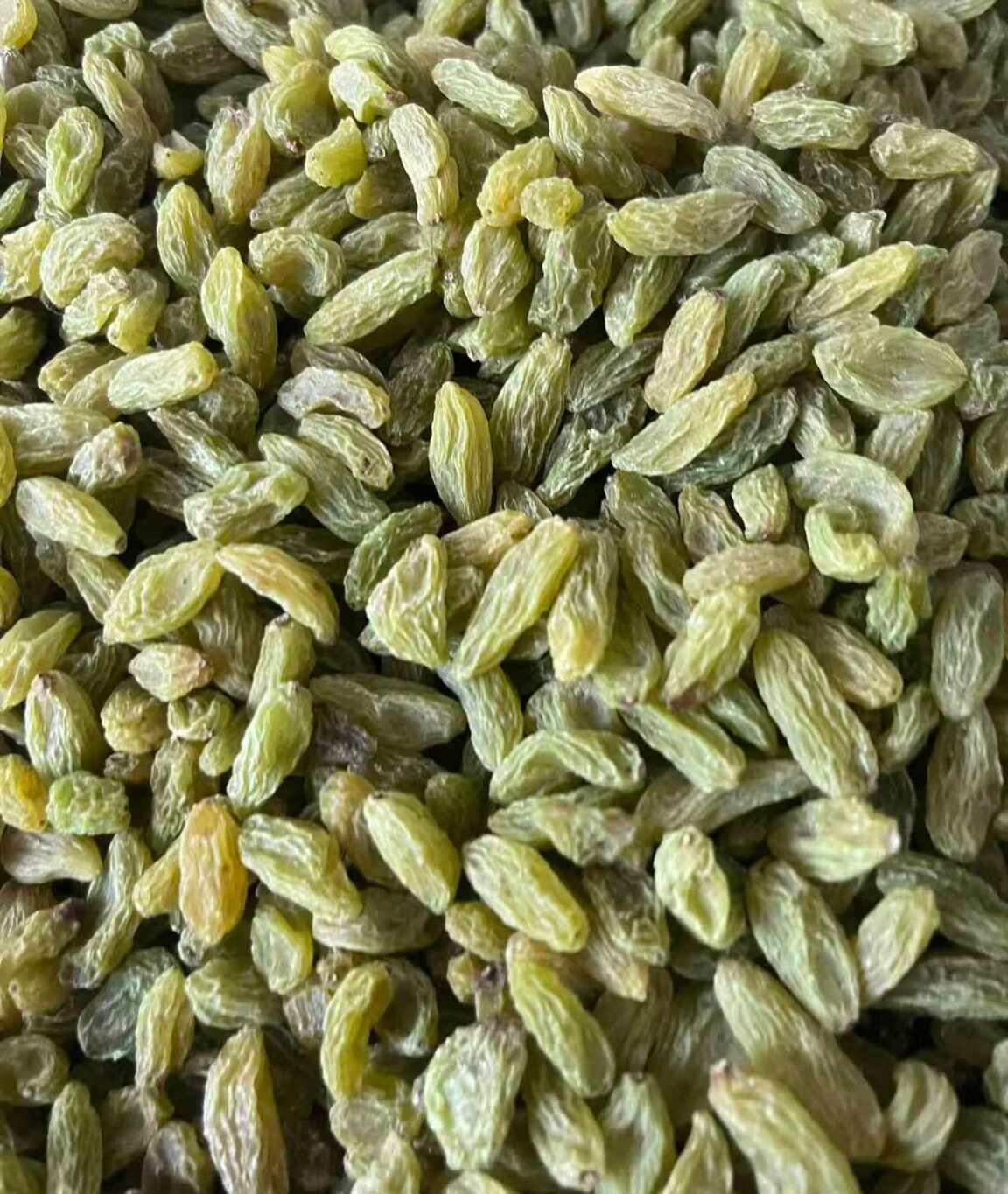
This dried vine fruit is prepared from ripe Vitis vinifera by sun drying or controlled drying. It is considered as AA quality grade dried vine fruit, available in various colors such as golden yellow, light amber, dark brown and blackish purple. The buyers need to ensure whether the fruit is treated with sulfite, SO2 level, moisture content, size and package.
The company supports OEM and private label projects. The service process covers quotation, production, inspection, packaging, transportation, and receipt, allowing bulk dried fruit requirements to be discussed with packaging and market-specific labels.
Conclusion
Sulfured raisins can be ideal in cases where vivid color and uniformity are crucial. Unsulfured raisins can be appropriate when it comes to natural-looking food items and “no added sulfites” claims. The final decision must take into consideration other factors as well.
Frequently Asked Questions
Do all raisins have sulfites?
No, natural sun-dried raisins can be made without any sulfites. Golden raisins are usually treated with sulfur, however, the documents from the supplier are more indicative than the color.
Which are better for health, unsulfured raisins?
Unsulfured raisins allow avoiding the additives; however, they do not necessarily mean additional nutritional value. The portion sizes, accompanying foods, quality of storage, and overall nutrition play important role too.
Can unsulfured raisins be used for baking?
Yes, they are applicable for use in baking such products as bread, cookies, cakes, and cereal bars. Soaking the raisins can make them softer; however, they should be drained.
What should be requested by a bulk raisin purchaser?
The specification, certificate of analysis, sulfite declaration, moisture, microbial, and pesticide test results, packing, shelf life and batch information.


