



Wholesale vs Retail Spices: Choosing Your Supply Format
A low price per kilogram can leave your business with expensive stock. Buying spices in wholesale quantities gives you more material to handle after the delivery arrives.
Think about the bag being opened in your kitchen, compared with a carton of jars going onto your shop shelves. We compare the two routes through the jobs you would take on after delivery. That is where an attractive ingredient price meets the cost of making a sale.
The customer determines the useful pack size
A large bag is not a definition of wholesale. When we discuss supply with a shop, small jars may be the business order. Your kitchen may have a use for much larger containers. You reach retail when you sell to the final consumer. A business purchase may sit several operations upstream of that sale.
Picture the delivery arriving at your premises. If you already pack ingredients each day, that sack can enter an existing operation. For your shop, the missing scales and sealer mean finding a packing service before any of the contents can go on display. We supply a range of herbs and spices. For your food assortment, select the individual ingredients against the use you have in mind.
Product identity still matters within either channel. For example, the part you buy as dried ginger is the rhizome; with star anise, you buy the dried fruit. We would keep a specification for each in a mixed botanical order. Buying both together does not make the same acceptance criteria suitable for both.

Where the wholesale saving actually comes from
A bulk quotation leaves some downstream work with you. Each portion needs weighing and a seal. You have to buy the empty packaging as well, keep the records and find time to do the job. With ready-packed stock, you pay for a unit that has already passed through those steps. We would compare the price only after bringing both offers through to a pack you can sell.
For a worked example, imagine your packing plan calls for 50 grams in each unit. A hypothetical 100 kilograms gives you 100,000 grams to divide, or 2,000 units before any losses. That arithmetic assumes you lose nothing. You would have to measure the real yield on your line. Any material held for sampling or retained in stock, along with packing losses, comes out of what you can sell.
Your cost per saleable pack therefore needs the actual output as its denominator. Add what you spend getting the ingredient in and turning it into those packs. Use the same treatment of taxes for both quotations, including any amounts your business can recover. Otherwise you can make one offer look cheaper simply by leaving a cost out of its column.
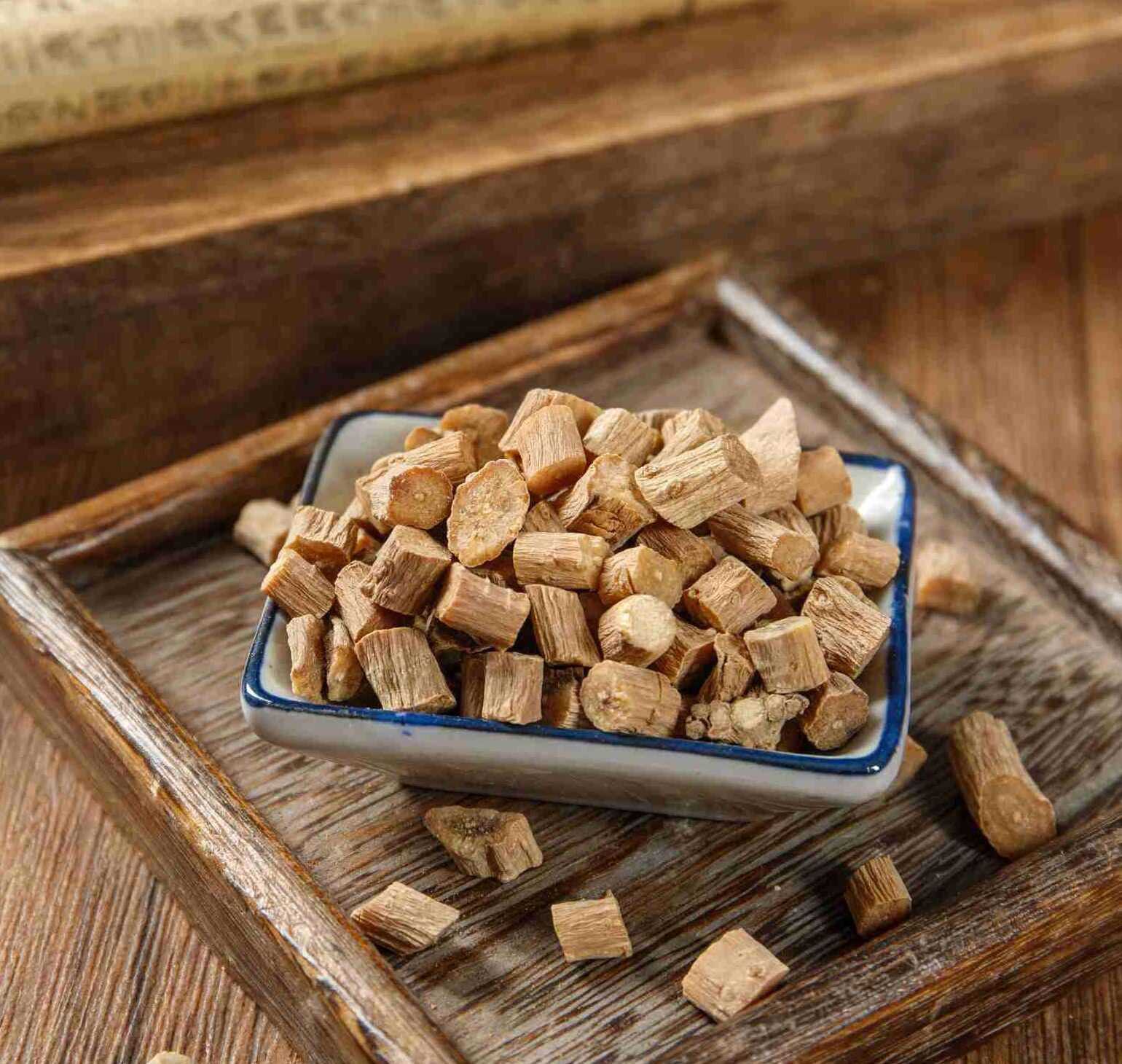
Bulk and retail formats place work in different hands
Use this comparison to assign the work in your proposed order. It makes no assumption about a standard pack weight or discount.
|
Decision |
Bulk ingredient format |
Consumer-ready format |
|---|---|---|
|
Packing |
You arrange portioning or use the ingredient directly |
Unit packing is already included |
|
Stock control |
Track incoming lots and any portions created |
Track incoming lots and finished units |
|
Product changes |
You can plan different pack sizes |
Changes may require new finished packaging |
|
Cost comparison |
Include your downstream handling |
Assess the delivered saleable unit |
Our role as a manufacturer of spices belongs in that wider supply decision. CHINA HUIRUI BOTANICALS supplies botanical raw materials and offers bulk sourcing and packaging support. For your order, we still need agreement on exactly what will be supplied and which packing jobs are included.
The ordering quantity also needs to fit your sales plan. Our stated minimum is 500 kilograms, with a combination of two products allowed to reach that quantity. Confirm the proposed split for your order. A split gives you two stock lines to sell through. You are still taking delivery of the full total, so check the expected use of each ingredient separately.
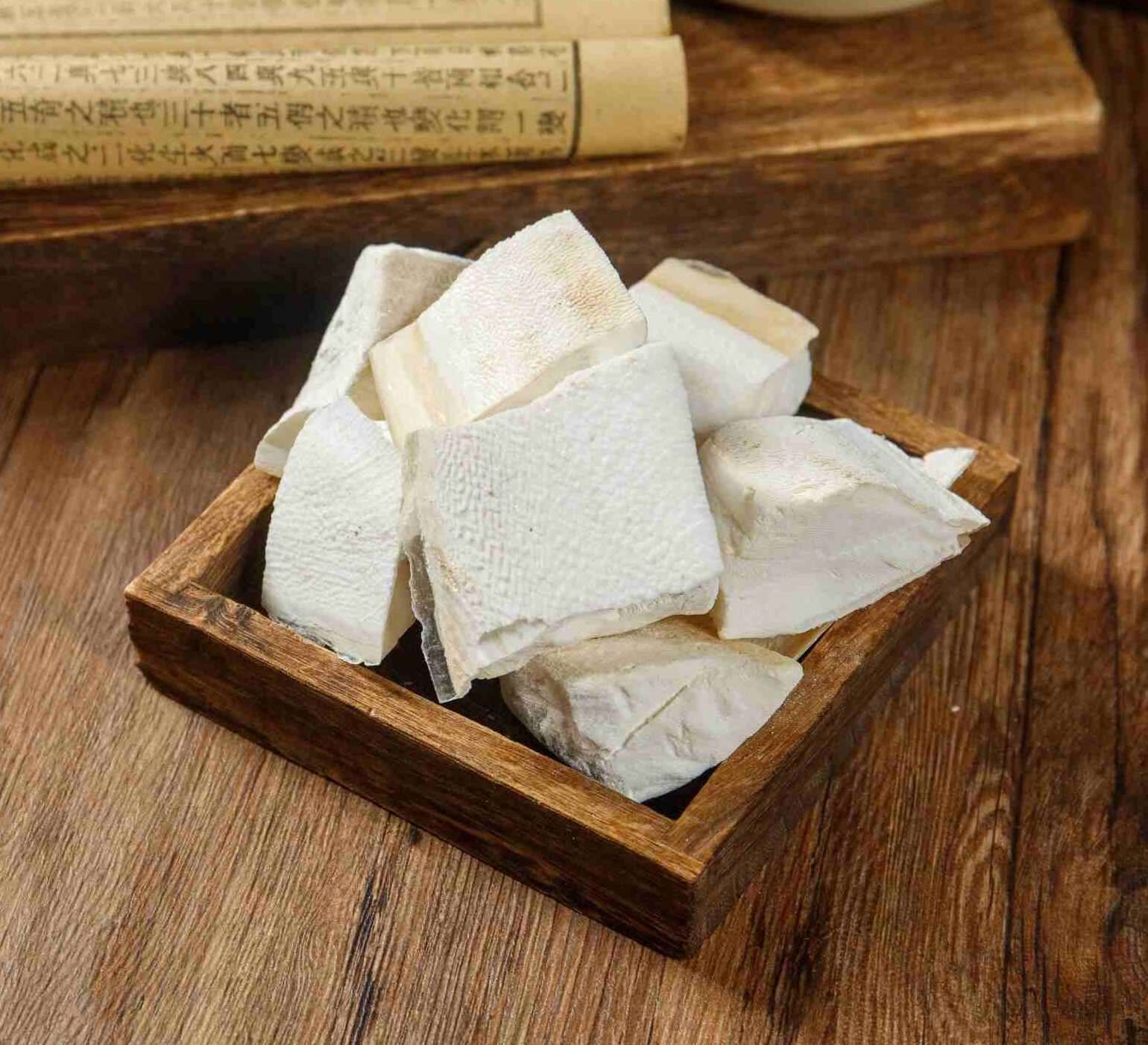
Consumer demand needs a separate specification
A customer buying one jar cannot inspect your incoming sacks or packing records. Your customer sees the printed pack and its contents. We need artwork approval before the printing bill is incurred. Who in your business has that job, and which market is the pack for? Settle both questions early enough to review all the wording, rather than discovering after delivery that the product needs relabelling.
For Europe, CBI guidance treats consumer labelling separately from the identification of a bulk shipment. We would therefore review an EU-bound consumer pack in its own right, even if its contents came from a lot already approved for bulk supply. Food safety and traceability still matter on either route.
Botanical category boundaries deserve equal attention. Our traditional chinese herbs category also covers materials for herbal preparations. You should not take a catalogue listing as approval to put a botanical into food. We need to distinguish the destination and intended use for that ingredient, with medicinal claims assessed separately from the culinary assortment.
Matching the supply format to your operation
Choose bulk when you have a workable route from the incoming bag to use or resale. Choose finished units when your operation needs stock ready to sell. We would settle the ingredient specification in either case, then check the quantity against your packing capacity and likely sales. The cheaper format is the one your business can actually use at the cost you have calculated.
For a discussion with our team, send the destination and your plan for using or packing the ingredients. Include whether you need whole material or powder.
FAQ
Does wholesale always mean an unbranded sack?
No. A business order can include finished branded units. In your enquiry, tell us whether your business will use the material directly or needs individual packs to sell.
Can one incoming lot supply several retail sizes?
Yes, if your packing arrangement supports the sizes and preserves the connection between each finished unit and its incoming lot. Plan that record before dividing stock.
Should a new product launch use the largest available order?
Work back from the quantity you expect to sell and the space you have for stock. We would not treat a cheaper quotation as evidence that a new line will sell.
Are whole and ground spices interchangeable purchases?
The form affects your next operation. If your process requires powder, buying whole material also leaves grinding and its associated controls to be arranged.
What should be settled before approving a retail pack?
Agree the ingredient specification, destination, unit quantity and artwork responsibilities. Also confirm which business will carry out packing and maintain the finished-lot records.


