



Niu Xi Uses: Decoction, Powder and Extract Explained
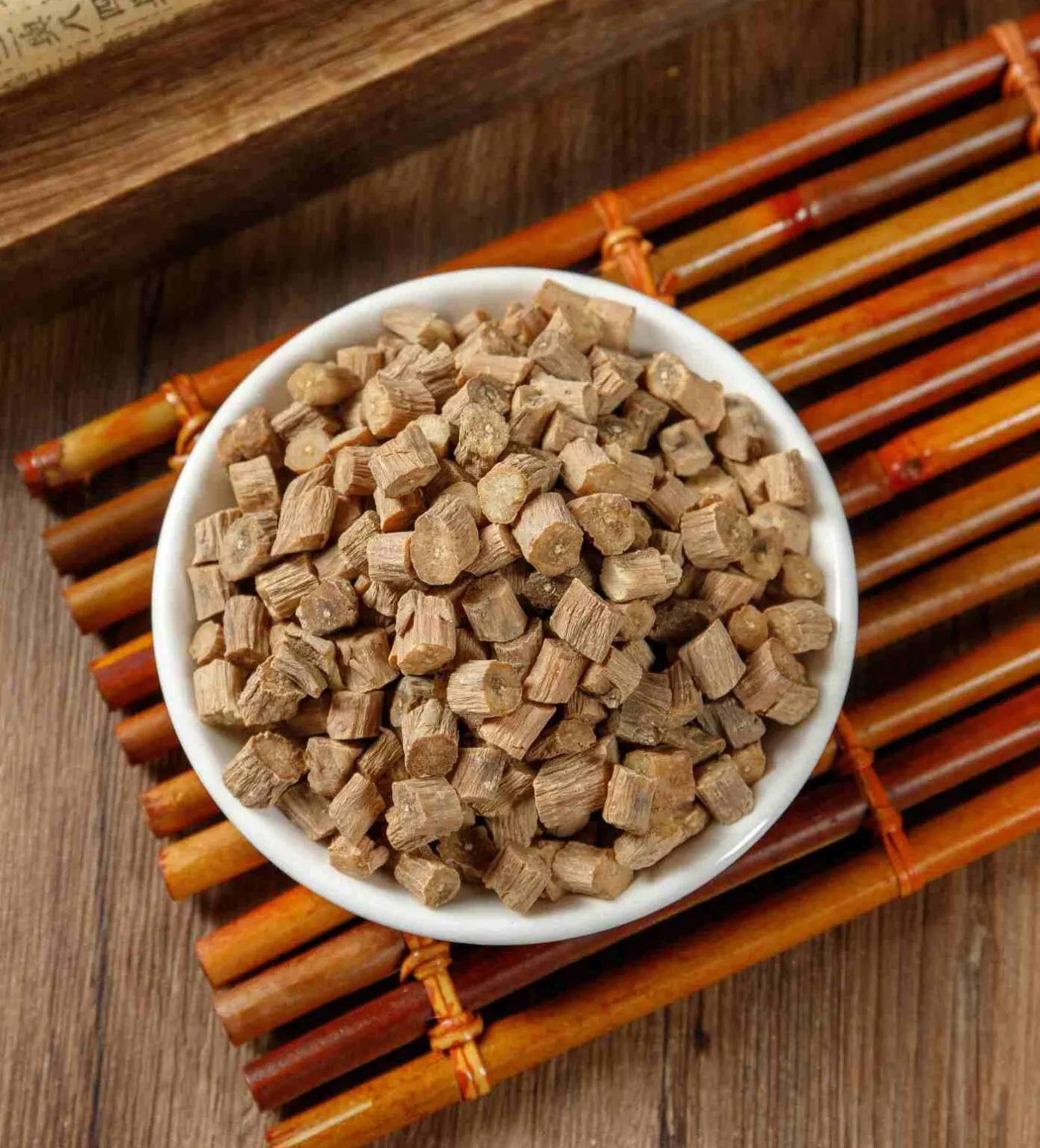
Niu Xi is a common root in Traditional Chinese Medicine. The name can point to several forms of the material. A clinic may buy dried Niu Xi root for a herbal decoction. A capsule maker may need fine root powder. A formulation company may prefer a concentrated Niu Xi extract. These formats come from the same plant material. Yet they are not the same gram for gram.
For buyers, formulators, and people who research how to use Niu Xi, a few points matter most. Which form fits the planned use? How is it prepared? What quality details should be checked before a purchase?
What Is Niu Xi?
Niu Xi, also known as Huai Niu Xi, usually means the root of Achyranthes bidentata Blume (family Amaranthaceae). In English commerce, it is also referred to as achyranthes root, achyranthes bidentata root, or ox knee root.
In the system of Traditional Chinese Herbal Medicine, Niu Xi is widely used for medicinal purposes. In modern practice, it is also considered a botanical raw material for making various preparations.
Huai Niu Xi and Chuan Niu Xi Are Different Materials
Botanical identification is vital. Huai Niu Xi is commonly understood as Achyranthes bidentata. Chuan Niu Xi originates from another botanical species. The two names are similar. However, they must not be confused in purchase specifications, formulas, certificates, and labeling without hesitation.
Niu Xi Dosage Forms at a Glance
Buyers usually meet three main forms. These are decoction pieces, root powder, and extract. Their differences start with how they are processed.
| Form | What it is | Typical use | Main buying point |
|---|---|---|---|
| Decoction pieces | Cut dried Niu Xi root | Traditional formulas | Identity, cut size, moisture |
| Niu Xi powder | Milled whole herb powder | Capsules and blends | Mesh size, microbes, moisture |
| Niu Xi extract | Extracted, concentrated material | Granules and formulations | Extract ratio, solvent, carrier |
How Is Niu Xi Used as a Decoction?
A Niu Xi decoction stays close to traditional preparation. The root is not steeped briefly like ordinary tea. Decoction pieces are simmered in water. This lets water-soluble parts move into the liquid.
How to Prepare Niu Xi Decoction
Directions change with each formula. The basic steps stay simple:
-
Measure the prescribed amount of dried Niu Xi root or decoction pieces.
-
Add water according to the formula.
-
Bring to a boil, then lower the heat.
-
Simmer for about 20–30 minutes unless directed otherwise.
-
Strain the herbal decoction before use.
Traditional references often place Niu Xi dosage for decoction around 5–15 g or 6–15 g. This is not a fixed self-use dose. Formula makeup, processing method, personal condition, and practitioner advice can all change the amount. Always follow guidance from a qualified source when preparing a decoction.
Where Decoction Pieces Fit Best
Herbal clinics and traditional formula makers often choose decoction pieces. They offer flexibility. Achyranthes root can be mixed with other herbs. The amount can be adjusted by formula. For wholesalers, cut size, cleanliness, and moisture affect storage and portioning. Good cut size also helps even extraction during simmering.
How Is Niu Xi Powder Used?
The Niu Xi powder is normally obtained through washing, drying, and crushing of the roots. It can be used in capsule form, dried herb combinations, sachets, and as an intermediate product during production. The powder ensures that all the plant materials remain in powdered form.
Root Powder Is Not Automatically an Extract
This difference matters when comparing Niu Xi preparation options. Root powder normally holds milled plant material. A concentrated extract has gone through extraction. It holds a different solids profile. Whole herb powder and extract powder may look similar in a bag. They are not the same product. Buyers need to know which one they receive.
Powder buyers commonly list these points:
-
particle or mesh size;
-
moisture and microbial limits;
-
pesticide and heavy-metal requirements;
-
packaging and batch quantity.
The mesh size determines the ability of the powder to mix and flow. Moisture content ensures good shelf-life. Limitations on microbes and contaminants ensure the safety of the product. Properly labeled packaging and batch information facilitate better traceability by both parties involved.
What Is Niu Xi Extract?
A Niu Xi extract begins with Achyranthes bidentata root. It then adds more processing steps. A typical path may include water or permitted-solvent extraction, filtration, concentration, and drying. The finished herbal extract can be used in granules, capsules, drink powders, or other formulated products. The extra steps change the concentration and make dosing more compact.
What Does an Extract Ratio Mean?
Ratios such as 5:1 or 10:1 appear often in botanical extract trade. An extract ratio does not tell the full story. Two concentrated extracts with the same ratio can still differ. Reasons include extraction solvent, temperature, carrier content, moisture, test method, and starting-root quality. For a commercial Niu Xi extract, buyers should review the complete specification. They should not compare products only by the highest ratio on a quotation sheet.
Carrier content can also affect the final weight and flow of the powder. Solvent choice influences which plant parts are pulled out. Starting material quality sets the baseline for everything that follows. These details matter more than a single number.
Niu Xi Decoction vs Powder vs Extract
Traditional herbal preparation usually starts with decoction pieces. A capsule or dry-blend manufacturer may choose Niu Xi powder when whole-root material is wanted. A producer who needs a concentrated ingredient may prefer an extract.
This is why Niu Xi powder vs extract is not only a price comparison. Processing cost, yield, testing, carrier content, concentration, and planned use all shape the purchase decision. Decoction vs powder vs extract should be compared by function and specification, not by how the material looks. Each form serves a different stage of product making.
How to Choose the Right Niu Xi Format
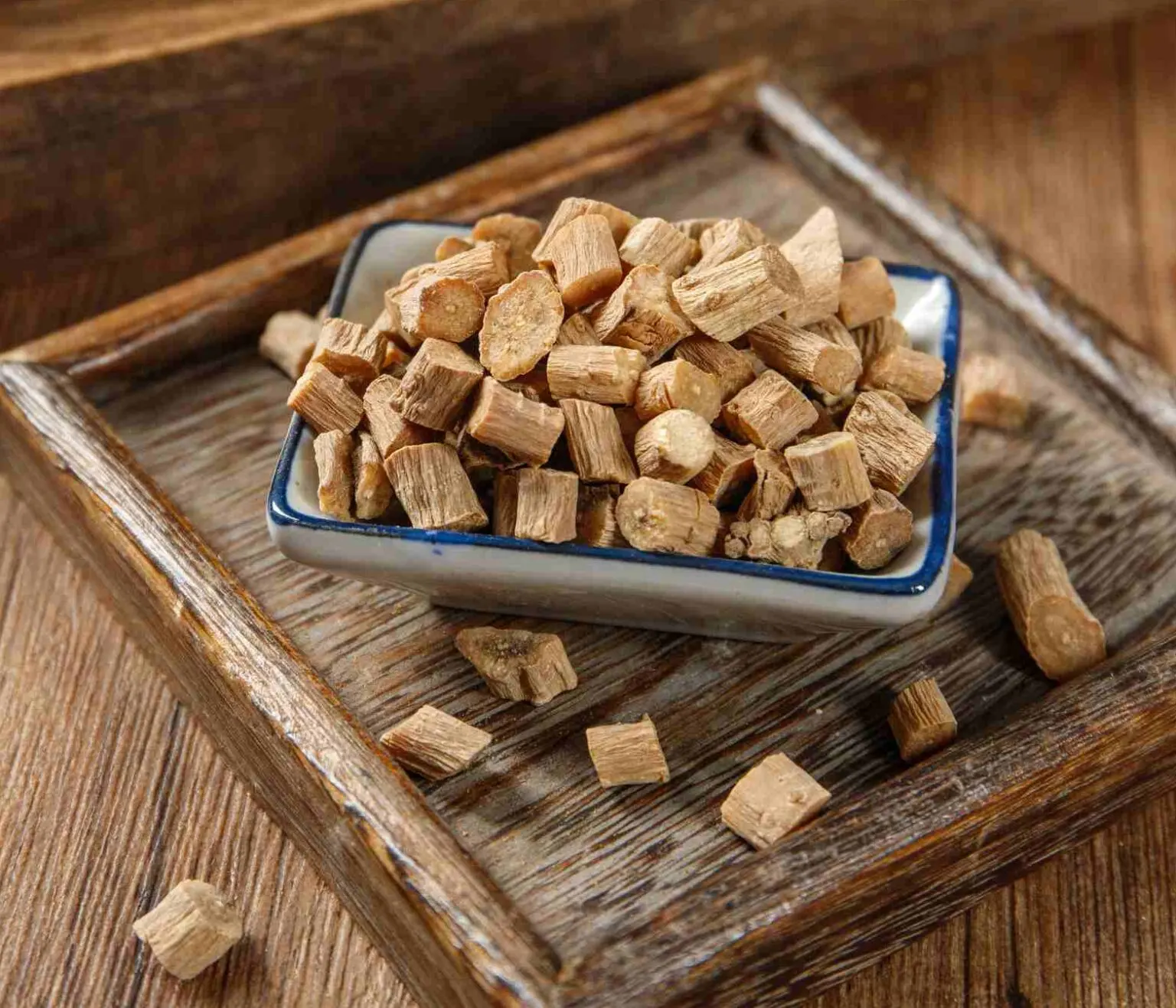
Define your final product before requesting a quote. A person purchasing bulk Niu Xi root for use in his clinic differs from a manufacturer using extract powder. This eliminates any unnecessary delays and wastage of resources.
Key points to confirm include:
-
Botanical name and plant part: Achyranthes bidentata root should be stated clearly.
-
Form: whole root, decoction pieces, root powder, or botanical extract.
-
Processing: cut size, mesh size, extract ratio, solvent, or carrier.
-
Quality: moisture, contaminants, microbial limits, and required tests.
-
Commercial terms: quantity, packaging, documents, destination, and delivery plan.
Good specifications make samples more comparable. It also helps to minimize interaction with the supplier of Niu Xi. Once all the items in the list have been provided, both parties will know what is needed.
Niu Xi Dosage and Safety Considerations
Traditional Chinese Medicine uses Niu Xi in formulas chosen for a specific pattern. Decoction amounts should not be converted directly into Niu Xi powder or Niu Xi extract amounts. Concentration and processing differ. A simple weight match can give the wrong result.
Pregnant women, those taking medicine, people suffering from diseases, and individuals contemplating therapy must consult a licensed health professional. Product manufacturers must also be informed about the regulation and labeling laws in the destination market. Regulations can have restrictions on claims, testing, and packaging languages.
Bozhou Huirui as a Traditional Chinese Medicine Supplier
Bozhou Huirui Chinese Medicine Technology Co., Ltd. is headquartered in Bozhou, Anhui. Bozhou is one of China’s key markets for herbal medicines. The product line consists of Chinese herbs, roots, plant extracts, herbal tea, spices, dried flowers, and other plant products. Achyranthes Root / Niuxi is part of that range.
The company works with wholesalers, importers, distributors, and brand owners. Its ODM/OEM workflow covers quotation, order handling, production, inspection, packaging, transportation, and delivery. This combination can reduce coordination across multiple vendors. One contact point often simplifies the whole process from sample to shipment.
Conclusion
Niu Xi can be used as a traditional herbal decoction, whole-root powder, or concentrated extract. Each format has a different processing history. Each fits different applications. Buyers should match the form to the finished product. Then they should check botanical identity, processing details, quality specifications, and documentation before ordering. For bulk Niu Xi root or customized botanical ingredients, a clear specification is more useful than comparing price or extract ratio alone. Careful selection at the start supports better results later.
FAQs
Can Niu Xi be made as a tea?
Niu Xi tends to be prepared through decoction than through steeping. This is because the cut dried root of Niu Xi tends to be boiled instead of being steeped for several minutes. Through the process of boiling, many of the water-soluble components tend to be released.
Is Niu Xi powder the same as Niu Xi extract?
No. Niu Xi powder is generally milled dried root. Niu Xi extract has undergone extraction and concentration. Whole herb powder and extract powder can therefore differ greatly in composition and use. One keeps the full plant matrix. The other focuses on concentrated solids after solvent contact and drying.
What is the botanical name of Niu Xi?
Huai Niu Xi is commonly identified as Achyranthes bidentata Blume. The dried root is the commercial medicinal material discussed here. Using the full botanical name on documents helps keep identity clear across borders and suppliers.
Which Niu Xi dosage form is best for manufacturing?
There is no single best form. Decoction pieces suit traditional preparations. Niu Xi powder suits many whole-herb dry products. Concentrated extract can suit modern formulations. The right choice depends on the manufacturing process, target specification, and destination-market requirements. Matching form to process keeps production steady and results consistent.


