



Peach Kernel Guide: Uses, Quality and Sourcing
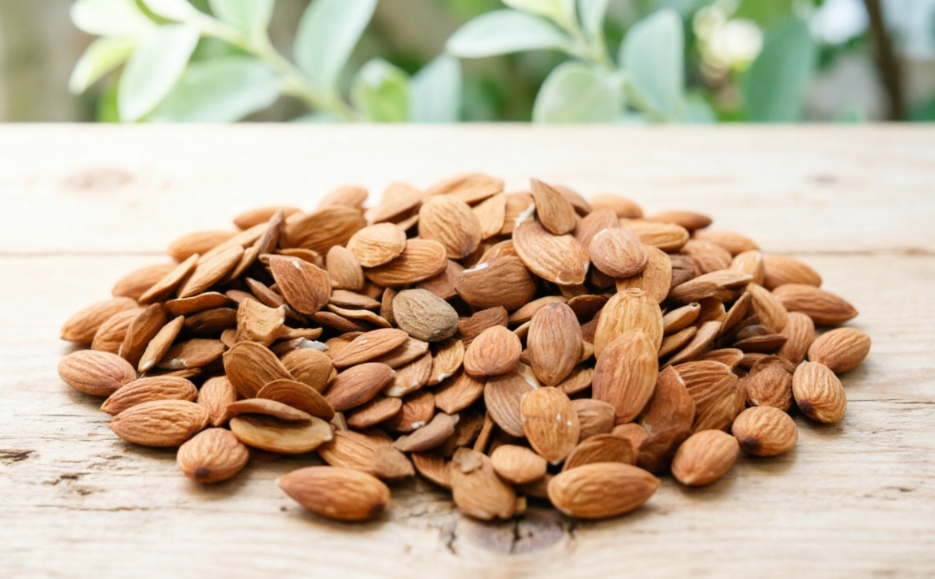
Peach Kernel acts as a modest herb with a major part in traditional Chinese medicine supply. Called Tao Ren, Semen Persicae, or peach seed in Chinese, it comes from the dried ripe seed of the peach tree, Prunus persica. This tree belongs to the Rosaceae family. For those buying herbal goods, sellers, health centers, and part suppliers, Peach Kernel serves as more than a standard TCM item. It demands proper label checks, pure handling, steady keeping, and sure sourcing.
People often look up Peach Kernel in three main ways. They ask what it is. They wonder about its uses. They seek tips on getting good dried Peach Kernel in large amounts. This guide tackles all three parts. It focuses on plant details, old uses, quality marks, storage, seller picks, and business buying.
What Is Peach Kernel?
Peach Kernel means the dried ripe seed of Prunus persica. In traditional Chinese medicine, folks call it Tao Ren. In Latin herb names, it shows as Semen Persicae or Persicae Semen. In buying and selling, people might hunt for peach seed, dried peach kernel, Chinese herb peach kernel, or peach kernel raw material.
All these names refer to the same basic stuff. But they pop up in varied places. “Tao Ren” fits TCM mixes and doctor talks. “Semen Persicae” turns up in tech papers, part lists, and herb records. “Peach Kernel” works best as the English trade name for item pages, bulk asks, and global buyers.
Basic Identity of Peach Kernel
| Item | Details |
|---|---|
| Common English name | Peach Kernel |
| Chinese name | Tao Ren |
| Latin name | Semen Persicae / Persicae Semen |
| Botanical source | Prunus persica |
| Plant family | Rosaceae |
| Used part | Dried mature seed |
| Common trade form | Whole dried kernel, selected kernel, processed raw material |
Right label counts because Peach Kernel can seem like other seed herbs, mainly apricot kernel. In large trade, a buyer should not trust just a picture. The plant source, Chinese name, Latin name, place of origin, handling way, and sample look all must fit the buy request.
What Does Peach Kernel Look Like?
A solid dried Peach Kernel has a clear look. It tends to be long and egg-shaped, with a bit pointed tip. The outside might display lots of tiny rough bumps. When split or sliced, the inner parts feel greasy and pale. This greasy feel fits seed herbs. It sets it apart from dry, crisp, or low-grade items.
Look alone does not cover everything. But it offers buyers a quick first scan. In stock checks, buying teams often eye kernel form, shade, break rate, odd bits, dryness, scent, and lot sameness. If the item seems spotty, holds too many wilted bits, or has an old whiff, deeper checks come before buying.
Fresh-Looking vs. Poor-Quality Dried Peach Kernel
| Quality point | Good dried Peach Kernel | Risk sign |
|---|---|---|
| Shape | Mostly complete, oval kernels | Many broken or crushed pieces |
| Color | Natural off-white to light brown tones | Dark, moldy, or uneven color |
| Texture | Slightly oily cotyledons | Overly dry, dusty, or rancid |
| Surface | Clean with natural granules | Dirt, husk waste, or foreign matter |
| Odor | Mild seed-like smell | Sour, stale, moldy, or chemical odor |
| Batch look | Similar size and color | Mixed, inconsistent, poorly sorted |
For sellers abroad, these facts count. Small quality gaps grow after travel. A full load with much dirt, shaky dampness, or weak wraps can lead to complaints, waits, and redo costs.
Traditional Uses of Peach Kernel in TCM
In traditional Chinese medicine, Peach Kernel stands out for aiding blood flow and clearing stuck blood. It also links to easing dry bowels in old ways. These roles fit TCM ideas. Use them via skilled expert advice, not on your own.
Peach Kernel shows in mixes for stuck blood, hurt from bumps, cycle pain, belly lumps, or hard bowels from dryness. It pairs with other herbs often. It does not act as a lone fast aid. That is why part label and quality matter so much. In TCM making and clinic stock, one bad seed herb can shift the mix aim.
Why Buyers Search for Tao Ren
Buyers might look for “Tao Ren Chinese herb” over “Peach Kernel” if they know the TCM term. Such hunts come from doctors, mix makers, sellers, and herb spots. Price is not their only worry. They often check:
-
Whether the product is true Tao Ren
-
Whether it is whole or processed
-
Whether the batch is clean and stable
-
Whether the supplier can support repeat orders
-
Whether documentation and packaging match local import needs
For sellers, a plain product name and plant label cut wrong asks and build buyer faith.
Main Compounds Found in Peach Kernel
Peach Kernel holds seed fats, protein, amino acids, and plant parts like amygdalin and prunasin. These show in studies and tech chats on Semen Persicae. For trade buyers, the main idea is to skip health claims. Instead, grasp why good control matters.
Amygdalin ranks as a top known part in Peach Kernel and other Prunus seeds. Since cyanogenic glycosides can spark safety issues if mishandled, treat Peach Kernel as a pro herb item. Do not view it as a simple food add. Dose, handling, mix pairing, and area rules need skilled doctors or fit makers.
This counts for item building. A label crafting herb mixes, powders, extract parts, or TCM-linked goods needs a seller with clear label, lot details, and steady handling aid. Low-cost raw stuff without tracking brings more danger than gain.
Peach Kernel vs Apricot Kernel: What Is the Difference?
Peach Kernel and apricot kernel mix up often. Both stem from pit fruits in the Rosaceae family. They share close form, shade, and seed build. In Chinese herb trade, though, they stand apart.
Peach Kernel is Tao Ren. Apricot kernel is Xing Ren mostly. Their old roles, mix parts, and quality rules vary. Apricot kernel ties more to lung and cough old uses. Peach Kernel links stronger to stuck blood and gut easing in TCM. For large buyers, bad swaps hurt item place, mix truth, and user trust.
How to Reduce Confusion During Purchasing
A real buy sheet should say more than “kernel” or “seed.” Add the right herb name, Latin name, item type, amount, needed level, source choice, wraps, and goal area papers.
Take this: dried Peach Kernel, Tao Ren, Semen Persicae, full picked kernel, large pack, source China, with item shots and sample ready before buy okay. Such asks save time for all and cut odds of wrong stuff.
How to Identify High-Quality Peach Kernel
Top Peach Kernel begins with true source stuff. Then, worth hinges on picking, drying, cleaning, keeping, and lot watch. Buyers must not pick by cheap price only. In herb raw parts, the bottom bid might mask high damp, mixed bits, old goods, or shaky stock.
A firm dried Peach Kernel lot should show natural look, pure outside, low dirt amount, and even kernel size. It must lack clear mold, bug harm, thick dust, or odd scent. Damp watch matters most. Seed items hold fat and fade if kept in wet or warm spots.
Buyer Checklist for Peach Kernel Quality
Before a bulk Peach Kernel buy, buyers can scan these:
-
Product name: Peach Kernel, Tao Ren, Semen Persicae
-
Botanical source: Prunus persica
-
Form: whole, selected, processed, or customized
-
Appearance: elongated oval kernels with clean surface
-
Odor: mild and natural, not stale or moldy
-
Moisture: suitable for storage and shipping
-
Impurity: low foreign matter and clean sorting
-
Packaging: sealed, practical, and export-ready
-
Batch support: photos, samples, and repeat supply
-
Supplier response: clear answers on grade, quantity, and delivery
This list suits importers, herb sellers, TCM plants, and custom label buyers seeking ongoing buys over one-off grabs.
Processing, Storage and Packaging Considerations
Peach Kernel counts as a seed herb. So keeping rules count. Warmth, damp, bad air flow, and slack wraps can change shade, whiff, and fat steadiness. In most trade spots, dried Peach Kernel needs clean, dry, cool spots far from strong smells and straight sun.
In handling, picking cuts wilted kernels, split bits, shell junk, dust, and odd matter. For big buys, buyers might ask set pack sizes by their stock and redo needs. Some like large cloth bags for raw work. Others want small boxes or fit wraps for spread.
Wraps also sway ship costs. Tight seed stuff gets heavy quick. A fit seller should talk pack weight, outer bag power, pallet aid, ship way, and goal rules before send. Tiny bits here stop hurt bags and border waits after.
How Peach Kernel Is Used in Herbal Product Development
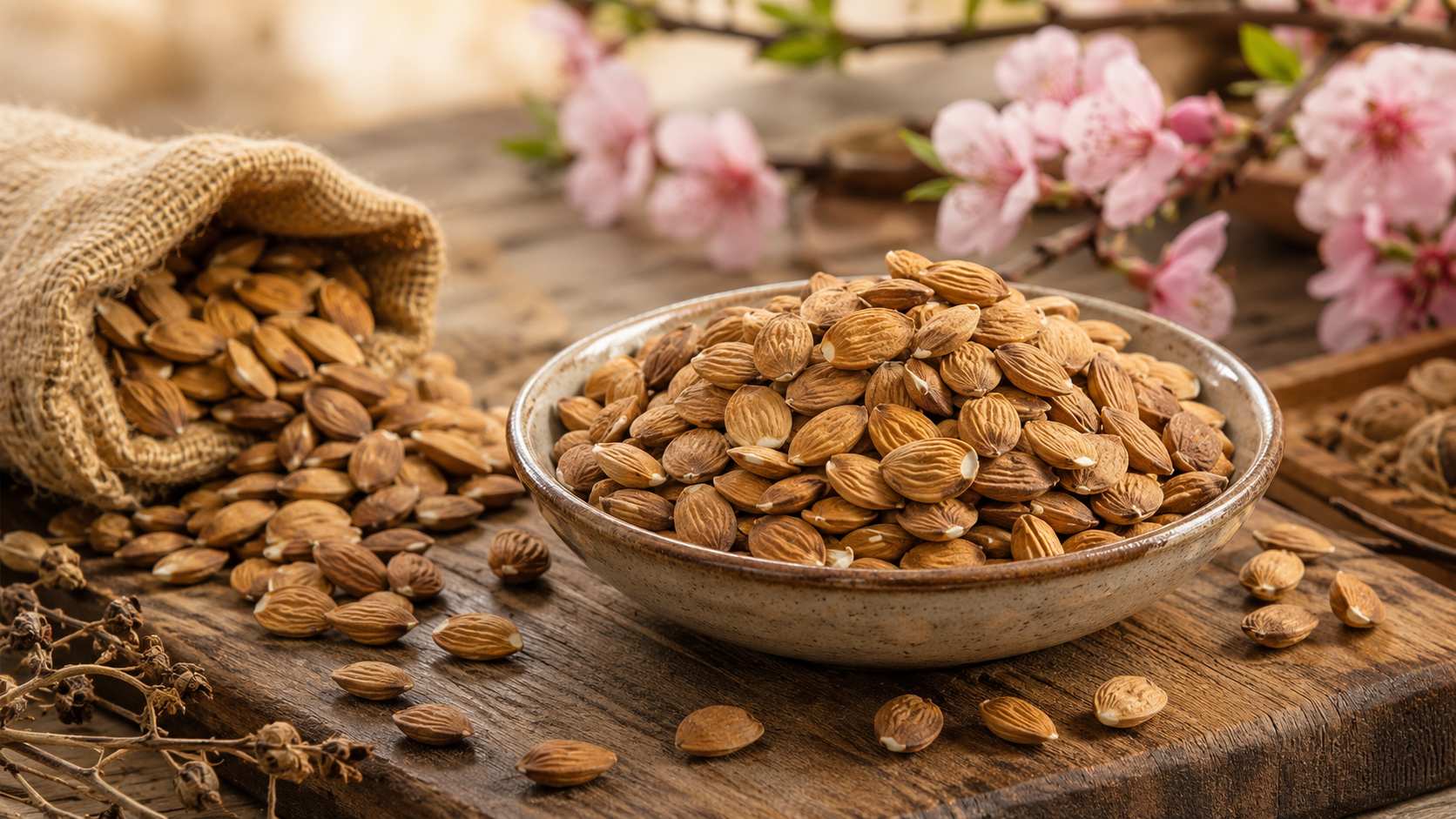
Peach Kernel fits many trade paths. In traditional Chinese medicine supply, it works as raw herb for mix prep. In part trade, it goes to herb good makers, study groups, sellers, and handle plants. Some buyers get dried Peach Kernel for grind, boil-piece stock, or other pro handle needs.
True needs arise from these cases:
-
A TCM seller needs steady Tao Ren stock for area drug stores.
-
A mix maker needs even dried Peach Kernel for ongoing build.
-
An importer wants Chinese herb Peach Kernel with sure plant label.
-
A herb raw buyer weighs bulk Peach Kernel sellers before time buys.
-
A label team needs aid for wraps, checks, and send talks.
In such spots, buyers seek less shocks. They pick a seller who answers plain, sends fit samples, holds lot quality firm, and backs ongoing buys as needs rise.
Choosing a Reliable Peach Kernel Supplier
A sure Peach Kernel seller does over list a name. It must hold steady source, right picking, close keeping, and real send aid. For trade buyers, quick reply and plain papers count too. A slow or fuzzy seller brings woes even if the item seems fine.
When eyeing a Chinese Peach Kernel seller, see if the firm deals in wider Chinese med stuff, if it has true item groups, if it can take large buys, and if it shares clear on wraps, pay, checks, and move steps.
A real seller must chat item level, least buy amount, wait time, sample picks, and send terms. If the buy covers custom label, powder handle, or fit wraps, buyers should okay the steps before pay.
Bozhou Huirui Chinese Medicine Technology Co., Ltd.
Bozhou Huirui Chinese Medicine Technology Co., Ltd. sits in Bozhou, Anhui. This town links tight to Chinese med trade. The firm runs in Chinese med stuff, fine herb powders, rare med stuff, health food parts, farm goods, and herb tea stuff. Its item set spans plant meds, animal meds, mineral meds, freeze-dried fruit, and other linked groups. This gives buyers a broader source base for mixed buys.
The firm’s past ties to long herb trade and supply line build. Its work covers home sales in big Chinese towns and send markets in Southeast Asia, Africa, the Middle East, and more spots. For Peach Kernel buyers, this base counts. Steady stock needs more than one item on hand. It also needs source lines, picking know-how, quality scans, wraps, move match, and real buy care.
For OEM and ODM wants, the firm’s aid flow hits market scan, price quote, buy okay, pay, build, check, wrap, move, and get. Its work stresses raw pick, step watch, clean build ways, and team work. For buyers getting dried Peach Kernel, Tao Ren, or other Chinese herb raw stuff, this seller setup cuts talk gaps and backs ongoing buys.
Conclusion
Peach Kernel marks as a known traditional Chinese medicine stuff with firm hunt need under names like Tao Ren, Semen Persicae, peach seed, and dried Peach Kernel. Its worth rests on true plant label, pure look, right drying, firm keeping, and sure seller aid. For readers, grasp what Peach Kernel is and how it sets from like seed herbs. For trade buyers, pick a seller that gives pure item, plain talk, fit wraps, and ongoing stock. With good quality scans, Peach Kernel sources safer and fits bolder in pro herb good paths.
FAQs
What is Peach Kernel?
Peach Kernel is the dried mature seed of Prunus persica. It is also known as Tao Ren, Semen Persicae, Persicae Semen, peach seed, and 家桃仁 in Chinese herbal trade.
What is Peach Kernel used for?
In traditional Chinese medicine, Peach Kernel is commonly used in formulas related to blood circulation, blood stasis, and intestinal moistening. It should be used under qualified professional guidance, especially in clinical or formula settings.
Is Peach Kernel the same as apricot kernel?
No. Peach Kernel is Tao Ren, while apricot kernel is usually Xing Ren. They may look similar, but their traditional uses and formula roles are different. Buyers should confirm the Latin name, Chinese name, and botanical source before ordering.
How can buyers judge dried Peach Kernel quality?
Buyers should check shape, color, odor, moisture, impurity level, broken rate, packaging, and supplier documentation. A good dried Peach Kernel batch is clean, naturally oily, consistent in appearance, and free from moldy or stale smell.
Where can bulk Peach Kernel be sourced?
Bulk Peach Kernel is commonly sourced from Chinese herbal raw material suppliers. Buyers should choose a Peach Kernel supplier with clear product identity, stable sourcing channels, practical packaging, sample support, and experience in Chinese medicinal material export.


