



Phellodendron Bark: Uses, Quality, and Buying Guide
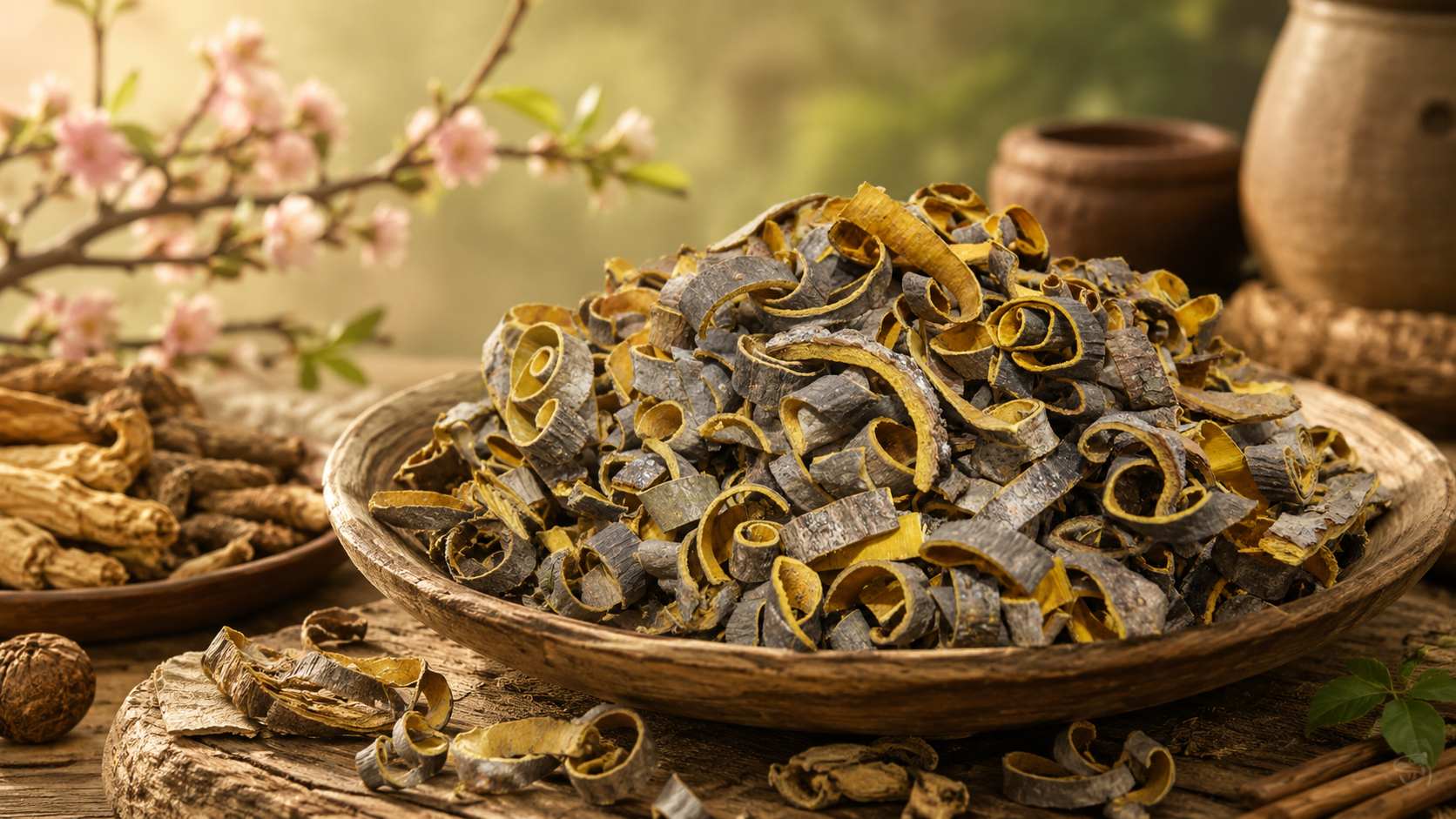
Phellodendron Bark, called Huang Bai or Cortex Phellodendri, stands as a well-known bitter bark herb in traditional Chinese medicine. For those who buy herbs, make formulas, trade raw materials, or build wellness products, it goes beyond a simple dried plant. Its worth stems from plain plant details, a sharp bitter flavor, clear bark traits, and years of use in blends tied to damp-heat and cooling effects.
The trade for Chinese herbal raw items has grown more focused on facts. Buyers no longer seek just cheap prices. They inquire about source, plant type, handling way, shade, wetness, packing, and steady supply. Phellodendron Bark shows why these facts count. A yellow inside bark, thick outer layer, neat cuts, and steady bitterness tell much about the item before tests start.
What Is Phellodendron Bark?
Phellodendron Bark comes from the dried inside bark of trees in the Phellodendron group. In Chinese herbal business, it goes by Huang Bai. English papers might list it as Cortex Phellodendri, Phellodendri Cortex, Phellodendron chinense bark, or Amur cork tree bark.
Names change by area and plant base. Many Chinese supply lines use Phellodendron chinense as a main source. Other places might note Phellodendron amurense in papers or herb guides. This is why solid buying starts with plant proof, not just a usual name.
Common Names and Buying Meaning
Varied names might refer to the same general herb group. But they lack the same exactness at times. For sales abroad, the plant name needs to appear clear on quotes, tags, and quality papers.
| Name Used in Trade | What Buyers Should Check |
|---|---|
| Phellodendron Bark | General English trade name |
| Huang Bai | Common Chinese medicine name |
| Cortex Phellodendri | Latin-style materia medica name |
| Phellodendron chinense bark | Botanical source detail |
| Dried inner bark | Medicinal part and processing focus |
A brief name works in a product list. But big buyers require more before repeat buys.
Why Phellodendron Bark Matters in Traditional Chinese Medicine
In traditional Chinese medicine, Huang Bai serves as a bitter and cool herb. It often links to removing damp-heat, drying wetness, and easing heat signs in classic blend ideas. These ideas fit the TCM framework. They do not act as current medical statements.
Phellodendron Bark does not get picked for taste, scent, or shade appeal. It gets chosen for its classic role and bold bitter nature. That sets it apart from food flavors or gentle strength herbs. In real buying, those seeking Huang Bai usually have a set blend, handling need, or raw standard in view.
Typical Traditional Use Scenarios
In herb work and raw sourcing, Phellodendron Bark might fit:
-
Traditional Chinese medicine formulas involving damp-heat patterns
-
Herbal decoction material where bitter bark herbs are required
-
Processed herbal slices for clinics, pharmacies, or distributors
-
Botanical extract manufacturing where alkaloid-rich raw material is needed
This explains why the herb needs careful handling in details and product talk. It acts as a classic medicinal item, not an easy wellness add for all users.
Main Compounds Found in Phellodendron Bark
Phellodendron Bark draws steady study focus due to its alkaloid levels. Berberine stands as the top compound tied to the herb. But it is not alone. Palmatine, jatrorrhizine, phellodendrine, limonin, obacunone, and other bitter items might appear in studies and quality checks.
For buyers, these items count in two ways. First, they show why the bark holds a sharp bitter flavor and vivid yellow inside shade. Second, they offer clear signs for quality teams in tests. In big orders, sight checks and lab work often pair up.
Berberine and Bitter Alkaloids
Berberine links closely to yellow medicinal plants and bitter bark items. In Phellodendron Bark, it often serves as a main sign in quality reviews. A buyer getting items for extract making might focus on active sign levels. A seller of herb cuts might stress looks, cuts, dryness, and batch sameness.
Both sides hold true. A neat, vivid, bitter bark with firm plant proof usually sells, checks, and handles with ease.
How to Identify High-Quality Phellodendron Bark
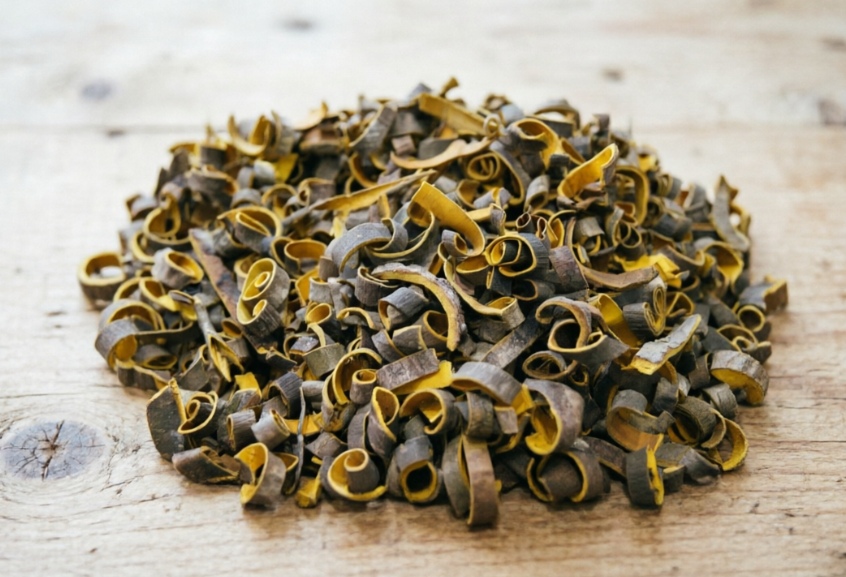
Solid Phellodendron Bark shows a few clear marks. The outside bark tends to be thick, grey-brown to dark grey, with a built cork layer and deep straight splits. The inside bark draws close buyer looks. It ought to display a plain yellow hue and a strong bitter flavor.
For skilled herb buyers, the first look often comes before a sample hits the lab. They check shade, scent, cut width, dust amount, odd bits, and if the batch seems jumbled. A bag with spotty shade, many broken parts, or fuzzy bark layers might add extra check tasks.
Practical Quality Checklist
| Quality Point | What to Look For |
|---|---|
| Botanical identity | Clear plant name such as Phellodendron chinense |
| Medicinal part | Dried inner bark, not random bark material |
| Inner color | Bright yellow to yellow-brown |
| Taste | Strong, clean bitterness |
| Outer bark | Grey-brown to dark grey cork layer |
| Processing | Clean cutting, proper drying, low foreign matter |
| Batch stability | Similar color, size, and texture across the order |
Why Color and Taste Still Matter
Current tests help a lot. But basic spotting keeps its place. Phellodendron Bark ranks among herbs where looks speak clear. Yellow inside bark and bitter flavor are not just extras. They let buyers sort samples fast. This works well when viewing many sellers.
A small bit of 300–500 grams reveals plenty. If shade varies much piece by piece, if dust piles up, or if the bark scents old, the buyer should request batch shots, harvest and handling facts, and ready quality papers before a big buy.
Phellodendron Bark Forms for Different Buyers
Not every buyer wants the same shape of Phellodendron Bark. Herb shops, cut suppliers for brews, extract plants, and trade firms may seek varied handling.
Full or big bark bits aid when buyers wish to view the base item close. Cut pieces ease brew use and repack tasks. Powder fits some later handling needs. But it offers little for sight proof. Extract items demand focus on active signs, solvent way, and steadiness.
Common Forms in the Market
Top buy shapes cover dried bark bits, cut bark pieces, rough ground stuff, powder, and extract base. When asking, buyers must name the shape plain. “Phellodendron Bark” by itself stays too wide for right prices.
A strong ask might list:
-
Required form: whole bark, slices, powder, or extract material
-
Botanical name requirement
-
Quantity and packaging preference
-
Destination country or region
-
Whether photos, samples, or batch documents are needed
-
Moisture, impurity, or marker requirements, if available
Plain ask facts cut time for both and lower odds of wrong quotes.
Safety and Responsible Use
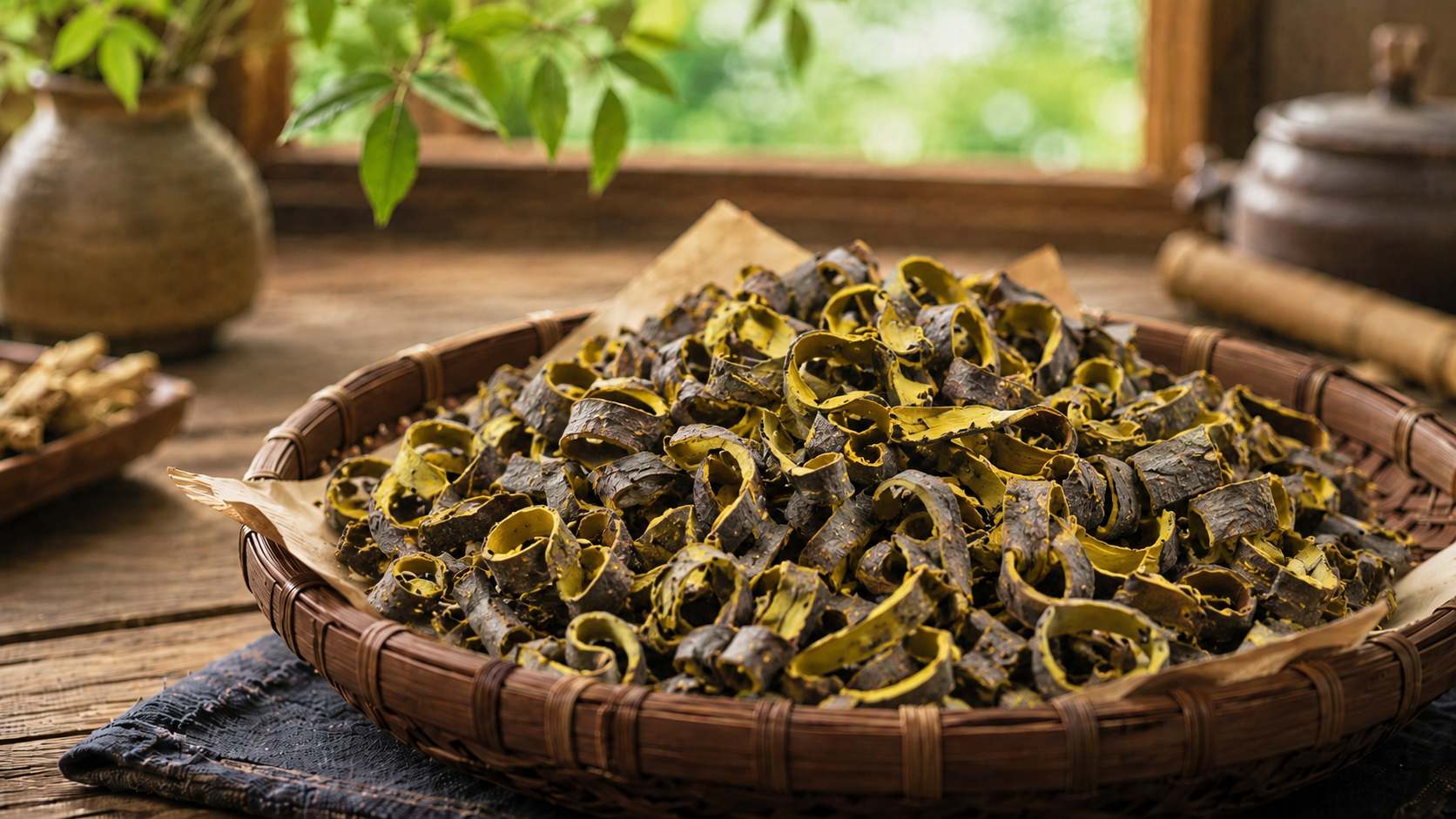
Phellodendron Bark acts as a classic medicinal herb. So safety words count. It should not get pushed as a fix, care, or stand-in for expert medical help. Buyers reaching users must pick words with care. They need to meet local rules for tags, web pages, and import papers.
Since Huang Bai holds active bitter items like berberine alkaloids, some groups must take care. Women who are pregnant or nursing, kids, those with long-term issues, and med users should get pro advice before trying. For business buyers, this means item talks stay true and skip bold health pushes.
How to Choose a Phellodendron Bark Supplier
A steady Phellodendron Bark seller must answer basic questions straight. Where does the item come from? What is the plant name? Is it dried inside bark? Can the seller share fresh batch shots? What packing fits bulk sends? These questions seem simple. But they often split real sellers from loose traders.
For those who import and sell in bulk, steady flow counts as much as sample grade. A fine first bit does little if the next batch differs. Ongoing deals rely on source paths, store care, sorting, drying, and check ways.
What B2B Buyers Should Ask Before Ordering
Before a big Phellodendron Bark buy, buyers ought to ask:
-
Is the material identified as Phellodendron chinense or another source?
-
Is it whole bark, cut slice, powder, or crushed material?
-
What is the current batch color and cutting condition?
-
Can the supplier provide photos before shipment?
-
What packaging protects the herb from moisture during transport?
-
Can samples be sent before a larger order?
Strong sellers skip fuzzy replies. They share straight facts, real shots, and true wait times.
Brand Introduction: Bozhou Huirui Chinese Medicine Technology Co., Ltd.
Bozhou Huirui Chinese Medicine Technology Co., Ltd. sits in Bozhou, Anhui. That spot ranks as a noted center for traditional Chinese medicine trade in China. The firm offers various Chinese medicinal items. These cover plant meds, animal meds, mineral meds, and picked handled goods. Phellodendron Bark falls in its plant med group. Phellodendron chinense lists as the plant name, with China as the source.
The firm’s supply tasks get backing from buy paths, trade know-how, and steps that handle asks, quotes, order care, making, checks, packing, moves, and drops. For those buying Huang Bai and other Chinese herb items, this kind of flow makes gets more sure. It aids sellers in bulk, herb product marks, and importers who want plain talks before ongoing buys.
Bozhou Huirui also helps buyers after wider herb source aid. Its item spread and sales-abroad service fit those needing beyond one herb. When Phellodendron Bark buys pair with other plant meds, a seller with group reach and real pack skills can cut plan work. It helps build a firmer supply setup.
Conclusion
Phellodendron Bark ranks as a standard bitter bark herb with plain worth in traditional Chinese medicine buying. Its main buy spots stay easy to spot: plant proof, dried inside bark, yellow shade, bold bitter flavor, neat handling, and batch sameness. For business buyers, top outcomes come from viewing Huang Bai as a pro herb raw item, not a plain good.
A solid Phellodendron Bark buy should start with clear plans and a good sample view. When the seller can note source, shape, quality marks, packing, and send facts, the buy flow turns smoother and safer for lasting trade.
FAQs
What is Phellodendron Bark?
Phellodendron Bark is the dried inner bark of Phellodendron species used in traditional Chinese medicine. It is commonly known as Huang Bai or Cortex Phellodendri. In sourcing documents, buyers should check the botanical name, such as Phellodendron chinense.
What is Huang Bai used for in traditional Chinese medicine?
Huang Bai is traditionally used in formulas related to damp-heat, bitter-cold clearing properties, and drying dampness. These are traditional medicine concepts, not modern disease treatment claims.
How can buyers identify good Phellodendron Bark?
Good Phellodendron Bark usually has grey-brown to dark grey outer bark, a bright yellow inner bark, strong bitterness, proper dryness, and low foreign matter. Batch photos and samples are useful before bulk orders.
Is berberine found in Phellodendron Bark?
Yes, berberine is one of the well-known alkaloids associated with Phellodendron Bark. Other compounds such as palmatine, jatrorrhizine, and phellodendrine may also be discussed in quality and research contexts.
Where can buyers source bulk Phellodendron Bark?
Bulk buyers should choose a Chinese herbal medicine supplier that can provide botanical identity, current batch photos, clear packaging details, sample support, and stable communication for repeat orders.


