



What Is Dried Vine Fruit
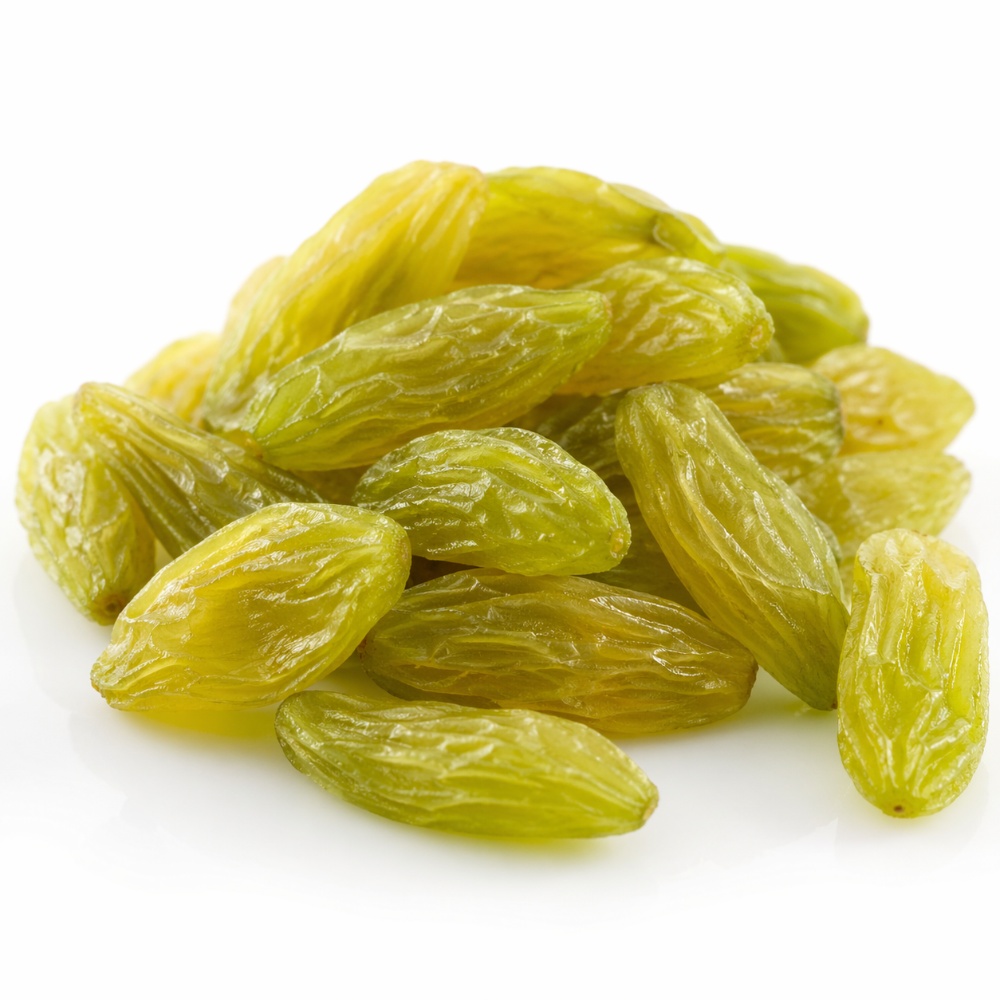
Dried vine fruit is a basic item with strong business worth. It comes from ripe grapes dried until they turn sweet, chewy, and able to last on shelves as raisins. In everyday eating talk, dried vine fruit, dried grapes, and raisins usually mean the same thing. In buying lists and item guides, “dried vine fruit” feels more exact. This is because it shows the fruit grows on grapevines.
Food companies, bread shops, snack producers, tea item creators, and large dried fruit purchasers find dried vine fruit handy. It mixes natural sweet taste, long keep time, simple use, and fit for many recipes.
What Is Dried Vine Fruit?
Dried vine fruit means grapes dried after picking. The fruit grows on grapevines, often linked to the plant name Vitis vinifera. When water drops, the grape shrinks, gets thicker, tastes sweeter, and feels firmer.
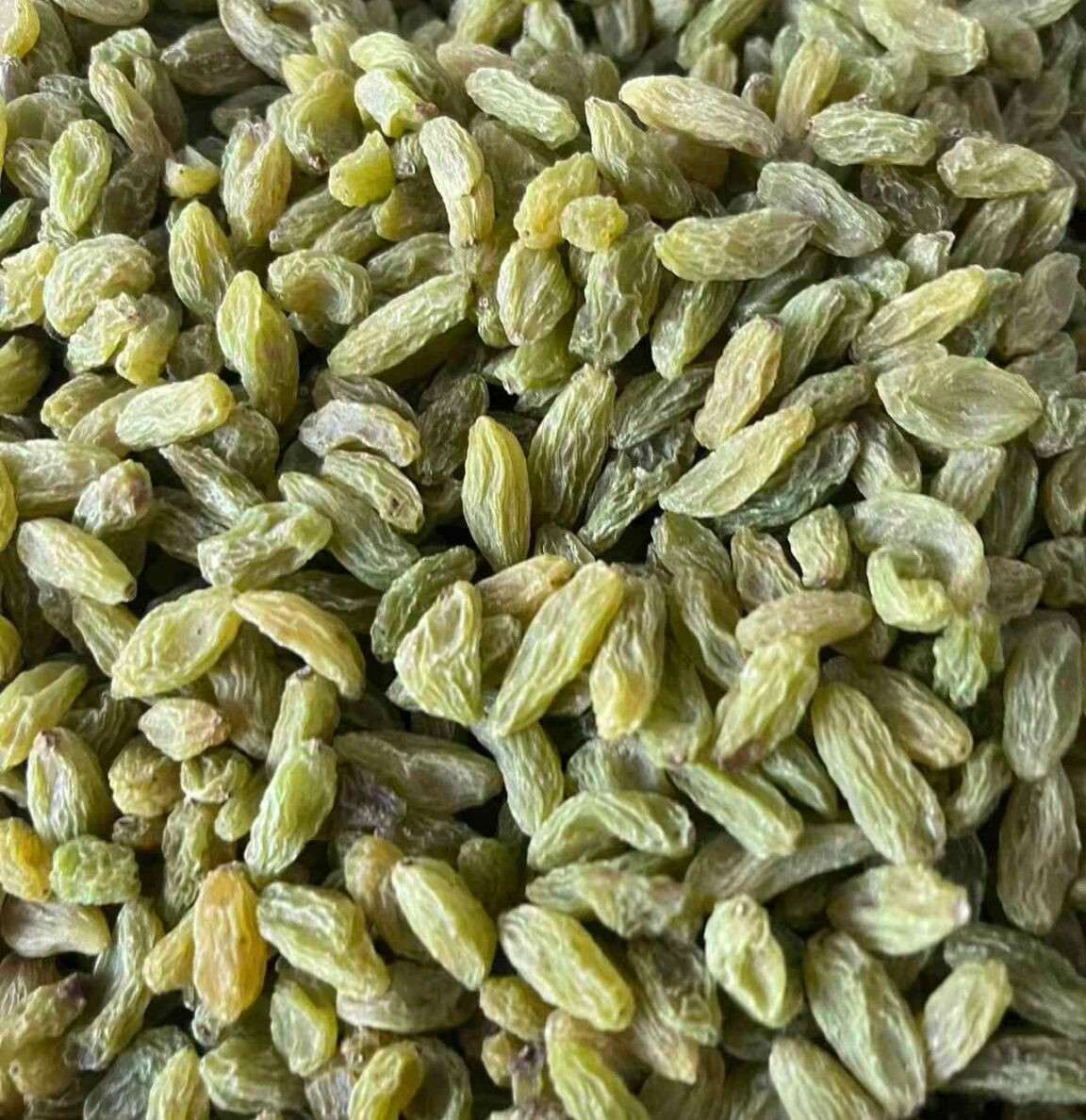
Most people call dried vine fruit raisins. The item can look gold-yellow, pale brown, deep brown, or dark purple. These shade changes often stem from grape kind, dry way, process steps, and if helpers against air are added in drying.
New grapes hold juice and feel soft. Dried grapes stay firm. That is why raisins pack, move, store, and fit into food making easier than new fruit. A bit can bring sweet, chew feel, color, and fruit taste to many items.
Is Dried Vine Fruit the Same as Raisins?
In most eating and business spots, yes. Dried vine fruit equals raisins or dried grapes. “Raisins” fits better in store sales, recipes, and home use. “Dried vine fruit” explains more and shows up in item buying, dried fruit large sales, and detail pages.
There are also linked dried grape items like sultanas and currants. They can vary in grape type, size, shade, sweet level, and process way. Yet, for basic buyers of dried vine fruit, the key item is raisins from ripe grapes.
|
Term |
Common Meaning |
Typical Use |
|
Dried vine fruit |
Dried grapes from grapevines |
Product sourcing, wholesale, ingredient pages |
|
Raisins |
Common name for dried grapes |
Retail packs, recipes, snacks |
|
Dried grapes |
Direct descriptive term |
Nutrition articles, food ingredient listings |
|
Grape raisins |
Commercial long-tail term |
Bulk supply, food manufacturing |
How Dried Vine Fruit Is Made
Making dried vine fruit begins with ripe grapes. Solid start fruit counts because drying packs the grape’s own taste, sugar, color, and feel. Bad grapes will not turn into good raisins after drying.
A usual process has a few steps:
- Harvesting mature grapes at the right sugar level
- Cleaning to remove dust, stems, and visible impurities
- Sorting by size, color, and fruit condition
- Drying through natural sun drying or controlled artificial drying
- Checking moisture to reduce spoilage risk
- Grading according to appearance and quality
- Packing for storage, shipment, or further food production
Sun drying brings a classic dried fruit feel to raisins. Machine drying lets control over wet level, heat, and make time. For business buyers, the key worry is not just the dry method. It is evenness. A bread shop, snack plant, or tea maker needs dried grapes that act the same from group to group.
Main Colors and Types of Dried Vine Fruit
Dried vine fruit does not stay one shade. Its look can go from light gold tones to rich black-purple ones. Shade often stands as one of the first checks for buyers. This is because it shapes how the end item appears.
Gold raisins suit spots needing a bright, neat look. They fit cereal blends, bread stuffs, and store dried fruit bags. Deep brown or black raisins hold a fuller view. People pick them for old-style snacks, plant food items, and recipes wanting a bold dried fruit look.
Shade alone does not show all. Wet amount, feel, clean state, size, and taste matter just as much. A glossy face may draw eyes. But buyers must still see if the fruit feels too damp, too dry, gummy, cracked, or holds odd bits.
Dried Vine Fruit Nutrition
The dry process shapes dried vine fruit nutrition. As grapes lose water, their own sugars, roughage, minerals, and plant bits pack tighter. This turns raisins into energy-rich and tasty items.
A real serving stays much smaller than for new grapes. A small group of raisins gives fast energy. But it can add more heat units than thought if eaten without size watch.
Dried vine fruit often holds:
- Natural fruit sugars
- Dietary fiber
- Potassium
- Small amounts of iron and other minerals
- Plant compounds naturally presentin grapes
This is why dried fruit fits morning meals, snack blends, and easy carry energy foods. It gives sweet without fake taste. Yet, it needs balance in eat or mix plans, above all in items for those watching sugar.
Dried Vine Fruit Benefits in Food Products
Dried vine fruit gains go beyond nutrition. For many purchasers, the larger worth is in how it works. It betters taste, feel, look, and keep power in end items.
Natural Sweetness
Raisins offer a full sweet that suits both plain and mixed recipes. In rolled oats, one spoon can cut extra sugar need. In loaves, treats, or grain bars, dried grapes add sweet while holding a fruit item name.
Chewy Texture
Feel stands as one cause dried vine fruit keeps favor. It brings a mild chew that sets against nuts, seeds, grains, and sharp dried fruit parts. In path mix, for one, raisins even the tough of almonds or squash seeds. In bread items, they keep damp and make each bite fuller.
Long Shelf Life
Next to new grapes, dried vine fruit stores and ships with ease. It fits large dried fruit sales, bulk wrap, and food making where firm stock counts. For eater spots, bread shops, and own-name snack makers, this cuts loss and eases hold plans.
Broad Recipe Compatibility
Dried vine fruit can join sweet, salty, and plant-style items. It fits in morning bowls, baked goods, tea mixes, fruit snacks, and old food preps. This broad fit makes it a useful dried fruit part for small firms and bigger purchasers.
Common Dried Vine Fruit Uses
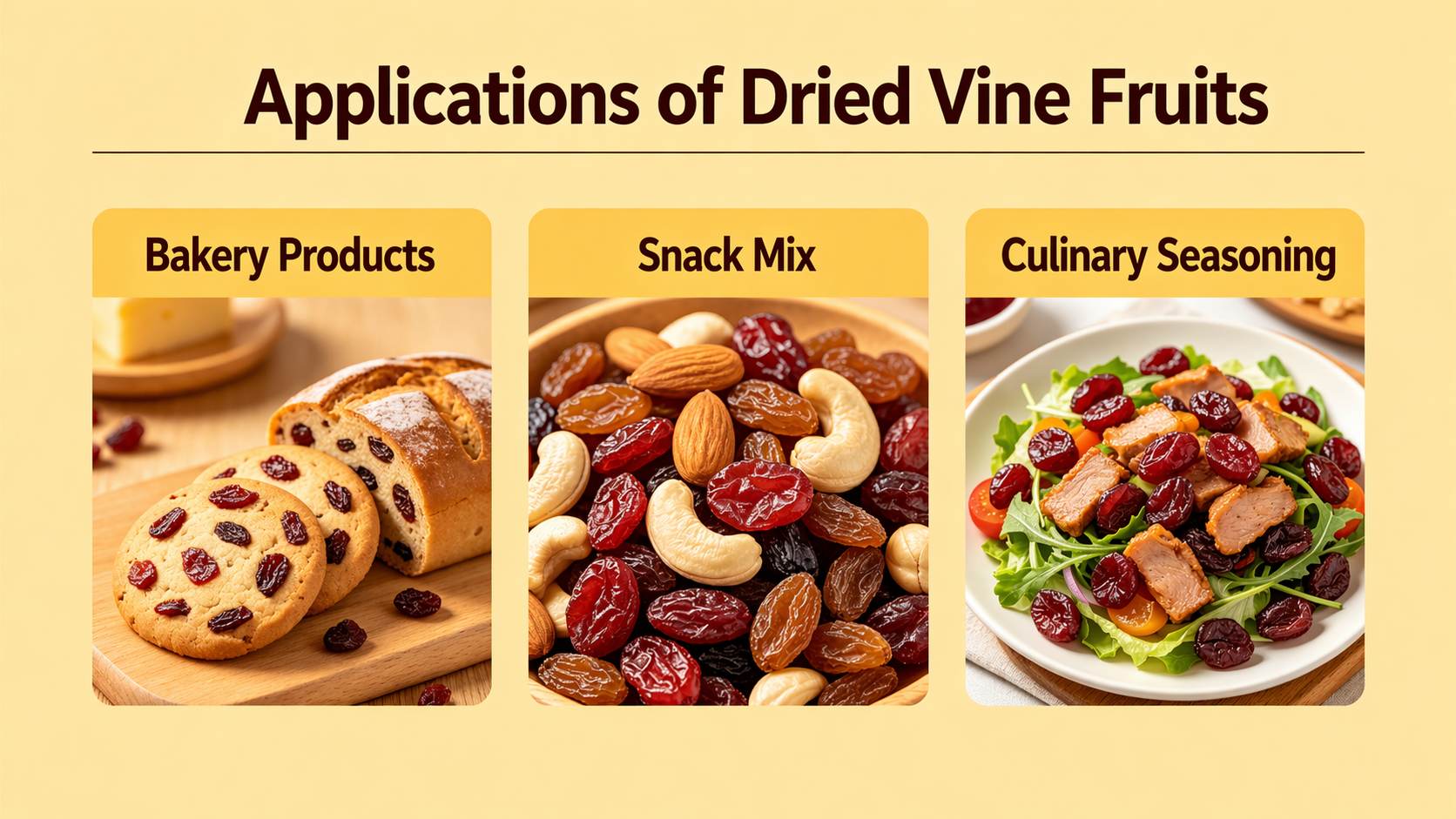
Dried vine fruit uses spread wide because the part handles easy and needs no hard prep. It can go whole, cut, soaked, mixed, or straight into an item plan.
Usual spots include:
|
Application |
How Dried Vine Fruit Is Used |
|
Bakery products |
Added to bread, cookies, cakes, muffins, and pastries |
|
Breakfast foods |
Mixed into oatmeal, granola, muesli, and cereal |
|
Snack products |
Used in trail mix, nut blends, fruit packs, and energy bites |
|
Tea and herbal blends |
Added for mild sweetness and fruit character |
|
Confectionery |
Used in chocolate, fruit bars, and coated snacks |
|
Food service |
Used in salads, rice dishes, sauces, and desserts |
|
Retail packs |
Sold as natural dried fruit for everyday snacking |
In bread making, dried vine fruit works best after a soak. It softens and pulls less damp from the mix. In snack making, the goal feel differs. Buyers may want raisins that chew but not stick, with low cracks and neat look.
For tea mixes and plant food items, shade and clean state matter most. Dark specks, dirt, cracked fruit, and odd sizes can harm the end mix look.
Dried Vine Fruit vs. Freeze-Dried Fruit
Dried vine fruit and freeze-dried fruit both count as dried fruit items. But they feel unlike in the mouth and meet unlike goals.
Dried vine fruit chews, tastes sweet, and packs dense. It suits baked items, snack blends, grains, and food making. Freeze-dried fruit stays crisp, light, and hole-filled. It often goes in quick drinks, fruit dusts, yogurt tops, and high-end snack items.
Dried vine fruit holds a more old dried fruit feel. It often costs less for large use. Freeze-dried fruit may keep more new fruit shape and bright shade. But the price runs higher since the way takes more work.
For item creators, the pick rests on the end eat feel. A chewy grain bar may need raisins. A crisp berry snack may need freeze-dried fruit. A mixed item may use both.
How to Choose High-Quality Dried Vine Fruit
Good dried vine fruit must stay clean, even, and fit for the buyer’s plan. A store snack firm may focus on look. A bread shop may stress damp, taste, and work in baking. A large buyer may eye rank, wrap, and supply steadiness.
Main checks cover:
- Color: Should match the product requirement, from golden to dark brown or blackish-purple.
- Texture: Should be chewy, not overly hard, wet, or sticky.
- Moisture: Should be controlled for storage and transport.
- Cleanliness: Should be free from obvious stems, sand, dust, and foreign matter.
- Grade: A clear specification, such as AA grade, helps buyers compare quality.
- Origin: China is an important sourcing region for many dried fruit and herbal products.
- Packaging: Bulk packaging should protect the product during storage and shipment.
For big orders, samples count key. A buyer can test taste, smell, shade, damp, and fruit size before a large dried fruit buy. This easy move aids in dodging issues later in making.
Why Supplier Selection Matters
A dried fruit seller does over send boxes. For business buyers, the seller shapes item good, ship time, papers, talks, and steady re-buys.
Firm dried vine fruit large sales matter most for firms on time-based items. For one, a bread shop readying holiday raisin loaves or a snack firm on path mix cannot take big shifts in shade, size, or damp across groups.
A solid seller should give:
- Clear product specifications
- Stable sourcing channels
- Practical packaging options
- Quality inspection before shipment
- Support for bulk orders
- Responsive communication for custom needs
For buyers on own-name dried fruit, plant food items, or mixed part bags, make-own and design-own aid can save time. Market check, quote, order care, pay, make, check, wrap, move, and get all form a full buy flow.
Bozhou Huirui Chinese Medicine Technology Co., Ltd.
Bozhou Huirui Chinese Medicine Technology Co., Ltd. sits in Bozhou, Anhui. This spot stands known for old Chinese medicine trade. The firm deals with Chinese med items, plant goods, freeze-dried fruit, and linked natural parts. These include dried vine fruit.
Its buy net spans many areas. Supply lines link to spots like India, Thailand, Ethiopia, Vietnam, and Nigeria. Home sales reach big Chinese towns. Sell-out business hits Southeast Asia, Africa, the Middle East, and more areas.
For dried vine fruit and like natural parts, the firm’s worth lies in real business-to-business aid. This covers raw buy, make link, check, wrap, and ship. Its make-own and design-own steps also back buyers needing custom item build, own-name wrap, or firm large supply. Good check, fair price, and long trade skill make it a fit match for buyers after dried fruit parts and old Chinese med-linked items from China.
Conclusion
Dried vine fruit best known as raisins or dried grapes. It forms from ripe grapes via natural sun dry or machine dry. Then it goes into snacks, bread items, grains, tea mixes, sweet goods, and food making. Its worth stems from natural sweet, chew feel, long keep, and broad use.
For buyers, the main factors stay not just price. They cover shade, damp, rank, clean, wrap, and seller trust. A good dried vine fruit seller aids in keeping the end item even, nice, and fit for the goal market.
FAQs
What is dried vine fruit?
Dried vine fruit is dried grapes, commonly known as raisins. It is made by reducing the moisture of mature grapes so the fruit becomes sweet, chewy, and shelf-stable.
Is dried vine fruit the same as raisins?
Yes. In most food and sourcing contexts, dried vine fruit means raisins or dried grapes. The name “dried vine fruit” highlights that the fruit comes from grapevines.
What is dried vine fruit used for?
Dried vine fruit is used in snacks, bakery products, oatmeal, cereal, granola, trail mix, tea blends, confectionery, and food manufacturing. It can also be sold in retail dried fruit packs.
Is dried vine fruit healthy?
Dried vine fruit can be part of a balanced diet. It provides natural fruit sugars, fiber, minerals, and plant compounds from grapes. Because it is calorie-dense, portion control is important.
Where can buyers source bulk dried vine fruit?
Bulk dried vine fruit should be sourced from a supplier that can provide clear specifications, stable quality, suitable packaging, inspection support, and reliable communication for wholesale or OEM orders.


