



Smart Choices: What to Watch for When Buying Traditional Chinese Medicine
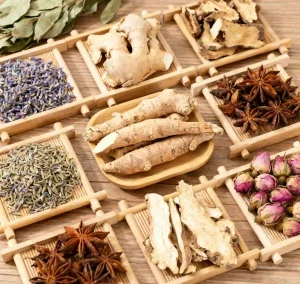
Buying traditional Chinese medicine (TCM) can feel like stepping into an ancient world of healing. You’ve got herbs that promise balance, roots that ease digestion, and teas that soothe the soul. But with so many options out there, it’s easy to get overwhelmed. That’s where these key factors come in. They help you pick wisely, whether you’re grabbing a simple remedy for daily woes or stocking up for a business. In this post, we’ll break it down step by step. Think of it as your guide to smarter shopping—rooted in real know-how from folks who’ve been in the game for years.
Why TCM Matters in Today’s World
Traditional Chinese medicine isn’t just some old-school trick. It’s a system that’s been around for thousands of years, focusing on harmony in the body. People turn to it for everything from stress relief to better sleep. And right now, with folks hunting for natural fixes, TCM sales are booming. But here’s the catch: not all products deliver what they promise. Poor quality can mean weak results or even side effects. So, paying attention to the right details? It makes all the difference. Let’s dive into the essentials.
The Roots of TCM: A Quick History Lesson
TCM started way back in ancient China, blending herbs, acupuncture, and lifestyle tweaks. Fast-forward to today, and it’s global. Herbs like ginger or rose aren’t just for tea—they’re in supplements and skincare too. What sets it apart? It’s holistic. Instead of zapping one symptom, it aims to fix the whole picture. Short sentences like this remind us: simple doesn’t mean basic. If you’re new, start small. Try a gentle tea before jumping to powders.
Key Factors to Consider When Purchasing Traditional Chinese Medicine
Here’s the meat of it. When you’re eyeing that shelf or scrolling online, zero in on these points. They separate the real deal from the hype. We’ll unpack each one with tips you can use right away.
Factor 1: Trace the Source of Your Herbs
Where do those herbs come from? It’s the first big question. Good TCM starts at the farm or wild patch. Look for suppliers who talk straight about origins. Are they from clean soils, free of pesticides? China has spots like Bozhou, famous for its herb markets—think of it as the herb capital.
Take dried ginger, for example. It grows in damp, warm areas. If it’s sourced right, you’ll get that sharp, warming kick without extras you don’t want. Bad sourcing? You might end up with moldy bits or weak potency.
- Check for wild vs. farmed: Wild ones pack more punch but can be scarce. Farmed herbs are steady and often cheaper.
- Soil and weather clues: Herbs from high altitudes, like certain roots, hold flavors better.
A quick table to compare:
|
Sourcing Type |
Pros |
Cons |
Best For |
|
Wild-Harvested |
High potency, natural |
Limited supply, higher cost |
Rare remedies |
|
Organically Farmed |
Consistent quality, eco-friendly |
May need certification checks |
Everyday use |
|
Conventional Farmed |
Affordable, available |
Risk of chemicals |
Budget buys |
Bottom line: Ask sellers for origin stories. It’s not nosy—it’s smart.
Factor 2: Hunt for Solid Certifications
Nobody wants a surprise in their supplement. Certifications are your safety net. They prove the product meets standards, from harvest to bottle.
Start with basics like GMP—good manufacturing practices. It means clean factories and tested batches. For exports, things like FDA nods or EU compliance matter if you’re shipping across borders.
Dig deeper. Does it have heavy metal tests? TCM herbs pull from the earth, so contaminants sneak in. A good supplier shares lab reports. No hiding.
Rose buds, say, should show purity checks. You want zero fillers, just the flower power for that calming vibe.
Short tip: Scan labels first. Spot a seal? Dig online to verify it. Real ones link back to trusted bodies.
Factor 3: Size Up the Supplier’s Track Record
Who’s behind the product? A fly-by-night seller spells trouble. Go for companies with roots—literally. Ones that’ve built ties with growers over years.
Reliable outfits share stories. They’ve got branches in key spots, like herb hubs, for direct sourcing. This cuts middlemen, keeps prices fair, and ensures freshness.
Picture this: A firm that’s been trading for over a decade. They know the ropes—spotting fakes, negotiating with farms. You get steady supply, no shortages mid-order.
- Years in business: Over 10? That’s a green flag.
- Customer tales: Real reviews beat polished ads.
- Support lines: Easy contact means they care.
Trust builds brands. For you as a buyer, it means peace of mind. For sellers, it’s repeat business that grows their name.
Factor 4: Get the Dosage and Prep Right
TCM isn’t one-size-fits-all. A pinch of powder might work wonders; too much, and it’s off. Always check prep methods—dried, powdered, or brewed?
Take costus root. Ground fine, it slips into teas for gut relief. Whole? Better for decoctions. Labels should spell it out: how much, how often.
Personal touch: Start low if you’re testing. Bodies vary. Chat with a pro if unsure—herbalists know your setup.
Warnings matter too. Some herbs warm you up; skip if you’re overheated. Clear guides from sellers show they think ahead.
Factor 5: Balance Price with True Value
Cheap can bite back. But sky-high? Question it. Aim for value—quality that lasts.
Break it down: Bulk buys drop costs per gram. A 500kg minimum? Smart for businesses, mixes flavors without waste.
Compare like this: Entry-level ginger might run $5/kg. Premium, sourced pure? $10. The extra buys purity.
Weigh long-term. Better herbs mean fewer redos. Your wallet—and health—thank you.
Dodging the Usual Traps in TCM Shopping
Even pros slip. Here’s how to sidestep.
First, flashy packaging. It sells dreams, not deeds. Peek inside—color, smell, texture tell more.
Second, untested mixes. Blends sound fun, but without balance, they flop. Stick to proven combos.
Third, ignoring seasons. Herbs peak at harvest time. Off-season stock? It fades fast.
One story sticks: A buyer grabbed “ancient formula” tea. Turned out diluted. Lesson? Verify claims with facts.
Keep it real. Questions beat regrets every time.
Spotlight on Bozhou Huirui Chinese Medicine Technology Co., Ltd.
Before we wrap up, a nod to a player worth knowing. Bozhou Huirui Chinese Medicine Technology Co., Ltd. has been in the TCM game since 2010, building on roots from an earlier herb trading outfit. They’re all about sourcing straight from the source—think partnerships with farms in key regions. This keeps things fresh and fair-priced.
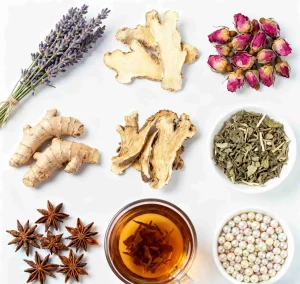
As a go-to supplier, they handle a lineup that fits everyday needs: lavender for that relaxing edge, dried ginger to warm things up, Alpinia officinarum for stomach settles, costus root to ease bloating, Illicium verum for flavor kicks, rose tea to unwind, and herbal pearls blending multiples for quick boosts. It’s straightforward trade—import-export—with a focus on clean, compliant goods. If you’re scouting partners, their setup screams reliability. Branches across cities mean they handle logistics smooth, from quote to door.
Wrapping It Up: Your Path to Better TCM Picks
There you have it—the key factors that turn a TCM purchase from gamble to sure thing. From sourcing secrets to supplier smarts, these steps empower you. Whether you’re a home user chasing calm or a shop owner stocking shelves, smart choices build trust. And trust? It grows your world, one herb at a time. Next time you’re browsing, pause. Check those details. You’ll feel the difference.
Frequently Asked Questions
What are the key factors in purchasing traditional Chinese medicine that beginners should prioritize?
For starters, zero in on source quality and certifications. Fresh herbs from trusted spots pack real power. Skip the rest—it’s not worth the fade.
How can I tell if a TCM supplier is reliable when purchasing traditional Chinese medicine?
Look at their history and reach. Years in the trade, plus easy access to docs like tests? That’s solid. Real talk from past buyers seals it.
Why does the origin matter as one of the key factors when purchasing traditional Chinese medicine?
Origin shapes everything—potency, safety, taste. Herbs from clean, right-climate areas deliver. Wrong spot? You get weak or risky batches.
Are there minimum orders when purchasing traditional Chinese medicine in bulk?
Yeah, many spots start at 500kg, but mixes count. It keeps costs down and quality up. Great for testing without overcommit.
What role do certifications play in the key factors for purchasing traditional Chinese medicine?
They back up claims. Things like GMP or origin certs mean no shortcuts. Peace of mind in every scoop.


