



Natural Relief: The Science of Freeze-Dried Pitaya for Gut Health
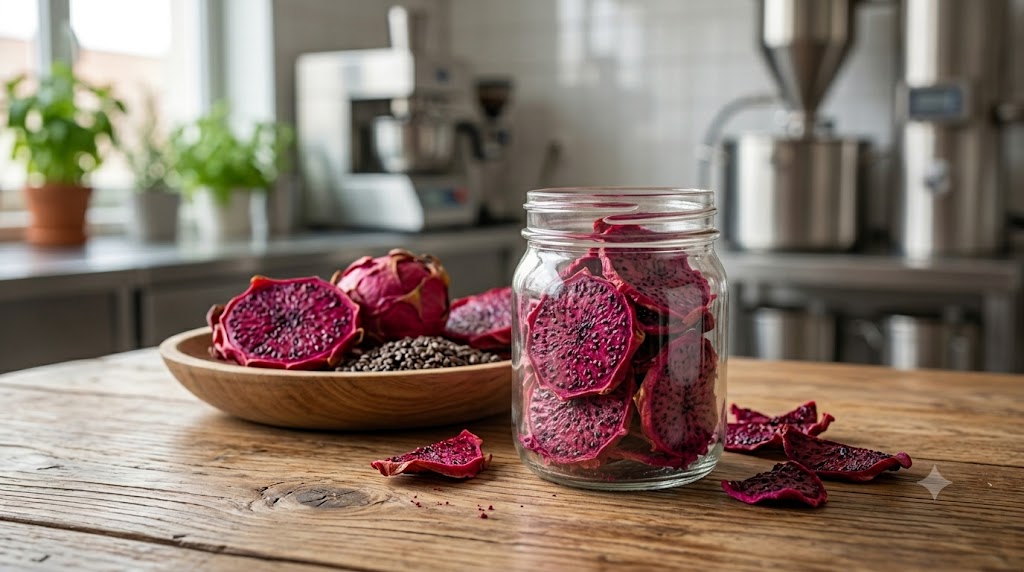
The modern diet faces a significant hurdle. Refined foods, desk-bound routines, and chronic stress regularly disrupt human digestion, leading to widespread gut issues like sluggish transit and bloating. While many people turn to synthetic fiber supplements or over-the-counter laxatives, a vibrant, natural alternative is gaining ground in the global functional food sector. Red pitaya, commonly known as dragon fruit, has earned a reputation as a digestive powerhouse. When processed using advanced low-temperature techniques, this tropical fruit transforms into a highly stable ingredient capable of reshaping digestive wellness.
Understanding how this plant matrix interacts with the human digestive tract requires a look into the gut microbiome. The biological mechanics of freeze-dried pitaya explain how it relieves occasional constipation and fosters a balanced internal ecosystem.
Does Dragon Fruit Help You Poop? The Science of Constipation Relief
When people experience chronic sluggishness in their digestive tract, the immediate question is practical: does dragon fruit help you poop? The answer from nutritional biology is definitive. Red pitaya acts as a natural, non-stimulant laxative by targeting the physical causes of slow intestinal transit without causing the dependency associated with pharmaceutical alternatives.
Intestinal movement relies on stool volume and moisture balance. When the colon absorbs too much water, waste becomes hard and difficult to pass. Red pitaya alters this dynamic through its unique structural components. Once ingested, the fruit compounds pass into the stomach and intestines, drawing moisture into the bowel cavity. This natural hydration process alters the physical state of intestinal waste, making elimination smooth and predictable.
The mechanical action is supported by the physical seeds embedded throughout the red pitaya pulp. These tiny, fibrous seeds pass through the upper digestive tract mostly intact. In the lower intestine, they act as mild mechanical stimulants on the intestinal walls. This gentle friction triggers peristalsis, the rhythmic muscular contractions required to move waste through the colon. This dual action of moisture retention and mechanical stimulation provides predictable relief from occasional constipation.
Red Dragon Fruit Nutrition Facts: What Makes Pitaya a Gut-Healing Superfood
Evaluating the therapeutic value of this fruit requires an analysis of its raw components. The red dragon fruit nutrition facts reveal a complex matrix of dietary fiber, micronutrients, and active botanical pigments that work together to restore intestinal balance. When fresh fruit undergoes dehydration, these active elements concentrate, increasing their nutritional value per gram.
Soluble and Insoluble Dietary Fiber Balance
Dietary fiber is essential for solid digestive health, but the ratio of fiber types determines its overall effectiveness. Freeze-dried pitaya delivers an ideal blend of both soluble and insoluble dietary fibers. Insoluble fiber adds necessary bulk to waste material, acting like a broom that sweeps through the intestinal tract to accelerate transit time.
Concurrently, soluble fiber dissolves in water to form a viscous, gelatinous gel. This gel coats the intestinal lining, soothing irritated tissues and slowing glucose absorption. More importantly, it retains moisture within the stool matrix, preventing the hardening that typifies chronic constipation. This balanced structural combination eliminates the bloating often caused by pure insoluble fiber supplements.
Natural Prebiotics for Bifidobacteria
Beyond structural fiber, red pitaya is rich in specialized non-digestible carbohydrates, primarily oligosaccharides. These complex sugars resist breakdown by human salivary and gastric enzymes, arriving in the large intestine completely intact.
Once in the colon, these oligosaccharides serve as a targeted food source for beneficial gut bacteria, particularly Bifidobacteria and Lactobacilli. By feeding these microbes, the fruit alters the composition of the gut microbiota, allowing helpful populations to outnumber harmful bacteria like Escherichia coli.
Betacyanins and Antioxidants
The striking deep-pink hue of red pitaya comes from high concentrations of betacyanins, a class of powerful nitrogenous pigments. These compounds provide more than visual appeal; they serve as potent systemic antioxidants.
The human gut lining is susceptible to low-grade inflammation caused by poor diet and environmental stressors. Betacyanins neutralize free radicals within the intestinal mucosa, reducing localized oxidative stress. This antioxidant protection helps maintain tight junctions between intestinal cells, supporting a strong gut barrier and preventing unwanted compounds from passing into the bloodstream.
Freeze-Dried vs. Fresh & Spray-Dried: Why Freeze-Dried Pitaya Rules Gut Health
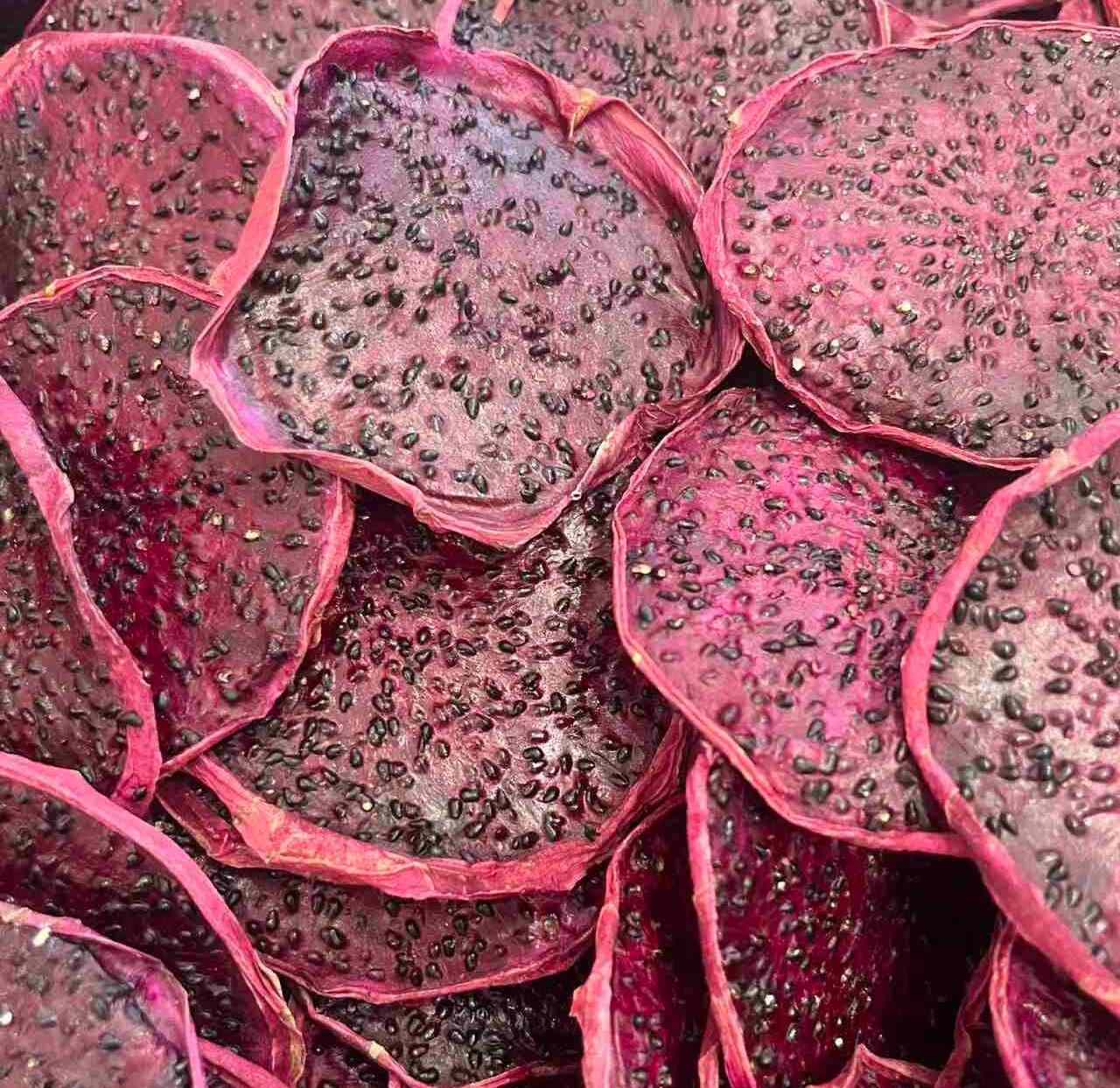
The method used to convert fresh pitaya into a shelf-stable fruit directly impacts its structural integrity and functional benefits. Traditional preservation methods often compromise volatile nutrients, making processing technology a key factor for industrial food manufacturers and wellness brands seeking clean-label ingredients. Freeze-drying technology preserves the raw properties of the fruit far better than heat-reliant alternatives.
Fresh red pitaya contains over eighty percent water, making it highly perishable and prone to nutrient degradation within days of harvest. It is also challenging to transport globally. Spray-drying is a common commercial alternative, but it relies on intense heat that breaks down delicate betacyanins and reduces vitamin content. Furthermore, spray-drying requires carrier agents, often thirty to fifty percent maltodextrin, to prevent clotting. This dilutes the purity of the fruit and conflicts with clean-label standards.
In contrast, cold-temperature freeze-drying operates via sublimation under a vacuum. The fruit freezes solid before moisture is drawn out as vapor, bypassing the liquid phase. This protects the cellular matrix, keeping the prebiotic oligosaccharides, dietary fibers, and antioxidants fully intact without artificial additives.
| Feature / Processing Method | Fresh Red Pitaya | Spray-Dried Fruit | Advanced Freeze-Dried Pitaya |
|---|---|---|---|
| Fiber & Prebiotic Structure | Intact but degrades quickly | Damaged by thermal heat | Fully preserved via vacuum sublimation |
| Betacyanin Retention | High in fresh state | Low due to heat exposure | Maximum retention of natural pigments |
| Carrier Ingredients | None | Requires 30% to 50% maltodextrin | 100% pure fruit with zero additives |
| Ambient Shelf-Life | Three to seven days | Twelve months | Twenty-four months in sealed storage |
The Microbiome Connection: How Pitaya Fuels Short-Chain Fatty Acids
The true impact of freeze-dried pitaya on long-term wellness occurs through chemical changes in the lower intestine. When beneficial colon bacteria ferment the prebiotic fibers found in the fruit, they produce vital chemical byproducts known as short-chain fatty acids.
These short-chain fatty acids, primarily acetate, propionate, and butyrate, act as central signaling molecules for overall metabolic and digestive health. Butyrate serves as the primary energy source for the epithelial cells lining the colon, assisting with continuous cellular repair and maintenance.
[Freeze-Dried Pitaya Consumption]
│
▼
[Prebiotic Oligosaccharides Enter Colon]
│
▼
[Fermentation by Bifidobacteria & Lactobacilli]
│
▼
[Production of Short-Chain Fatty Acids (SCFAs)]
┌──────┴──────────────────────┐
▼ ▼
[Lower Intestinal pH] [Energy for Colon Cells]
│ │
▼ ▼
[Inhibits Pathogens] [Repairs Mucosal Barrier]
The production of these acids lowers the internal pH of the colon, creating a slightly acidic environment. This pH shift is highly beneficial; it discourages the growth of pathogenic bacteria while optimizing the absorption of essential minerals like calcium and magnesium. Furthermore, short-chain fatty acids interact with the enteric nervous system, sending chemical signals that regulate systemic intestinal motility. This biological process ensures consistent, natural muscle contractions, addressing the root causes of chronic constipation.
How to Use Freeze-Dried Dragon Fruit for Daily Wellness and Product Formulation
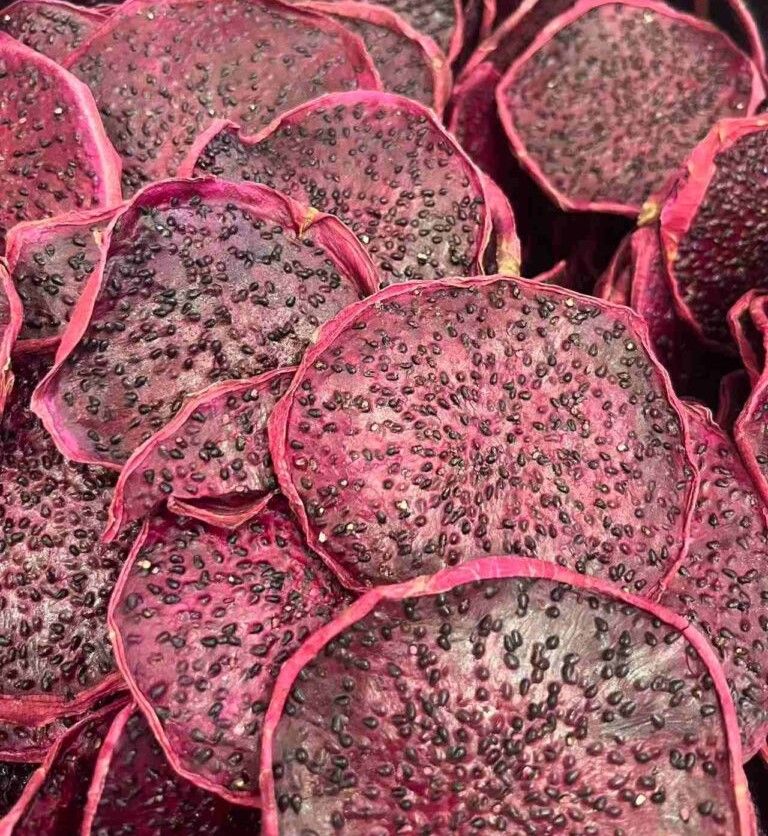
Integrating this pink superfood into daily routines or industrial applications is straightforward due to its adaptable physical properties. The fine texture and high solubility of the freeze-dried fruit allow it to blend into diverse formulations without altering underlying base textures.
For personal wellness and consumer applications, the fruit integrates easily into functional breakfasts and drinks. Adding a single spoonful to morning smoothie bowls, plant-based yogurts, or chia seed puddings introduces clean dietary fiber and an appealing pink color. Because it dissolves easily in cold liquids, it serves as a functional ingredient for vibrant iced lattes, herbal teas, and sports rehydration drinks. In home baking, it functions as a plant-based, clean-label substitute for artificial food colorings in items like macaroons, frostings, and vegan cheesecakes.
For commercial food manufacturers, beverage brands, and dietary supplement formulators, bulk dragon fruit solves classic manufacturing challenges. It offers exceptional stability in dry blend formulations, such as meal replacement shakes, clean-label detox powders, and prebiotic fiber blends. Its prolonged shelf life allows commercial operations to manage seasonal ingredient shortages while delivering consistent nutritional metrics across large production batches.
Sourcing Premium Pitaya: The Bozhou Huirui Medicine Sourcing Standard
Securing consistent, high-purity botanical ingredients requires rigorous supply chain management and manufacturing discipline. Bozhou Huirui Chinese Medicine Technology Co., Ltd. addresses this market demand by applying strict traditional quality standards to modern fruit processing. Situated in Bozhou, a historic hub for global botanical commerce, the company uses strict quality control and advanced testing frameworks developed through years of handling delicate plant materials.
The company manages its freeze-dried pitaya supply chain from initial agricultural monitoring through final vacuum processing. Raw fruits undergo testing for heavy metals, agricultural residues, and microbial purity before entering the dehydration line. By applying pharmaceutical-grade quality control to commercial food ingredients, the operation ensures its freeze-dried dragon fruit slices and powders meet international compliance demands. This rigorous verification process provides global food, beverage, and nutraceutical brands with clean, traceable ingredients that align with clean-label market standards.
Conclusion
Freeze-dried red pitaya is far more than a visual trend on social media; it is a scientifically backed functional food that addresses core aspects of digestive wellness. By delivering an optimal balance of soluble and insoluble fibers alongside potent prebiotic oligosaccharides, it provides reliable relief from slow intestinal transit while actively nourishing the gut microbiome. For consumers, it offers an effective, pleasant way to manage daily digestive health without synthetic additives. For industrial food manufacturers and brand owners, it serves as a pure, nutrient-dense ingredient that fulfills the growing consumer demand for clean-label, plant-based products.
Frequently Asked Questions
Can freeze-dried dragon fruit completely replace fresh fruit for constipation relief?
Yes, the freeze-dried can fully replace fresh fruit for digestive purposes. The low-temperature vacuum dehydration process removes water content while leaving the dietary fibers, prebiotic oligosaccharides, and active nutrients intact.
How long does it take to see improvements in digestion after using pitaya?
For occasional constipation, many people notice increased intestinal movement within twelve to twenty-four hours due to the hydration of waste matter and the gentle physical action of the seeds. For long-term gut microbiome improvements, such as increased levels of beneficial Bifidobacteria, consistent daily use over two to three weeks is typically required.
Does bulk freeze-dried pitaya contain any added sugars or artificial preservatives?
Premium freeze-dried pitaya processed under strict manufacturing standards contains zero additives, added sugars, preservatives, or artificial carriers like maltodextrin. The low moisture level naturally prevents microbial growth, allowing the product to remain stable at room temperature for up to twenty-four months in its original, unadulterated state.


