




Lavender’s Journey: Exploring the History, Science, and Secrets of Its Production
Lavender pulls folks in with its gentle smell and bright purple flowers. You might have caught its scent in bath bars or spotted it swaying in warm fields. But this plant holds more than what you see right away. It carries a tale that goes back many years, a firm place among other plants, and a method of growing that folks have improved bit by bit. If you like herbs, planting, or home cures, lavender gives lots to look into. Let’s jump into its past, how experts group it, and the ways it’s made.
This herb goes beyond looks. People turn to it for easing worries, adding taste to meals, or chasing off bugs. Think about strolling through a lavender patch on a sunny afternoon—the breeze full of that crisp, fresh whiff. That’s the charm we mean here.
A Glimpse into Lavender’s Past
Lavender’s path begins far back in old days. Folks in ancient Egypt mixed it with other plants to keep bodies safe during wrapping rites. Picture that: a bush from rough slopes aiding ceremonies in huge stone tombs. The Greeks and Romans picked it up next. They added lavender to tubs for rest and skin care. Roman fighters brought it along to wash cuts in fights. It served more than healing; it stood for fancy living.
Move ahead to the Middle Ages. Monks across Europe raised lavender in quiet garden spots. They trusted it to ward off sickness and foul odors. In England, Queen Elizabeth I adored it enough to want fresh bunches each day. It spiced her drinks and soothed her aches. By the 1700s, lavender spots sprang up in areas like France and England. Scent makers in a small French town called Grasse turned it into oils sent around the world.
Now, lavender fits into health fads. Folks brew lavender drinks to relax after tough hours. Or they drip its oil on cushions for sound rest. Its past reveals how one plant can change from an old aid to a daily must-have. It’s no surprise it helps lift names in natural goods—consider how a plain lavender pouch can make a space feel cozy.
Key Moments in Lavender’s History
Lavender didn’t show up suddenly. Here’s a fast list of its main turns:
-
Ancient Egypt (around 2500 BC): Folks used it in body keeping and as a base for smells.
-
Roman Era (1st century AD): Fighters put it on hurts; tubs with lavender became a routine.
-
Medieval Europe (12th-15th centuries): Raised in plant patches for cures against bugs.
-
Victorian England (19th century): Turned into a top pick for bags and mixes to freshen rooms.
-
Modern Day: Key in scent therapy, with patches feeding world needs for oils and dry blooms.
These points show lavender’s lasting strength. It’s not showy, yet it adjusts. Names that spotlight lavender often draw on this background to gain faith—letting buyers know they’re linked to a deep custom.
Unpacking Lavender’s Taxonomy
Grouping plants might seem dull, like scanning a fact book. But it’s all about figuring out lavender’s spot in the green world. Grasping this aids planters in choosing the best kind or helps shoppers find good herbs.
Lavender falls under the group Lavandula. That’s its book name, right from old words. The bigger bunch is Lamiaceae, which covers mint, basil, and rosemary. All these share boxy stems and facing leaves—useful signs if you’re spotting them outdoors.
About 47 kinds of lavender exist, but some shine brighter. English lavender, or Lavandula angustifolia, is the usual one with slim leaves and mild fragrance. It’s tough and does well in chillier places. Next comes spike lavender, Lavandula latifolia, with wider leaves and a bolder woody whiff—fine for cleaners but not so much for snacks.
Mixed types stir things up. Lavandin, a blend of English and spike, grows taller and gives more oil. It’s sturdy and fights off ills better. Experts sort these by blooms, leaves, and how they spread. For instance, real lavender has tight clusters, while others might loosen up.
Breaking Down the Classification
To keep it straight, here’s an easy chart on lavender’s grouping steps:
| Level | Name | Details |
|---|---|---|
| Kingdom | Plantae | All greens, from tall woods to small bushes. |
| Phylum | Tracheophyta | Greens with tubes, roots, and stalks. |
| Class | Magnoliopsida | Blooming greens. |
| Order | Lamiales | Holds many scented bushes. |
| Family | Lamiaceae | Mint group, known for boxy stalks. |
| Genus | Lavandula | Just for lavender kinds. |
| Species | e.g., angustifolia | English lavender, liked for oils. |
This layout points out lavender’s ties. It’s not solo; it shares features with kin like sage. For outfits handling herbs, this info builds trust. They can tell why their lavender differs—perhaps it’s a pure kind from a bright area, promising strong smell.
How Lavender is Produced: From Seed to Harvest
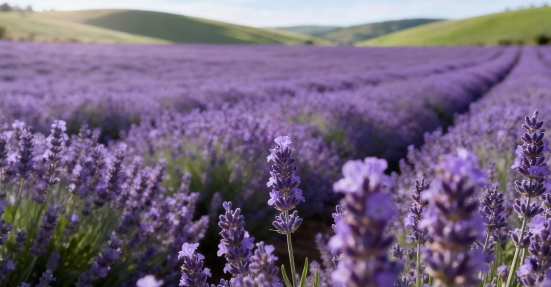
Making lavender shifts it from a wild bush to something handy. It kicks off with the best place. Lavender does great in bright, dry zones like near the big sea. Think gritty ground that lets water run quick—no mushy bases here.
Growers set seeds or clips in spring. Seeds take more time, maybe a full year to flower. Clips from strong bushes hurry it along. Space them 2-3 feet out for breeze, cutting mold risks.
Give water in small bits. Lavender dislikes damp toes. Once set, it asks for little—rain handles most. Feed lightly; extra boost makes leaves thick but blooms weak.
Picking happens in summer when flowers hit their best. Clip stems as buds start to show for top oil. Hang them in groups upside down in cool spots. Or steam fresh ones for key oil—hot mist draws out the good parts.
Amounts differ. A grown bush offers pounds of blooms. Large patches in spots like southern France gather heaps. They bring in tools for speed, but hand work keeps it top-notch.
Steps in Lavender Farming
Raising lavender calls for waiting. Split it like this:
-
Spot Setup: Pick full light, quick-drain dirt. Check acid level—go for 6.5-7.5.
-
Setting In: Plant seeds inside, move out after cold snaps. Or root clips in wet sand.
-
Daily Care: Trim each year to form. Pull weeds by hand; cover holds damp.
-
Bug Check: Deer and tiny suckers might drop by. Natural mists like from neem trees do the job.
-
Pick Time: Cut in morning without drops. Tie and hang to air out.
This way builds hardy bushes. For sellers, solid making means steady goodness—vital for growing a name people count on.
Meet Bozhou Huirui Chinese Medicine Technology Co., Ltd.
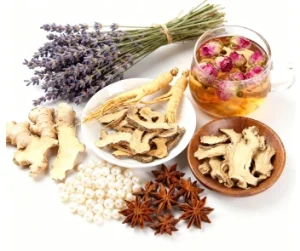
Hunting for steady herb spots? Bozhou Huirui Chinese Medicine Technology Co., Ltd. comes through as a main hand in old Chinese cures. With beginnings over ten years back, they hand out a mix of natural items like lavender, dried ginger, Alpinia officinarum, costus root, Illicium verum, rose tea, ginseng, and herbal pearls. They stress goodness from start to end, teaming with home farms for new, real bits. If you’re making drinks or building cures, their set backs health and ease wants.
Wrapping It Up: Why Lavender Matters Today
Lavender’s past, grouping, and making tie a story of toughness and many uses. From old tubs to fresh patches, it eases and sparks ideas. Knowing its base helps us value its part in everyday stuff. As ways lean to natural paths, lavender stands out—giving easy tricks to chill and mend. Jump in, and it could turn into a top pick in your habits.
Frequently Asked Questions
What is the history behind lavender’s use in medicine?
Lavender’s history in cures goes to old times. Egyptians turned to it for keeping, while Romans used it on cuts. Through years, it grew into a main choice for settling nerves and helping rest.
How does taxonomy help identify different lavender types?
Taxonomy sets lavender in the Lavandula group under the Lamiaceae bunch. This sorting spots kinds like English lavender by signs such as leaf form and whiff, making it simpler to pick the fit one for yards or goods.
What key steps are involved in lavender production?
Lavender production begins with bright, drained dirt and setting in spring. Care covers small water and trim, heading to summer pick. Airing or steaming comes next to grab its core for oils or drinks.
Where can I find quality lavender for home use?
Good lavender hails from trusted hands stressing natural raise. Seek those with links to home farms, making sure fresh, strong bushes for your drinks or bags.
Does lavender have modern production challenges?
Sure, lavender production deals with tough weather or bugs. Growers handle these with green ways and better dirt care, holding amounts even and lasting.


