




Keeping Traditional Chinese Medicine Alive: A Simple Guide to Preservation
Keeping Traditional Chinese Medicine Alive: A Simple Guide to Preservation
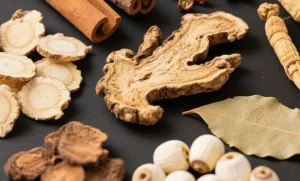
Traditional Chinese Medicine (TCM) has roots that stretch back thousands of years. People turn to it for balance, healing, and everyday wellness. But here’s the catch: those herbs and roots don’t stay potent forever. Without the right care, they lose their punch. That’s where preservation comes in. This guide walks you through how to keep your TCM fresh and effective. Whether you’re a home user brewing teas or a practitioner stocking shelves, these tips will help you make the most of what nature offers. We’ll cover the why, the how, and even some real-world pointers. Let’s dive in.
Why Preservation Matters in Traditional Chinese Medicine
Preservation isn’t just about shelf life. It’s about honoring the wisdom packed into every leaf and root. TCM works because of delicate compounds—think volatile oils in lavender or warming essences in dried ginger. Heat, light, or moisture can break them down fast. A study from the Journal of Ethnopharmacology notes that improper storage can cut an herb’s active ingredients by up to 50% in just months.
For you, the user, this means real results. That cup of rose tea meant to soothe your mood? It won’t if the flowers have faded. And for suppliers, it’s about trust. Customers come back when they know the goods deliver. Poor preservation hits everyone—wasted money, weaker remedies, frustrated folks. Get it right, and you’re building a bridge between ancient practices and modern life. Simple steps today keep the tradition thriving tomorrow.
Think about it. You’ve invested in quality herbs. Why let them slip away? Preservation safeguards potency, cuts waste, and boosts your confidence in every brew or pill.
Understanding the Basics of TCM Materials
TCM covers a wide world—from roots that warm the body to flowers that calm the spirit. Each type has its quirks. Roots like costus root hold deep, earthy energies but dry out if ignored. Flowers, say rose buds, carry light, fragrant notes that fade under harsh light.
Types of TCM Herbs and Their Needs
Not all herbs are the same. Some thrive in cool, dark spots; others need a bit of air to stay crisp. Here’s a quick breakdown:
- Roots and Rhizomes: Think dried ginger or costus root. These are tough but absorb moisture easily, leading to mold.
- Flowers and Leaves: Rose or lavender. Delicate. They lose color and scent fast without protection.
- Seeds and Fruits: Illicium verum (star anise) fits here. Oily insides mean they go rancid if exposed to air.
- Powders: Ground forms, like costus root powder, clump or spoil quicker than whole pieces.
Knowing your herb‘s family helps. Roots ground you—literally and in storage. Flowers lift spirits but demand gentle handling. This basics check sets the stage for smarter choices.
General Storage Principles for TCM
Start with the fundamentals. Cool, dry, dark—that’s your mantra. Aim for temps around 15-25°C (59-77°F). Too warm, and things break down. Humidity below 60% keeps mold at bay. Light? It’s the enemy. UV rays zap those precious oils.
Pack smart. Airtight glass jars beat plastic every time—less chemical leaching. Label everything: herb name, harvest date, best-by guess. Rotate stock like groceries—first in, first out.
For bulk, think bigger. Sealed bins in a pantry work wonders. But watch for pests. A bay leaf in the jar deters bugs naturally. These habits build a routine. Over time, they become second nature. Your herbs thank you with steady strength.
Specific Preservation Techniques for Common Herbs
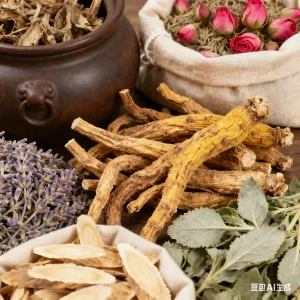
Tailor your approach. What works for one won’t for another. Let’s look at favorites from the TCM shelf.
Handling Roots Like Costus Root and Dried Ginger
Roots pack power but play rough with water. Costus root, with its cylindrical shape and spicy bite, stays aromatic if kept whole. Slice only what you need—exposure speeds decay.
Dry ginger? Harvested in winter, it’s all about that sun-dried crispness. Store in a breathable cloth bag first to let any lingering moisture escape. Then seal it up.
Tips in action:
- Grind fresh for powders; pre-ground loses zing.
- Check monthly for softness—toss if mushy.
- A quick freeze for long hauls preserves the warmth without freezer burn.
Users swear by this for gut-soothing teas. One practitioner shared how frozen ginger batches lasted a year, still kicking cold symptoms.
Preserving Flowers Such as Rose Buds
Rose buds scream elegance. Picked in spring, they’re all about that just-opened freshness. But open air? They brown and brittle-ize quick.
Bundle loosely in paper, not plastic—lets them breathe. Tuck into a cool drawer. For tea blends, vacuum-seal small batches. That locks in the blood-harmonizing notes.
Pro move: Silica packets inside jars suck up stray dampness. Rose lovers use this for skin-soothing infusions. Keep it simple, and those petals stay petal-perfect.
Storing Spices Like Alpinia Officinarum and Illicium Verum
Spices bring fire. Alpinia officinarum, curved and branchy, warms the stomach like a hug. Illicium verum, the star-shaped fruit, adds that kitchen gold touch.
Both hate humidity—fruits split, spices clump. Whole pods or sticks last longest. Grind on demand. Dark spice racks or tins shield from kitchen heat.
Caring for Leaves and Delicates Like Lavender
Lavender’s a multitasker—calms nerves, flavors sweets. As a perennial herb, it needs sun to grow but shade to store. Bundles dry upside down first, then crumble into jars.
Avoid crushing—oils escape. For essential oil vibes, keep stems intact. A dark cabinet wards off fading purples.
Quick wins:
- Refresh with a sniff test; faint means refresh.
- Mix with rice in storage to absorb bugs.
- Small freezer bags for portions keep it potent.
Gardeners turned users find this eases headaches reliably. It’s that easy shift from field to feel-good.
Tools and Containers: What You Need
Gear up without overkill. Glass jars with rubber seals—classic, cheap, effective. Mason types stack neat in cupboards.
For pros, desiccators pull moisture like pros. Humidity gauges? Under $10 online, peace of mind forever.
Don’t sleep on labels. Waterproof ones track dates. And for travel? Vacuum pouches collapse air, slim down bulk.
Budget tip: Reuse spice jars. Wash, dry thorough, refill. Sustainable and smart. These picks fit any setup—home or clinic. They turn storage from chore to craft.
Common Mistakes to Avoid in TCM Preservation
We all slip. Light leaks through windows? Oils evaporate. Overpacking? Condensation brews mold. Here’s the dodge list:
- Skipping the sniff: Always check aroma. Dull? It’s done.
- Freezer overload: Herbs hate thaw cycles—freeze once, use fast.
- Ignoring seasons: Humid summers call for extra silica.
- Whole vs. ground debate: Grind little; store much.
One user learned hard—left ginger in the open, got weevils. Lesson? Seal tight. Avoid these, and your stash sings.
Spotlight on Bozhou Huirui Chinese Medicine Technology Co., Ltd.
When sourcing TCM, quality starts at the source. Bozhou Huirui Chinese Medicine Technology Co., Ltd. steps up as a trusted supplier. Rooted in Bozhou, a hub for herbs, they’ve built over a decade of know-how. From the earthy warmth of costus root to the spicy kick of dried ginger, their lineup covers essentials. Alpinia officinarum for stomach ease, Illicium verum for flavorful warmth, rose tea for daily calm—it’s all there. Lavender soothes, herbal pearls blend traditions. They focus on source-to-shelf integrity, partnering with origin farms for fresh, compliant goods. Whether you’re blending teas or crafting remedies, Huirui delivers reliability that elevates your practice or pantry.
Wrapping It Up: Preserve to Thrive
Preservation in Traditional Chinese Medicine isn’t a side task—it’s the heartbeat of holistic health. You’ve got the tools now: cool spots, smart packs, herb-specific tricks. Apply them, and watch your remedies hold strong. It’s about more than storage; it’s sustaining a legacy that heals body and soul. Start small—one jar at a time. Your future self (and patients) will nod in thanks. Ready to keep TCM alive? Grab that ginger and get sealing.
Frequently Asked Questions About TCM Preservation
What’s the best way to start a preservation guide for my home TCM kit?
A good preservation guide begins with basics: sort your herbs by type, like roots separate from flowers. Pick a cool, dark spot, and use glass jars. This setup keeps things simple and effective right away.
Can I freeze all types of Traditional Chinese Medicine for long-term storage?
Not every herb freezes well—powders clump, flowers lose oils. Stick to sturdy ones like costus root. Thaw slow, use quick, and follow a preservation guide to avoid sogginess.
What if my TCM smells off—does that mean it’s spoiled?
Yes, a faint or musty scent signals trouble. Toss it and restock. Proper preservation keeps aromas alive, so trust your nose as your first check.


