




Chuanxiong: Natural Aid for Headaches, Flow, and Comfort
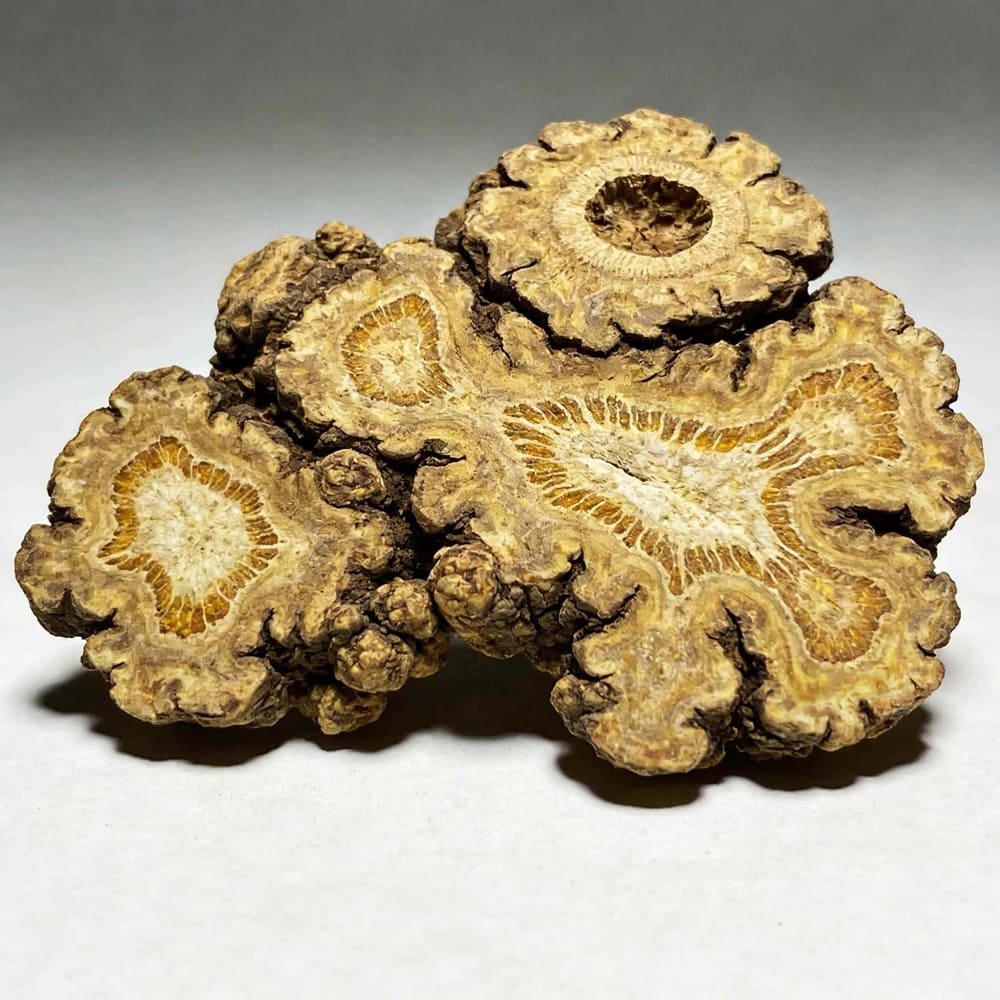
Chuanxiong benefits get talked about a lot as “blood flow” and “head ease.” But the herb’s fame comes from a bigger bunch of old uses and new studies. It is known as Ligusticum chuanxiong in plant terms. Chuanxiong rhizome is liked for its bold smell. It plays a key part in old recipes. And it has a long past in setups tied to head pain, unease, and blood flow help.
What is Chuanxiong?
Chuanxiong is the dried rhizome of Ligusticum chuanxiong. On good herb info pages, it gets described as a fragrant rhizome with a solid feel. It has a bold scent. And it shows an uneven, bumpy look. This is often turned into “Chuanxiong slices.”
Many top web pages do well because they begin with basic facts about what it is. Then they turn those into useful ideas. The scent is important. Smelly bits are part of what sets Chuanxiong apart from many other roots and barks. Those others smell and taste more plain.
Why the Rhizome Matters
In old ways, the rhizome gets picked because it is full of airy parts and special actives. These show up again and again in study wraps. Chuanxiong often gets called a classic “shifting” herb. It links to ease tied to blood flow and hurt setups. This is true mainly for those that hit the head.
That old focus also shows why folks looking up what is Chuanxiong used for often end up on the same groups. These include head unease, monthly unease, and “stuck” words from Chinese medicine.
Functions and Advantages of Chuanxiong in Traditional Use
Traditional Chinese Medicine tends to explain functions in simple words. Then it links them quick to old ideas without making the piece a school book. The easiest true wrap is that Chuanxiong gets used in old ways to boost blood flow, balance qi, and ease hurt. It has a special spot in head pain setups.
Chuanxiong for Headache and “Wind” Patterns
Chuanxiong for headache is one of the most looked up and most said uses. Study talks on old herb pairs and recipes point out Chuanxiong’s long link with head pain setups in traditional Chinese medicine.
In everyday life, this turns into a common scene. Think of repeated head tightness after long screen stares, odd sleep, trips, or season changes. Old experts often see those setups through blood flow, “wind,” and tight words. That is why Chuanxiong shows in many recipe groups tied to the head.
Chuanxiong for Migraine in Modern Literature
For readers who want proof words, Chuanxiong for migraine gets talked about a lot through recipe studies. Not single-herb tests. A full review and big data look in Frontiers in Pharmacology checked Chuanxiong-mixed recipes for migraine. It reported big pluses in the tests included. And it talked about safety in the whole paper.
That does not mean Chuanxiong “fixes migraine” as one part. It does show why Chuanxiong sits in the middle of many migraine-focused recipe chats. And why this long search keeps growing.
Chuanxiong for Menstrual Cramps and Discomfort
Another reason folks look up Szechuan lovage rhizome is monthly unease. In old use, Chuanxiong often links to blood stuck setups and hurt. That is one reason it shows in monthly help talks. A wide drug check paper also calls Chuanxiong as used across many body parts. This includes hurt-linked uses.
In useful terms, this often means it is not seen as a “daily health spice.” But as a focused plant used in spots. It is often part of a recipe. And led by an expert.
The Science Angle: Key Compounds People Ask About
A solid study piece does not promise too much on how it works. But it also does not stay fuzzy. New talks often point out tetramethylpyrazine (TMP), ligustilide, ferulic acid, and senkyunolide A. These are among the big active parts tied to Chuanxiong’s drug profile.
Ligustilide Benefits and the “Aroma” Advantage
Ligustilide benefits get talked about a lot in link to anti-swell and blood path ways. This is in wider Ligusticum chuanxiong studies. The useful plus is basic. The smelly part is what makes Chuanxiong feel unique compared with less smelly roots.
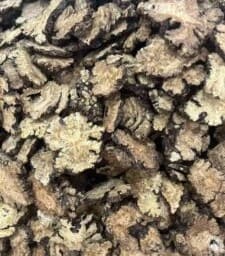
That smell also counts in making. Rhizoma Chuanxiong slices are usually kept with care to guard airy bits. And buyers often spot quality gaps first through scent.
Tetramethylpyrazine TMP and Modern Interest
Tetramethylpyrazine TMP gets said often in migraine and brain blood talks tied to Chuanxiong-mixed makes. This ingredient has attracted the attention of scholars because it is one of the “named ingredients” that are repeatedly mentioned in their research and discussions of recipes.
For a non-tech reader, the main take is that Chuanxiong is not set by one compound. Its effects get talked about as many-part and many-path. That is one reason results can change by make and use way.
How Chuanxiong Is Used Today: Common Formats and Practical Habits
Chuanxiong gets supplied a lot as dried rhizome bits with a bold, nice smell. And the sliced form often gets called “butterfly slices” in trade words.
Rhizoma Chuanxiong Slices in Kitchen-Adjacent Routines
One reason Chuanxiong stays liked in East Asia is that it can show in food-like makes. It is often part of soups in old spots. A study wrap listed on PubMed notes its use as an eat-and-heal herb. And it says its role as a main part in soups for normal eating in some places.
In real habits, this often looks like season cooking. You add a small set amount of Chuanxiong bits into a long-cook broth next to other plants. Then you keep eating it now and then. Not all the time.
Chuanxiong Extract for Modern Convenience
Chuanxiong extract gets picked a lot when a tinier scoop size and more steady take are wanted. This is true mainly for folks who do not want to boil rhizome slices. Science wraps talk about Ligusticum chuanxiong extracts in link with many drug actions. But the true effect hangs on pull way and part setup.
For buyer choices, “extract” should spark one ask. Is the item clear about what bit is used and how it gets made? Clear facts count more than big claims.
Safety: Chuanxiong Side Effects and Interactions to Know
Safety should be the top priority in all treatments. Chuanxiong gets used a lot. But it is not a quick add for all.
Chuanxiong Warfarin Interaction and Bleeding Risk Questions
Printed body-drug studies have looked at how Chuanxiong Rhizoma may change warfarin levels. This includes animal tests focused on mix ways. A different wrap in Frontiers talks about mixes between Chinese meds and warfarin in a wide way. It stresses the need for safe and smart mix use.
In daily words, anyone on blood thins or clot stop meds should see Chuanxiong as a “ask first” herb. And bring in a doctor or drug expert.
Pregnancy and Cautious Use
Many health teach tools suggest skipping Chuanxiong during baby time due to short safety facts. And study writings also include baby harm check work in animal tests.
This is not a spot for guesses. Baby time, feeding, cut plans, and bleed issues are spots where expert lead is the start.
About Bozhou Huirui Chinese Medicine Technology Co., Ltd.
For brands, health spots, and sellers after old Chinese med parts like Chuanxiong, supplier skill often shows in tiny bits. Think steady plant who, even making, and papers that match aim-spot needs. Bozhou Huirui Chinese Medicine Technology Co., Ltd., once known as Bozhou Shihe Medicinal Materials Company, got updated and signed in 2010. It has run for more than ten years in the Chinese herbal medicine trade.
The firm’s range includes Chinese med stuff and fine dusts. Along with linked plant types in bring in and send out work.
It also says that items follow world rules and aim-spot rule needs across plan, make, and send. And that proof papers or check notes can be put together for set items when needed.
Conclusion
Chuanxiong benefits shine because the herb links old ways and new curiosity without dropping its who. As Ligusticum chuanxiong, it is best known for Chuanxiong for headache chats. It has strong ties to Chuanxiong for migraine recipe studies. And it has a long link with blood flow help and hurt setups. The useful pluses come to three things. A unique smelly setup tied to ligustilide benefits chats. A well-noted spot in old recipe groups. And bendy types from Rhizoma Chuanxiong slices to Chuanxiong extract. Used with care, with eye on Chuanxiong side effects and interaction risks such as Chuanxiong warfarin interaction concerns, it stays one of the most fitting rhizome-based herbs in the today’s herb set.
FAQs
What is Chuanxiong used for in traditional Chinese medicine?
Chuanxiong is traditionally used to promote blood circulation, regulate qi, and relieve pain, with a strong association with headache patterns.
Is Chuanxiong for headache the same as Chuanxiong for migraine?
Chuanxiong for headache is a broad traditional use pattern. Chuanxiong for migraine is usually discussed through formula studies; a systematic review and meta-analysis reported benefits for Chuanxiong-containing formulae in migraine trials, rather than positioning Chuanxiong as a stand-alone solution.
What are the main active compounds in Ligusticum chuanxiong?
Commonly cited constituents include tetramethylpyrazine TMP, ligustilide, ferulic acid, and senkyunolide A.
What is the difference between Rhizoma Chuanxiong slices and Chuanxiong extract?
Rhizoma Chuanxiong slices are the dried rhizome pieces used in decoction-style or food-style preparations. Chuanxiong extract is a processed form used for convenience and more concentrated intake, with effects depending on extraction and constituent profile.
Are there safety concerns such as Chuanxiong warfarin interaction?
Yes. Published studies and reviews discuss potential interaction issues between Chuanxiong Rhizoma and warfarin, and anticoagulant or antiplatelet users should consult a clinician before use.


