



Chinese Medicine Herbs List for Ingredient Buyers
Your blend calls for rose buds, but the offer says only ‘rose’. Is it the same material? We use this small selection of traditional Chinese herbs to explain what a catalogue name leaves undecided, from the part harvested to the form delivered. Identify those differences before evaluating a health claim or approving a substitute.
Six materials and the parts behind their names
Our Chinese medicine herbs list separates each material by the part used. The word “herb” covers more than leaves in this context. Here, ginger contributes an underground stem, rose contributes buds and star anise contributes fruit. The table compares physical identities.
|
Material |
Plant part or form |
What your specification needs to distinguish |
|
Dried ginger |
Dried rhizome |
Dried material versus fresh ginger or powder |
|
Alpinia officinarum |
Rhizome |
Botanical identity rather than the general name galangal |
|
Rose |
Dried flower bud |
Buds versus loose petals |
|
Star anise |
Dried mature fruit of Illicium verum |
Species and fruit form |
|
Asian ginseng |
Root of Panax ginseng |
Species and processing method |
|
American ginseng |
Root of Panax quinquefolius |
Separate identity from Asian ginseng |
Dried ginger is recognisable as a branched piece with a sharp, spicy smell. It is an underground stem, although “ginger root” is familiar commercial language. In a whole-material order, the shape helps describe the product. Once ground, that visible distinction disappears, so the powder still needs a clear identity and processing description.
Rose illustrates a different purchasing detail. Dried buds are a defined plant material, not simply anything sold under the word rose. The harvest description for our rose material places picking in April and May. April and May describe when the buds are picked. To assess a shipment’s age, your team still needs the information for that lot, including when it was harvested and packed.
Star anise brings fruit into the same list. It appears in both spice and traditional herbal catalogues. In our Chinese herbs and spices range, that overlap is a useful reminder to name the actual plant. For an Illicium verum order, ‘aromatic dried fruit’ leaves too much open, even if the sample smells familiar.
Processing belongs in the ingredient name
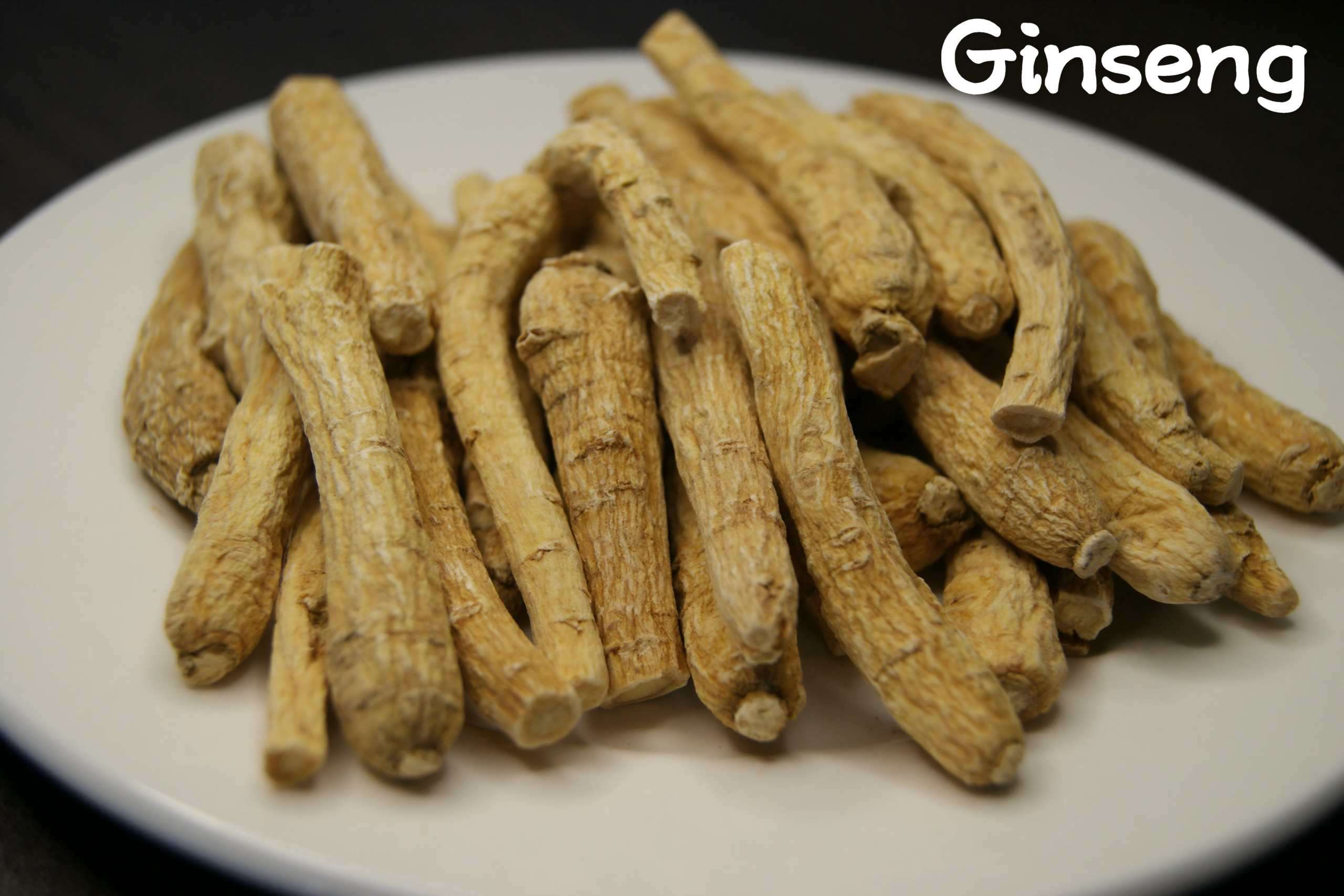
Processing makes a short plant name less precise. Panax ginseng identifies Asian ginseng. American ginseng is Panax quinquefolius. Red ginseng adds a preparation detail: the Asian ginseng root has been steamed and dried. A sugar-processed material adds another distinction. An order reading only “ginseng” leaves both species and preparation unresolved.
The same issue occurs when a dried botanical becomes powder. Grinding changes the supplied form, but a ground root is still different from an extract. Without an extraction step and a defined specification, “powder” doesn’t tell you that any constituent has been concentrated. If a development brief specifies an extract, offering ground root leaves that requirement unanswered.
Imagine your team evaluating a tea blend. Whole rose buds and cut pieces present different forms for the trial. A powder blend raises a different question about particle form. We use these examples to describe development choices, without assuming that every material in the table is suitable for food. Check the proposed use.
Traditional roles need a separate evidence question
Traditional terminology describes a medical framework. ‘Warming’ and ‘regulating qi’ belong to that framework. We don’t convert those terms into a measured effect or a promise to prevent disease. In a list of Chinese herbs and their benefits, the word ‘benefit’ needs context: traditional use, a material characteristic and a clinical finding are different kinds of information.
A clinical finding refers to a particular study. Your team needs to identify the preparation tested, the participants and the outcome before considering what the result supports. Even a study of the same plant may concern a preparation quite different from the dried material in your order.
NCCIH’s review describes mixed study results and problems with study quality for Chinese herbal products. We use that distinction when discussing our materials: a traditional role isn’t evidence that your proposed blend will treat a condition. Your product brief can describe botanical identity and documented material characteristics without turning historical use into a guaranteed health result.
Safety is also specific to the material and user. NCCIH also identifies contamination and replacement with an incorrect herb as documented concerns. Your team needs evidence relevant to the lot and its identity, even when the common name is one you recognise.
From a catalogue list to a defined material
A catalogue helps you locate possibilities. We need a more exact description to discuss one of those possibilities with you. Put the botanical name beside the plant part and preparation, and explain where the ingredient will be used. “Dried rose buds for evaluation in a tea blend” communicates more than “rose for wellness,” even before the remaining product requirements are agreed.
Our range at CHINA HUIRUI BOTANICALS includes botanical ingredients and dried flowers as well as Chinese herbs and spices. If you’re comparing traditional Chinese medicine suppliers, a relevant range helps you locate an item to discuss with us. A broad catalogue isn’t evidence that every listed material has identical food suitability, quality parameters or market permissions.
Your receiving description should remain consistent with the material you evaluated. If a sample was whole dried ginger, an offer for ginger powder requires a fresh comparison. Likewise, a bud photograph cannot establish the condition of a different lot. Keep the approved identity and form visible through the purchasing discussion.
A shorter list can make a clearer decision
Your shortlist becomes more useful when each name describes the material you expect to receive. For ginger, record the rhizome and form. For rose, specify buds if that is what your trial used. Keep the traditional role alongside that description, with any proposed health claim assessed against evidence for the actual preparation.
FAQ
Does a Chinese herbal material always come from China?
A name associated with Chinese herbal practice doesn’t tell you where a particular crop was grown. Record origin separately from botanical identity, and confirm it for the material being offered rather than inferring it from traditional use.
Can a product photograph confirm botanical identity?
A photograph helps describe appearance and form. You still need appropriate identity verification. Powder has lost much of the visible plant structure, and a common name may leave the species unclear.
Are medicinal herbs automatically suitable for food?
No. We can’t infer food suitability from a medicinal catalogue entry. Your food-product review needs to cover the exact material and proposed use in the destination market. A traditional-use description doesn’t answer those questions.
Does a higher catalogue grade prove better clinical results?
A grade label needs a definition. Ask us what the grade means for the material being discussed. It may describe a commercial characteristic, but the label alone offers no clinical evidence for your finished product.
Should customers choose herbs from a benefits list?
We use a list to explain materials, not to choose an individual’s treatment. Anyone considering Chinese herbal products should speak with a qualified healthcare professional about current medicines and personal circumstances. A product name gives no basis for a personal prescription.


