



Cassia Bark in Chai, Mulled Wine, Hot Chocolate and Herbal Tea: Beverage Flavor Guide
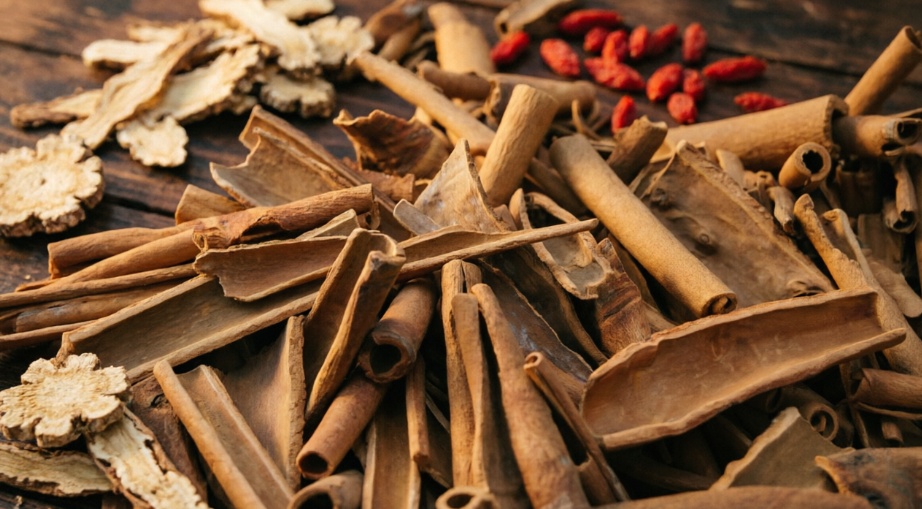
Cassia bark, derived from the dried bark of Cinnamomum cassia trees, is one of the world’s most traded warming spices used in a wide variety of beverages. Cassia bark has a very distinct aroma, sweet and spicy, with woody undertones. The aftertaste is slightly pungent but cassia is a great ingredient for warm comfort beverages that have many layers of different spices and cassia’s strong flavor stands out in these type of mixes.
Cassia bark is added to many recipes of chai blends, mulled wine-style beverages, hot chocolate, and herbal tea formulas because of its great ability to hold flavor while being infused for a long time, even at high temperature. Light spices quickly lose their flavor while being infused in hot water, milk or alcohol, whereas Cassia bark keeps its form and structure and therefore is very suitable for small scale recipes as well as for big scale production of all kind of beverages.
Cassia bark is another useful spice that can be used to create a number of spice-forward drinks. The whole bark is available for use in whole form, in coarse pieces or as a powder. The cassia bark can be added to batches of drink mix and allows for controlled levels of spice and flavor, with the degree of extraction able to be influenced by the size of the pieces and the length of time that they are left to steep. The resulting drinks can be consistently flavored from batch to batch.
What Cassia Bark Is and Its Flavor Profile
Cassia bark is the inner bark of the tree Cinnamomum cassia which is widely grown in East and Southeast Asia. It is traditionally dried and comes in the form of rolled sticks. Cassia bark is commonly referred to in commerce as Chinese cinnamon or cassia cinnamon.
Flavour more intense than typical of mild cinnamon used in Western confectionery. It carries:
- Strong sweetness with woody undertones
- Warm, slightly peppery heat
- Long-lasting aroma during infusion
- High oil content that releases gradually in liquids
Cassia is better suited for slow extraction in beverage systems, making it ideal for simmered chai bases, for mulled wines that are heated, and for tea decoctions. It is not suited for quick dissolve applications, but has great stability for flavor in all other applications.
Cassia bark is used as single spice as well as in multi-spice blends in traditional food systems and in modern beverage production.
Cassia Bark in Chai: Building a Strong Spice Foundation
Chai-style beverages are designed to have a solid spice backbone, using black tea and warming spices to create the flavor. Cassia bark is the main component of chai as it provides a constant flavor while other volatile spices fade quickly.
Cassia bark, used in chai blends, is typically blended with ingredients such as ginger, cardamom, clove and black pepper. The cassia is simmered in milk or water to create a rich and well-balanced flavor base.
Typical formulation behavior:
- Low to medium heat extraction (10–20 minutes simmering)
- Strong compatibility with dairy and plant-based milk
- High tolerance to sugar or sweeteners without flavor collapse
In ready-to-drink chai products cassia bark is pre-infused in concentrate bases. For tea bag formulations on the other hand broken pieces of bark are best for tea to brew at the right speed and to obtain the right clarity.
Cassia bark is used by beverage brands in chai latte powders. The aroma of cassia bark survives spray-drying as well as blending with milk solids and is thus suitable for both the specialty café market and for retail products.
Cassia Bark in Mulled Wine and Winter Beverages
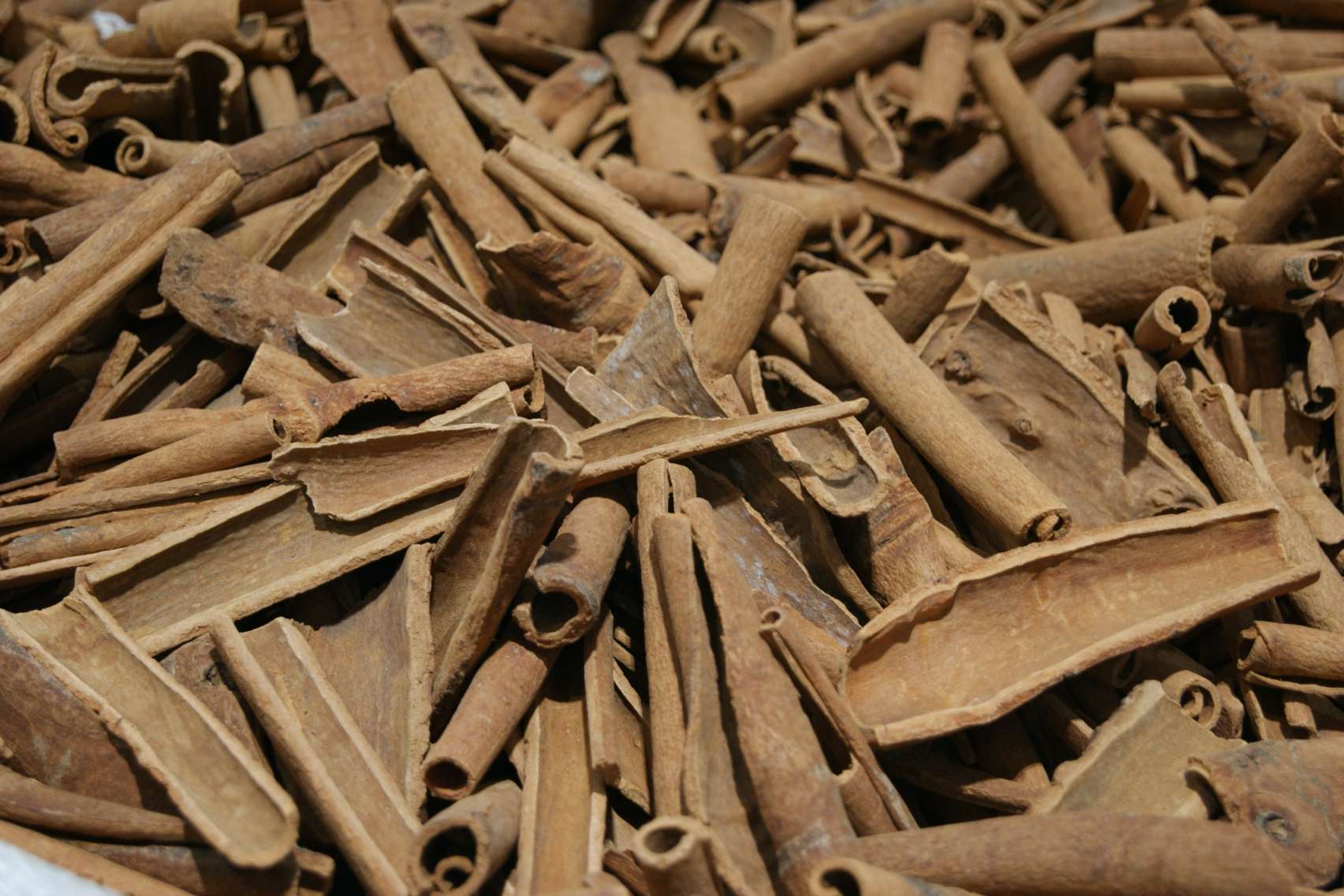
Mulled wine-style of beverages is based on a number of spices that release strong aroma while being heated up, but do not become bitter. Cassia bark is suitable for such extraction profile as it is characterized by slow and balanced release of active ingredients.
Cassia is one of those sweet roots that can add a lot of warmth and balance a lot of acidity in drinks like hot wine, cider or other heated fruit drink. It blends well with citrus peel, clove and any other star-like aromatic spices.
Key characteristics in mulled beverage systems:
- Stable flavor release at 60–90°C heating range
- Maintains aroma during prolonged warming
- Does not break down quickly in acidic environments
For commercial production of Cassia tea bark, the bark is added during the heating phase and removed before bottling to prevent over-extraction. For visual purposes of serving whole sticks are preferred, for industrial infusion in tanks the bark is broken.
In many seasonal beverages, cassia bark is used as the main spice for winter time. It is very known and has a very strong taste and smell.
Cassia Bark in Hot Chocolate: Depth and Warmth Enhancement
When making hot chocolate it is great to add certain spices to your hot chocolate formula to enhance the flavor of the cocoa and not to make it bitter. Cassia bark is one of the many spices used in hot chocolate that gives a light sweetness and a warm flavor. It brings out the true flavor of the cocoa solids.
Cassia bark is used in a couple of ways in practice. It can be added to milk before you make a cocoa drink with it, and then infused in the milk. Alternatively it can be ground into a fine powder and added to other powdered drink mixes that contain cocoa.
Its behavior in hot chocolate systems:
- Enhances perceived sweetness without increasing sugar content
- Softens sharp cocoa bitterness
- Works well with vanilla and dairy fat
Cassia bark is typically simmered in the milk in café applications and then strained out before the chocolate is added. In packaged cake mix applications, cassia is often supplied in a very fine powder form or as an extract. This form is better for uniform distribution in the mix than whole bark or even sliced bark.
Spiced chocolate drinks are included in seasonal beverage menus as a warm comfort drink during the winter months.
Cassia Bark in Herbal Tea Blends
Herbal tea systems can be composed of many layers of different botanicals. Our Cassia bark adds warmth and structure to many of our caffeine-free herbal tea blends.
It can be paired with dried ginger, citrus peel, licorice root, and flower notes. In infusion systems cassia bark develops slowly and is best to steep for several minutes.
Common use cases include:
- Evening herbal tea blends
- Functional wellness-style drinks (non-medical positioning)
- Spiced digestive tea formats
- Caffeine-free retail tea bags
Cassia bark is typically blended with smaller pieces of other herbs within tea production in order to be able to properly extract them. If too much of the Cassia is used, it can overpower the flavor of lighter herbs. As with any herb, proper dosing is necessary to fully appreciate its attributes
Forms of Cassia Bark for Beverage Applications
A range of products can be made depending on how long the active ingredients are extracted for and the type of manufacturing process used.
|
Form |
Application |
Advantages |
Limitations |
|
Whole bark sticks |
Mulled wine, tea infusion |
Long aroma release, visual appeal |
Slow extraction |
|
Broken bark pieces |
Chai, tea bags |
Balanced extraction speed |
Less visual uniformity |
|
Powder |
Hot chocolate, instant blends |
Fast integration, even mixing |
Can create sediment |
|
Extract form |
RTD beverages, syrups |
Consistent flavor, scalable |
Requires processing system |
For beverage brands, the correct form of packaging is critical as it can affect the flavor of your product and the efficiency of your production.
Formulation Tips for Beverage Developers
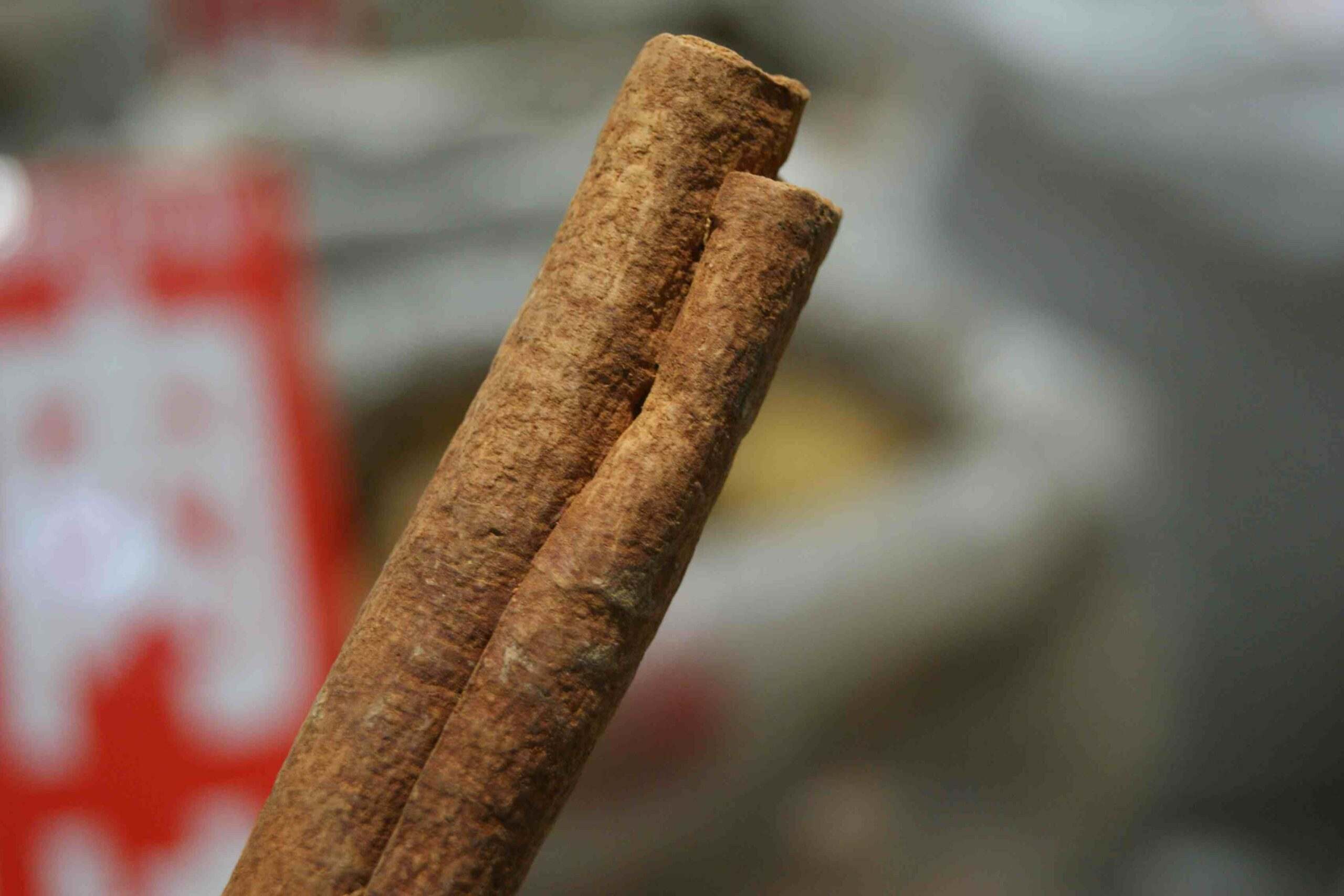
Cassia bark behaves differently depending on temperature, infusion time, and liquid base. Several practical points are commonly applied in beverage development environments:
- Longer steeping increases sweetness but may introduce bitterness if over-extracted
- Milk-based systems soften the spice intensity compared to water-based infusion
- Alcohol-based systems extract aroma compounds more rapidly
- Blending cassia bark with citrus or ginger improves flavor balance in complex drinks
During pilot production production the optimum dosage is determined by testing small batches. Sensory testing in particular tests the aroma strength after cooling in addition to hot.
Company Overview
Bozhou Huirui Chinese Medicine Technology Co., Ltd is a supplier of raw botanicals such as cassia bark and other food, beverage and herbal raw materials. The company sources products from various cultivation areas all over China and supports processing, sorting and grading in order to supply markets worldwide.
Our production processes, including cleaning, drying, cutting and packaging in a controlled environment, can be tailored to meet any specification, be it whole bark, broken or powdered. Our supply system is set up to meet the requirements of large volume purchasing by manufacturers of beverages as well as herbal teas and other ingredients used in food production.
In addition to supplying the raw materials we also offer OEM and ODM services for blends, packaging formats and private label development. We also carry out quality control checks on moisture, appearance and record standardized test results to ensure that materials are properly documented for international trade.
Conclusion
Cassia bark, with its great aromatic stability, is a very useful ingredient in modern beverage compositions and is incorporated into a variety of different drink systems. In Chai mixes, in mulled wines, in hot chocolate preparations as well as in single herbal teas, Cassia bark provides a constant warm spice note which may form the basis for simple flavor compositions as well as for complex flavor mixtures.
Cassia bark is an extremely versatile ingredient that can be found in various forms to be used by beverage developers. Furthermore, large scale production is possible. It is a solid base-spice for seasonal as well as for year-round beverages. Depending on quality and the amount which is being added to a drink, cassia bark can be used for a long period of time.
FAQs
What does cassia bark taste like in beverages?
It has a warm, sweet-spicy flavor with woody and slightly peppery notes that remain stable during heating.
How is cassia bark used in herbal tea blends?
It is blended with herbs like ginger and citrus peel to add warmth and structure to caffeine-free tea systems.
Cassia bark good for mulled wine recipes?
Cassia performs very well in heated wine and cider recipes as it releases its flavor very slowly and steadily.


