




Alpinia Officinarum: Unveiling Its Traditional and Modern Uses
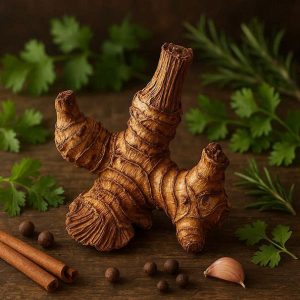
Alpinia officinarum, known as lesser galangal, is a zesty herb from the ginger family. People have used it for ages in food and healing. It grows in China and spreads across Southeast Asia. This sharp-tasting root isn’t just for cooking. It shines in traditional Chinese medicine (TCM) and today’s science. This blog dives into the traditional and modern uses of Alpinia officinarum. We’ll check out its ingredients, how it works in the body, and its health perks. Plus, we’ll explore its cultural role and new ways to use it. If you love health, food, or learning, this guide shows why Alpinia officinarum is so cool.
Traditional Uses of Alpinia Officinarum
For centuries, Alpinia officinarum has served as a global herbal staple. This brief explores its enduring healing roles across cultures.
A Star in Traditional Chinese Medicine
Alpinia officinarum has been a favorite in TCM for hundreds of years. Its dried root, called “Gao Liang Jiang,” warms the body. It helps with tummy troubles and feeling cold. Healers use it to soothe stomach pain, stop vomiting, and ease bloating. These issues often come from cold in the body. Its spicy flavor boosts the spleen and stomach. It brings energy and balance.
Here’s what it does:
Stomach Fix: It calms nausea and upset stomachs from cold. People make tea or mix it with other herbs.
Pain Ease: It helps with chest or side aches by moving energy better.
Cold Fighter: Its warmth fights chills and stuffy noses from colds.
In places like Guangdong, people add Alpinia officinarum to soups or teas for health. It’s also big in cooking, adding zip to spice mixes like five-spice powder.
Popular in Many Cultures
Alpinia officinarum isn’t only loved in China. It’s big in other Asian healing ways, like Ayurveda. In Thailand and India, folks use it for stomach issues, swelling, or to spark hunger. They brew it into tea or mix it with honey. In Morocco, it helps breathing and digestion. In Turkey, they blend it with lemon for flu relief. Its wide use shows why Alpinia officinarum’s traditional and modern uses matter so much.
Modern Science and Benefits
Modern science reveals the potent compounds in Alpinia officinarum, unlocking its ancient health benefits. Discover how this powerful root supports wellness from inflammation to immunity.
What Makes Alpinia Officinarum Special
The power of Alpinia officinarum comes from its parts. Scientists found over 300 bits in the root, like flavonoids, diarylheptanoids, oils, and phenolics. These give it health superpowers, making it interesting for research.
|
Part Type |
Main Bits |
Health Wins |
|
Flavonoids |
Galangin, Kaempferide |
Stops cell damage, calms swelling, fights cancer |
|
Diarylheptanoids |
7-(4-hydroxyphenyl)-1-phenyl-4E-hepten-3-one |
Eases swelling, guards brain |
|
Oils |
1,8-Cineole, α-Pinene |
Kills germs, fights viruses, smells nice |
|
Phenolics |
Galangal acetate |
Protects cells, helps tummy |
Flavonoids: Galangin fights harmful stuff in the body. It also slows cancer cells.
Diarylheptanoids: These are unique to the ginger family. They calm swelling and may help brain issues like Alzheimer’s.
Oils: Things like 1,8-cineole zap germs and viruses, good for colds.
These parts team up to make Alpinia officinarum strong. It helps with tummy woes, swelling, and more.
How Your Body Uses It
Scientists study how Alpinia officinarum works inside you. Its parts, like flavonoids, soak into your stomach fast. They peak in your blood in a few hours. Your liver tweaks them, sometimes making them stronger. But they can fade quickly. So, researchers are trying new ways, like tiny particles, to make them last longer.
New Health Perks
Modern studies prove Alpinia officinarum’s old uses and find new ones. Here’s what it does now:
Soothing Swelling and Pain
Alpinia officinarum calms body swelling. Its parts block swelling signals, like nitric oxide. This helps with sore joints or muscles. It works like some pain pills.
Fighting Cancer
Flavonoids like galangin stop cancer cells from growing. They help with cancers like breast cancer. The herb might team up with cancer treatments.
Helping Your Tummy
Studies show Alpinia officinarum cuts stomach sores and boosts digestion. It helps with heartburn or slow digestion, just like in TCM.
Zapping Germs and Viruses
Its oils fight bacteria like Escherichia coli. They also tackle viruses like the flu. This makes it great for colds or infections.
Guarding Your Brain
New studies show Alpinia officinarum helps brain cells grow. This could help with brain diseases like Alzheimer’s. It fits its old use for better memory.
Cooking and Other Uses
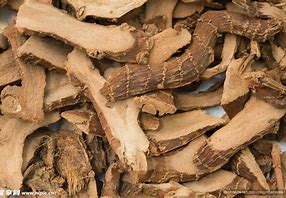
Alpinia officinarum isn’t just for health. It’s a hit in Asian food. Its spicy root jazzes up curries, sauces, and spice blends. In food-making, it keeps things fresh by fighting germs. For example, its tea can keep oranges good longer. In perfumes, its oils add a warm, spicy smell. This shows how many ways you can use it.
Bozhou Huirui: Your Alpinia Officinarum Supplier
In Bozhou, China, Bozhou Huirui Chinese Medicine Technology Co., Ltd. is a top name for Alpinia officinarum and other herbs. They’ve been at it for over ten years. They get high-quality stuff from places like India and Thailand. They follow tough rules to keep products safe. Their “source to sales” way keeps prices fair. Their expert team uses eco-friendly ways and keeps supply steady. Pick them for great Alpinia officinarum for health or business.
Conclusion
Alpinia officinarum mixes old know-how with new science. Its traditional uses in TCM for tummy health and pain relief are backed by studies. It fights swelling, cancer, germs, and helps the brain. In food, it adds flavor and keeps things fresh. Using Alpinia officinarum shows you care about quality and health. With a trusted supplier like Bozhou Huirui, you get the best of its traditional and modern uses. Try it to boost your wellness or brand.
FAQs
What is Alpinia officinarum, and what are its traditional and modern uses?
Alpinia officinarum, or lesser galangal, is a spicy root for medicine and cooking. In TCM, it helps tummy aches and colds. Now, science says it fights swelling, cancer, and germs.
How does Alpinia officinarum help my stomach?
Its parts ease sores and improve digestion. In traditional and modern uses, it calms nausea and heartburn, great for tummy comfort.
Is Alpinia officinarum safe for all?
It’s okay in food amounts, but skip it if you have heat issues or are pregnant. Its warmth might not work for everyone. Ask a doctor first.
Can I cook with Alpinia officinarum?
Yes! It’s awesome in curries and spice mixes like five-spice powder. Its traditional and modern uses add flavor and keep food fresh.
Where can I get good Alpinia officinarum?
Bozhou Huirui has top-quality Alpinia officinarum. They follow strict rules, giving pure herbs for its traditional and modern uses.


