



Bitter Apricot Seed vs Sweet Apricot Kernel: Buyer Guide
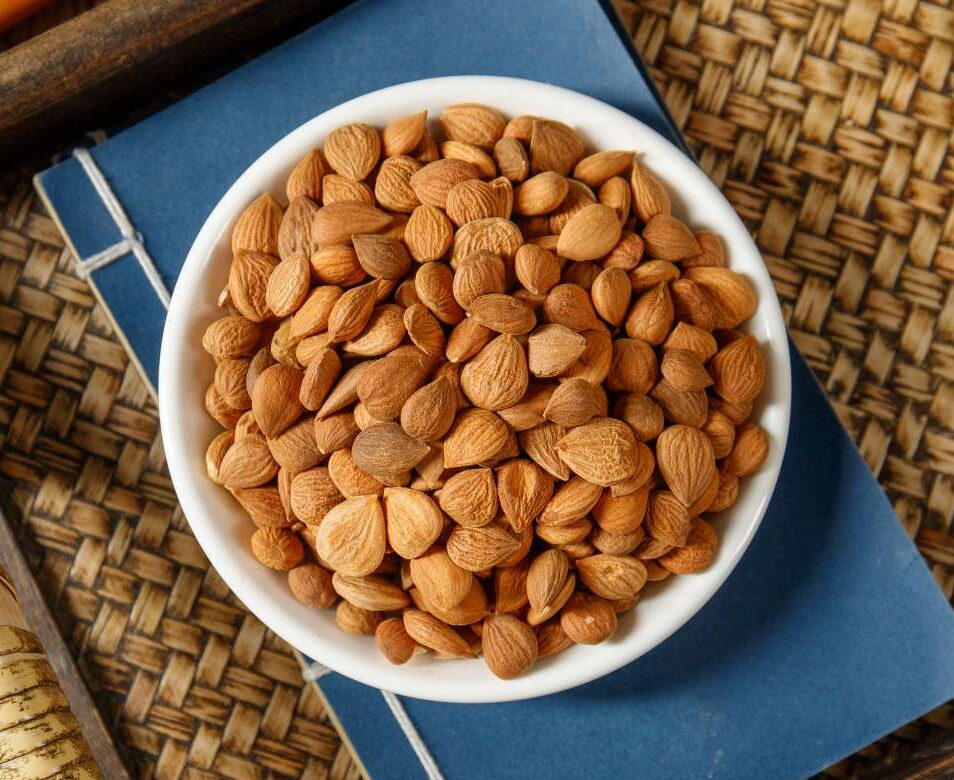
Apricot kernels may look plain on a purchase list. Yet the words “bitter” and “sweet” are not just simple taste notes. They mark materials that carry different chemical makeup, end uses, quality points, and rule questions. A herbal maker may need bitter apricot seed. A food plant may look at a sweet apricot kernel.
For buyers, the real question is which apricot kernel fits the planned use, the written rules, the target market, and the test plan.
What Are Bitter Apricot Seeds and Sweet Apricot Kernels?
Both materials come from the seed inside the apricot stone. They can look alike after the shell is removed. So looks alone are a weak way to tell them apart. Chemistry, handling steps, source place, and planned use matter more.
Bitter Apricot Seed
Bitter apricot seed is often called Ku Xing Ren in traditional Chinese medicine. It is used as a plant raw material in old herbal mixes. Commercial stock may arrive dried and sorted. Buyers should match the plant name to their own list of rules, formula, and market needs. Huirui’s Kuxingren material, for example, is named as Prunus armeniaca L. var. ansu Maxim.
Its clearest sense mark is the bitter taste. More key for quality checks is its natural higher level of amygdalin. This is a cyanogenic glycoside tied to that bitter feel.
Sweet Apricot Kernel
Sweet apricot kernels have a softer, nut-like taste. They link more closely to food work, candy making, bakery jobs, drinks, or oil making. “Sweet” does not mean the chemical side stays the same from batch to batch. The plant type and handling steps still count.
For a business buyer, the name on the packing list is only the first step. The full set of rules behind that name counts more.
Bitter Apricot Seed vs Sweet Apricot Kernel: Main Differences
The quickest way to compare bitter apricot seed vs sweet apricot kernel is to look at the points that shape buying choices.
| Buying factor | Bitter apricot seed | Sweet apricot kernel |
|---|---|---|
| Taste | Clearly bitter | Soft to a bit sweet or nutty |
| Amygdalin | Often much higher | Often lower, yet it can change |
| Typical positioning | Old herbal raw material | Food, drink, candy, oil or extra handling |
| Buyer priority | Identity, handling, chemical side, safety tests | Food-grade checks, taste, flaws, safety tests |
| Substitution | Needs a careful technical look | Should not take the place of bitter material by name alone |
Studies that put bitter and sweet apricot seeds side by side have shown a big gap in average amygdalin amount. One side-by-side study showed an average of 26 ± 14 mg/g in bitter seeds versus 0.16 ± 0.09 mg/g in sweet seeds. That gap is one reason the two groups need their own sets of rules rather than one broad “apricot kernel” standard.
Why Taste Alone Is Not Enough
Bitterness can help during a taste check. Yet taste is not a final release test. Mixed batches, plant type shifts, storage, or handling can blur the line. Buyers of bulk apricot kernels should ask for lab numbers tied to the real batch. They should not rely on a general sample report.
When kernels will be ground or pulled for extracts, the incoming rules should match the final use. They should not rest only on the whole-kernel look.
Why Amygdalin Matters to Buyers
Amygdalin is a natural cyanogenic glycoside found in apricot kernels. When it breaks down, cyanide can come free. Bitter kernels usually hold far more amygdalin than sweet ones. Still, the numbers shift by plant type and batch.
That makes amygdalin a buying issue, not just a lab term. Food offices in several markets have put out safety notes or limits linked to cyanide risk from apricot kernels. Canada, for example, sets a top level of 20 ppm total extractable cyanide for apricot kernels sold as food. This covers kernels used as parts of other foods. Importers therefore need market-specific checks before they clear a load.
A practical buying file may include:
-
botanical identity and country of origin
-
batch-specific certificate of analysis
-
amygdalin or total extractable cyanide numbers where they fit
-
pesticide, heavy-metal, and germ tests
-
moisture, foreign matter, broken-kernel, and flaw limits
-
clear tracking through handling and packing
Health claims need care. Amygdalin is sometimes pushed as “vitamin B17.” Yet sales talk should not replace rule checks or poison-risk proof. Rule offices have given clear warnings about high-amygdalin apricot seed products because of possible cyanide harm.
How the Two Kernels Are Used in Real Supply Chains
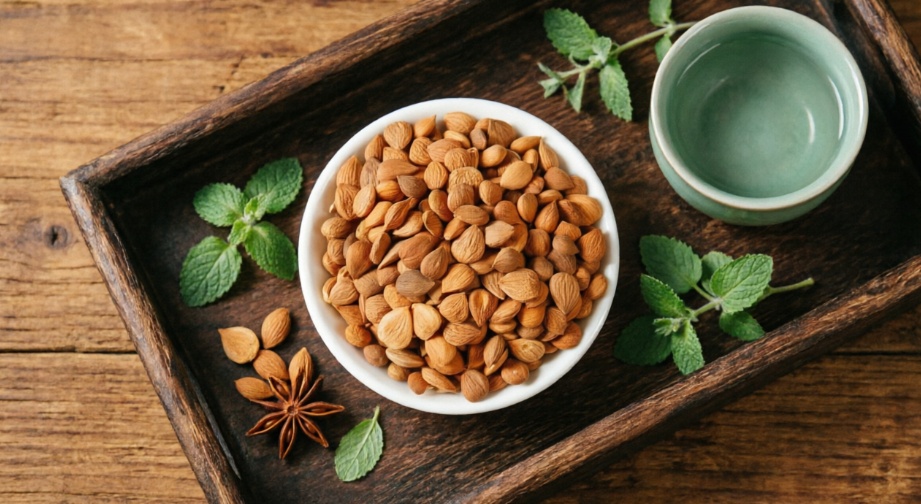
End use changes what “good quality” means. A herbal maker, a food plant, and an oil plant may all buy apricot kernels. Yet their pass rules can differ a lot.
Traditional Herbal Applications
In traditional Chinese medicine, bitter apricot seed or Ku Xing Ren is sold as a plant-medicine raw material. Old uses differ from food use. So buyers in this path usually focus on correct identity, proper handling, clean look, moisture control, storage, and batch sameness.
For herbal production, the material should match the needed plant name and handling rules. It should also stay trackable through the full supply path.
Food and Ingredient Applications
Sweet apricot kernels are more likely to enter food-style work because of their softer taste. Uses can cover candy fillings, bakery parts, kernel paste, drinks, oil pressing, debittering, or milling.
A food-grade apricot kernel buyer may check taste, rancid notes, insect damage, broken pieces, foreign matter, moisture, germ status, and cyanide-related rule fit. A clean-looking batch can still fail lab tests.
How to Choose the Right Apricot Kernel Supplier
Finding a bitter apricot seed supplier or sweet apricot kernel supplier is easy online. Checking one for repeat orders is harder. A low price loses its edge if a load causes retests, re-sorting, customs holds, or rejection costs.
Start With the Application, Then Build the Specification
Before you ask for a price, decide whether the material is for an old herbal mix, food, drink, oil, extract, or another controlled use. Then turn that use into clear pass points that can be measured.
For bulk apricot kernels meant for milling, shape may matter less than moisture, dirt, germ status, and batch-to-batch chemistry. A seller who moves whole kernels may care more about visual grade, kernel size, broken share, packing, and shelf life.
Ask for the needed papers before the purchase order. Clear pre-shipment rules cut fights about what “standard quality” means. For food imports in markets that set cyanide limits, batch tests and full tracking can matter a lot.
Bozhou Huirui as a Traditional Chinese Medicine Supplier
Bozhou Huirui Chinese Medicine Technology Co., Ltd. works from Bozhou, Anhui. Its work covers Chinese herbs and plant materials for wholesalers, importers, distributors, and brand owners. The firm keeps sourcing paths in China and several overseas places. It serves markets that include Southeast Asia, Africa, and the Middle East.
For bitter apricot seed / Kuxingren, the company supplies dried plant raw material named as Prunus armeniaca L. var. ansu Maxim. Its wider service flow covers price offers, ordering, production, checks, packing, transport, and receipt. It also offers ODM/OEM and private-label help for fitting projects. This setup suits buyers who need raw material sourcing plus joined handling or export work.
Conclusion
The gap between bitter apricot seed and sweet apricot kernel is larger than taste. Bitter kernels link closely to old herbal use and usually carry a much higher amygdalin level. Sweet kernels are more often looked at for food and part processing. Neither should be bought on looks or product name alone.
A solid buying choice starts with the planned use. It then moves to plant identity, lab needs, safety limits, handling, packing, tracking, and target-market rules. Buyers who compare an apricot kernel maker, herbal part supplier, or bulk apricot kernel exporter should weigh the full set of rules and papers as carefully as the price.
FAQs
What is the difference between bitter and sweet apricot kernels?
The main gaps are taste, amygdalin amount, old use, and business use. Bitter apricot seeds usually hold far more amygdalin. They are often handled as herbal raw materials. Sweet apricot kernels have a softer taste. They are more often used in food or further work.
Are bitter apricot seeds and sweet apricot kernels the same?
No. They both come from apricot stones. Yet they should not be treated as the same business part. Plant type, bitterness, chemical side, use, and safety needs can differ a lot.
Which apricot kernel is used in traditional Chinese medicine?
Bitter apricot seed, known as Ku Xing Ren, is the type linked to traditional Chinese medicine. Buyers should still confirm plant identity, handling status, full rules, and fitting rule needs before they buy.
Can sweet apricot kernels be used as a food ingredient?
They are used in some food and part jobs. Yet market rules change. Food makers and importers should check cyanide-related limits, handling needs, labels, and tests for the target country before use.
What should a buyer ask a bulk apricot kernel supplier for?
Ask for the plant name, source place, product rules, batch-specific certificate of analysis, fitting dirt tests, moisture and flaw limits, packing details, tracking info, and any target-market papers needed for import or sale.
Buyers who follow these steps can cut risk and build steady supply paths. Clear talks with the supplier about every rule and test help both sides avoid later trouble. When the planned use, the lab numbers, and the market limits all line up, the purchase becomes far safer and more reliable.


