



Gypsum Fibrosum in TCM: Uses, Benefits and Market Demand
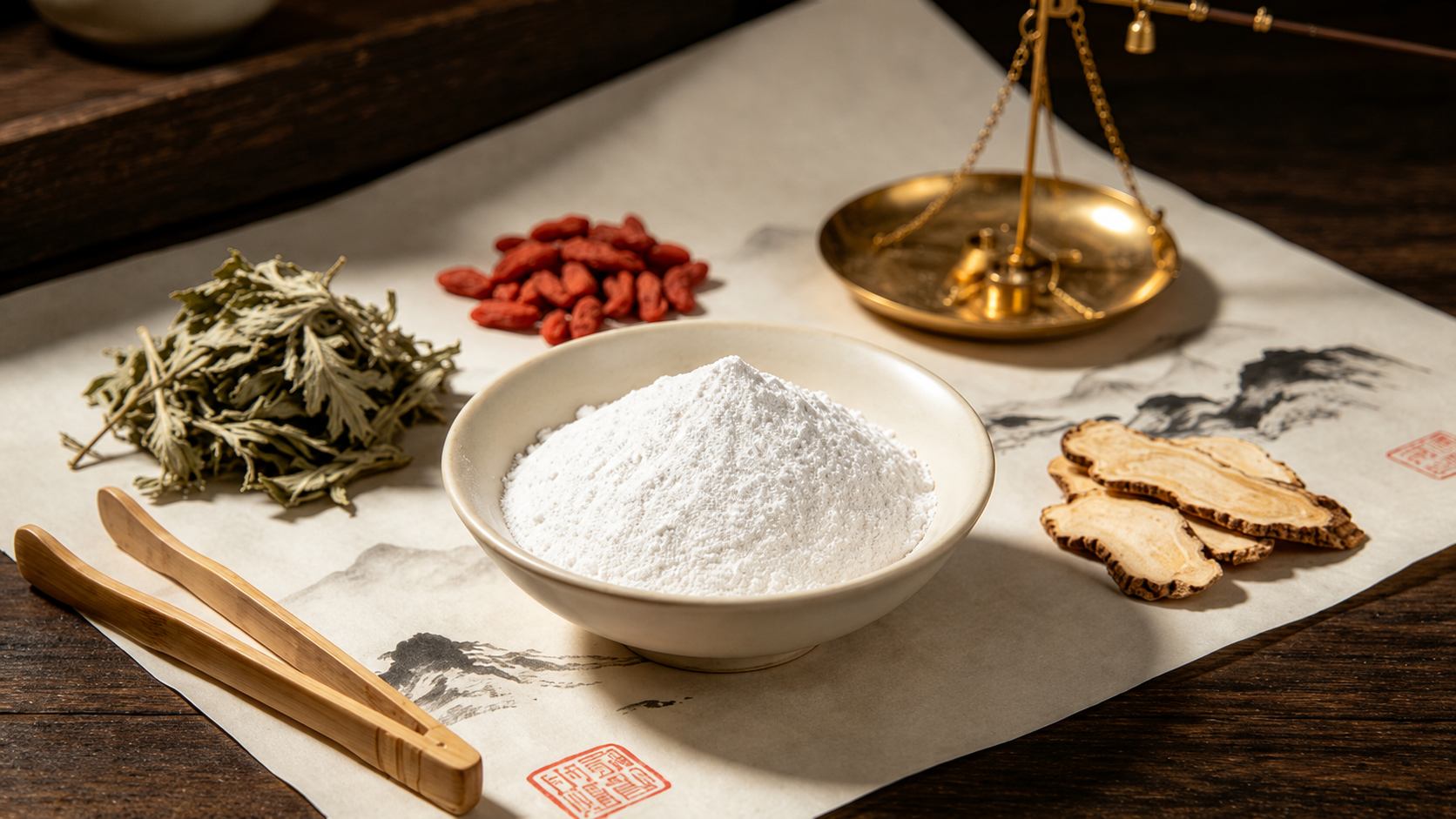
Gypsum Fibrosum, known as Shi Gao in Traditional Chinese Medicine (TCM), is unusual because it is a mineral rather than a plant. Its main constituent is calcium sulfate dihydrate, and it has a long history in Chinese materia medica. Today, herbal medicine manufacturers, importers and distributors also look at origin, processing, purity, documentation and supply stability when sourcing this mineral medicine. Medicinal Gypsum Fibrosum should not be confused with gypsum sold for construction or industrial use.
What Is Gypsum Fibrosum?
Gypsum Fibrosum is the medicinal form of naturally occurring gypsum. In Chinese it is called Shi Gao. Chemically, natural gypsum is primarily calcium sulfate dihydrate, CaSO4·2H2O. In TCM, Shi Gao is commonly described as pungent, sweet and very cold, with traditional associations with the Lung and Stomach channels.
Unlike roots, leaves or flowers, this TCM mineral medicine comes from mineral ore. Material for herbal use is selected, cleaned and processed, commonly by crushing or powdering. Buyers may therefore encounter raw pieces, crushed material or powder.
Raw and calcined gypsum are not interchangeable. Heating changes the mineral structure and properties, so purchasing specifications should state the required form clearly.
| Buying point | Why it matters |
| Identity and composition | Confirms medicinal Gypsum Fibrosum rather than general industrial gypsum |
| Processing form | Affects handling and downstream production |
| Batch consistency | Supports repeatable raw-material specifications |
| Cleanliness | Matters in herbal ingredient supply |
| Packaging and documents | Supports storage, inspection and import procedures |
Traditional Gypsum Fibrosum Benefits in Chinese Medicine
“Gypsum Fibrosum benefits” is best understood through TCM theory rather than as a list of modern medical claims. Shi Gao has traditionally been used when practitioners identify patterns of strong internal Heat. Its role depends on pattern differentiation and the complete formula.
Clearing Heat and Draining Fire
One of the best-known traditional actions of Shi Gao is clearing Heat and draining Fire. Classical TCM sources place it among strongly cooling substances, commonly discussed for intense Heat patterns with signs such as high fever, pronounced thirst, sweating or irritability.
That traditional description does not make Gypsum Fibrosum a self-treatment for fever. Fever has many causes, and severe or persistent symptoms need medical assessment.
Lung and Stomach Heat Patterns
Traditional Chinese Medicine Gypsum is also associated with Lung Heat and Stomach Fire patterns. Classical use connects Shi Gao with cough, thirst or tooth discomfort when these signs fit a Heat presentation.
The same symptom can belong to different TCM patterns, so the ingredient is normally selected within a broader formula rather than matched directly to a disease.
Traditional Fluid-Related Uses
Strong Heat in TCM is often described as consuming body fluids, which helps explain why Shi Gao is frequently discussed alongside thirst. Research has also examined Gypsum Fibrosum in relation to skin water content, although such findings should not be treated as proof of treatment for a specific condition.
How Gypsum Fibrosum Is Used in TCM Formulas
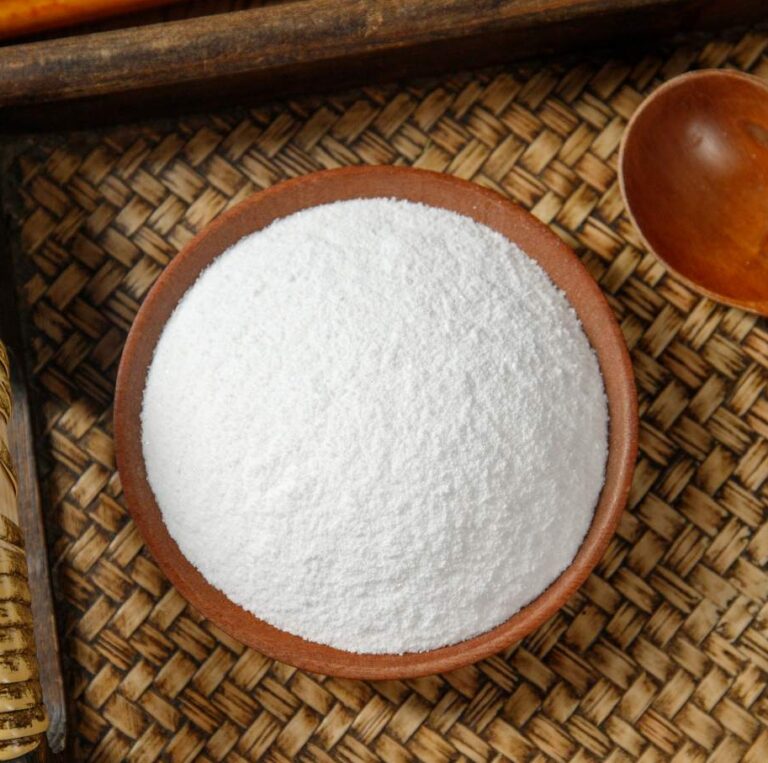
Gypsum Fibrosum uses are easiest to see in formula design. Shi Gao is commonly combined with other medicinal materials so the prescription addresses a defined TCM pattern while balancing the actions of individual ingredients.
Bai Hu Tang and Strong Heat Patterns
Bai Hu Tang, often translated as White Tiger Decoction, is one of the best-known classical formulas containing Shi Gao. In traditional theory, it is used for intense Qi-level Heat patterns. Gypsum Fibrosum functions as a major heat-clearing component while the remaining ingredients shape the formula’s broader action.
This helps explain its continuing role in compound formula production.
Other Formula Applications
Gypsum appears in other Chinese herbal formulas designed around respiratory Heat or lingering Heat after febrile conditions. Formula composition varies by clinical purpose.
For manufacturers, consistent raw-material identity matters. Uncertain processing, excess foreign matter or uneven particle size can create problems before decoction, blending or extraction begins.
Commercial Forms and Practical Applications
In the supply chain, Gypsum Fibrosum is mainly valued as a raw material for traditional herbal preparations. Its physical form should match the buyer’s next production step.
Common purchasing formats include:
-
Raw or broken Gypsum Fibrosum for further processing
-
Crushed material for decoction-piece or formulation workflows
-
Gypsum Fibrosum powder when smaller particle size is required
-
Bulk Gypsum Fibrosum for distributors and production facilities
Clinics may focus on preparation quality and pack size, while manufacturers and importers often ask about batch uniformity, particle size, inspection, packaging, shipment and commercial documents.
Market Demand for Gypsum Fibrosum
Gypsum Fibrosum market demand sits within the wider market for Chinese herbal raw materials, TCM mineral medicines and traditional formula ingredients. It is more specialized than familiar botanical powders, with demand closely tied to TCM practice, formula manufacturing, wholesale distribution and regional herbal medicine markets.
Commercial buyers look beyond unit price. Traceability, consistent processing, clear specifications and reliable documentation affect repeat orders. Distributors may also prefer suppliers able to consolidate Gypsum Fibrosum with other Chinese herbal ingredients.
For bulk Gypsum Fibrosum, a low quotation has limited value if later batches differ from the approved sample. Material selection, processing, inspection, packaging and transport all affect the real cost of procurement.
How to Choose a Gypsum Fibrosum Supplier
A reliable Gypsum Fibrosum supplier should discuss the material as a medicinal ingredient, not simply as gypsum ore. Before a commercial order, buyers should clarify:
-
Whether the material is raw or heat-processed
-
Country and production origin
-
Cleaning, crushing or powdering methods
-
Pre-packing quality checks
-
Wholesale packaging options
-
Export documents required for the destination market
For a Chinese herbal raw materials supplier, long-term reliability depends on repeat batches following the agreed specification.
Bozhou Huirui Chinese Medicine Technology Co., Ltd.
Bozhou Huirui Chinese Medicine Technology Co., Ltd. is a vendor whose headquarters is based in Bozhou city, Anhui Province. Their product assortment consists of Chinese medicinal herbs, botanicals, tea components, spices, dried flowers, roots, and other plants raw materials for wholesalers, importers, distributors, manufacturers, and brands.
Their business takes place in local and foreign sourcing as well as exporting their products to Southeast Asia, Africa, the Middle East and other destinations. The offered range of services consists of OEM and private label production, product testing, packing and delivery.
Such assortment could be helpful when purchasing the mentioned above Salt-Processed Morinda Root in China if the order consists of several herbs.
Conclusion
Gypsum Fibrosum occupies a distinctive place in Traditional Chinese Medicine. Known as Shi Gao, this calcium sulfate mineral has a long record of use in formulas associated with clearing strong Heat, while research continues to examine its mineral properties and biological activity.
For commercial buyers, quality depends on correct identity, processing form, cleanliness, batch consistency, packaging and documentation. Buyers sourcing for TCM formulas, wholesale distribution or herbal manufacturing should define these requirements before ordering. Clear specifications and a stable supplier relationship make bulk Gypsum Fibrosum procurement far more predictable.
FAQs
How Is Gypsum Fibrosum Used in Traditional Chinese Medicine Formulas?
In Traditional Chinese Medicine (TCM), Gypsum Fibrosum (Shi Gao) is used in TCM formulas as a medicine to eliminate internal heat and fire. It is known for its ability to treat Lung and Stomach heat patterns.
Is Shi Gao the same as Gypsum Fibrosum?
Indeed, Shi Gao is the Chinese name for Gypsum Fibrosum, which is the Latin name for mineral medicine containing calcium sulfate dihydrate. When purchasing it in bulk form, one needs to know how to separate raw Gypsum Fibrosum from other forms of processed gypsum.
Can Gypsum Fibrosum Be Taken on Its Own?
In TCM tradition, Gypsum Fibrosum is always taken in a combination with other herbs in TCM formulas. Self-administration is strongly discouraged.
What do buyers need to verify for the sourcing of bulk Gypsum Fibrosum?
Buyers need to verify its identification, origins, form of processing, particle size, cleanliness, quality standards, and exporting documents. The above aspects will enable the elimination of variations between batches and orders.
Where do importers source Gypsum Fibrosum from China?
Importers can source Gypsum Fibrosum via Chinese medicinal herbal ingredient suppliers who have expertise in dealing with medicinal material.


