



Salt-Processed Morinda Root: From China’s Farms to Global Buyers
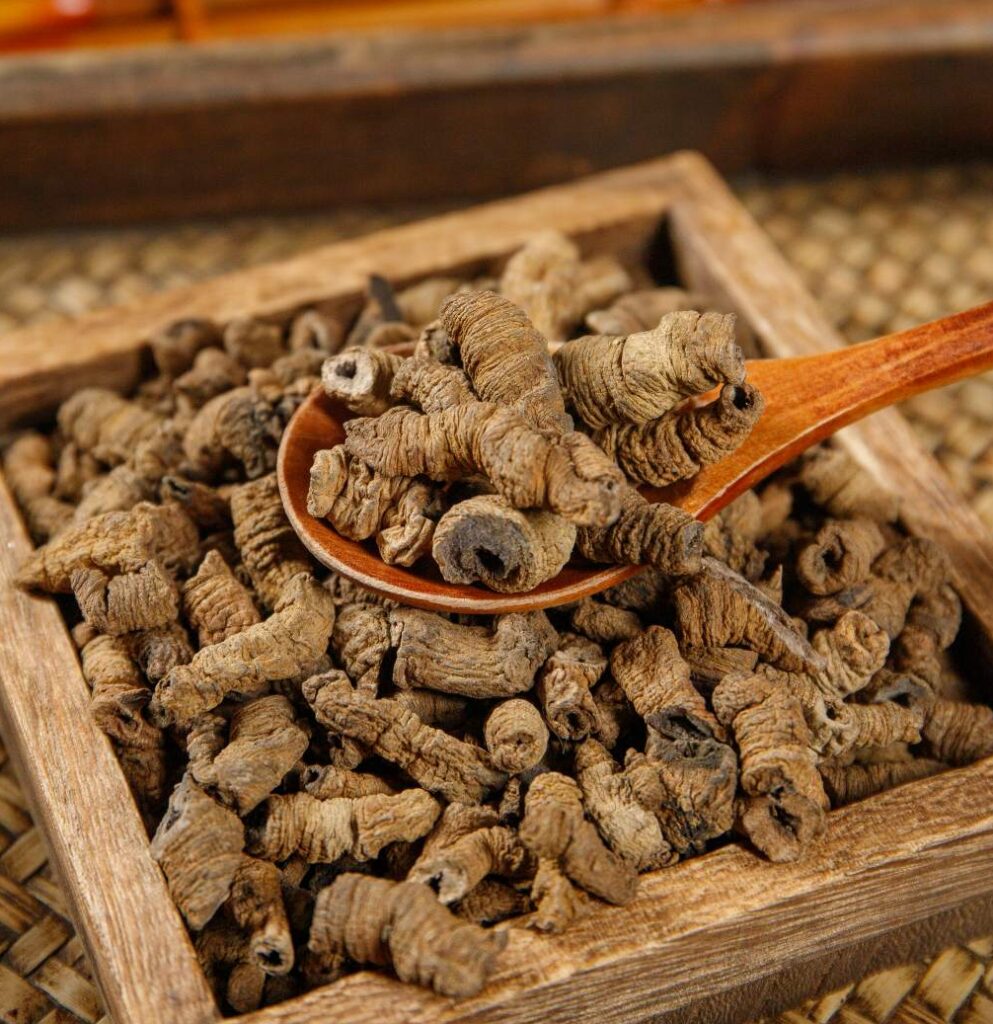
Salt-Processed Morinda Root, also called salt-processed Morinda officinalis or Salt Ba Ji Tian, represents the link between traditional Chinese processing techniques and modern international sourcing. Value for importers, manufacturers, distributors, and private labels does not rest on the botanical name alone. Many other factors may play a part, including the origin, the processing, moisture, inspection, packing, documentation, and shipping.
Morindae officinalis Radix is the dried root of Morinda officinalis How. It is extensively grown in the provinces of Guangdong, Guangxi, and Fujian. Since processing will alter the botanical material, supplier control becomes important where specifications need to be replicated.
What Is Salt-Processed Morinda Root?
Salt-Processed Morinda Root is a processed Chinese herbal ingredient prepared from Morinda officinalis root. In commercial supply, buyers may also encounter names such as processed Morinda officinalis, Salt Ba Ji Tian, Morindae officinalis Radix, or salt-processed Ba Ji Tian.
Bozhou Huirui supplies the ingredient after Morinda Root is processed with a salt solution and dried. It is offered as a plant-medicine raw material for traditional herbal preparations and related herbal products.
For buyers, raw Morinda Root and processed material should not be treated as interchangeable procurement items. Research comparing processed and unprocessed Morinda officinalis has found measurable differences in chemical composition after processing. Clear product identification and processing records therefore matter during supplier qualification.
The Chinese Morinda Root Supply Chain Starts at Origin
A reliable Salt-Processed Morinda Root supply chain begins before processing. The condition of harvested roots, cultivation area, post-harvest handling, drying, storage, and transport all influence the raw material entering production.
From Cultivation Area to Raw Herb Collection
Morinda officinalis is commonly associated with southern China, particularly Guangdong, Guangxi, and Fujian. In practical sourcing, buyers should ask where a batch was collected, whether the botanical identity is confirmed, and how the roots were handled after harvest.
The early supply chain usually includes:
-
cultivation or collection;
-
harvesting and removal of unwanted plant matter;
-
cleaning and preliminary sorting;
-
drying or moisture reduction;
-
storage before processing;
-
transport to the processing site.
These steps affect mold risk, foreign matter, moisture, and batch consistency. A Morinda Root supplier in China should therefore be able to discuss origin and handling, not only price.
How Salt-Processed Morinda Root Moves Through Processing
Once suitable raw Morinda Root is selected, processing turns it into a distinct commercial ingredient. Traditional techniques still matter, but international buyers increasingly judge suppliers by repeatability, documentation, and batch control.
Raw Material Selection and Preparation
The first task is sorting. Roots with obvious contamination, deterioration, excessive foreign matter, or unsuitable appearance should be removed. Material is then cleaned and prepared for further processing.
For bulk Salt-Processed Morinda Root, consistent starting material helps reduce variation, especially for repeat formulations and recurring orders.
Salt Processing and Drying
Salt processing introduces another controlled step. The salt solution needs to contact the prepared root material evenly, and drying needs enough control to produce a stable finished herb. Bozhou Huirui describes its Salt-Processed Morinda Root as Morinda Root stir-fried with salt solution until dry.
Analytical research on Morinda officinalis shows that processed and unprocessed material can differ in chemical profile. For B2B purchasing, the required form should be stated clearly on purchase orders, labels, and quality documents.
Quality Control Matters More Than a Low Purchase Price
A low unit price can lose its advantage if bulk herbs arrive with excessive moisture, inconsistent cuts, contamination, documentation gaps, or packaging damage.
A practical purchasing specification should cover both visual and test-based criteria.
| Control Point | What a Buyer Should Check |
| Identity | Botanical name, plant part, processed form |
| Appearance | Color, cut, cleanliness, visible foreign matter |
| Moisture | Agreed moisture requirement and storage condition |
| Safety | Relevant microbial, heavy metal, and pesticide testing when required |
| Batch records | Lot identification and production information |
| Documents | Specification sheet, COA or other agreed documents |
| Packaging | Inner protection, outer pack, labeling and lot marks |
Testing requirements vary by destination, intended use, and customer standard. The purchase specification should be agreed before production or shipment.
From Processing Site to International Shipment
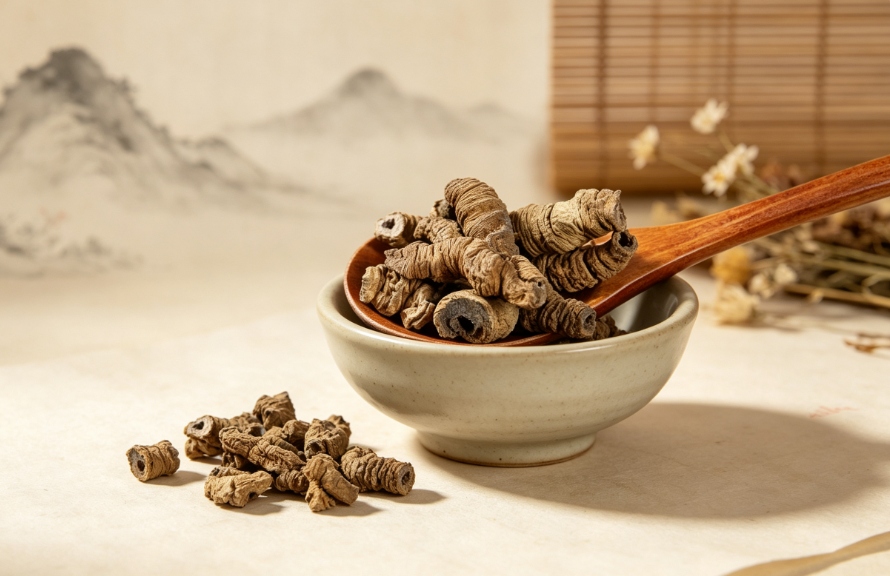
The export stage is where product quality and logistics meet. Even a well-processed herb can deteriorate if it is packed poorly, exposed to moisture, mislabeled, or delayed without suitable storage.
Packaging for Bulk Herbal Ingredients
It is important to ensure that bulk packaging is moisture-resistant, contamination-free, and sturdy enough to withstand physical damage. It is necessary for the buyer to confirm the net weight, packaging, labeling, batch numbers, and private labeling needs before placing orders.
In case of OEM and private labeling, artwork approval, pack sizes, labeling, cartons, inspection, and transportation may influence the lead time.
Export Documents and Delivery Planning
A TCM raw material exporter should coordinate commercial documents with the agreed product specification and destination requirements. Buyers should also allow time for inspection, packaging, transport booking, and customs procedures.
Bozhou Huirui’s ODM/OEM workflow covers quotation, order, production, inspection and packaging, transportation, and receipt. That sequence reflects a useful B2B principle: each stage needs a clear handoff, especially for repeat orders.
What Global Buyers Should Ask Before Placing an Order
Price is only one part of supplier selection. Before buying Salt-Processed Morinda Root wholesale, a purchasing team can reduce risk by asking:
-
What is the botanical source and country of origin?
-
Is the quoted material raw or salt processed?
-
What specification will be used for the order?
-
Which quality documents are available for the batch?
-
What packaging is used for bulk shipment?
-
Can labeling or OEM packaging be customized?
-
How are inspection and international shipping handled?
-
Can repeat orders be supplied to comparable specifications?
These questions separate a basic product listing from a workable supply relationship.
Bozhou Huirui as a Chinese Herbal Raw Materials Supplier
Bozhou Huirui Chinese Medicine Technology Co., Ltd. is headquartered in Bozhou City, Anhui Province. This company specializes in the supply of Chinese herbs, botanicals, tea botanicals, spices, dried flowers, roots, and other natural plant-based products for wholesalers, importers, distributors, manufacturers, and brands.
Its operations span domestic and overseas procurement, with export destinations in Southeast Asia, Africa, Middle East, and other regions. The services of the company include OEM and private label, production, testing, packaging, and shipping.
In case you are buying Salt-processed Morinda Root from China, this broad capability will be helpful if your purchase order consists of multiple herbal products and/or customized packaging.
Conclusion
A reliable chain for Salt-Processed Morinda Root begins with controlling each step in the process, from the source to selecting the raw herbs, salt processing, drying, checking, packaging, documentation, and transportation internationally. In international procurement, price may not be the decisive factor when choosing from where to buy.
Buyers interested in bulk Salt-Processed Morinda Root may contact Bozhou Huirui to negotiate specifications, packaging, OEM orders, and exporting.
FAQs
What is Salt-Processed Morinda Root?
Salt-Processed Morinda Root is a Morinda officinalis root that has been treated with salt and dried. Other names for it are Salt Ba Ji Tian and Processed Morinda officinalis.
Where is Morinda officinalis grown in China?
Morinda officinalis is extensively grown in southern China in places like Guangdong, Guangxi, and Fujian. Buyers sourcing Morinda Root from China must establish the place of growth and the botanical identity of the products.
What information should buyers pay attention to in order to source Salt-Processed Morinda Root in bulk?
It should include botanical identity, form of processing, appearance, moisture content, necessary safety tests, certificates, packaging, labeling, and other information. Obtaining a sample and writing a specification will also be helpful before placing an order.
Can Salt-Processed Morinda Root be supplied for OEM or private-label projects?
Yes, when the supplier provides suitable OEM or private-label services. Packaging format, labels, order quantity, inspection, and export requirements should be agreed before production. Bozhou Huirui includes OEM and private-label services within its supply offering.
How do buyers find a trustworthy supplier of Salt-Processed Morinda Root from China?
The price quoted might not necessarily be the most reliable indicator. It would be helpful to ask the supplier about his raw material sources, how he processes the material, batch control, documentations, packing, and shipping procedures.


