



Barley Sprout Nutrition: A Practical Ingredient Guide
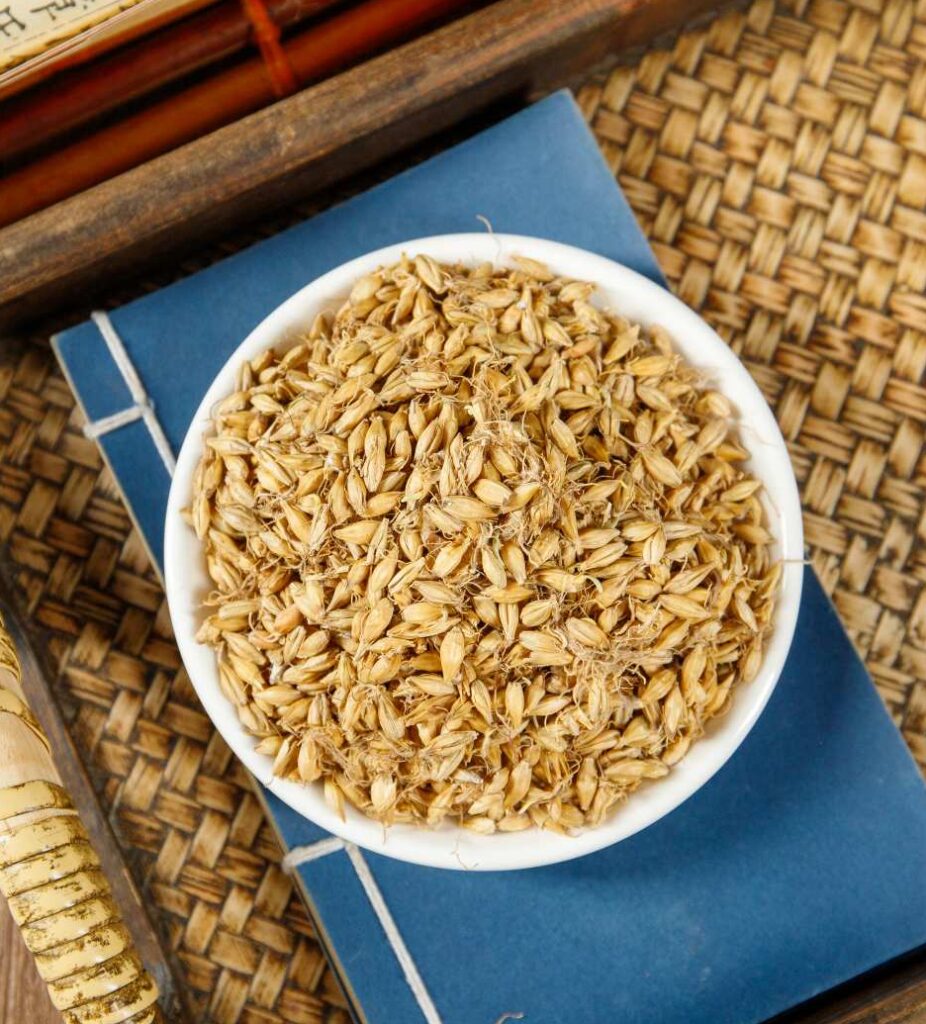
Barley sprout powder is present in numerous herbal preparations. Moreover, the barley sprout powder can be found in food blends, functional beverages, and daily nutrition products. This ingredient’s benefits come from the variety of the plant ingredients. They do not depend on a particular nutrient but are characterized by a number of factors, which include the raw ingredient and the process used to get it. This powder may include vitamins, minerals, fibers, chlorophyll, and plant antioxidants.
One detail needs clear attention from the start. The name “barley sprout powder” is not always the same. Some products come from germinated barley grains. Others come from young green barley leaves. Those are often sold as barley grass powder. Both start from the same plant called Hordeum vulgare L. Yet their nutrient profiles, color, taste, and best uses are different.
What Is Barley Sprout?
Barley sprouts form when barley grains take in water and start to germinate. The dried sprouted material can be milled. It is then used for traditional herbal preparations. It can also be supplied as a botanical raw material. Young barley grass powder is different. It is made from green leaves. Those leaves are harvested before the mature grain develops.
This difference shapes buying choices. Powder from germinated grain may hold starch, enzymes, fiber, and compounds that form during sprouting. Leaf powder often has a stronger grassy taste. It also has a deeper green color and more chlorophyll. Buyers should confirm the plant part. They need to check the harvest stage, the botanical identity, and the manufacturing method. Only then should they compare nutrition facts for barley sprout powder.
The two forms share the same plant name. Still, they behave differently in formulas. Grain-based powder may feel thicker. It can settle faster in liquids. Leaf-based powder blends more easily into green drinks. It leaves a clearer plant color. Formulators who skip this check can face problems later. Color may fade. Taste may turn odd. Dispersion may become uneven. Careful identification at the start saves time and cost.
Many buyers first look at price. They should look at the plant part next. A clear declaration on the specification sheet helps avoid mix-ups. It also makes later testing more useful.
Barley Sprout Nutrition Profile
No single nutrition panel fits every barley sprout or barley grass ingredient. Growing conditions change the numbers. Harvest time changes them too. Drying temperature, milling style, storage, and the share of leaf versus grain all play a role. Product-specific values should come from a current specification. A certificate of analysis or a lab report works best.
Here is a simple overview of the main groups:
| Nutrient group | Common components | Why it matters |
|---|---|---|
| Vitamins | Beta-carotene, vitamins C, E, K, and B vitamins | Nutrition claims and label work |
| Minerals | Potassium, calcium, magnesium, iron, manganese, phosphorus | Formula balance and quality checks |
| Green pigments | Chlorophyll a and b | Color and green-food uses |
| Antioxidants | Polyphenols, flavonoids, saponarin, lutonarin | Functional-food positioning |
| Other components | Fiber, amino acids, enzymes, carbohydrates | Texture, mix ability, and format |
Each group reacts in its own way to growing and processing steps. That is why a general claim is rarely enough for serious product work. Lab data for the actual batch always gives a clearer picture.
Vitamins in Barley Sprout
Young green barley is often linked with beta-carotene. It also links with vitamin C, vitamin E, vitamin K, and several B vitamins. Beta-carotene is a plant pigment. It acts as a precursor for vitamin A. Vitamins C and E take part in antioxidant systems. Vitamin K appears naturally in many green plant materials.
Amounts can drop sharply after harvest. Vitamin C is sensitive to heat. It is also sensitive to air and long storage. A powder may keep its green look. At the same time it can lose some of its heat-sensitive vitamins. Claims such as “vitamin-rich barley sprout powder” need batch testing. They should not be copied from a general barley grass profile.
When a formulator plans a label claim, the lab data must match the exact lot. Older stock can lower the measured levels. Different drying runs can do the same. This is why stable supply chains and regular testing matter more than a single published number. Fresh samples tested close to use give the most reliable results.
Minerals in Barley Grass and Sprouted Barley
Barley grass may hold potassium, calcium, magnesium, iron, manganese, and phosphorus. Minerals stay more stable than many vitamins during drying. Still, their levels depend on soil. They also depend on water, plant age, and handling.
For commercial buying, mineral content is only part of the review. Heavy-metal limits are just as important. A useful supplier file should list lead, cadmium, arsenic, and mercury. This is needed when the destination market requires them. It is especially true for bulk barley sprout powder meant for supplements or repeated daily use.
Soil quality and irrigation style can push mineral numbers up or down. A field with rich mineral content may give higher readings. The same field must still pass heavy-metal screens. Buyers who focus only on “high mineral” claims without checking purity can face later rejection. Customs or quality teams may stop the shipment.
Chlorophyll and Natural Green Color
Chlorophyll gives young barley leaves their green color. It is a key feature of barley grass powder. The pigment suits green drink powders. It also works in smoothie mixes, tablets, and clean-label foods that need a clear plant look.
Chlorophyll should not be assumed in dried germinated grain. When a barley sprout ingredient is made before much green leaf growth, its chlorophyll level may be much lower. Developers who want a chlorophyll-rich green powder should ask for a plant-part statement. They should also ask for a measured chlorophyll value.
Color alone does not prove nutrient strength. A deep green powder may still have lost vitamins or antioxidants. This happens if drying was too hot or storage was poor. Measured chlorophyll and a clear plant-part note give a more reliable picture than visual checks alone. Formulators often test color stability in the final drink or mix before they lock the formula.
Antioxidants and Plant Compounds
Young barley leaves contain polyphenols and flavonoids. These include saponarin and lutonarin. The compounds add to antioxidant activity in lab tests. Barley grass also holds natural pigments. It holds antioxidant-related enzymes as well. Enzyme activity can fall during heating and storage.
This does not mean barley sprout prevents or treats disease. A more accurate view is that it can add naturally occurring antioxidant compounds to a varied diet. It can also add them to a functional-food formula. Finished-product claims must follow local rules. They must rest on evidence for the exact ingredient used.
There may be variations in antioxidant levels depending on the variety. There may also be variations depending on the harvesting and drying process used. Freeze-dried samples tend to preserve more of the antioxidants compared to air dried using high temperatures. Consumers that require consistency in antioxidant levels should request testing methods and ranges.
What Changes the Final Nutrient Profile?
Two powders with the same name may act differently in a drink or capsule. Common reasons include:
-
Plant part: green leaf, whole young shoot, or germinated grain
-
Harvest stage: early germination or later leaf growth
-
Drying method: hot-air, freeze-drying, spray-drying, or another controlled process
-
Particle size: coarse powder settles faster; fine powder usually mixes more evenly
-
Storage: moisture, light, heat, and air can affect color and sensitive nutrients
-
Testing: identity testing does not replace nutrition, pesticide, microbial, and heavy-metal analysis
Dark green color is not proof of better nutrition. It offers a visual clue. It cannot confirm vitamins, antioxidant strength, purity, or safety. Controlled process steps and full lab data give a clearer view of what the powder will deliver in a finished product.
Harvest timing is another key factor. Leaves picked too early may hold less chlorophyll. Leaves left longer may shift in fiber and mineral balance. Processors who track field conditions and drying logs can keep batches more consistent from one season to the next. Simple records make a big difference for repeat orders.
Common Uses of Barley Sprout Powder
Uses will depend on whether it is a sprouted grain product or a young leaf powder. This will determine what is best suited to particular products as both have their unique advantages.
Food and Beverage Applications
Leaf-based barley grass powder is used in green drink mixes. It also appears in smoothie sachets, nutrition blends, and functional beverages. Its grassy flavor pairs well with citrus, apple, pineapple, or mint. Before launch, formulators often check sediment. They check bitterness, color stability, and how well it disperses in the target liquid.
Grain-based powder may work better in thicker mixes or baked items. Starch and fiber can add body there. Leaf powder is usually preferred when a bright green color and clean plant taste are the goal. Trial batches help confirm that the chosen powder stays stable. They test it through pasteurization, shelf storage, and consumer use. Small pilot runs often reveal issues that lab data alone misses.
Herbal and Supplement Applications
Dried barley sprout from germinated Hordeum vulgare grains is used in traditional herbal preparations. Powdered forms may also go into capsules, tablets, or blended herbal products. Botanical identity and steady processing matter in these cases.
Commercial discussions will be broader than just the price per kilogram. Packaging, moisture content, microbial content, and documentation all play a part. The specific needs of private labeling, lead times, and shipping conditions can influence the final product. A supplier who can provide full technical data and samples is minimizing their risks.
Capsule and tablet makers often look for fine, free-flowing powder with low moisture. Drink-mix makers may accept a slightly coarser grind if color and taste remain strong. Matching the powder specs to the final format avoids later reformulation costs. Clear communication at the start keeps projects on track.
How to Choose a Barley Sprout Supplier
A reliable barley sprout supplier should make the ingredient easy to identify and evaluate. Before a bulk order, buyers can request several key items. These include:
-
Botanical name, plant part, origin, and processing location
-
Manufacturing flow, drying method, particle size, and moisture limit
-
Microbial, pesticide, and heavy-metal test results
-
Packaging, shelf life, storage advice, and traceability records
-
Samples for flavor, color, blending, and stability trials
For organic barley sprout , valid certification should match the claim. “Natural” and “organic” do not mean the same thing. Buyers should check that the certificate covers the exact product and the current production period.
Long-term partners who share process details tend to deliver more consistent lots. They also respond quickly to questions. Short-term price deals without documentation can create bigger costs later. A batch may fail testing or a regulatory check. Then the whole project slows down.
Bozhou Huirui Chinese Medicine Technology Co., Ltd.
Bozhou Huirui Chinese Medicine Technology Co., Ltd. is a traditional Chinese medicine supplier based in Bozhou, Anhui. Its range includes plant medicines and other botanical materials. It serves wholesalers, importers, distributors, and product companies.
The company combines raw-material sourcing with processing. It also handles inspection, packaging, transportation, OEM, and private-label support. Its purchasing channels reach across several Asian and African markets. Its trade network serves customers in China and overseas. For barley sprout and related herbal ingredients, this structure supports specification review. It supports sample evaluation, production coordination, and repeat-order planning through one supply relationship.
Buyers who work with such a supplier can request plant-part confirmation. They can also request drying method details and full test packages in one place. This reduces the need to chase documents from multiple sources. It helps keep product development on schedule.
Conclusion
Germinated barley grain and young green barley leaves share the botanical name Hordeum vulgare L. Yet they differ in chlorophyll, texture, flavor, carbohydrates, and typical uses. Vitamins, minerals, and antioxidants can add value. Sound decisions still require product-specific testing. They need clear plant-part identification and controlled processing. Buyers should assess the complete technical file. They should not rely on a broad “green superfood” claim.
Clear communication with the supplier about harvest stage helps. Drying style and lab methods also matter. These steps turn a generic ingredient into a reliable one. When they are followed, barley sprout can serve as a practical and consistent component. It works in both food and herbal formulas.
Frequently Asked Questions
Are barley sprout powder and barley grass powder the same thing?
Not necessarily. While barley sprout powder could mean dried germinated seeds, barley grass powder would be made up of young green leaves. Consult your supplier for confirmation.
What are the antioxidants found in barley grass?
Polyphenols and flavonoids like saponarin and lutonarin can be found in young barley plants. Activity is cultivar-specific and also harvest-specific, dry processing technique-specific, and storage-specific.
What vitamins does barley sprout have?
The young green barley will contain beta-carotene. This product may contain vitamins C, E, K, and some vitamin B varieties. The actual value will depend on crop variety and processing methods. Lab reports are necessary for accurate labeling.


