



Areca Nut Chemistry: Arecoline, Tannins and Polyphenols
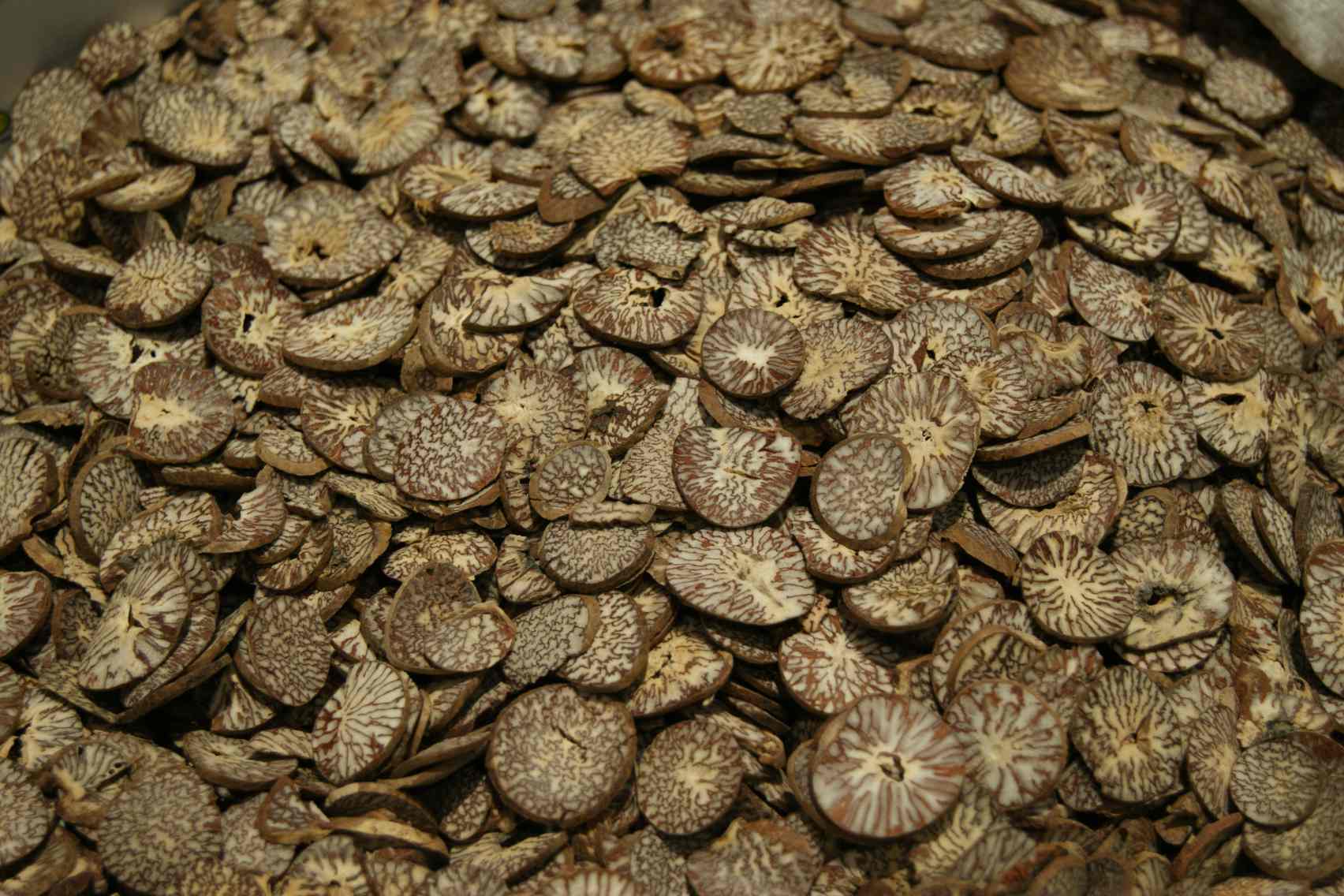
The Areca nut derives from the seed of the Areca catechu. It is a naturally derived substance that contains a diverse array of compounds. These include the presence of alkaloids, tannins, flavonoids, and various other polyphenols. In addition to this, the nut also contains the presence of carbohydrates, fatty acids, protein, fibers, and various minerals. Among all these parts, arecoline stands out the most. Researchers focus on it heavily. This alkaloid links closely to the nut’s effects on living things and its overall safety record.
A good look at areca nut chemistry needs more than a simple list of items. Many things can change the results. These include how ripe the nut is, where it grows, and how people dry it, boil it, roast it, or store it. Lab methods also make a big difference. Just finding a compound in a test does not mean it supports health claims, daily use, or official approvals.
What Is the Chemical Composition of Areca Nut?
Reports on betel nut chemistry show differences between samples. Yet certain main groups keep appearing across many studies. Here is a simple table that gives a practical overview of the key parts in Areca catechu.
| Compound group | Common examples | Why it is measured |
|---|---|---|
| Alkaloids | Arecoline, arecaidine, guvacine, guvacoline | Identification, profiling and toxicology |
| Polyphenols | Catechins, procyanidins, flavonoids, phenolic acids | Extraction, stability and chemical screening |
| Tannins | Condensed and hydrolysable tannin-related compounds | Astringency, color and processing changes |
| Other components | Fiber, starch, fats, protein and minerals | General raw-material characterization |
Keep in mind these are not set rules. The maturity of the seed, how the sample was prepared, and the testing approach can lead to quite different outcomes.
Basically, the nut holds many natural substances. Scientists notice similar patterns, but exact amounts vary a lot due to natural growing differences.
What Is Arecoline in Areca Nut?
Arecoline is part of the alkaloid family. These are nitrogen-containing compounds. It is often called one of the primary alkaloids. However, it does not stand alone. Arecaidine, guvacine, and guvacoline show up regularly too in phytochemical tests.
Why Areca Nut Alkaloids Vary
Green young nuts and fully mature dried ones often show different alkaloid balances. In some cases, younger material has more arecoline. Older samples might lean toward guvacine and related items. The origin and all the steps after harvest create extra variation.
When you see a number for arecoline content, it only makes sense if the report includes full details. That means sample type, plant part, batch info, test method, and units used. Tools like HPLC analysis or LC-MS can measure multiple alkaloids together. Still, one lab’s results may not line up perfectly with another’s.
Arecoline matters for building chemical profiles. Labs track it for safety studies as well. Even small changes in conditions can move the levels noticeably. This is why careful reading of any document is necessary.
What Are Tannins in Areca Nut?
Astringency is attributed to the tannins that react with proteins, thus affecting color, taste, and processability. Tannins belong to the class of polyphenols, hence the association between the two is not an exclusive one.
Tannin levels shift depending on maturity, boiling, roasting, or drying. You cannot fairly compare a dark roasted sample to a pale sun-dried one without knowing the full history.
Tannins affect the mouth feel strongly. This quality plays a role in how people have used the nut traditionally. They also change the appearance during different treatments. Heat or time can transform them into other forms.
What Polyphenols Are Found in Areca Nut?
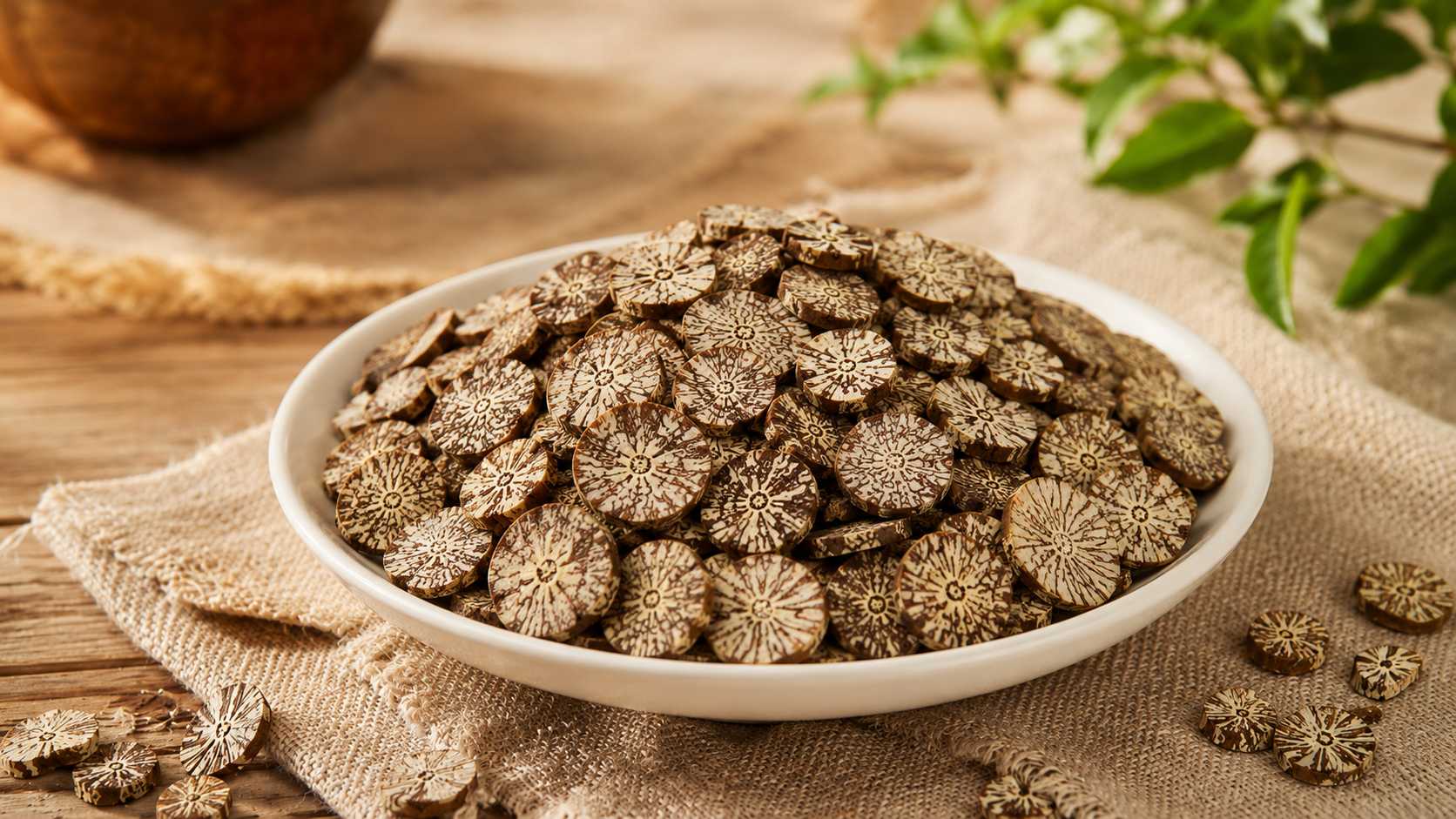
The polyphenol components consist of the flavonoids and tannin-like compounds. Catechins, procyanidins, and phenolic acids have been isolated from Areca catechu. The exact list depends heavily on the extraction solvent chosen and the full analytical procedure.
What Polyphenol Research Can Show
Researchers extract these polyphenols to compare different conditions. They test solvents, temperatures, and recovery rates. Some experiments check antioxidant activity in controlled settings. Others examine effects on microbes, enzymes, or cells. These remain lab-based findings. They do not prove the whole nut is safe or useful when people consume it.
A positive test outcome from one fractionated portion does not mitigate the associated hazards from the entire substance. Additionally, it is not a go-ahead for anything regarding the authorization in food, nutritional supplements, cosmetic and pharmaceutical products.
Polyphenols draw interest because of their natural behaviors in tests. Yet real applications involve many more variables. The entire nut brings together compounds that interact in complex ways.
How Processing Changes Areca Nut Composition
Variation starts right at the beginning. Plant variety, growing region, harvest timing, and the specific part used all matter.
Here are common processing factors that affect results:
-
Boiling before the drying stage.
-
Roasting using different temperature levels.
-
Sun-drying versus controlled hot-air methods.
-
Storage time and surrounding humidity.
-
Selling the nuts whole, split, sliced, or ground into powder.
-
Choices of extraction solvents and sample preparation in the lab.
Mature areca nut typically gets harvested, dehusked, and dried. Huirui’s dried areca nut follows this standard approach. Workers remove the outer covering from mature fruit, extract the seed, and let it dry naturally in sunlight. This creates a different base for analysis compared to fresh, boiled, or roasted versions.
Each choice can raise or lower certain chemical amounts. Heat breaks down sensitive parts. Drying concentrates others. Storage slowly changes the balance over weeks or months. Understanding these shifts helps match the right material to specific needs.
Research Uses of Areca Nut Compounds
Labs explore areca nut compounds in various directions. They study alkaloid patterns and phenolic substances. Extraction work compares solvents and conditions for better yields. Preclinical tests use isolated items or extracts in cell work, enzyme assays, and animal models. Some researchers look into plant-based colorants or non-food applications.
Language here needs to stay careful. Phrases such as “investigated for,” “measured in,” or “reported in laboratory research” are safe. Stronger words like “treats,” “prevents,” or “safe for daily use” demand much stronger supporting evidence. They can also create problems with regulations.
The data from studies can guide planning for more tests. However, it cannot replace proper market review, batch-specific testing, or full toxicological checks.
Safety Boundaries for Areca Nut and Arecoline
You cannot judge safety by talking only about polyphenols. Areca nut carries a classification as carcinogenic to humans. Arecoline itself is listed as possibly carcinogenic based on mechanistic evidence. These categories reflect the strength of available data on cancer hazard. They do not provide simple dose guidelines or individual risk levels.
Most concerns link to repeated oral exposure over time. The research links areca nut consumption with harm to the mouth tissues and cancerogenesis. It is irrelevant whether the substance is labeled as a traditional one or is natural or has polyphenols.
No universal safe dose comes from any composition table. Buyers need to verify local rules carefully. They must confirm that areca nut ingredients fit the planned use in the target market. United States import controls affect many food products and certain dietary items containing areca nut.
These facts deserve serious thought. Short lab results do not outweigh years of broader health observations.
How Is Areca Nut Quality Tested?
Quality testing should start with proper identity and the intended final use. A solid purchase specification usually covers several practical points.
-
Botanical identity: Is this verified as Areca catechu seed?
-
Physical quality: Are color, size, foreign matter, and moisture within acceptable limits?
-
Chemical profile: Does it need arecoline levels or a wider alkaloid check?
-
Contaminants: What limits exist for heavy metals, pesticides, and microbes?
-
Documentation: Is the certificate of analysis linked to the actual supplied batch?
A batch-specific certificate provides real value over generic sheets. Required tests depend on the importing country, processing steps, and product category. Both sides should agree on details ahead of time.
Bozhou Huirui as a Botanical Raw-Material Supplier
Bozhou Huirui Chinese Medicine Technology Co., Ltd. supplies traditional Chinese medicine materials and botanical ingredients. They work out of Bozhou, a major herbal trading center in China. Their range covers plant, animal, and mineral items plus many dried botanical products for wholesalers, importers, distributors, and product makers.
Regarding Areca catechu raw material, it is possible to negotiate about grading, form, packaging, and shipping issues. The following services are included in the offer: quotation, ordering, manufacturing, inspection, packing, and delivery. OEM and private-label options are available for suitable projects. This helps maintain consistency throughout the entire supply process.
Choosing a dependable supplier simplifies sourcing. Good communication ensures the product matches exact requirements.
Conclusion
Areca nut contains alkaloids, tannins, polyphenols, and ordinary plant components. However, the major components provide a partial representation. The maturity of the Areca nut, the method of processing, and the laboratory procedure influence the end result. Research results must stay separate from clinical claims. The safety status of areca nut stays very important. For business buying, correct botanical identity, clear specifications, batch testing, and market rule checks form the base of a solid purchase.
FAQs
What chemicals are found in areca nut?
Areca nut contains alkaloids such as arecoline, arecaidine, guvacine, and guvacoline. It also includes tannins, flavonoids, other polyphenols, fiber, starch, fats, protein, and minerals.
What is arecoline in areca nut?
Arecoline is one of the main alkaloids present. Laboratories measure it mainly for profiling and safety research. Its presence does not support consumer health claims by itself.
Does processing change areca nut composition?
Yes, it does. Ripeness, boiling, roasting, drying, storage, and grinding all can alter measured alkaloids, tannins, and polyphenols. The laboratory method itself influences reported results too.


