



Bulk Platycodon Root Prices: A Buyer’s RFQ Guide
A low price per kilogram can lose its appeal when a shipment arrives with excess moisture, heavy breakage, mixed crop years, or incomplete documents. For buyers of dried medicinal roots, the real question is not simply, “What is the bulk Platycodon root price?” It is, “What usable, compliant material will arrive for the quoted cost?”
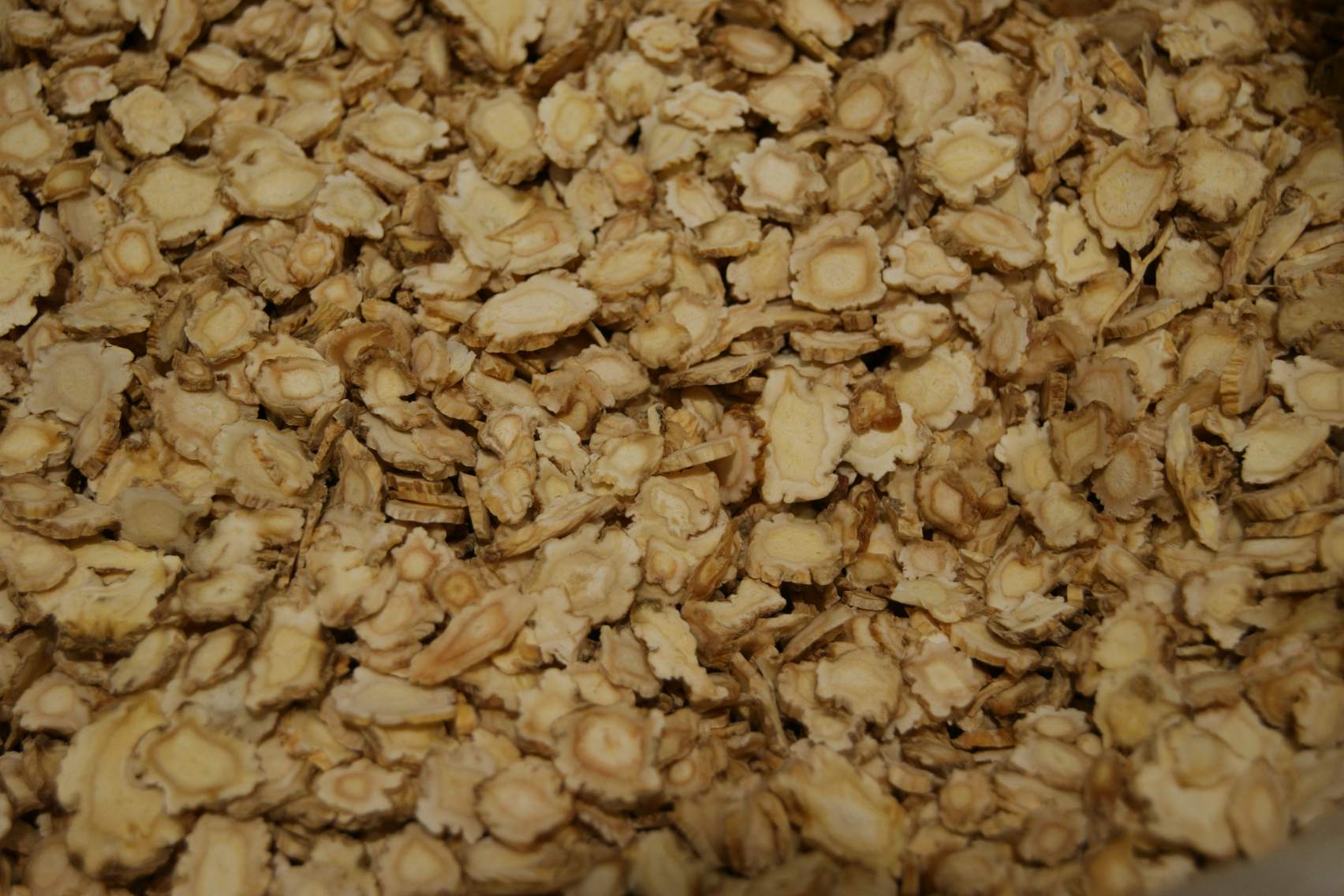
Platycodon root, also called balloon flower root, Jie Geng, or Radix Platycodi, is the dried root of Platycodon grandiflorus. Wholesale quotations vary because suppliers may price different forms, grades, test packages, order sizes, and delivery terms. A detailed request for quotation, or RFQ, removes those gaps before comparisons begin.
Start With the Exact Material
Before discussing price, buyers need a common product definition. Whole dried root cannot be compared fairly with peeled slices or fine powder. Each form has different processing loss, labor, packing, and usable yield.
Commercial forms include whole Platycodon root, sliced Platycodon root, peeled or unpeeled root, and Platycodon root powder. Extract powder is a separate category because its extraction ratio, carrier, solvent system, and assay alter the cost structure.
The specification should state the botanical name, plant part, physical form, intended use, and destination market. For slices, add cut thickness and acceptable fines. For powder, state mesh size and whether metal detection is required.
Seven Factors Behind Bulk Platycodon Root Prices
Several variables move together. A cleaner grade may cost more at origin yet give a better yield. A cheaper lot may require sorting, retesting, or disposal. These seven factors explain why two offers can differ even when both are described as dried Platycodon root.
Grade, Appearance, and Usable Yield
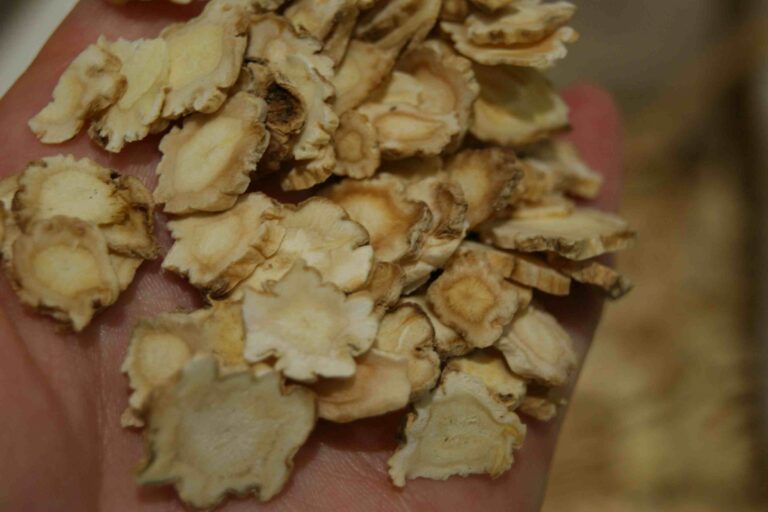
Root diameter, color, uniformity, breakage, insect damage, mold, soil, and foreign matter affect grade. “Grade A” means little unless it is defined.
Ask for measurable limits: maximum foreign matter, broken pieces, size range, moisture, and rejection criteria for discoloration or infestation. Request current batch photos, not only catalog images.
Consider an illustrative 1,000 kg order. Lot A costs $6.00 per kg but loses 8% during sorting. Lot B costs $6.30 and loses 2%. The usable cost is about $6.52 per kg for Lot A and $6.43 for Lot B. The higher quotation produces the lower working cost.
Whole, Sliced, Peeled, or Powdered Form
Processing adds labor, equipment time, energy, and yield loss. Whole root has fewer steps. Slicing adds cleaning, cutting, drying control, and screening. Peeling removes saleable weight. Powder requires milling, sieving, and stronger control of cross-contamination and metal fragments.
For cut root, define cut size and the maximum percentage of fines. Also state whether root heads, side roots, or thin tail pieces are acceptable.
Crop Year, Harvest, and Storage
New-season material may carry a premium when supply is tight, while older stock may be discounted. Age alone does not determine quality, but long storage can affect color, aroma, insects, moisture migration, and consistency.
Ask for crop year, harvest period, storage time, warehouse conditions, and remaining shelf life. Buyers planning repeat production should ask whether matching material can be reserved from the same crop.
Origin and Traceability
Country of origin is only the first layer. Cultivation area, processor location, harvesting method, and post-harvest handling can affect consistency and contaminant risk.
The document trail should connect:
- the approved sample and specification;
- the test report and production lot;
- the packing list, labels, and shipment.
This link matters for herbal tea, food ingredients, dietary ingredients, and traditional medicine channels. Current herbal-material guidance places similar emphasis on botanical identity, geographical origin, cultivation, harvesting, processing, storage, and written batch records.
Testing and Documentation
Testing raises the initial cost, but weak documentation can create larger costs after import. A basic file may include botanical identity, appearance, moisture, ash, and foreign matter. Depending on the market, buyers may add pesticide residues, heavy metals, microbial limits, aflatoxins, and sulfur dioxide residue.
A Certificate of Analysis should identify the batch and test methods. It does not replace a product specification. Buyers should also know whether tests came from an in-house or independent laboratory and whether the tested sample represents the shipping lot. Representative sampling is important because medicinal plant batches are naturally less uniform than many processed ingredients.
MOQ and Order Volume
Samples, trial orders, pallet orders, and container loads carry different unit costs. Small orders may require the same setup, paperwork, inspection, and export handling as larger shipments.
Compare savings with inventory risk. Six months of stock may reduce the quoted price but increase storage cost, cash tied up, and exposure to moisture or pests. Request price breaks for practical quantities such as 100 kg, 500 kg, 1,000 kg, and annual contracted volume.
Packaging, Incoterms, and Freight
Ex-works, FOB, and CIF quotations are not interchangeable. Packaging also changes freight density and protection.
A dried-root RFQ may call for an inner liner, outer bag or carton, stated net weight, lot labels, and moisture protection. Pallets improve handling but take container space. Confirm destination requirements for pallet treatment, marks, and supporting documents.
A Practical Platycodon Root RFQ Checklist
A clear RFQ saves repeated emails and reduces assumptions. These fields can be copied into a sourcing form.
|
RFQ field |
Details to provide or request |
|
Product |
Platycodon grandiflorus root; whole, sliced, peeled, or powder |
|
Quality |
Grade, color, size, breakage, foreign matter, moisture, ash |
|
Quantity |
Sample, trial order, MOQ, and annual forecast |
|
Crop data |
Crop year, harvest period, and storage time |
|
Testing |
Identity, pesticides, metals, microbes, aflatoxins, sulfur dioxide |
|
Documents |
Specification, batch COA, origin papers, packing list |
|
Packing |
Net weight, liner, carton or bag, pallet requirement |
|
Trade terms |
Currency, FOB or CIF point, port, lead time, payment |
Attach acceptance limits rather than asking for “best quality.” A tea-packing line may need uniform slices with low fines. An extraction plant may accept irregular pieces when identity, cleanliness, and dry-matter yield meet target.
Compare Landed Cost, Not the Headline Price
The useful comparison is landed cost per usable kilogram:
Landed cost = goods + packing + inland transport + export documents + freight + insurance + import charges + testing + local delivery.
|
Cost point |
Quote A |
Quote B |
|
Product price |
Lower |
Higher |
|
Sorting loss |
8% |
2% |
|
Test package |
Partial |
Complete |
|
Packing |
Basic |
Moisture-protected |
|
Lead time |
Unconfirmed |
Confirmed |
Add expected loss, laboratory fees, bank charges, and delay risk before choosing a Platycodon root supplier. Both quotes should use the same currency, quantity, Incoterm, destination, and validity period.
Working With Bozhou Huirui Chinese Medicine Technology Co., Ltd.
Bozhou Huirui Chinese Medicine Technology Co., Ltd., located in Bozhou, Anhui, produces Chinese medicine raw materials such as Platycodon root. The firm’s product range includes Chinese medicines that are derived from plants, animals, and minerals.
The firm integrates various procurement routes as well as expertise in trading both locally and internationally. It sources from several Asian and African sources whereas it sells to Chinese markets and other markets in Southeast Asia, Africa, and the Middle East. Project customization will be carried out from market analysis to shipment. Purchasers may provide specifications, packaging requirements, quantity, and destination for quotation per batch.
Conclusion
Bulk Platycodon root prices reflect more than crop supply. Form, grade, usable yield, crop year, origin, testing, MOQ, packaging, and freight all change the final cost. A detailed Platycodon root RFQ makes offers comparable and creates a clear basis for sampling, approval, production, and shipment. The strongest purchase is usually the lot with the best documented landed cost, not the lowest opening number.
FAQs
How much does bulk Platycodon root cost?
There is no reliable fixed price without a specification. The supplier needs the form, grade, quantity, crop year, tests, packing, destination, and Incoterm before giving an accurate Platycodon root quotation.
What tests should appear on a Platycodon root COA?
Typical items include identity, appearance, moisture, ash, and foreign matter. Pesticide residues, heavy metals, microbial limits, aflatoxins, and sulfur dioxide may be added according to market and use.
What belongs in a wholesale quote request?
State the product form, cut or mesh size, quantity, quality limits, crop year, tests, packaging, destination port, lead time, and trade term. Approve a representative sample before the bulk shipment is packed.


