



Figwort Root Forms: Whole Root, Slices, Powder, or Extract?
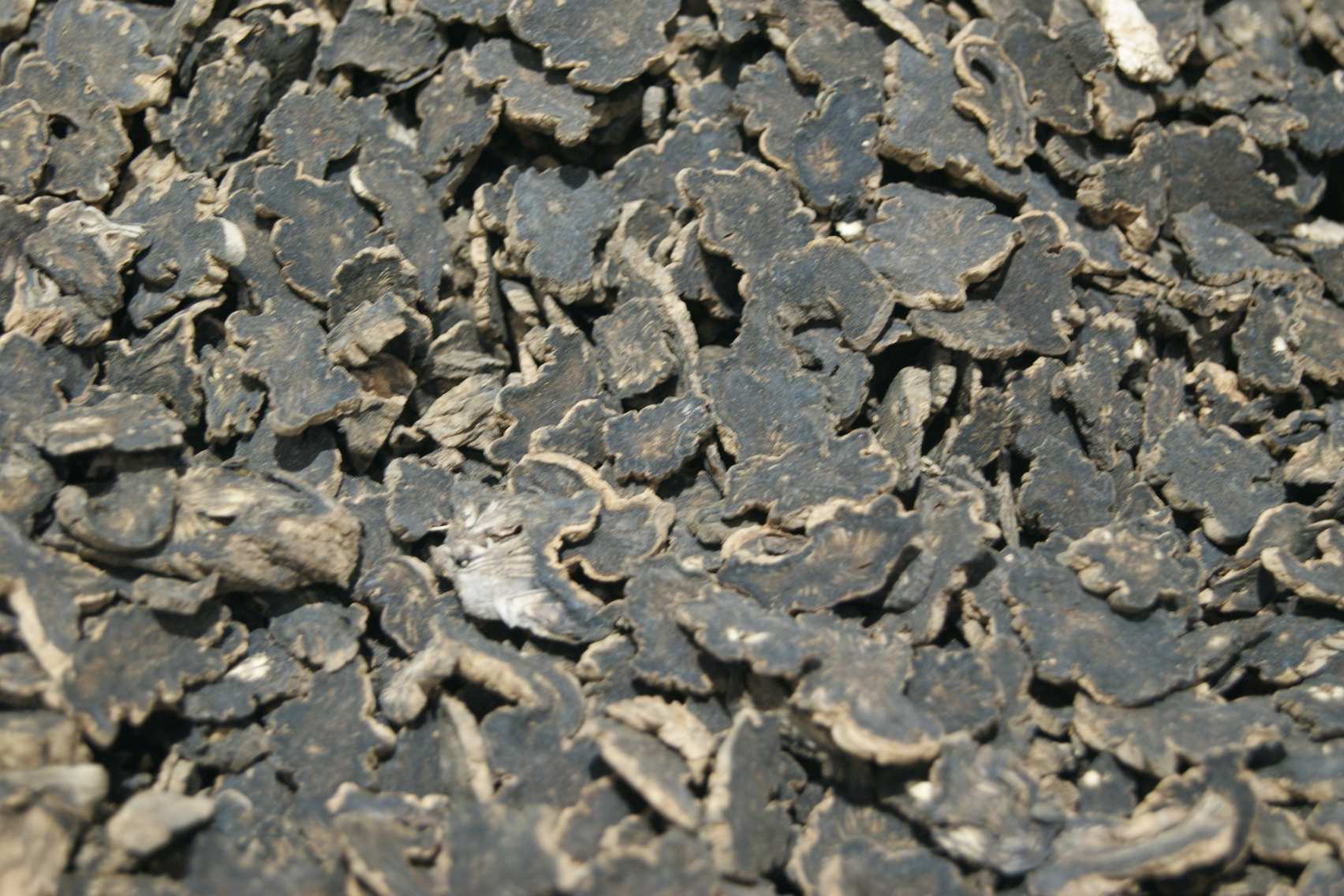
Figwort root is sold as whole dried root, cut slices, powder, and extract. These forms may share the same botanical source, but they differ in handling, storage, testing, and production. A tea company may need even slices. A capsule producer usually wants a controlled powder. An extraction plant may prefer whole root so it can manage cutting, solvent choice, and yield.
The best figwort format is the one that fits the next manufacturing step with the least waste and uncertainty.
Confirm the Botanical Identity First
In the Chinese herbal trade, Xuan Shen generally refers to the dried root of Scrophularia ningpoensis. It may also appear as Chinese figwort root, Scrophularia root, or Radix Scrophulariae.
“Figwort” is used for other species in the same genus, so a common name alone is not enough. The botanical name and plant part should appear on the quotation, sample label, certificate of analysis, and commercial documents.
Check four points:
- Botanical source: Scrophularia ningpoensis
- Plant part: dried root
- Trade name: Xuan Shen or Figwort Root
- Country of origin: stated for the shipment
This step prevents buyers from comparing materials that share an English name but differ in species or plant part.
Figwort Root Forms at a Glance
Each form serves a different workflow. The table shows where whole root, slices, powder, and extract usually fit.
|
Format |
Common Application |
Main Advantage |
Key Check |
|
Whole figwort root |
Raw herb trade, cutting, extraction |
Easy visual inspection |
Identity, dryness, foreign matter |
|
Figwort root slices |
Tea, decoction, herbal packs |
Easy portioning |
Thickness, fines, moisture |
|
Figwort root powder |
Capsules, blends, sachets |
Ready for mixing |
Mesh size, microbes, flow |
|
Figwort root extract |
Processed formulas |
Less in-house extraction |
Ratio, solvent, carrier |
Whole Figwort Root for Processing Control
Whole dried figwort root receives little size reduction before sale. Herbal wholesalers and processors with cutting, milling, or extraction equipment often select this form.
Where Whole Root Works Well
The intact root allows closer visual inspection. Shape, surface, fracture, color, insect damage, mold, and foreign matter are easier to examine than in fine powder. A processor can also select its own cut size or milling method.
Limits to Consider
Whole root needs more handling and storage space than powder. Differences in root size may affect cutting speed and yield. Visual inspection cannot replace laboratory checks, so identity, moisture, microbial, heavy-metal, and pesticide-residue testing may still be required.
Figwort Root Slices for Tea and Decoction
Slices retain the visible character of the herb while reducing preparation time. They are practical for herbal stores, decoction services, tea brands, and measured herb packs.
Why Slices Are Practical
A uniform cut is easier to weigh, blend, soak, and boil. Clean slices may move into filling after incoming inspection and are easier for customers to handle than a hard, irregular root.
What Buyers Should Check
Ask about thickness, drying method, moisture, odor, foreign matter, and fines. Compare the approved sample with the delivered batch. Color may vary naturally, so it should be reviewed with identity and analytical results.
Figwort Root Powder for Capsules and Blends
Figwort root powder is dried root milled to a stated particle size. It is commonly used in capsules, powdered herbal blends, sachets, and other dry formulations.
Powder Fits Efficient Production
A controlled powder removes on-site grinding. It should feed steadily, mix evenly, and contain no hard fragments.
Particle size matters. Very fine powder creates more dust and may absorb moisture faster. Coarse powder may separate from lighter ingredients or fill capsules unevenly. A specification should state a mesh range instead of simply asking for “fine powder.”
Powder Is Not Extract
Whole herb powder contains milled root material. Figwort root extract is made by separating soluble material from the root, then concentrating and drying it. Both may look brown, but their processing history, composition, cost, and formulation calculations differ.
A powder specification may include identity, mesh size, moisture, bulk density, microbial limits, and contaminant tests.
Figwort Root Extract for Ready-to-Use Formulation
An extract adds several processing stages. The root is treated with a chosen solvent, followed by separation, concentration, and drying. A carrier may be added to support handling.
When Extract Makes Sense
Extract suits manufacturers without extraction equipment and can reduce raw-herb volume.
Concentrated does not automatically mean better. The material must fit the formula, analytical target, label, and local rules. Whole root and botanical extract powder should not be compared only by price per kilogram.
How to Read an Extraction Ratio
Ratios such as 5:1 or 10:1 describe a relationship between starting herb and finished extract. They do not explain solvent, carrier, yield, or testing method. Two extracts with the same ratio may differ greatly.
Before comparing figwort root powder vs extract, request:
- Botanical source and plant part
- Extraction solvent and ratio definition
- Added carrier, if any
- Identification or marker test
- Solubility, moisture, and particle size
How to Choose the Best Figwort Format
The decision should start with the final product and work backward.
Retail herb sellers often choose whole root or slices because customers can see the traditional material. Tea and decoction brands benefit from a clean cut that fits the bag and brewing method. Capsule and dry-blend producers generally need powder with controlled particle size and microbial results. Extract manufacturers may buy whole root or slices to control solvent, temperature, and yield. Formulators may prefer a documented extract for pilot trials.
Cost should be measured across the full process. A cheap whole root may require cutting, milling, labor, dust control, and extra testing. A processed form costs more per kilogram but may remove several factory steps.
What Bulk Buyers Should Check
A useful inquiry contains more than “figwort root wholesale” and a target price. Ask for the botanical name, plant part, origin, batch, available format, sample, packing method, minimum order quantity, and lead time.
The certificate of analysis should match the batch. Common checks include identity, moisture, microbes, heavy metals, pesticide residues, and other contaminants required for the market. Powder needs a particle-size specification. Extract needs the solvent, ratio basis, carrier content, and analytical method.
Packaging should suit the form. Slices need protection from crushing and humidity. Powder needs a sealed liner and control of caking. Extract may require a stronger moisture barrier.
Bozhou Huirui as a Chinese Figwort Root Supplier
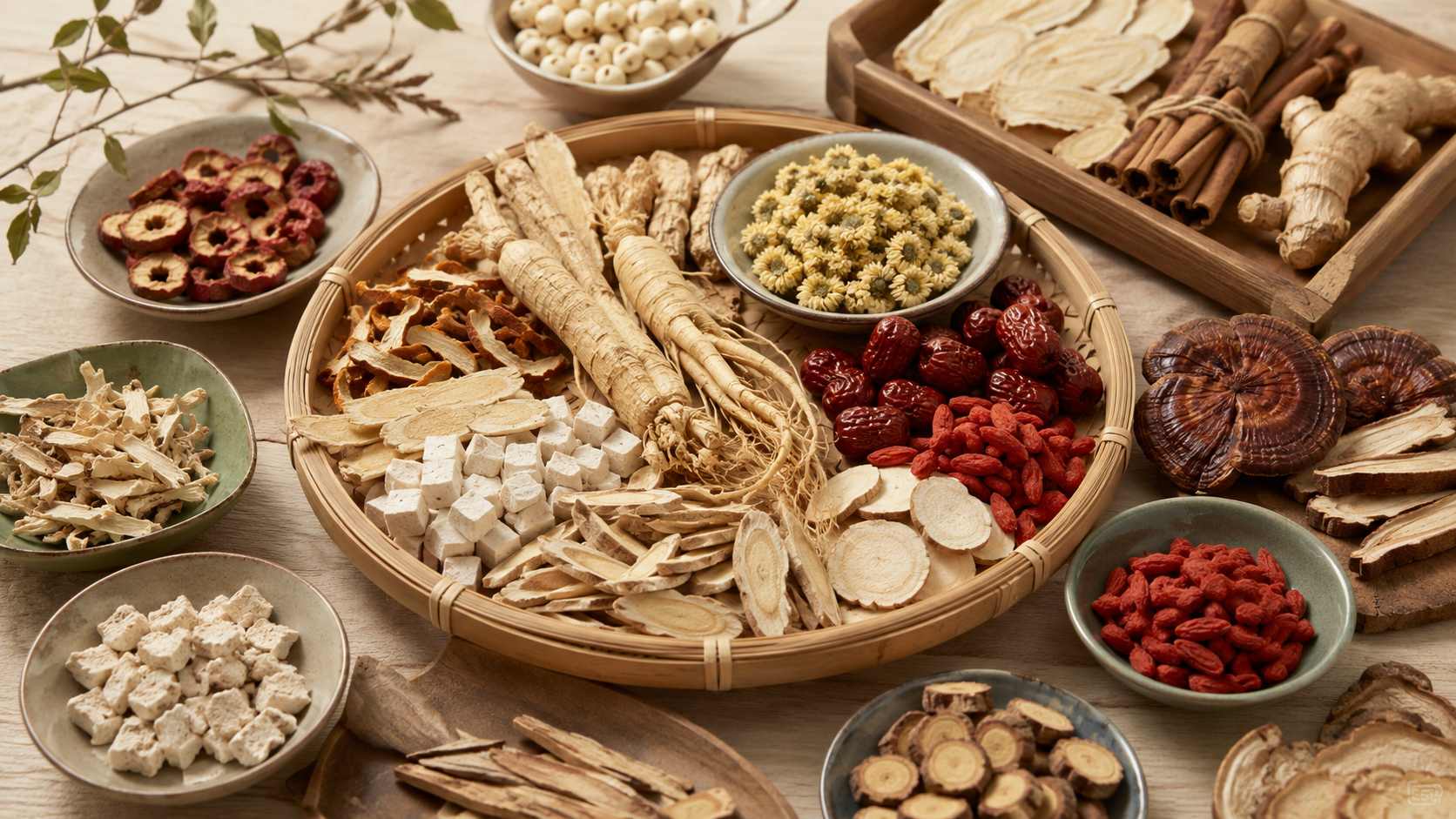
Bozhou Huirui Chinese Medicine Technology Co., Ltd. is based in Bozhou, Anhui, a major Chinese herbal medicine trading center. Its Figwort Root is identified as dried Scrophularia ningpoensis root from China. The wider product range includes plant, animal, and mineral medicines for domestic and overseas trade.
The company combines direct purchasing channels with processing and international supply experience. Its ODM and OEM service covers production, inspection, packaging, and transport. Buyers can discuss cut sizes, powder requirements, samples, packing, and custom processing before an order. Availability and specifications should be checked for the required batch and destination.
Conclusion
Whole root, slices, powder, and extract each have a clear role. Whole figwort root offers visual inspection and processing freedom. Slices suit tea, decoction, and retail packs. Powder fits capsules and dry blends. Extract reduces in-house processing for suitable formulas.
The selection should be consistent with the production line, quality specifications, packaging requirements, and intended market. An elaborate request via the contact form would yield a more meaningful quote than just requesting figwort root.
FAQs
Is figwort root powder the same as figwort root extract?
No. Figwort root powder is usually milled dried root. Figwort root extract has undergone extraction, concentration, and drying and may contain a carrier.
Are whole root or figwort root slices better for tea?
Slices are normally easier to weigh and brew. Whole root suits processors that want to inspect and cut the material themselves.
Which figwort root form is best for capsules?
Controlled figwort root powder is often the simplest choice for whole-herb capsules. Particle size, flow, microbial limits, and dose design should be checked first.
What should buyers request from a figwort root supplier?
Request the botanical name, plant part, origin, sample, batch COA, test results, size specification, packaging, minimum order quantity, price, and lead time.


