



Teas, Soups and Functional Health Foods Using Chenpi
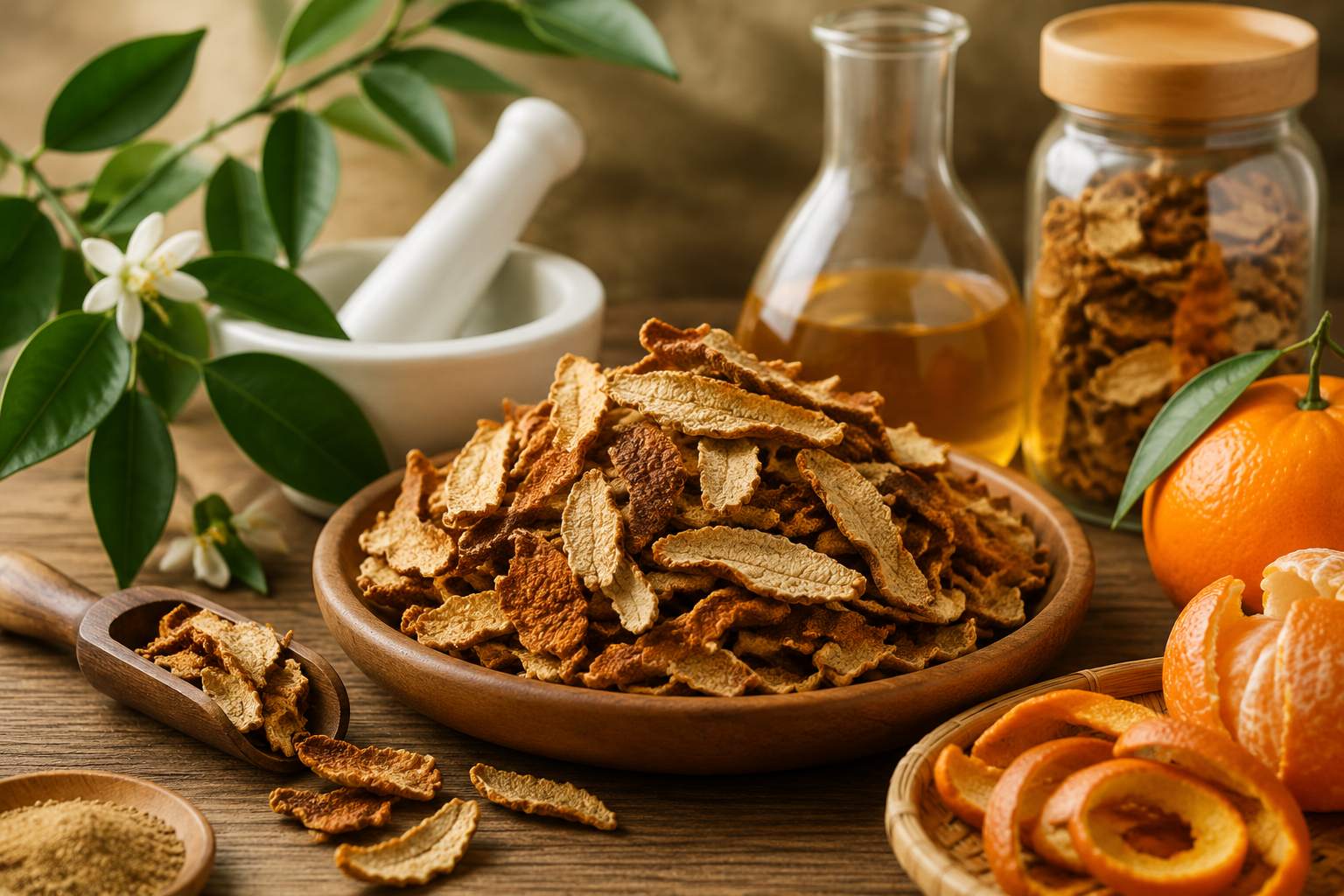
Chenpi, dried tangerine peel or citrus peel, is a popular ingredient for every day health. Dried Chenpi, from mature citrus fruits, is warm and fragrant and is added to health food to boost the flavor and function. Chenpi is often used to aid digestion and to balance moisture and to feel full after big meals. It can be added to make health brews or be incorporated into recipes of teas, soups and functional health beverages.
Chenpi is a traditional ingredient with a long history of use in Chinese cooking. It can add depth to a variety of dishes and is simple to use. The small amount of chenpi required to flavor a drink or dish is often all that is needed. In this guide we explore the uses of chenpi, including recipes that you can make straight away, and provide tips on how to incorporate it into your cooking.
What Makes Chenpi Special
Chenpi are the dried, aged skin of citrus fruits, mostly from the Citrus reticulata species. They have dried in the sun and have been getting older year by year – 3 years, 5 years, or even older. Recently, many new varieties of Hui chenpi have appeared in the market, mostly from specific places and hence of very high quality with complex fragrance.
White lotus is used in herbal medicine to gently regulate Qi, strengthen the spleen, dry dampness and to transform phlegm. The plant is used to treat symptoms of bloating, mild nausea and feeling of heaviness and discomfort. Recently, interest has been shown in the natural bioactive compounds found in the plant including the flavonoids and the volatile oils which are used to support digestive health.
Many people today keep stocks of old chenpi on hand as they keep well for long periods in a cool, dry place. This type of chenpi matures with time and can be several months to years old. You should pick pieces that feel dry but smell fresh, avoid pieces that have gone moldy or lost their color.
Chenpi in Everyday Tea Drinks

In this post, we share one of the easiest ways to get started with chenpi at tea time – making a simple brew. To make this easy brew, simply rinse the peel, place a few pieces in a pot, then pour on some hot water and allow to steep for 5-10 minutes with the water at 90-95°C. The result is a clear golden liquid with crisp fresh citrusy flavors and a warm aftertaste.
Popular combinations build on this base:
-
Chenpi with hawthorn: Good after rich meals. The tartness of hawthorn pairs with chenpi to ease digestion and cut greasiness. Use 3-5g each, steep together.
-
Chenpi chrysanthemum tea: Light and refreshing for warmer days. Add a handful of chrysanthemum flowers for a cooling touch that balances chenpi’s warmth.
-
Chenpi pu-erh: A classic pairing where the earthy depth of aged pu-erh meets citrus brightness. Many enjoy this after lunch to settle the stomach.
-
Chenpi lemon or goji blend: Fresh lemon slices or a few goji berries add vitamin notes and mild sweetness. Ideal for morning routines.
Season is also important. Lighter teas made with chenpi in damp summer help alleviate the feeling of dampness. In cooler weather, teas made with ginger and chenpi help warm you up from inside out. The ratio of ginger to chenpi can be varied until the tea tastes as one prefers; a typical starting point is 2-6 grams of chenpi per cup of tea.
Here is a simple comparison table for common tea blends.
| Blend | Key Ingredients | Main Benefit | Best Time to Drink |
|---|---|---|---|
| Basic Chenpi Tea | Chenpi only | Gentle digestion support | After meals |
| Chenpi Hawthorn | Chenpi + hawthorn | Reduces bloating | Post heavy lunch |
| Chenpi Chrysanthemum | Chenpi + chrysanthemum | Clears heat, eases dampness | Afternoon |
| Chenpi Pu-erh | Chenpi + pu-erh | Balanced flavor, comfort | Midday or evening |
These recipes use normal amounts and no special equipment. You can always make them stronger if you like a very strong citrus aroma.
Chenpi in Soups and Broths
Chenpi can add flavor and balance to soups. On the other hand, chenpi can also cut the oiliness of meat soups and give them a subtle fragrance and lift to the overall taste. A small piece of chenpi can go a long way. It is often used in family-sized pots of soup, 5-10g sufficing for the number of people consuming the soup.
Classic approaches include:
-
Rinse and soak the chenpi briefly to soften it before adding.
-
Add toward the middle or end of cooking so the aroma stays bright.
-
Pair with ingredients like winter melon, job’s tears (coix), or red beans for dampness relief.
Chenpi job’s tears winter melon soup. Soak 30g of job’s tears in water first, then cut 300g of winter melon into small pieces, add 6-8g of chenpi with some lean meat or mushrooms to cook into a light soup to drink during humid season or after big meal. After cooking for 45-60 minutes, it will become very nourishing.
Another simple dessert soup option is chenpi red bean lotus seed soup. Chenpi helps to prevent the soup from becoming too heavy, while the red beans and lotus seeds provide mild sweetness. This simple soup is often made by many families on a weekly basis as a simple dessert soup to be served after meals.
For savory broths, Chenpi is very effective paired with roasted duck or pork ribs. It takes the gaminess out of the two meats and facilitates digestion greatly. One or two pieces of Chenpi is enough to prevent the broth from becoming greasy and chefs love it for that.
Bullet points for successful soup use:
-
Choose aged chenpi for deeper flavor.
-
Combine with neutral ingredients to let chenpi shine.
-
Simmer gently rather than boil hard to preserve aroma.
-
Serve warm for best comfort.
These applications build on the traditional experience found in kitchens of China. Chenpi, in these applications, is used as a flavoring agent, or as a supporting element in cooking.
Chenpi in Functional Beverages
While home brewed teas and soups are a great way to enjoy chenpi, most people are looking for functional drinks for their daily health needs. Chenpi is a natural ingredient, suitable for ready-to-drink formats, or as part of a custom blend.
Some ideas for use of chenpi extract in ready to drink teas include mixing with a black tea base or a white tea base for a bottled tea that highlights the ingredient’s benefit for digestion. The addition of hawthorn or of mint creates a refreshing beverage perfect for a busy day. The citrus flavor of chenpi masks earthy flavors of many herbs and adds a lot of depth to teas.
To make a concentrate for home versions of Chenpi drinks, simmer the peels in water to make an infusion, then dilute with water or juice and add honey or a mild fruit juice for flavor. This base can then be made into a sparkling drink or a warm tonic. A ratio of about 10-20g of peels to 1 liter of liquid is a good starting point for making up a batch of Chenpi concentrate to take home.
Many functional blends are made to fulfill a specific need. For instance, a blend of chenpi and goji can boost energy without any weight to it. Mild spices can be layered in to make a seasonal remedy. Generally, it’s all about balance and chenpi warms up well to cool or neutral ingredients.
Chenpi is a product very much wanted by producers of food products, because it has a stable quality, a clean label and minimal processing is required. The typical smell and the traditional uses of chenpi are perceived by health orientated consumers as added values.
Company Expertise in Quality Chenpi Supply
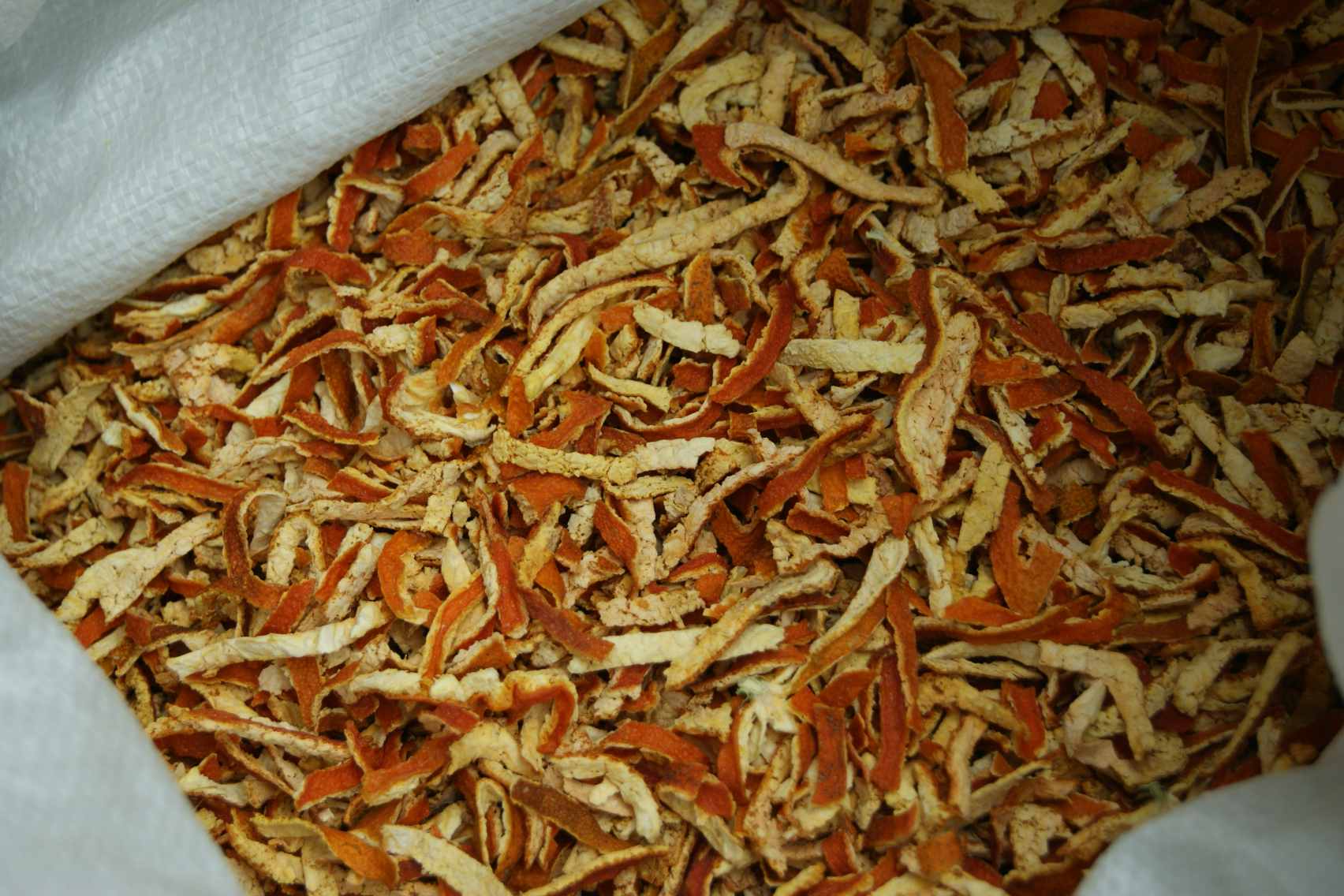
Bozhou Huirui Chinese Medicine Technology Co., Ltd. from China supplier – that specializes in citrus peel such as chenpi as well as other traditional Chinese medicinal materials. It has strong sourcing channels throughout the country and abroad. By years of experiences in selecting materials of high quality and storing with due care, Huirui can supply large quantity of ingredients to its clients who are developing tea, soup as well as health functional drinks, etc. It gains good reputation from its customers for it gives due attention to the origin of the ingredients, to their aging process and to the process of cleaning before they are being processed.
Conclusion
Chenpi is a highly versatile ingredient that can be incorporated into a wide variety of beverages, such as tea, as well as into nourishing soups and other functional foods and beverages. The benefits of Chenpi are very subtle yet it emits a very pleasant aroma. Therefore, it can easily be incorporated into daily life. There is also little need to modify recipes as Chenpi can unleash its full potential with very minimal adjustments to cooking methods.
One can discover some very simple ways of adding more comfort and flavor to your daily routine. Quality of products always plays an important role in how they perform.
FAQs
How much chenpi to use for your daily tea concoction?
Most people start off with about 2-5 grams per cup of tea and then gradually increase as they can feel the effects of the tea more. If you can’t handle much of chenpi’s potency, then just use less for a milder flavor and vice versa. Please seek advice from a practitioner if you intend to consume large quantities of chenpi on a regular basis.
Can chenpi help with digestion after heavy meals?
Yes, many use it in post-meal teas or soups to ease bloating and support comfort. Its traditional role in regulating qi and reducing dampness makes it a common choice for this purpose.
What is the difference between new and aged chenpi?
Younger peels offer brighter notes while aged versions develop deeper fragrance and smoother taste. Many prefer 3-5 year or older pieces for both cooking and brewing.
Are there any precautions with chenpi?
Those with certain heat signs or yin deficiency may use smaller amounts. Always start low and observe how your body responds.
How does chenpi work in functional drink formulas?
It adds natural aroma, supports flavor balance, and contributes traditional digestive properties. Blenders often pair it with other botanicals for appealing, functional profiles.


