



Akebiae Caulis Uses in TCM and Herbal Markets
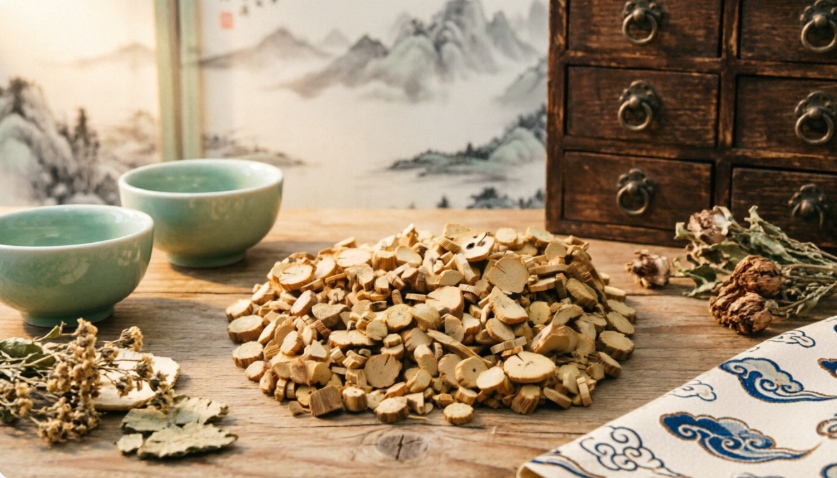
Akebiae Caulis, also known as Mu Tong, is a traditional Chinese herbal material with a long record in herbal practice. In trade and product sourcing, it may also appear under names such as Akebia Stem, Clematis Stem, or Clematis armandii, depending on botanical origin and market labeling. This makes it more than a simple single-herb topic. For consumers, the key question is how this herb has been traditionally used. For buyers, the more practical question is how to source Akebiae Caulis with clear identity, stable quality, and suitable documentation.
Akebiae Caulis is at the crossroads of traditional Chinese medicine knowledge and the herbal material supply in the modern market for herbs. Thus, for the purchase of this material by herbal clinics and ingredient buyers as well as by tea producers, wholesalers and distributors of plant medicines clear information is required to allow for stable business operations. The traditional use of a plant does not in itself give rise to any interest with regard to the material, its quality control is decisive in this respect.
What Is Akebiae Caulis?
Akebiae Caulis is the dried stem material known in Chinese as Mu Tong. It belongs to the wider group of traditional Chinese herbs used in plant medicine supply. In English-language markets, the name may be translated as Akebia Stem or Clematis Stem, depending on the botanical source.
Why Do Its Names Matter?
A critical aspect to consider when purchasing Mu Tong is the name of the herb. In historical usage, as well as on the market today, this herb is known by a variety of names including Akebiae Caulis, Mu Tong herb, Clematis Stem, Akebia Stem, and Clematis armandii. All of these names are generally associated with this single herb; however, it is not wise to assume that all of these names are acceptable when you are placing a procurement order for Mu Tong.
A simple name on a product list is not enough for B2B buyers. The botanical name, the part of the plant used for the product, the origin of the raw material, the specifications of the product and the batch documents for that product must all match the intended market use. The product name can cause confusion during import, quality control, private labeling and long-term planning for supply.
What Should Buyers Check First?
Before purchasing Akebiae Caulis in bulk, the following basic points are to be checked by the buyer.
-
Botanical name and accepted trade name
-
Plant part used
-
Origin and harvest condition
-
Slice shape, dryness, and color
-
Foreign matter and moisture level
-
Packaging method for storage and export
-
Supplier experience with Chinese medicinal materials
In addition to ensuring quality, the details in this document will enable the Buyer to communicate effectively with customers, the warehouse and with the various regulatory consultants that need to be spoken to.
What Are the Traditional Uses of Akebiae Caulis in TCM?
Chinese herbs can be described by their properties, channels and functional patterns. This Akebiae Caulis herb is often described in traditional terms to clear heat, drain dampness and promote the flow of body fluids. These are historical descriptions and not medical claims in the modern sense.
How Is It Traditionally Linked to Clearing Heart Fire?
Akebiae Caulis clears heart fire, a concept found within the traditional framework of TCM theory. It does not treat disease in the modern sense. Akebiae Caulis can be used to clear a variety of different heat signs or symptoms associated with discomfort of the mouth and/or tongue, etc. and traditionally these would be described in the practitioner as heat-related.
Some of the traditional language for describing herbs is very valuable to include in herbal education and in product writing. However, it can create international problems if used uncritically. So long as a product description explains the traditional roots for using an herb, and does not promise treatment or guarantee results, it should be all right.
How Is It Connected with Dampness and Heat?
Akebiae Caulis is also described in Traditional Chinese Medicine as being used to treat a variety of symptoms and diseases related to the damp-heat pattern. The damp-heat pattern is typically described by the Chinese as feelings of heavy or stagnation with associated heat or fever and possibly poor flow of body fluids. Akebiae Caulis is listed as one of the herbs used to treat damp-heat type disorders, especially those which are associated with problems of urination.
The comments in this section should be clear to modern readers. The herb is traditionally used in remedies where there is an idea of fluid movement. It is not a herb for daily use for general wellbeing. In commercial markets where this herb is sold, it is important for suppliers and buyers to have understanding and respect for the tradition behind the herb as well as the safety aspects.
Why Is Lactation Mentioned in Traditional Records?
Akebiae Caulis is also used as a lactation aid. It is mentioned in some discussions of Mu Tong. For modern material on this herb, one needs to exercise caution re: pregnancy, postpartum, and breastfeeding situations. One would need to check with their healthcare provider or a licensed TCM practitioner for appropriate herbal use in these situations.
The discussion of traditional use in educational materials on a company’s web site can also be sensitive from a labeling standpoint on herbal products. Such information should not translate into unsubstantiated claims on product labels and sales pages.
How Does Akebiae Caulis Fit into Modern Herbal Research?
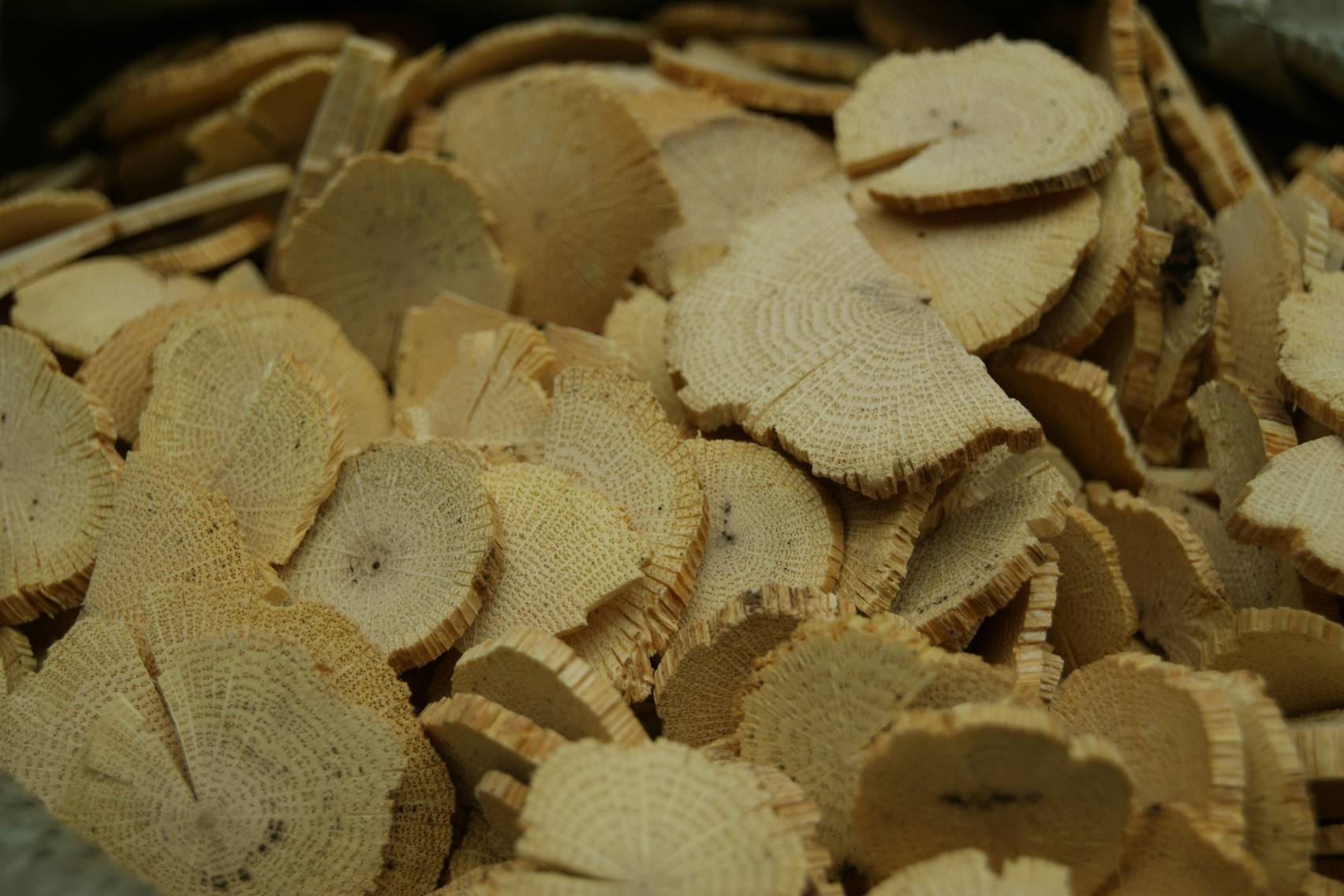
While Akebiae Caulis is being studied by modern science, this new study is not independent of the plant’s past. It is an additional layer of study on a substance with a long history of use. Most current studies on Akebiae Caulis are designed to study its phytochemistry, pharmacology, and safety. Thus, in addition to searching for Akebiae Caulis research, one would also search for information on the safety of Mu Tong or Clematis armandii.
Why Does Research Interest Matter for the Market?
Research interest in traditional herbs can highlight them and give them more visibility. When products are discussed in academic reviews, people interested in the herbs can then check out where they are sold, where they are from and what quality they are. This is especially the case for Akebiae Caulis, a medicinal herb which has been known under different names and from different plant species. This makes botanical clarity important.
As a supplier you have a practical task to handle inquiries. A buyer’s request for a price offer does not automatically mean that he is ready to buy from you. He might ask for pictures, specifications, origin information, packaging details or even batch information. Serious buyers compare several potential suppliers before placing an large order.
Why Does Quality Still Matter More Than General Interest?
There is rapidly increasing demand and poor quality damages trust fast. Akebiae Caulis is traded mostly in the form of dried herbal material and thus it is easy to slice it and it may become too wet too soon. Also, there may be many unsold or unused materials that are mixed with good ones. There are also many instances of misleading labeling. Buyer may receive complaints and experience delayed shipment or returns of entire batch due to the above.
A practical quality review needs to consider both the visible characteristics of a product and the supply-chain aspects.
| Quality Point | What Buyers Usually Look For |
| Botanical identity | Clear name and plant source |
| Slice appearance | Clean, even, recognizable pieces |
| Dryness | Suitable moisture control for storage |
| Purity | Low foreign matter and clean handling |
| Packaging | Protection from moisture and breakage |
| Supplier support | Stable communication and batch records |
Many of the points listed below may seem very obvious but yet they will determine whether or not a buyer places a repeat order.
Why Is Botanical Identification Important for Akebiae Caulis?
Akebiae Caulis is a type of herb. By establishing clear names of materials for trade, Akebiae Caulis has business value already. Other related terms are searched on internet, such as Mu Tong, Akebia Stem, Clematis Stem, Clematidis Armandii Caulis, Chinese herbal medicine etc. If a buyer does not know the name of a material for trade, he or she may compare wrong materials for reference.
What Can Go Wrong with Unclear Naming?
Many English names for botanicals are unclear leading to difficulties in quotes, customs forms, private label entries and even in the company’s buyer education programs. The trading company may have specified Mu Tong, but the supplier may have quoted a price for a different English name material. On the other hand, the distributor’s list of materials under which he distributes Akebiae Caulis, may not include Clematis Stem under which his customers are searching.
It only takes a small error in naming an herb in herbal sourcing to create big communication costs with suppliers. If you are purchasing herbs, good suppliers will confirm with you the English name of an herb, the Chinese name, the botanical name and the product category before you place your order.
What Should Be Confirmed Before Bulk Purchase?
For bulk Akebiae Caulis, buyers should not rely only on a product title. A short checklist can save time:
-
Confirm whether the material is sold as Akebiae Caulis, Mu Tong, Akebia Stem, or Clematis Stem.
-
Ask for origin and specification before discussing final price.
-
Review product photos or sample details when possible.
-
Check packaging style for long-distance shipping.
-
Discuss storage and delivery timing before placing a large order.
Importers, herbal wholesalers and ingredient manufacturers benefit from us remembering repeat orders for them.
What Makes Akebiae Caulis Relevant to the Modern Herbal Market?
Herbal products are no longer just available in the form of capsules or tea infusions. Most of the demand on the market for herbal products is in the form of raw herbs, sliced herbs, extracts and powders. Companies are also looking for customized supplies. Akebiae Caulis is valuable in this context because it links traditional knowledge of Chinese medicine with modern requirements for sourcing herbs.
Where Does Demand Come From?
Demand for Akebiae Caulis could come from several different sources. There could be demand from TCM clinics for the traditional raw materials needed for treating patients. There could be demand from wholesalers for dried Chinese herbs to resell. There could be demand from companies that make herbal products that study traditional ingredients and use them in their formulas. There could be demand from educational platforms that teach knowledge of Chinese herbal medicines and explain the functions of Mu Tong, the processed form of Akebiae Caulis.
We need to understand the buying habits of the different channels. A small to medium sized clinic would most likely judge the quality of a supplier based on the sourcing of the herbs, and the appearance of the finished products. A wholesaler on the other hand would be looking at the price of the products, the packaging and the delivery time. A brand owner would require a much more detailed supplier profile, including the processing ability of the supplier and their quality control measures.
How Do B2B Buyers Judge a Supplier?
B2B buyers are very practical when judging Chinese herbs suppliers. They do not pay too much attention to marketing claims. Instead, they focus on key details of offers. Some typical questions that B2B buyers ask are:
| Buyer Question | Why It Matters |
| Can the supplier provide stable batches? | Repeat orders need consistency |
| Are the herbs clean and well sorted? | Poor sorting raises complaint risk |
| Is packaging suitable for export? | Moisture and damage affect resale |
| Can OEM/ODM work be discussed? | Brands may need custom solutions |
| Is the team familiar with herb trade? | Communication affects order speed |
For Akebiae Caulis, questions like these are more helpful for selecting suppliers than just comparing prices.
How Should Akebiae Caulis Be Stored and Handled?
Dried Chinese herbs can spoil if not stored properly. Akebiae Caulis, for example, can become less effective if it gets exposed to moisture, strong smell, pests or if it is roughly handled. Storage costs form part of the total purchase price for buyers.
What Storage Conditions Are Practical?
Keep Akebiae Caulis in a dry, clean, well-ventilated environment away from direct sunlight. Packaged material should be protected from moisture during transportation and storage in the warehouse. For long distance export orders, discuss with seller carton strength, inner bags, and pallets as required.
Similarly, warehouse personnel need to keep pungariously-smelling items far away from dried herbs. Resale value can easily be lowered if a material gets a strong odor on it, especially for a buyer that is servicing out a clinic, a retail herb store, or tea outlet.
Why Does Packaging Affect Business Results?
Packaging can serve more purposes than just making things look nicer. Good packaging can prevent breakage, prevent dryness, and make delivery much easier. Clearly written labels can also facilitate stock picking in a warehouse. For a wholesaler that offers a large number of Chinese medicinal materials, clear labels can help prevent picking errors and thus save time for faster delivery.
Good packaging is of special importance for resale of Akebiae Caulis under a private label or for distribution in multiple shops.
How Can Consumers and Buyers Use Akebiae Caulis Information Responsibly?
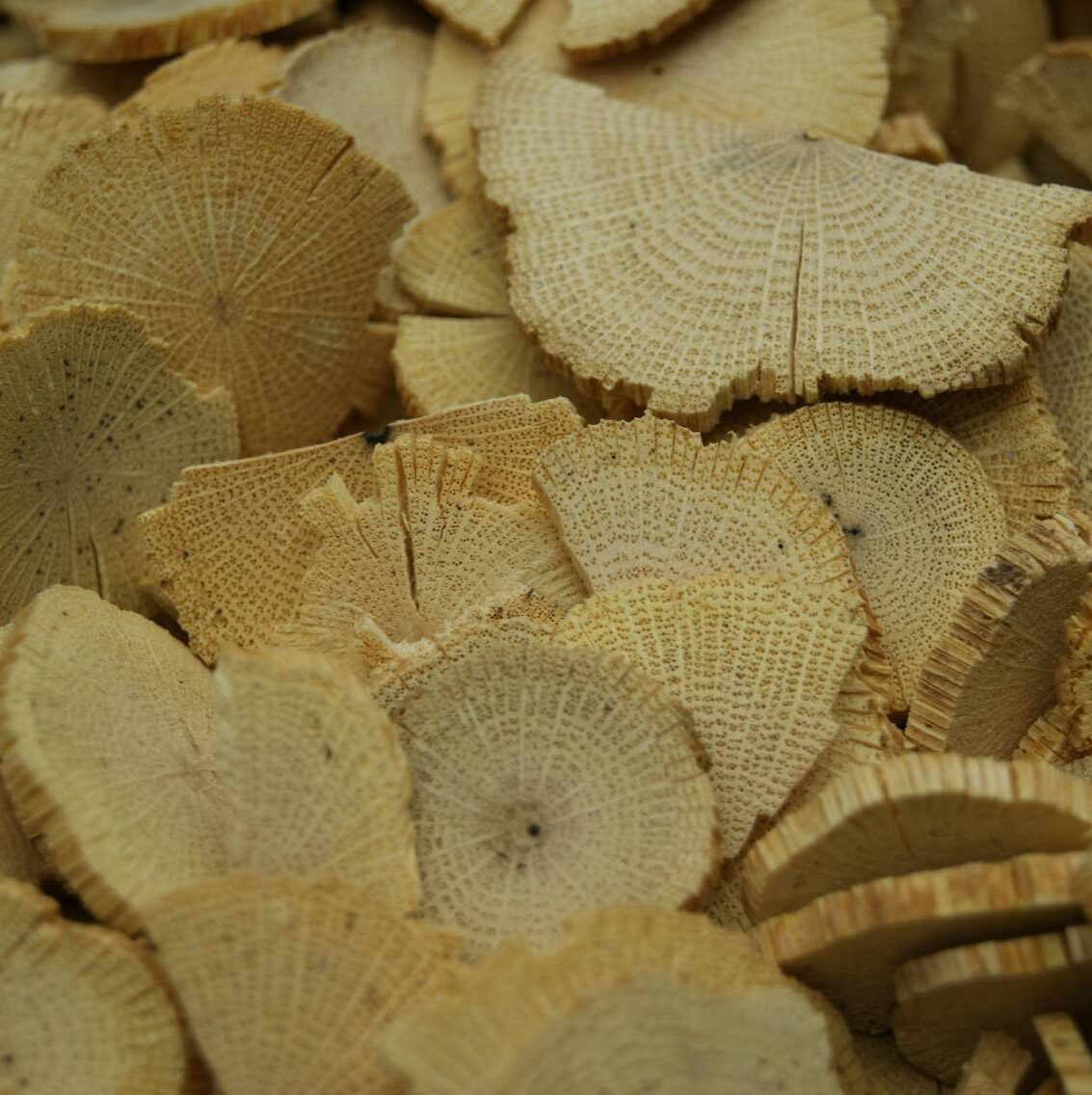
Akebiae Caulis is a long used herb. Responsible use of herbs is important, and this herb should not be used as if it were regular food and be consumed without proper context. Therefore, it is important for both consumers and business users to use correct language and to seek proper information.
What Should Consumers Keep in Mind?
Consumers should avoid self-prescribing Akebiae Caulis for health problems. Traditional uses belong to the TCM system, where herbs are often selected according to a pattern, formula, dosage, and personal condition. People who are pregnant, breastfeeding, taking medicine, or managing chronic health issues should seek professional advice before using any Chinese herbal medicine.
Taking time to provide proper information on the herb even if it is not fully developed, has value and is useful and safe in its current form.
What Should Brands Keep in Mind?
We suggest that brands keep their claims very simple and honest. Educational content on a site is fine to go into the traditional uses of Akebiae Caulis, the history of Mu Tong, the quality of a product, where it was sourced, etc. But on the product page for the actual item itself, it should only say what it can possibly be used for and NOT claim to treat any diseases, especially if the site is targeting international buyers.
It is also important to create good content about herbs to establish trust. This content should contain information about the used herb, the traditional views and what customers should pay attention to when buying.
Why Work with a Professional Akebiae Caulis Supplier?
A professional supplier can greatly reduce sourcing uncertainty. In the case of Akebiae Caulis, we have identified three specific areas of value that the supplier support can bring. The supplier can confirm the identity of the material, review the quality of the material, and then handle the order.
What Supplier Support Helps Buyers Most?
Potential queries that buyers may require to be provided prior to placing an order, including high quality images of products and detailed specifications. Also origin of products, types of packaging and communication in regards to shipping. For any OEM/ODM requirement, there may also be queries in relation to the processing of order and stage of inspection, packing and delivery.
Dealing with someone who has background knowledge of Chinese medicinal materials will enable the supplier to answer your questions more expediently, thus bringing down the volume of back-and-forth correspondence. This is of particular concern to Chinese medicinal materials importers, distributors of herbs, private label sellers of herbs and of plant medicines in general and buyers in general who are expanding their plant medicines catalog.
About Bozhou Huirui Chinese Medicine Technology Co., Ltd.
Bozhou Huirui Chinese Medicine Technology Co., Ltd. is a Chinese Medicine Materials supplier in Bozhou, Anhui Province, China’s largest trading center of Chinese medicinal materials. We specialize in producing kinds of traditional Chinese medicines, Chinese medicinal plants, Chinese herbal products, Chinese scented tea materials, Chinese rare herbs and Chinese superfine powders, with more than 2,000 kinds of goods for wholesale and retail.
For Akebiae Caulis and other Chinese herbs from traditional market Huirui offers products, sourcing experience, production processing, inspection, packaging and export service. As a manufacturer with OEM/ODM service, we handle communication with market, quotation, placing order, producing, checking and packaging etc. until goods arrive at buyer’s place. We pay special attention to selecting raw materials, producing in clean environment, quality checking and sustainable management of Chinese medicinal materials.
Akebiae Caulis suppliers in China typically offer a service that can help with small orders of a product to test, and then supply in large quantities for wholesale. This service would be suitable for herbal distributors, companies that produce TCM products, suppliers of herbal ingredients, and other businesses that require a Chinese medicinal materials supplier.
Conclusion
Akebiae Caulis is still collected today, for both Chinese medicine and the modern market. Most uses of this plant are recorded in traditional Chinese medicine, and explained in terms of clearing heart fire, draining of damp-heat and of body fluids, and for promotion of lactation. However, for the modern market, simple records of traditional collection of a plant are not sufficient.
Akebiae Caulis can serve as both an educational herbal for traditional herbal practices and as a marketable product for consumers when properly informed and distributed through appropriate channels. For buyers, key considerations include botanical identity, product quality, storage, packaging, communication with supplier, and batch stability. For consumers, the key consideration is safe use under proper guidance.
FAQs
What is Akebiae Caulis used for in traditional Chinese medicine?
Akebiae Caulis is used in TCM to clear heart fire, to drain damp-heat, to support urination and to increase milk production. These indications are part of the traditional theory and not medical treatment claims. Use under guidance of a qualified practitioner, especially for sensitive indications.
Is Akebiae Caulis the same as Mu Tong?
Akebiae Caulis is known as Mu Tong in Chinese. In trade, it is also referred to as Akebia Stem, Clematis Stem and Clematis armandii. Note that this item is sometimes sold under different names in trade, therefore it is best to confirm the botanical name and the product specifications before making a purchase.
Where can buyers source Akebiae Caulis from China?
Akebiae Caulis can be purchased from professional Chinese medicinal materials suppliers. These suppliers specialize in plant medicines, quality control, packaging for export and other services. Bozhou Huirui Chinese Medicine Technology Co., Ltd. supplies Akebiae Caulis and other traditional Chinese herbs for wholesale and business buyers.


