



Modern Applications of Red Vine for Gut Health
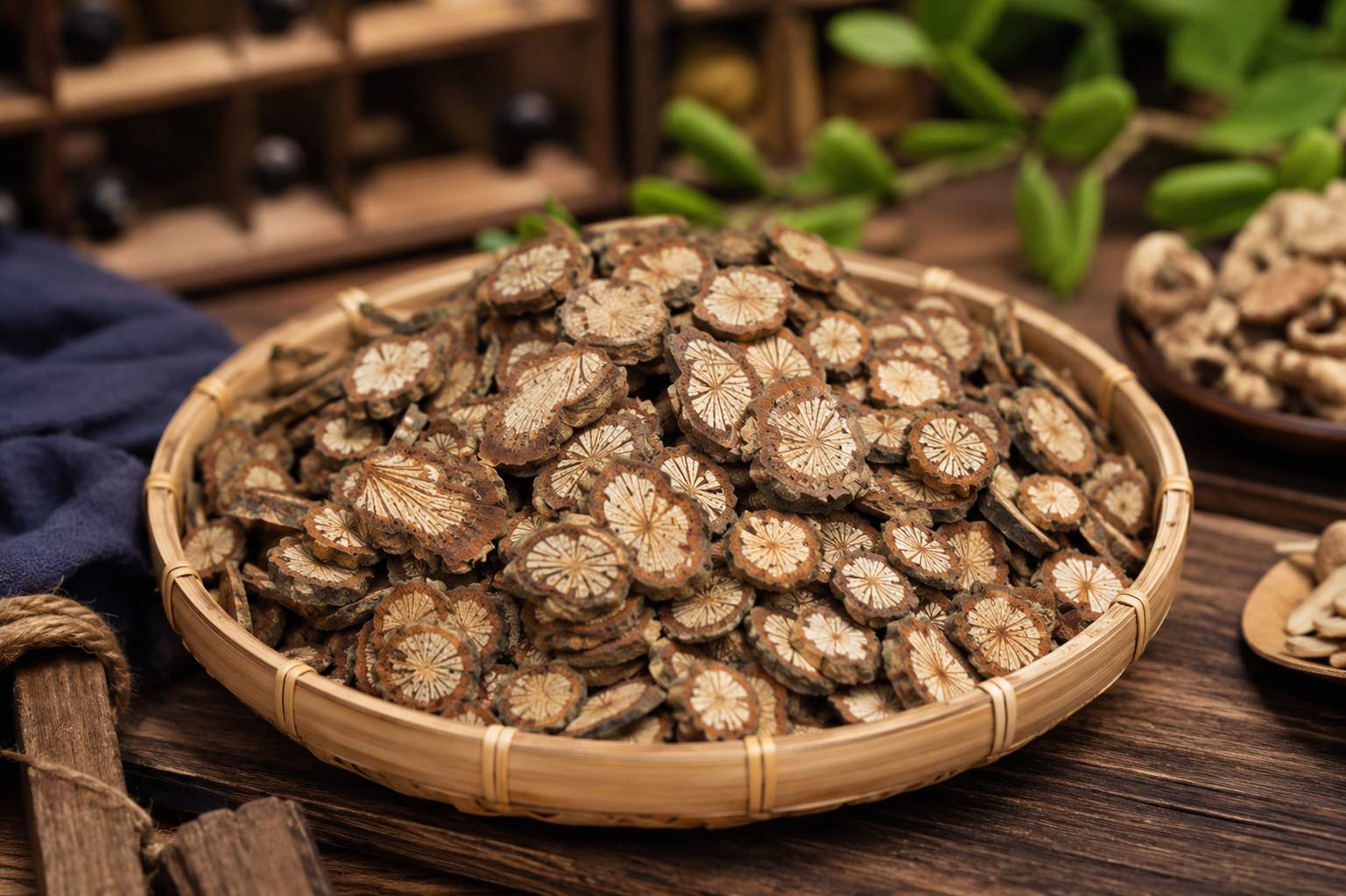
The gut is a very sensitive part of the human body and affects millions of people around the world. Some of the issues with the gut are only temporary but can cause discomfort for others who suffer from chronic conditions like ulcerative colitis. Those who are searching for natural relief to their digestive problems often are looking for solutions that address the root of the problem as opposed to masking the symptoms with medication. For centuries, natural remedies have been used by many cultures to alleviate digestive issues, including one ingredient commonly used in traditional Chinese medicine. The ingredient that has been gaining attention lately for digestive relief is Red Vine or Hongteng in Chinese, scientifically known as Sargentodoxa cuneata or Daixueteng. It is commonly sold dried as a stem in the form of whole pieces. Red Vine has been known to reduce inflammation in the digestive tract and alleviate symptoms of intestinal upset.
Used for centuries to clear heat and promote blood circulation, Chinese ginger is traditionally used to treat intestinal abscesses as well as the resulting pain. Today scientists are becoming increasingly interested in the herb and are conducting studies which explore how the herb’s compounds interact with the lining of the gut as well as with the gut’s microbiome. This article provides a historical overview of Chinese ginger and then goes on to explain recent scientific studies and provides practical ways that the herb can be used on a daily basis.
Understanding Red Vine: Its Botanical Background and Traditional Role
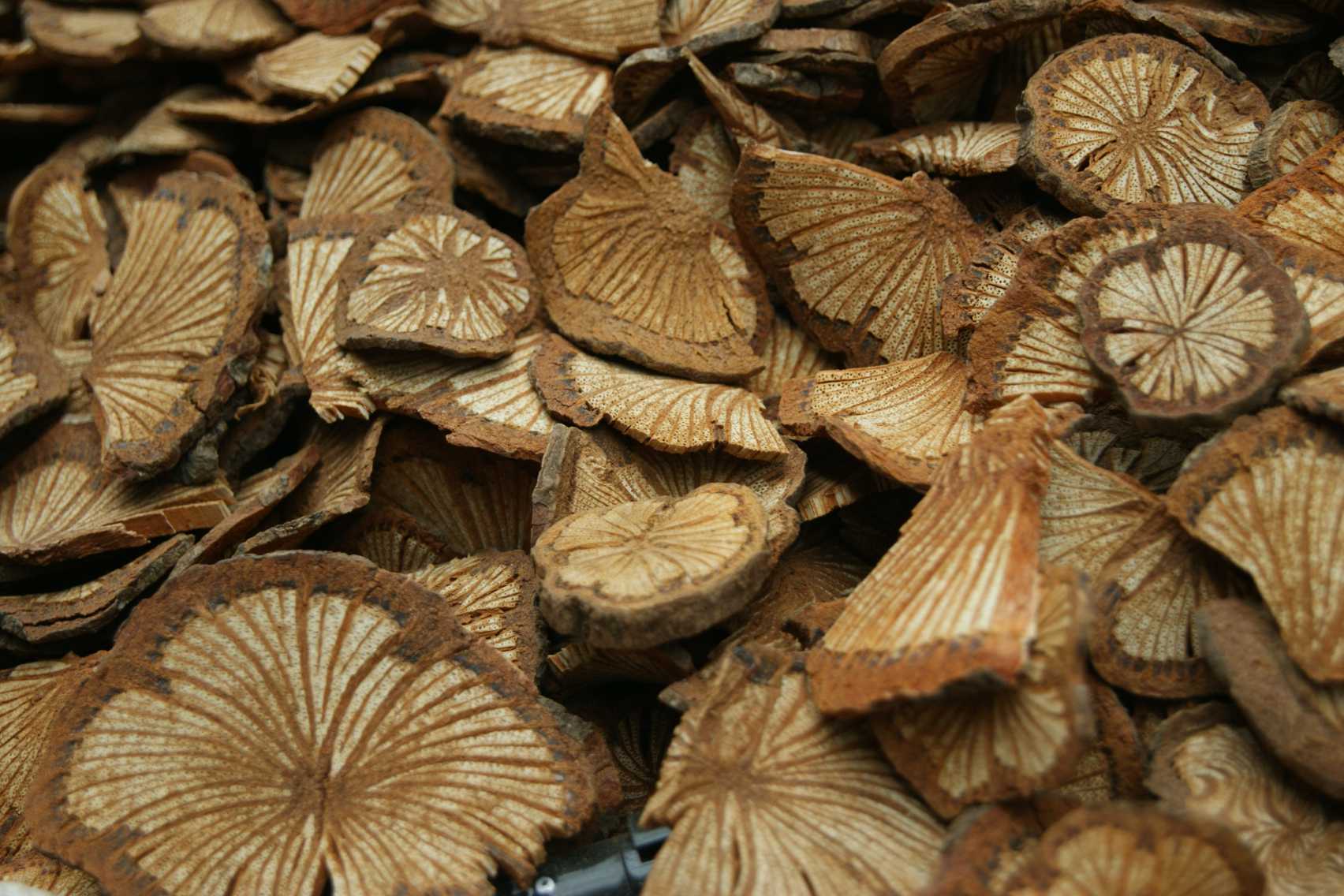
Red Vine is sourced from the Sargentodoxaceae family of plants. Stem material is a brownish-red color with a rough surface texture. Crosscut sections of Stem material form a wheel shape comprised of woody tissue in the center of the section surrounded by reddish-brown bark. The presence of this characteristic is an important factor in determining quality of sourcing material.
Dianjiang is classified as bitter and neutral in nature. It enters the large intestine and liver channels. Dianjiang clears heat, removes toxins, relieves pain by promoting circulation. According to traditional methods, Dianjiang was described in the Bencao Tujing of the Song Dynasty. This herb is said to treat abdominal pain, intestinal abscesses, swelling and stagnation type diseases.
With symptoms such as loose stools, cramping and a feeling of internal heat many are turning to this herb. It works by supporting the bodies natural ability to reduce excessive inflammation in the digestive tract and is now being used in modern gut care.
Scientific Insights into Red Vine and Gut Inflammation
Recent studies have identified the effects of Red Vine extracts on gut health markers. A 2024 study, published in Frontiers in Microbiology, tested the effects of aqueous extracts of Red Vine in mice with dextran sulfate sodium-induced colitis, a model of human ulcerative colitis. The study found that treatment with Red Vine extract improved the disease activity scores, protected against tissue loss and helped to maintain colon length. Intestinal and liver tissues were also protected against damage.
Researchers found changes in gut microbes and their production of certain metabolites. In particular, there was an increase in the beneficial production of short-chain fatty acids, and a decrease in the production of pro-inflammatory compounds. Another study found that the total flavonoids from the herb studied here had similar effects, including correcting dysbiosis, aiding in weight loss, and reducing colon shortening.
Schisandra contains a number of bioactive compounds including flavonoids, polyphenols, and lignans. These compounds appear to prevent the activation of cell death pathways, such as necroptosis, that can cause increased intestinal permeability. The herb has also been shown to decrease activation of the NF-κB and NLRP3 pathways which can cause an overactive immune response in the gut leading to chronic gastrointestinal diseases.
While Red Vine has a variety of functions and can be used for a number of purposes, for a number of conventional indications it is used in a supportive rather than a replacement role, adding to other treatments to repair the skin’s barrier and to encourage a more balanced mix of microorganisms on the skin. There is currently very little human-based information about the use of Red Vine for any indication but based on results from animals and on long history of use in Asia for a variety of indications, there appears to be scope for further investigation.
Common Gut Markers Improved in Studies
| Marker | Observed Change with Red Vine Extract | Potential Benefit |
|---|---|---|
| Disease Activity Index | Lower scores | Reduced discomfort and diarrhea |
| Colon Length | Better preservation | Less tissue shrinkage |
| Gut Microbiota | Increased beneficial bacteria and SCFAs | Improved digestion and immunity |
| Inflammatory Pathways | Reduced NF-κB and necroptosis activity | Calmer immune response |
These results reveal several ways that this herb can support gut healing as well as why it is a good herb to pair with other heat-clearing herbs in formulas.
Everyday Uses and Practical Applications
The simple tea is made by simmering 10-15g of dried slices in water over 20-30 minutes. It is also often combined with other herbs, such as Patrinia or Pulsatilla, to increase the effect on intestinal heat of Red Vine. People use Red Vine in various forms for their daily gut care.
Those with occasional after meal discomfort or occasional flare-ups of discomfort due to stress can receive a mild detoxification effect from their daily cup of Green Tea. Chronic stomach problems are typically addressed by other means including dietary modification by avoiding spicy foods and increasing fiber from cooked, not raw, vegetables. Your health care practitioner may recommend Green Tea as part of a comprehensive program for addressing chronic stomach problems.
Red Vine is found in capsules and in powder form as gut health support for strengthening the gut barrier. It is often used by people who do not want to make decoctions as they can be tricky to get right. In bulk Red Vine is supplied as dried sliced stems or as a concentrated extract, which can be added to other products as required.
Start with small amount and monitor. Typical 7-14 days of active discomfort then maintenance amount. Those with Cold Constitutions or Pregnant, recommend to consult qualified practitioners first.
-
Drink as tea after heavy meals to ease bloating.
-
Pair with light exercise and adequate sleep for better results.
-
Track symptoms in a journal to spot patterns over weeks.
All this experience translates into everyday routines and habits, making traditional knowledge practical.
Choosing Quality Red Vine for Reliable Results
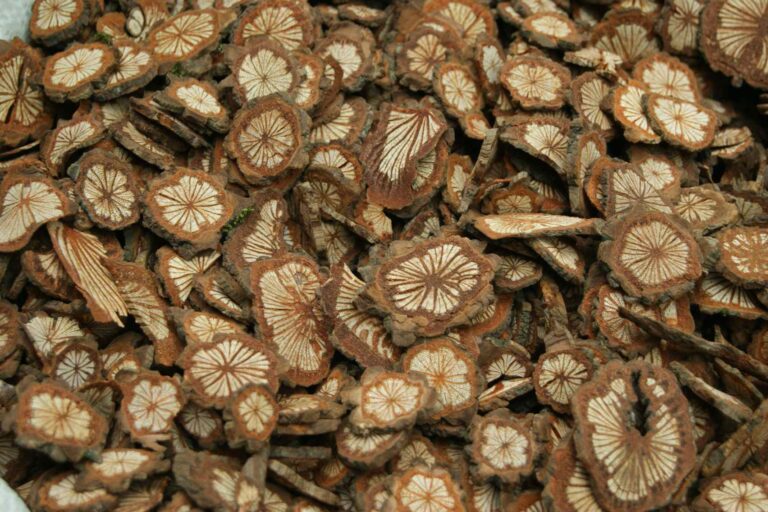
The best material comes from careful sourcing in regions known for herbal production. Look for stems with clear wheel-shaped cross-sections and natural color. Proper drying and processing without added sulfur preserve active compounds and safety.
Our preferred suppliers who specialise in traceability maintain the highest quality standards from field to packaging. This is suitable for individual use as well as for companies developing products for gut health. We supply whole slices of fresh material for use as tea as well as fine extracts for use in dietary supplements.
Company Profile: Bozhou Huirui Chinese Medicine Technology Co., Ltd.
Bozhou Huirui Chinese Medicine Technology Co., Ltd is specialized manufacturer and supplier who is mainly supplying traditional Chinese medicines including Red Vine. As professional company in processing Chinese herbal materials, our company is situated in Bozhou city of Anhui province which is the original place for Chinese medicine’s herbarium in thousands of years. Since the company started with Cassia seeds from 2007, Huirui Chinese Medicine has been experienced in processing Chinese herbal materials with many years. Now as the leading enterprise of herbarium Chinese medicines in China, Huirui Chinese Medicine is also famous abroad and as a whole herbarium materials supplier for many of the foreign companies or agents.
The team focuses on clean processing, reliable testing and flexibility in serving clients such as supplement manufacturers and distributors who need a consistent supply of herbs like Red Vine for use in formulas for the gut. Their experience in providing products for small wellness needs as well as for large commercial ventures enables them to meet a variety of needs.
Conclusion
Red Vine, a plant used in many traditional cultures for centuries, is also the subject of emerging research that links the plant to gut health. Red Vine has anti-inflammatory properties, supports the microbiome, and stimulates blood flow and circulation – all properties that are highly beneficial for people suffering with a variety of digestive disorders. While more clinical trials would be helpful to confirm the evidence, there is considerable existing evidence, as well as anecdotal evidence that supports the Red Vine as a highly useful supplement.
If you’re looking for natural gut solutions then it’s best to source from a supplier that has plenty of experience in supplying gut solutions and puts quality first at every stage.
FAQs
What makes Red Vine useful for gut health?
Red Vine is used to clear internal heat and promote blood in the intestines which has historically given relief to the gut. Newer studies have confirmed Red Vine can protect the lining of the gut and create a balance of gut bacteria in colitis models.
Can Red Vine help with ulcerative colitis symptoms?
Research on the extracts of Red Vine indicates positive effects on the colon and decrease of inflammation markers in animal experiments. It is best used as an additive to the treatment under the direction of a physician.
How do people typically consume Red Vine for digestive support?
Common methods include brewing tea from dried slices or using extracts in capsules. Starting with moderate amounts allows the body to adjust gradually.
Is Red Vine Safe for Daily Use?
Is Red Vine safe for daily consumption? In most cases, yes. As with any supplement, as long as you follow the instructions for use, most people can use Red Vine with no problems. However, those with certain health issues or who are on certain medications should consult with a health care provider before taking it.
Where to buy Red Vine of high quality?
We recommend to purchase from reliable suppliers who sell Red Vine that is traceable and processed properly. Depending on the application for which you want to use Red Vine, whether for private purposes or commercially, such Red Vine ensures a better quality and safety.


