



How to Identify High Quality Dried Jade Bamboo Slices
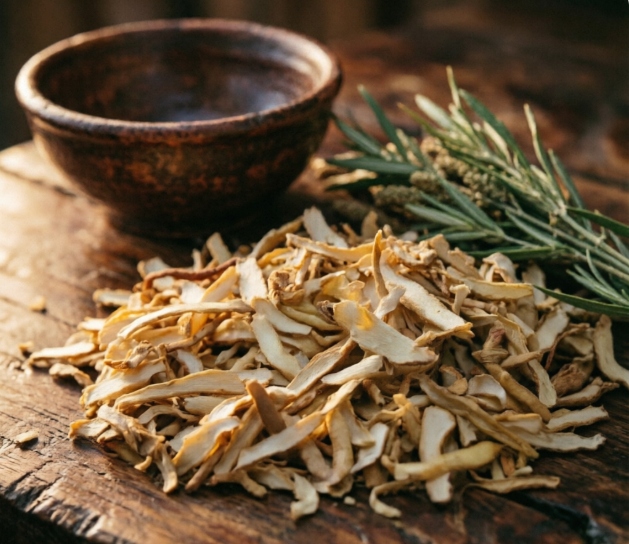
Dried Jade Bamboo slices are widely used in traditional Chinese medicine, herbal tea, soup packs, wellness food formulas, and bulk herb distribution. Known as Yu Zhu herb in Chinese herbal practice, Jade Bamboo comes from the dried rhizome of Polygonatum odoratum. In traditional use, it is valued for nourishing yin and moistening dryness, which is why many buyers look for clean, well-cut, naturally colored slices for tea, soup, and herbal product applications.
For importers, herbal retailers, food manufacturers, and consumers of daily wellness products, appearance is only the beginning of quality criteria for good dried Jade Bamboo slices. They must have the right color, ideal thickness, pleasant aroma, dryness, texture and processing method. What looks great in pictures, doesn’t necessarily have to be of great quality. It can still have too much moisture, be sulfured, have been stored badly, consist of too many broken slices or the supplier may not have the desired traceability.
How to choose good quality Jade Bamboo before you buy it. This guide helps you identify quality Jade Bamboo. Especially useful when buying dried Polygonatum odoratum slices wholesale or comparing bulk Jade Bamboo from various suppliers.
What Are Dried Jade Bamboo Slices?
Dried Jade Bamboo slices are processed from rhizome of Polygonatum odoratum. Harvested Polygonatum odoratum rhizome is first washed and dried, then cut into pieces or even into slices and dried to be used as international herbs. The same material is sold in international herb market under various names of Jade Bamboo, Yu Zhu herb, Polygonatum odoratum, Rhizoma Polygonati Odorati, or even Solomon’s Seal Rhizome.
In B2B trade the names are important. When making a product inquiry just using the trade name “Jade Bamboo” might lead to confusion if the botanical name is not checked. The clear product specification should state the plant name, used part, origin, form, grade and processing. Huirui’s product “Jade Bamboo” contains the botanical name Polygonatum odoratum, origin China, specification A and the used and dried medicinal part is the rhizome.
Common Names Used in the Market
|
Market Term |
Meaning or Use |
|
Jade Bamboo |
Common English product name |
|
Yu Zhu herb |
Chinese herbal name used by TCM buyers |
|
Polygonatum odoratum |
Botanical name |
|
Dried Jade Bamboo slices |
Common processed form |
|
Solomon’s Seal Rhizome |
Related international market name |
Using these terms naturally in your product pages, catalogues and purchase orders will help avoid errors in the sourcing process.
Why Does Jade Bamboo Quality Matter?
Jade Bamboo quality can impact how your product looks, tastes and how it will store as well as how buyers will perceive it. A quality herbal tea brand may require bright, clean and uniform slices of Jade Bamboo that can be put into clear packaging for retail sales. A supplier of soup packs may require Jade Bamboo of stable weight, low breakage and good aroma. A Chinese medicinal herbs distributor may require Jade Bamboo of consistent grade with full batch records and export ready documents.
Below are some potential issues related to Jade Bamboo of poor quality. Slices stored that are too wet may develop mold & create more problems as they are stored. Very dark slices, hollow slices, and brittle slices may not look their best in retail packs. Very white processed slices can lead to people questioning how they were processed. A batch comprised of very mixed sizes and lots of powder can be difficult to price, and to attempt to sell.
What Do Different Buyers Usually Check?
|
Buyer Type |
Main Quality Concern |
|
Herbal tea brands |
Clean color, mild aroma, neat slices |
|
Soup pack suppliers |
Thickness, dryness, low impurities |
|
TCM retailers |
Botanical identity, grade, appearance |
|
Importers |
Documents, packaging, supplier stability |
|
Wellness food brands |
Clean label, batch consistency, safety tests |
There are several factors to consider when evaluating dried Jade Bamboo slices and the best dried slices are not necessarily the best because of one particular characteristic. As with any batch of dried bamboo slices, there are several criteria that are typically considered to evaluate the goodness of a batch.
Check the Color of Dried Jade Bamboo Slices
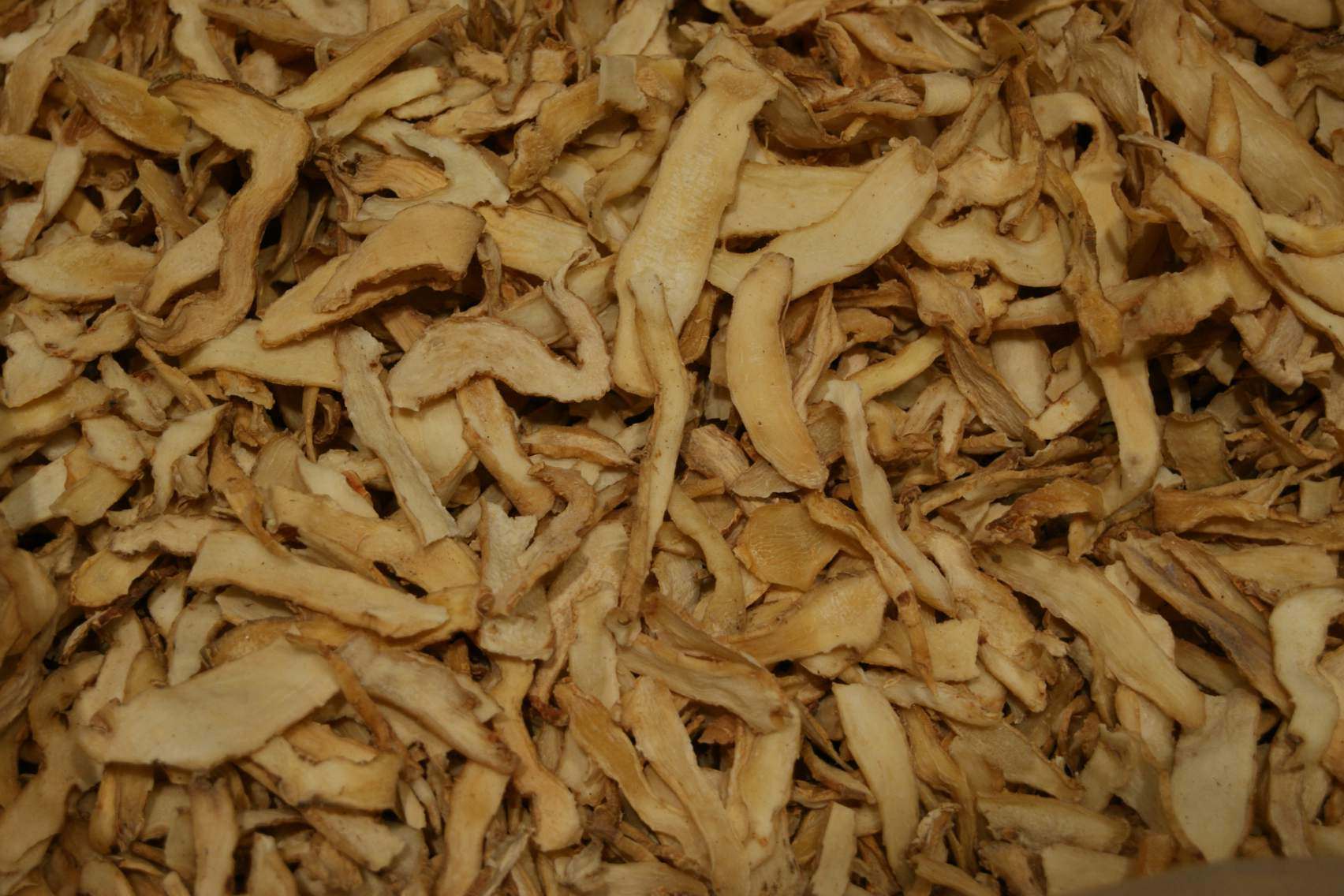
Initial inspection of items by buyers often begins with color. High quality dried slices of Jade Bamboo are typically found to be yellow-white, pale golden in color and even light honey. Many also have a slight translucent appearance and pass the test of high quality in traditional inspection processes. Good quality Yu Zhu is typically long in length and thick in width, very fleshy in appearance. It is typically yellowish-white to pale golden in color and has a slightly lustrous appearance.
What Color Should Good Jade Bamboo Have?
Good Jade Bamboo has a natural, non-artificial look and feel. While the dried rhizome material has been processed, the items are still plant materials. Therefore color will not be perfectly even throughout. There will be some variation from inner section of rhizome to the outer sections. There can be visible natural fiber lines in the material and it will have a soft shine.
A simple rule of thumb for buyers to check natural yellow-white colored stock against bright white appearing stock. Stock that appears too white, too clean and has been bleached in appearance is best to be checked more closely for quality.
Which Colors May Signal Poor Quality?
Avoid batches with these signs:
- Dark brown or black edges
- Gray, dull, or dusty surface
- Greenish mold marks
- Unnatural bright white color
- Uneven patches caused by damp storage
- Sticky areas or visible water stains
Color alone is not enough to determine quality but it can help to decide if a sample is to be put through to the next inspection step.
Look at Slice Shape, Thickness and Texture
High quality Dried Jade Bamboo slices have clean cut ends, natural rhizome shape and firm but not stone hard texture. Most buyers prefer the slices of moderate thickness as they hold their shape well during packing and storing. Thin slices are prone to breaking. Thick slices may not dry evenly if not processed properly.
Why Are Uniform Slices Better?
Uniform cut of the same size Jade Bamboo slices make for very easy use in commercial applications. A retail packet of sliced herbs with even sized slices looks nicer on a retailer’s shelf. Even sized tea leaves make for better measuring in tea blends. Uniform size of cut herbs also makes for nicer looking and easier use in soup packs with fewer broken slices.
Uniformity in the quality of produce sold to wholesale buyers also means that our team can more easily evaluate produce for quality and thus assign an appropriate price when they open up a bag of mixed produce items. This would be very difficult to do if all of the items in the bag were of vastly different form such as large slices, small chips, a powdery item, and very hard ends as different customers may complain about various aspects of the mixed bag.
What Texture Should Be Expected?
High quality slices of dried Polygonatum odoratum are firm and dry. They are not crumbling like a piece of old bark, and they should not be soft, sticky or wet. When slightly moistened good Yu Zhu becomes pliable. A few of the higher quality pieces have a waxy or even semi-transparent cross-section. This can make them look very attractive, and is most likely due to correct processing.
Smell and Taste Can Reveal Freshness
Evaluating the freshness of products by their appearance in photos is not as efficient as smelling them and judging their quality. Our freshly arrived stock of high quality Jade Bamboo has a very delicate aroma of herbs which is mild and clean. Its scent is gentle and should not have any sharp, smoky, sour, musty or even chemical-like notes.
The taste of Yu Zhu is described in traditional quality assessments with notes of slight sweetness and stickiness, when it is chewed. Note that this does not imply that every buyer of commercial quality Yu Zhu needs to taste it for himself or herself. The characteristics of aroma and mouthfeel are part of quality assessment.
Warning Signs in Aroma
One would need to more closely inspect a batch that smells like:
- Damp storage room
- Mold or mildew
- Smoke
- Sour fermentation
- Chemical treatment
- Old cardboard or dirty packaging
Odor problems can be very costly to importers. Once an odor contaminated shipment arrives at destination, it is typically not cost effective to repack it.
Moisture Level and Storage Condition Are Key Signals
An important factor in dried Chinese herbs is moisture. We store and ship Dried Jade Bamboo slices in a dried state. If the slices are damp, sticky, clumped together or too heavy for their size it means there is too much moisture in that batch.
High moisture can cause products to develop mold and insects, create unpleasant odors and reduce a product’s shelf life. This is a more significant concern for products that travel by sea, are stored for extended periods of time and are marketed in tropical climates where there is high humidity.
Signs of Poor Storage
Before you purchase Bulk Jade Bamboo verify whether the samples / packaging displays:
- Condensation inside the bag
- Pieces stuck together
- Powder clumps
- Mold spots
- Insect damage
- Sour or musty smell
- Soft or sticky surface
Better Storage Practice
Dried Jade Bamboo should be stored in a cool dry well ventilated area away from direct sunlight and strong smells. Sealed moisture-resistant packaging is suitable for retail packs but for bulk bags or cartons of Dried Jade Bamboo stored in warehouse space, controlling the humidity of the warehouse is more important than most buyers realize.
Processing Method and Clean Label Concerns
Img.Jade Bamboo Slices.webp
Clean processing is increasingly becoming a differentiator in the market for herbal ingredients, with customers for herbal tea, soup packs, functional foods and wellness products asking about processing of sulfur-free Jade Bamboo, testing for pesticide residues, heavy metals and microbial limits.
This processing method has been discussed frequently in the dried herb trade as some processed herbs are whitened with sulfur in order to make them look more brighter. Modern buyers prefer natural looking herbs and also processing information that have been tested.
What Should Buyers Ask Before Ordering?
For dried Jade Bamboo slices wholesale buyers can ask suppliers for following things!
- Botanical name and part used
- Origin and harvest information
- Product grade and cut size
- Moisture condition
- Processing method
- Packaging style
- Pesticide residue test
- Heavy metal test
- Microbial test
- Sample photos from the current batch
Not all orders need the same amount of documentation; however, B2B buyers should not rely solely on product photos for reference.
How to Check Jade Bamboo Supplier Documents?
Your reliable Jade Bamboo supplier is able to provide the basic information to you clearly, good communication is key to a good supply chain management. As importer/distributor sourcing from China, you would most likely ask for product specifications, sample confirmation, packaging information as well as export support before you place an bigger order.
Documents That Matter for Bulk Buyers
For purchasing in bulk Jade Bamboo the following documents and information are relevant.
- Product specification sheet
- Batch number
- Origin information
- Packing list
- Invoice details
- Test reports when required
- Photos or videos of the actual batch
- Shelf life and storage notes
Batch records allow buyers to compare from batch to batch and therefore reduce risk. The records are useful when selling to herbal shops, food ingredient buyers and private label buyers.
Bozhou Huirui as a Jade Bamboo Supplier
Bozhou Huirui Chinese Medicine Technology Co., Ltd. is a Chinese medicine company located in Bozhou, the Chinese herbal medicines trading hub of Anhui province. The company is specialized in traditional Chinese medicines, plant medicines, animal medicines, mineral medicines, freeze-dried fruits, etc, and related Chinese herbal supplies service. Their products are sold in the Chinese mainland and exported to South East Asia, Africa, the Middle East and other countries and regions.
We supply Chinese medicinal herbs such as Jade Bamboo from China. In addition to the service of providing the product, Huirui also offers ODM/OEM service, solutions, case studies and ways for direct inquiry for buyers interested in sourcing samples, purchasing in bulk or in seeking herbal ingredients. Buyers who are making herbal tea, soup packs or wellness ingredients can take note of these points.
Conclusion
High quality dried Jade Bamboo slices can be identified through practical checks: natural yellow-white color, semi-translucent texture, clean aroma, firm dryness, uniform slice shape, low impurity level, and reliable supplier documents. For B2B buyers, visual inspection should be paired with sample confirmation, packaging review, and testing requirements such as pesticide residue and heavy metal checks when needed.
Jade Bamboo is more than a single dried herb. It can serve herbal tea brands, soup pack makers, TCM retailers, wellness food developers, importers, and wholesalers. A stable Jade Bamboo supplier helps reduce batch variation and supports smoother product development. For buyers sourcing dried Polygonatum odoratum slices wholesale, the best decision comes from checking both the herb and the supply chain behind it.
FAQs
What does good Jade Bamboo look like?
Good quality Jade Bamboo is normally yellow-white in color and pale golden or has other natural colorations. The surface is clean, odor mild, firm and dry, cut as evenly thick slices as possible. Naturally Jade Bamboo may have mold, appear very white, have grayness, stick to teeth or be heavily broken.
Is Jade Bamboo the same as Yu Zhu?
Jade Bamboo is known as Yu Zhu in Chinese herbalism. It is known botanically as Polygonatum odoratum. The dried rhizome of this plant is used in herbalism.
Can dried Jade Bamboo slices be used for tea?
Dried Jade Bamboo slices can be used in herbal tea, in soup packs, and in traditional formulas for wellness. For commercial products it is necessary to check the final use regarding local food, herbal or supplement regulations.
What should bulk buyers check before ordering Jade Bamboo?
When purchasing in bulk, as a buyer, you should check the botanical name, origin, grade, cut size, color, aroma, moisture content, packaging, sample quality and test reports. The reliable Jade Bamboo supplier will provide you with necessary information on his products before placing the wholesale order.
Why do some Jade Bamboo slices look very white?
Even very white slices can come from completely different processing/treatment. Many of the buyers who are looking for clean label herbs in the market are asking for no sulfur added Jade Bamboo as well as for related test reports prior to placing an order.


