



What Is Platycodon Root? Uses, Benefits, and Buying Tips
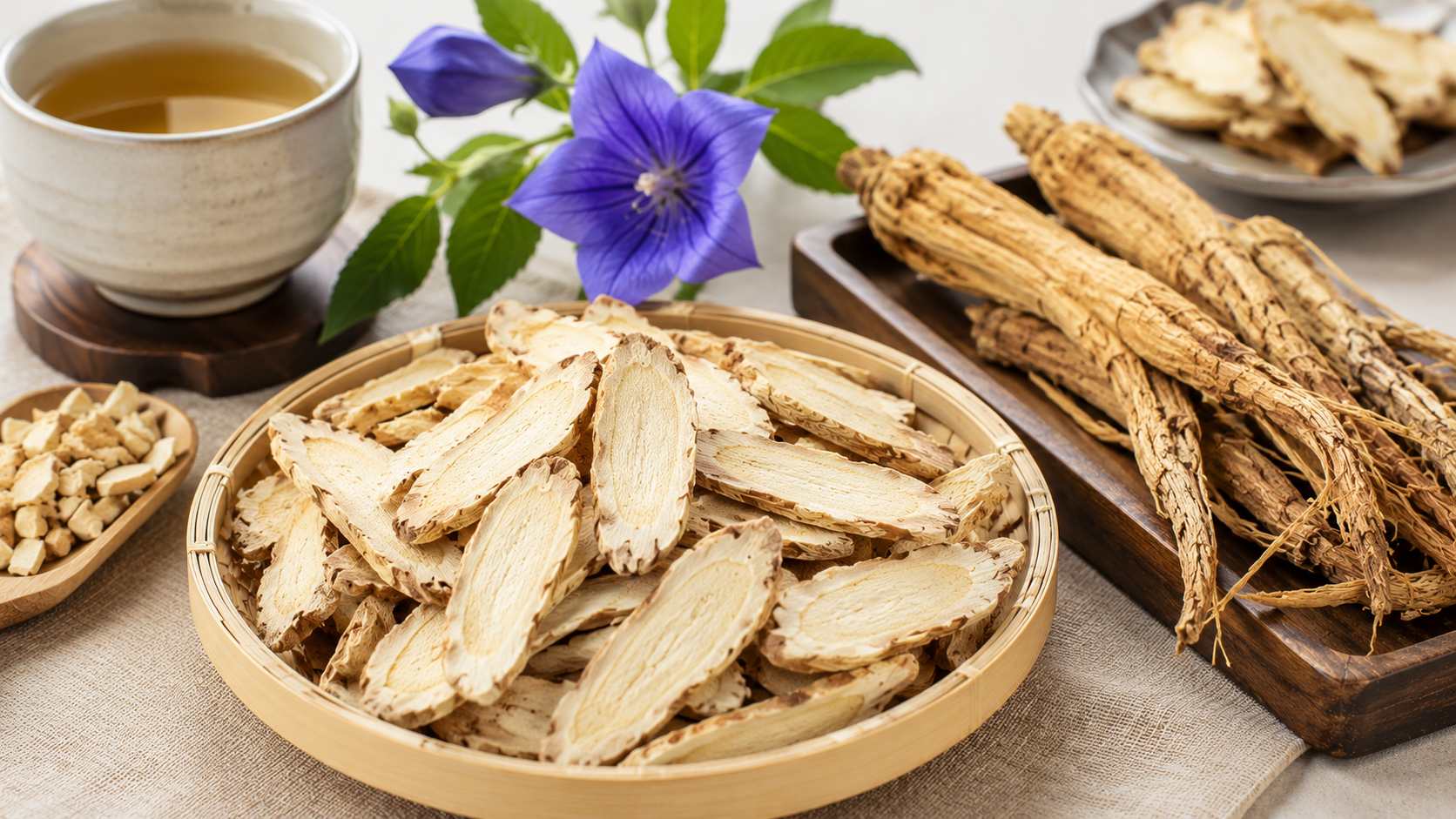
Platycodon Root serves as the dried root from Platycodon grandiflorus. This is a blooming plant known also as balloon flower, Chinese bellflower, or Jie Geng in traditional Chinese medicine. Many herb purchasers, tea companies, extract plants, and natural goods producers value this root. It has a lengthy past in herbal mixes for throat, lung, cough, and phlegm issues.
In the fresh herb trade, Platycodon Root acts as more than a classic Chinese herb. It functions as a useful plant item in cut herbs, herbal tea mixes, powders, extracts, and tailored blends. A straightforward grasp of its origin, look, usual purposes, quality marks, and purchase guidelines aids purchasers in picking wisely when getting dried Platycodon Root in large amounts.
What Is Platycodon Root?
Platycodon Root stems from the root of Platycodon grandiflorus. This plant belongs to the Campanulaceae family. Workers harvest the root. Then, they dry it and often slice it into bits or pieces before applying it as a healing herb or plant base item. In Chinese, people call it Jie Geng.
The term “balloon flower root” arises from the plant’s balloon-shaped flower buds. Yet, in the herbal business, the root stands as the chief part employed. You can find it typically in traditional Chinese medicine spots, herbal supply lines, tea part lists, and plant drug goods ranges.
| Item | Details |
|---|---|
| Common name | Platycodon Root |
| Botanical name | Platycodon grandiflorus |
| Other names | Balloon flower root, Chinese bellflower root, Jie Geng |
| Chinese name | Jie Geng |
| Main part used | Dried root |
| Common forms | Whole root, slices, powder, extract |
| Main traditional direction | Lung, throat, cough, phlegm support |
For purchasers asking “what is Platycodon Root,” the basic reply is clear. It is a dried herbal root with a firm spot in traditional Chinese medicine and current plant part supply.
Why Is Platycodon Root Also Called Balloon Flower Root or Jie Geng?
The identical herb shows up under various names since it serves in diverse trades. In plant and global trade places, Platycodon Root or Platycodon grandiflorus root proves usual. In buyer-oriented natural health pieces, balloon flower root often appears because it is simpler to keep in mind. In traditional Chinese medicine, Jie Geng stands as the regular name.
These names refer to the same main item. This is the dried root of the balloon flower plant. Such a fact counts for getting supplies. A purchaser might look for Jie Geng herb, balloon flower root, dried Platycodon Root, or Platycodon Root supplier. Still, they seek the same part.
What Does Quality Dried Platycodon Root Look Like?
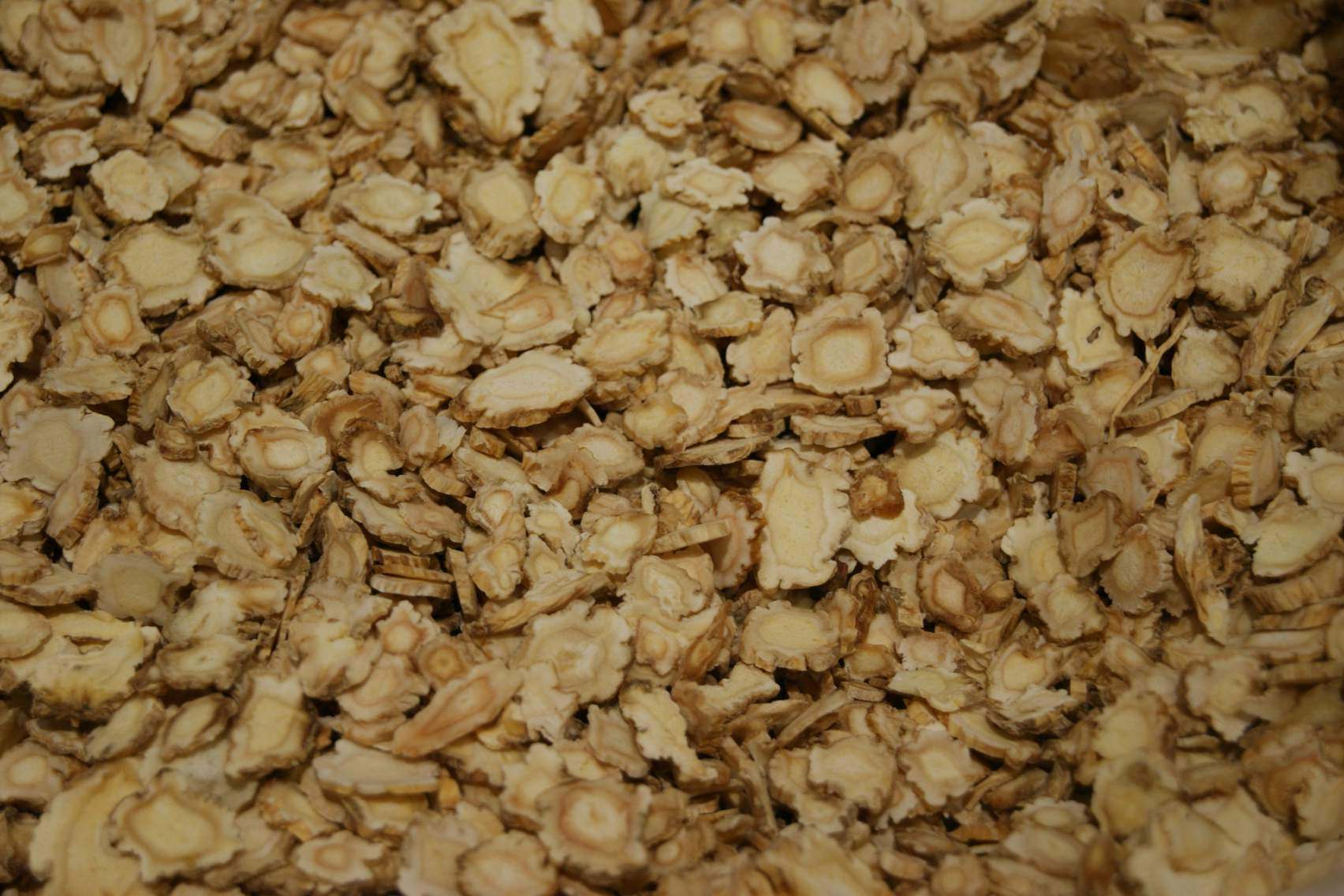
Quality begins with the raw herb. Dried Platycodon Root typically shows pale yellow, yellowish white, or light brown shades. It might come as whole roots, thick cuts, or even slices. A tidy group should seem dry, solid, and clear of seen mold, bugs, or major foreign bits.
Prior to ordering a large batch, purchasers usually review a few simple marks:
-
Clear botanical identity
-
Clean surface and natural color
-
Dry texture without damp smell
-
Even cutting for sliced Platycodon Root
-
Low visible impurities
-
Proper packaging for transport
-
Batch consistency across cartons or bags
For tea plants, uneven slices can impact mixing and packing. For powder producers, dampness and foreign bits pose bigger worries. For extract makers, root quality can sway yield from extraction, shade, scent, and end item steadiness.
Main Active Compounds in Platycodon Root
Platycodon Root holds various plant parts that draw researchers and herbal goods builders. The chief group discussed is triterpenoid saponins. Platycodin D counts as one known saponin in Platycodon grandiflorus root. Other natural bits might cover polysaccharides, flavonoids, amino acids, phenolic acids, and minerals.
For trade purchasers, this does not signify every batch shares the same chemical makeup. Growth spot, pick time, dry way, store state, and handle style can all change the end raw item. Thus, a real Platycodon Root supplier must focus on batch watch, raw pick, check, and right store.
When Platycodon Root extract proves needed, purchasers should request facts like extract rate, carrier, solvent, test way, and open papers. For cut dried Platycodon Root, look, dryness, scent, and tidiness often mark the first reviews.
Platycodon Root Uses in Traditional Chinese Medicine
Platycodon Root boasts a long tale of service in traditional Chinese medicine. It often ties to the lung path. Traditionally, it serves in mixes tied to cough, phlegm, throat unease, and chest fullness. It also earns fame as a guide herb in some mixes. This aids in steering other herbs’ work to the upper frame.
This part lays out its usual service spots in simple words.
Platycodon Root for Cough and Phlegm
One frequent search is Platycodon Root for cough and phlegm. In classic service, Jie Geng gains worth for aiding lung open and phlegm shift. It often pairs with other herbs over solo use. Classic mixes stress frame pattern, phlegm kind, heat, cold, dryness, and other signs.
For instance, a tea or mix for thick phlegm might employ Platycodon Root with herbs that clear heat or calm the throat. Another mix might join it with herbs for dryness or light chest tightness. The true pair hinges on the mix aim.
Balloon Flower Root for Sore Throat
Balloon flower root also links to throat ease in classic service. It might show in mixes for dry throat, rough voice, or throat bother, mainly when phlegm or lung unease forms part of the pattern.
For goods builders, this renders Platycodon Root handy in herbal tea mixes aimed at yearly throat aid. The flavor lacks the sweet note of many bloom teas. So, it often mixes with other herbs to even taste, feel in mouth, and role.
Jie Geng in Herbal Formulas
Jie Geng seldom stands as a lone herb. In many mixes, it acts as part of a bigger team. This counts for makers. A done herbal goods should not just ask, “What is Platycodon Root used for?” It should also ask how the herb suits the mix’s goal, taste, dose shape, and end buyer.
Common Forms of Platycodon Root
Platycodon Root can reach the trade in various shapes. Each shape suits a distinct making spot.
| Form | Common use | Buyer focus |
|---|---|---|
| Whole dried root | Raw herb trade, decoction pieces | Origin, dryness, natural appearance |
| Sliced root | Herbal tea, TCM formulas, retail packs | Slice size, cleanliness, color |
| Powder | Capsules, sachets, mixed powders | Mesh size, purity, moisture |
| Extract | Supplements, functional products | Ratio, testing, carrier, documents |
| Bulk raw material | Factories and distributors | Stable supply, packing, batch control |
For B2B purchasers, cut dried Platycodon Root often proves simpler to review by eye. Powder and extract demand firmer paper reviews since the first root form no longer shows.
How to Use Platycodon Root?
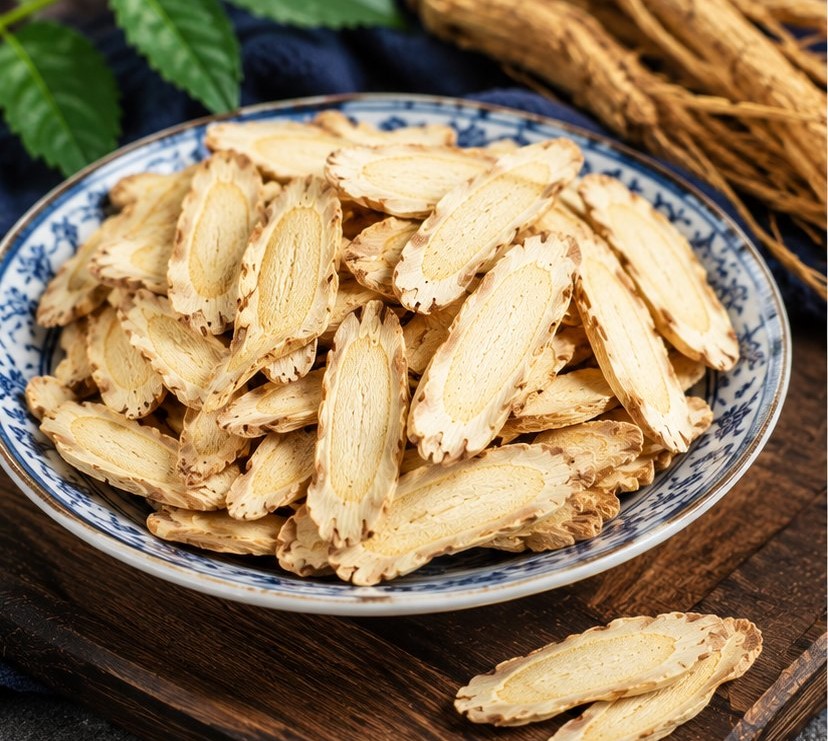
Platycodon Root might serve in boils, herbal teas, powders, extracts, and compound mixes. In classic prep, dried root cuts often simmer with other herbs. In current making, the same base item may turn into tea pouches, powder blends, capsules, bits, or fluid extracts.
Service relies on the trade and goods kind. A tea firm may note slice form, flavor, and brew shade. A mix plant may note batch steadiness. An extract spot may eye yield and active part makeup. A spreader may need tidy packing, export papers, and firm lead time.
Buyers should not view Platycodon Root as a stand-in for health care. Folks who carry a child, nurse, take drugs, or face ongoing health matters should gain expert counsel prior to using herbal goods.
Safety and Storage Notes
Like numerous classic herbs, Platycodon Root merits careful service. The right dose, shape, and pair can differ by person and goods. Excess or unfit service may spark belly unease in certain folks. Risk of allergy also merits note, above all for users touchy to linked plants or herbal goods.
Store also counts. Dried Platycodon Root should rest in a cool, dry, tidy place. It needs shield from damp, straight sun, bugs, and sharp scents. For large purchasers, store room watch counts as much as the buy. A tidy batch can drop worth fast if it rests in a damp room or packs in weak stuff.
How Bulk Buyers Choose a Platycodon Root Supplier
Large getting differs from buying a tiny shop pack. Purchasers require firm quality, plain talk, and repeat supply. A fine Platycodon Root supplier should offer steady goods, apt packing, and real aid for varied order sizes.
Main reviews cover:
-
Botanical name and herb identity
-
Origin and harvest information when available
-
Whole, sliced, powder, or extract form
-
Moisture and cleanliness
-
Packaging for sea, air, or land transport
-
Batch photos before shipment
-
Inspection process
-
Export experience
-
Lead time and after-sales response
For makers, the lowest-price batch does not always rank best. A cheap batch with high damp, uneven cuts, or blended foreign bits may spark bigger loss in making. Firm quality often saves more cash over time.
Bozhou Huirui as a Platycodon Root Supplier
Bozhou Huirui Chinese Medicine Technology Co., Ltd. sits in Bozhou, Anhui. This is a famed Chinese medicine trade and spread spot. The firm supplies a broad set of Chinese healing items. These cover plant drugs like Platycodon Root. It also handles other herbal and natural base items for B2B purchasers.
Its supply web spans home Chinese trades and abroad lands. It links buy paths to various lands. The goods setup backs wholesale, base supply, and custom making wants. For ODM and OEM works, the aid flow spans trade study, quote, order care, making, check, packing, move, and get.
For purchasers needing dried Platycodon Root, Jie Geng herb, herbal cuts, or plant drug parts, this supply setup aids. It backs not just single-herb buys. It also handles wider get plans that might cover mix items, packing wants, and long-term goods build.
Conclusion
Platycodon Root is the dried root of Platycodon grandiflorus. People know it also as balloon flower root or Jie Geng. It holds a solid spot in traditional Chinese medicine. This comes mainly in mixes tied to lung, throat, cough, and phlegm aid. For current purchasers, its worth ties not just to classic service. It also links to raw item quality, tidy handle, right store, and sure supply.
A watchful purchaser should eye origin, look, dryness, shape, papers, packing, and supplier skill prior to placing a large order.
FAQs About Platycodon Root
What is Platycodon Root used for?
Traditional Chinese medicine employs Platycodon Root in mixes tied to cough, phlegm, throat unease, and lung aid. It also acts as a part in herbal teas, boils, powders, and extracts.
Is Platycodon Root the same as balloon flower root?
Yes. People often call Platycodon Root balloon flower root. It comes from the balloon flower plant, Platycodon grandiflorus. In Chinese medicine, it goes by Jie Geng.
What does dried Platycodon Root look like?
Dried Platycodon Root usually shows pale yellow to light brown tones. It may appear as whole roots, thick pieces, or slices. Fine stuff should stay dry, tidy, solid, and free of seen mold or major foreign bits.
Can Platycodon Root be used in tea?
Yes. Platycodon Root tea ranks as one usual service shape. It often uses dried cuts and blends with other herbs. The mix, dose, and service way should suit the goods aim and user needs.
How should bulk Platycodon Root be stored?
Large Platycodon Root should store in a cool, dry, tidy store room. It needs guard from damp, sun, bugs, and sharp scents to hold the dried herb steady in store and move.


