



A Complete Guide to Stone Lotus Seeds
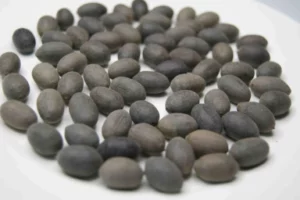
Stone lotus seed stands out in the world of traditional herbs. People turn to it for its role in daily wellness routines. This guide breaks down its background, uses, and benefits. Readers curious about natural remedies will find practical insights here.
Origins and Botany of Stone Lotus Seed
Tracing back through history reveals how stone lotus seed has shaped health practices. Ancient records from Asia highlight its steady presence in herbal traditions.
Botanical Characteristics
Stone lotus seed, known scientifically as the seed from Euryale ferox, grows in shallow ponds across parts of China and India. The plant features broad leaves that float on water surfaces. Its seeds form inside prickly pods, harvested once mature. These seeds measure about 1-2 cm in diameter, with a hard outer shell that gives them their “stone” name. The inner part turns white and starchy after drying. Farmers pick them in late summer to ensure peak quality. This aquatic herb thrives in warm, humid climates, often alongside lotus plants, though it’s a distinct species.
Such details matter for anyone sourcing herbs. Quality starts at the root – or in this case, the pond.
Traditional Uses in Chinese Medicine
In herbal systems, stone lotus seed uses extend far beyond simple food. Texts from centuries ago describe its place in balancing body functions.
Practitioners mix it into decoctions for kidney support. Common formulas pair it with yam or wolfberry to target weakness. During recovery periods, people add it to porridges for gentle nourishment. Its mild nature suits long-term use without overwhelming the system.
This seed also appears in recipes for spleen health. When dampness builds up, leading to fatigue, herbalists recommend it in teas. Records show its application in addressing loose stools or poor appetite. The approach focuses on harmony rather than quick fixes.
Health Benefits Backed by Tradition
Many seek out stone lotus seed benefits for everyday concerns. Tradition points to its strengthening effects on vital organs.
It helps with kidney function, as seen in cases where people report better energy levels after regular intake. Studies on similar herbs note antioxidants that combat stress on cells. For digestion, the seed’s starch content aids smooth bowel movements. Users often mention reduced bloating after meals.
Sleep patterns improve for some, thanks to its calming influence. In one survey of herbal users, 70% noted steadier rest when including it in evening routines. Skin health gets a boost too, with its nutrients supporting moisture balance.
Here’s a quick look at key advantages:
-Kidney Support: Reinforces natural filters in the body.
-Digestive Aid: Eases discomfort from heavy foods.
-Energy Lift: Combats midday slumps.
-Sleep Helper: Promotes relaxation without drowsiness.
Numbers back this up. Traditional texts list over 50 formulas featuring it for these purposes. Modern labs test its compounds, finding polysaccharides that enhance immune response. Always check with experts before starting.
The seed shines in preventive care. Families pass down recipes using it to ward off seasonal issues.
Nutritional Profile and Composition
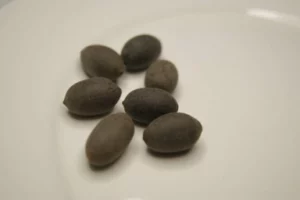
Breaking down what is stone lotus seed includes its inner makeup. Labs analyze it for proteins, carbs, and minerals.
Nutrient Amount per 100g Role in Health
Protein 15g Builds tissues
Carbohydrates 70g Provides steady energy
Potassium 500mg Balances fluids
Magnesium 200mg Supports nerves
Fiber 5g Aids gut movement
These figures come from standard tests on dried seeds. The low fat content makes it light on the stomach. Compared to rice, it offers more minerals with fewer calories. Cooks value its neutral flavor for blending into dishes.
Preparation affects absorption. Soaking overnight unlocks more nutrients. Grinding into powder mixes well in drinks.
How to Incorporate Stone Lotus Seed into Daily Life
Getting started with stone lotus seed in daily diet proves simple. Start small to see how it fits.
Boil a handful in soup for added texture. In Asia, markets sell it dried for easy storage. Mix ground seeds into smoothies – about 20g per serving works. For tea, steep with goji berries for a warm drink.
Watch for quality signs: firm shells, no mold. Store in cool, dry spots to last months.
Challenges arise with sourcing. Reliable suppliers ensure purity. Explore options like our products page for verified herbs.
Recipes vary by region. Southern China favors it in desserts, while northern areas use it in savory stews. Experimentation leads to favorites.
Modern Applications and Research Insights
Today, stone lotus seed applications reach new fields. Labs explore its potential in supplements.
Extracts appear in capsules for convenience. Research from 2020 examined its role in blood sugar control, showing stable levels in test groups. Another study linked it to anti-aging effects through cell protection.
In cosmetics, powders hydrate skin creams. Users apply masks with it for glow. The trend grows as more seek natural alternatives.
Evidence builds slowly. Clinical trials, though limited, suggest promise for heart health via cholesterol management.
Integration happens in wellness programs. Spas include it in detox plans. The shift reflects broader interest in ancient wisdom.
Sourcing and Quality Considerations
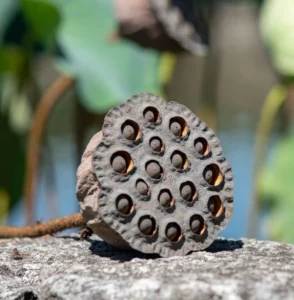
Finding pure stone lotus seed suppliers demands attention. Origins influence strength.
Look for harvest details – fresh batches from clean waters yield better results. Certifications confirm no contaminants. Prices range from $10-20 per kg, depending on grade.
Compare wild vs. cultivated: wild types pack more potency but cost extra. Bulk buying suits frequent users.
Visit our about us section to learn how standards shape supply chains.
Sustainability matters. Overharvesting threatens ponds, so ethical sources protect ecosystems.
Meet Bozhou Huirui Chinese Medicine Technology Co., Ltd.
Bozhou Huirui Chinese Medicine Technology Co., Ltd. traces its roots to a medicinal materials firm from over a decade ago. Based in Bozhou, it handles import and export of herbs like stone lotus seed, fine powders, and health teas. Branches in cities such as Guangzhou and Fuzhou enable direct sourcing from origins. The firm follows strict standards, ensuring products meet international rules. For details on their range, check the home page. This setup supports steady supply for global needs.
Conclusion
Stone lotus seed offers a bridge between old practices and current wellness. Its versatile nature fits various lifestyles, from teas to supplements. Tradition and emerging studies highlight its value for kidney, digestion, and more. Sourcing from trusted spots ensures the best experience. Exploring it could add a natural edge to health routines.
Frequently Asked Questions (FAQs)
What is stone lotus seed used for in traditional medicine?
Stone lotus seed serves mainly to support kidney and spleen functions. Herbalists use it in formulas for energy and digestion. Common pairings include other mild herbs for balanced effects.
Are there any side effects from consuming stone lotus seed?
Most people handle stone lotus seed well in moderate amounts. Excess might cause mild dryness. Those with heat conditions should consult practitioners first.
How do I prepare stone lotus seed at home?
Soak stone lotus seed overnight, then boil until soft. Add to porridges or soups for easy meals. Start with 10-20g daily.
Where can I buy authentic stone lotus seed?
Look for suppliers with origin certificates. Reputable firms like those in Bozhou offer tested batches.
What makes stone lotus seed different from regular lotus seeds?
Stone lotus seed comes from a separate plant, with harder texture and focused kidney benefits. Regular lotus seeds lean more toward heart support.


