



Finding a Reliable Chinese Medicine Supplier: Your Guide to Quality and Trust
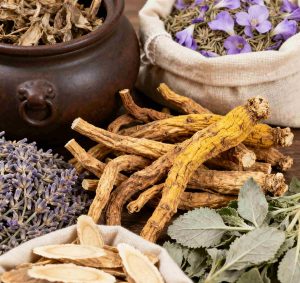
Choosing the right source for Chinese medicinal herbs can feel like a big task. Whether you run a business selling herbal products or you’re looking for natural remedies, a trustworthy supplier makes all the difference. This guide walks you through how to find a reliable Chinese medicine supplier. We’ll cover what matters most—quality, product variety, and customer care—with simple tips to pick a partner you can count on.
Why Picking a Great Supplier Is Important
The world of Chinese medicine is booming. Herbs like lavender, dried ginger, and star anise are popular everywhere. But not every supplier is worth your time. A good one delivers high-quality herbs, follows rules, and ships on time. This helps your business grow or keeps your health remedies safe. Bad herbs can mess up results, harm safety, or hurt your brand. So, how do you find a reliable Chinese medicine supplier?
What a Trustworthy Supplier Offers
Steady Quality: Herbs are top-notch every order.
Rule-Keeping: Products match global and local laws.
Honesty: They share where herbs come from and show certifications.
Helpful Service: They answer questions fast and fix problems.
What to Look for in a Supplier
To find a reliable Chinese medicine supplier, know what makes the best ones stand out. Here are the main things to check.
Strong Quality Standards
Quality is the heart of Chinese medicine. A solid supplier sticks to high standards from start to finish. Look for ones who:
Follow worldwide and local rules for herbs.
Share papers like origin certificates or test results when you ask.
Get herbs straight from where they grow to keep them real.
Check quality carefully at every step.
For example, Bozhou Huirui with offices in places like Nantong or Guangzhou often has close ties to farmers. Their “buy-from-source, sell-direct” approach keeps herbs fresh and prices fair.
Lots of Product Choices
A good supplier has plenty of options to fit your needs. From raw herbs like costus root and Alpinia officinarum to items like rose tea or herbal powders, having variety saves you time. You can get everything from one place.
Popular Chinese Medicine Products
|
Product |
Main Perks |
Uses |
|
Costus Root |
Soothes bloating, helps digestion |
Teas, herbal blends |
|
Dried Ginger |
Warms you up, aids digestion |
Cooking, natural remedies |
|
Alpinia Officinarum |
Calms stomach aches, eases nausea |
Spices, medicinal mixes |
|
Rose |
Relaxes you, improves skin |
Teas, jams, beauty items |
|
Illicium Verum (Star Anise) |
Adds flavor, supports digestion |
Spices, herbal remedies |
|
Lavender |
Calms nerves, smells nice |
Teas, oils, sachets |
Honest Sourcing Methods
How a supplier gets their herbs shows if they’re reliable. Those who work directly with farmers or plants where herbs grow ensure better quality. Ask these questions:
Where do the herbs come from?
Do they process them themselves or use trusted partners?
What keeps the herbs pure and strong?
Suppliers who are open about their process share details like product specs or origin papers without hesitation.
Customer-Friendly Support
The best suppliers don’t just sell herbs—they back you up. Check for:
Easy Ordering: Low minimums, like 500kg with mixed items, work for small or big businesses.
Clear Steps: Simple processes, like sending specs or signing contracts online, save effort.
Quick Replies: Getting a quote in a day shows they value your time.
After-Sale Help: Policies for returns or fixes prove they trust their products.
Worldwide Reach and Shipping
A supplier with a strong network can ship anywhere easily. Make sure they offer shipping choices like FOB or CIF and clear payment plans, like 30% upfront and 70% after you see the shipping papers. Good shipping means herbs arrive fresh, no matter where you are.
How to Check a Supplier’s Trustworthiness
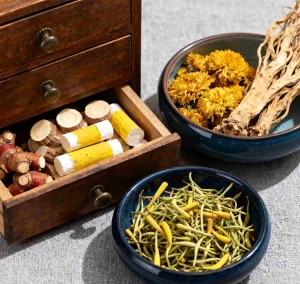
Once you’ve got a shortlist of suppliers, dig deeper to make sure they’re legit. Here’s how to size them up.
Look at Their Past
A supplier with years of experience, like a decade or more, likely knows their stuff. Check for:
Client Feedback: Stories or reviews from customers show they deliver.
Market Reach: Offices in several cities mean they’re stable.
Farmer Ties: Long-term links with growers signal trust.
Ask for Paperwork
Don’t be afraid to request certifications, test results, or product details. A good supplier hands these over quickly, showing their herbs meet your country’s rules. For example, if your area has strict import laws, make sure they can send the right documents.
Test How They Communicate
Send a question, like asking for a price on 500kg of mixed herbs. A reliable Chinese medicine supplier answers fast—within a day—with clear info on cost, shipping, and certifications. Slow or fuzzy replies are a bad sign.
See What Solutions They Offer
Top suppliers give custom options for industries like health foods or beauty products. Check if they:
Make special herb mixes, like costus root powder for teas.
Help with your country’s rules.
Support custom projects, like your own brand of herbal teas.
Creating a Strong Partnership
Finding a reliable Chinese medicine supplier isn’t just about one purchase—it’s about building a bond that helps your business or health goals. Here’s how to make it last.
Start with a Small Order
Try a smaller batch first to test their quality and service. For instance, order 500kg of mixed herbs like rose and lavender to see if they deliver. If it’s good, go bigger or order regularly.
Talk Clearly
Share exactly what you need upfront—quantity, certifications, and delivery dates. Clear details prevent mix-ups and get you the right products.
Tap into Their Know-How
Good suppliers share more than herbs—they share tips. Ask which herbs work best, like star anise for flavor or costus root for digestion. Their ideas can make your products or health remedies better.
Keep an Eye on Them
Watch how they do over time. Are shipments on time? Do herbs meet standards? Giving feedback regularly builds a stronger partnership and keeps things reliable.
About Bozhou Huirui Chinese Medicine Technology Co., Ltd.
Before we answer common questions about finding a reliable supplier, let’s talk about Bozhou Huirui Chinese Medicine Technology Co., Ltd. This company has over ten years of experience and is a trusted name in Chinese medicine. They offer high-quality herbs and products like lavender, dried ginger, Alpinia officinarum, costus root, Illicium verum (star anise), rose tea, and herbal pearls. Starting as Bozhou Shihe Medicinal Materials Company, they rebranded in 2010 and built a name for quality and fairness. With offices in cities like Nantong, Guangzhou, and Fuzhou, Huirui gets herbs straight from their source, keeping them fresh. Their focus on honest dealings, fair prices, and great customer support makes them a solid choice for anyone seeking a reliable Chinese medicine supplier.
Conclusion
Finding a reliable Chinese medicine supplier is about picking a partner who cares about quality, honesty, and your needs. Focus on certifications, product choices, clear sourcing, and strong support to find the right fit. Whether you’re growing a business or seeking natural remedies, a trusted supplier like Bozhou Huirui Chinese Medicine Technology Co., Ltd. can set you up for success. Use these steps to start your search and build a partnership that lasts.
FAQs About Finding a Reliable Chinese Medicine Supplier
1. How do I know if a Chinese medicine supplier is reliable?
Look at their history and openness. A reliable Chinese medicine supplier with years in the game shares certifications and answers questions quickly.
2. What papers should I ask for when finding a reliable Chinese medicine supplier?
Ask for origin certificates or test results. Good suppliers share these to prove their herbs meet global and local standards.
3. Can I order small amounts from a reliable Chinese medicine supplier?
Yes. Many let you start with low minimums, like 500kg of mixed herbs, so you can test their products.
4. How does a reliable Chinese medicine supplier keep herbs high-quality?
They get herbs from where they grow, check quality strictly, and follow global rules. Ties with farmers and their own processing keep herbs fresh.


