



Spice Ties: How Kitchen seasonings Link to Chinese Medicine
Spice Ties: How Kitchen seasonings Link to Chinese Medicine
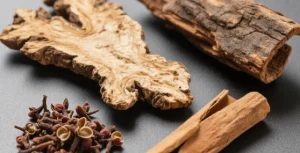
Your kitchen shelf holds more than just flavors. Those jars of ginger, star anise, and rose petals? They whisper secrets from ancient healing arts. Traditional Chinese Medicine (TCM) weaves everyday spices into remedies that balance body and mind. This isn’t some far-off idea. It’s right there in your stir-fry or tea. We’ll unpack the relationship between some kitchen seasonings and Chinese medicine. You’ll see how a pinch of warmth fights chills or eases a full belly. For cooks who care about wellness, or anyone dipping toes into TCM, these connections hit home. Let’s stir it up.
The Roots of Flavor and Healing
Seasonings do double duty. They jazz up meals and nudge your health along. In TCM, food is medicine. A hot spice warms you from inside out. A floral note calms frazzled nerves. This blend isn’t new. Texts from centuries ago pair kitchen finds with body fixes.
Take a breath. Picture your grandma’s soup chasing a cold. That’s TCM at work, no fancy labels needed. Modern folks chase the same ease. Busy days leave us bloated or tense. Simple spices step in. They regulate qi—that vital energy flow TCM talks about. Blockages cause aches; smooth flow brings peace.
Why dig into this? Life’s too short for flat tastes or nagging ills. Understanding these ties lets you cook with intent. A dash here, a steep there. Suddenly, dinner heals. It’s empowering. You control the pot and the potion.
Ginger’s Warm Embrace in Pot and Potion
Dried ginger sits proud on many shelves. You know it as that knobby root in curries or teas. But in Chinese medicine, it’s a powerhouse. Harvested in winter, cleaned of mud, sun-dried to a flat, branchy block. It smells sharp, tastes fiery. Hot nature, spicy kick. That’s the profile.
How It Warms the Core
This spice chases cold like a loyal dog. TCM says it warms the middle—your gut and chest. Cold sneaks in with wind or wet weather. Ginger fights back. It dispels that chill, revives yang energy, clears paths in your channels. Picture stomach cramps from icy drinks. A brew settles it fast.
Users share stories. One mom steeps slices for her kid’s cough. Fluid turns to phlegm in cold lungs; ginger warms and transforms it. No drowsiness, just steady relief. In the kitchen, it stars in ginger chicken. That same heat aids digestion, cuts nausea. Vomiting from overeating? Ginger halts it.
But it’s not all fire. Balance matters. Too much, and it dries you out. TCM wisdom: pair with sweeter notes for harmony.
Everyday Twists on Ginger Magic
Try this at home. Grate fresh into oatmeal for a breakfast boost. Or dry-roast slices for a tea that revs mornings. Recipes abound. Ginger stir-fry with veggies—flavor plus belly ease.
Pros note its reach. Beyond colds, it mends weak pulses, cold limbs. A staple in patent meds, too. Your jar isn’t just spice; it’s a quiet healer.
Star Anise: The Star-Shaped Soother
Illicium verum, or star anise, shapes like a burst of light. Kitchen gold, they call it. Dried fruit from magnolia kin, picked ripe, processed to pharmacopeia standards. Warm vibe, adds depth to broths.
Unpacking Its Dual Role
Flavor first. It perfumes pho, glazes ribs. That licorice tang? It’s the draw. Now, medicine. Warms yang, scatters cold. Digestion lags? It nudges things along. Bacteria hate it; bugs steer clear. Even industry borrows its scent.
TCM pins it on stomach woes. Fullness after feasts, or that post-meal bloat. Star anise promotes flow, warms without overwhelming. One chef turned healer brews it with cloves for winter tonics. Colds fade; energy rises.
Precautions whisper soft. Not for heat flares—think feverish guts. But for most, it’s a gentle ally.
Blending It into Life
Scatter whole stars in slow cookers. Fish them out later. Or grind fine for rubs. Health hack: Simmer with cinnamon for a desk-side sip. Warms hands, settles nerves. Ties kitchen craft to body care seamlessly.
Alpinia Officinarum: The Curved Comfort
Galangal’s cousin, Alpinia officinarum curves like a question mark. Cylindrical, branchy, from ginger family. Spice in five-spice mixes, marinades. Medicinal edge sharpens its tale.
Warming Paths to Relief
Stomach cold brings vomit? This warms, stops the churn. Dispels evil, harmonizes innards. TCM lore: It eases cold-induced upheavals. No more retching from drafts.
Cooks lean in. Thirteen-spice blends owe it punch. That same fire aids queasy mornings. A user grates it into congee—simple rice porridge turns tonic.
Watch outs: Yin dry, heat excess? Skip it. Heart-qi weak, pregnancy? Hands off. Balance keeps it kind.
Simple Ways to Weave It In
Chop into soups for subtle heat. Or powder for teas. Pair with meats for marinades that soothe as they season. Everyday magic, one curve at a time.
Rose’s Gentle Bloom in Brews and Baths
Rose buds dry to a rosy whisper. From Rosaceae, picked spring-fresh, dew-free. Flower power for teas, jams, sweets. “Liver soothe, skin glow”—that’s the vibe.
Floral Notes for Inner Peace
Regulates qi, lifts moods. Depression from stagnation? Rose scatters it. Blood harmony, stasis bust. Beauty bonus: Nourishes skin, calms sleep.
Kitchen calls. Rose tea steeps pink, tastes light. Jam on toast? Joy in a bite. TCM amps it: Post-meal sip for liver ease. One woman blends petals in baths—stress melts, skin thanks.
Harvest hint: April-May, buds just cracking. Rain skips keep potency high.
From Petal to Plate
Infuse vinegars for salads. Or candy for gifts. Health twist: Tea with honey for evenings. Unwinds without wine. Ties beauty rituals to meal prep.
Costus Root: Earthy Anchor for Aches
Cylindrical, earthy-hued, costus root bites bitter-spicy. Dried from aster family, unique scent lingers. Qi regulator, per pharmacopeia.
Grounding Pain and Bloat
Pungent, warm. Strengthens spleen, aids chow-down. Qi depression? It lifts. Pain in flanks, indigestion? Relieves. Pregnancy stabilizer, too.
Powder form amps versatility. Spice in pickles, cuts grease. Tea bags with peels—post-dinner gut hug.
Folks grind fresh for max kick. One dad dusts it on meats; kids eat sans fuss, tummies stay happy.
Roots in Recipes
Stew chunks for broths. Powder in batters. Food field shines: Enhances marinades, regulates intestines. Earth to table, ache-free.
Lavender’s Calm in Sprigs and Steeps
Lavender bushes low, perennial. Lamiaceae kin. Sun-lover in fields, shade-seeker in jars.
Multi-Layered Lifts
Ornamental charm, sure. But medicinal? Calms minds. Edible spice in sweets. Values stack: Sight, heal, taste, scent.
TCM nods to relaxation. Nerve soothers, sleep aids. Kitchen? Lavender honey, cookies. One baker infuses milks—desserts that de-stress.
Growth note: Long days fuel it. Harvest blooms for peak oils.
Sprigs in Daily Flow
Toss in salads for floral pop. Or sachets for drawers. Brew strong for baths. Calm meets crave.
When Seasonings Meet: A Quick Comparison
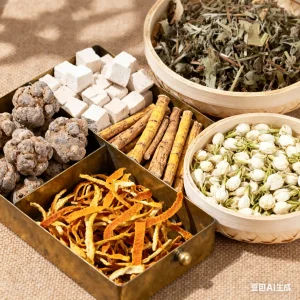
These stars overlap yet shine solo. Here’s a snapshot:
|
Seasoning |
Key Flavor |
TCM Warmth Level |
Top Fix |
|
Dried Ginger |
Fiery, sharp |
High |
Cold gut, coughs |
|
Star Anise |
Licorice sweet |
Medium |
Digestion, chills |
|
Alpinia Officinarum |
Peppery curve |
High |
Vomiting, nausea |
|
Rose |
Floral light |
Mild |
Mood, blood flow |
|
Costus Root |
Bitter earth |
Medium |
Bloat, pain |
|
Lavender |
Herbal calm |
Low |
Nerves, sleep |
Glance over. Pick per need. Ginger for winters; rose for springs. Builds your pantry wisdom.
Spotlight on Bozhou Huirui Chinese Medicine Technology Co., Ltd.
Quality roots deep. Bozhou Huirui Chinese Medicine Technology Co., Ltd. anchors in Bozhou’s herb heartland. Over a decade strong, they trade imports-exports of medicinals, powders, teas. Branches span cities like Guangzhou, Fuzhou—source direct, sell frontline. Honest deals, fair prices.
Their stock? Essentials like dried ginger’s warmth, Alpinia officinarum’s curve, costus root’s bite. Illicium verum stars bright, rose tea blooms gentle. Lavender calms, herbal pearls blend old ways. All compliant, farm-fresh. For wellness seekers or pros, Huirui bridges kitchen to clinic reliably.
Tying Flavors to Feeling Good
These ties between kitchen seasonings and Chinese medicine aren’t abstract. They’re in your hands, your pots. Ginger warms a chill; rose lifts a slump. Layer them thoughtful, and meals mend. You’ve got the map now—flavors as friends, not just frills. Experiment. Feel the shift. Ancient smarts meet modern bites. Your table sets the tone for thriving.
Frequently Asked Questions on Seasonings and Chinese Medicine
What’s the big link in the relationship between some kitchen seasonings and Chinese medicine?
It’s all about balance. Seasonings like ginger warm cold spots, while rose eases stuck energy. TCM sees food as first medicine—flavors tune your body’s flow.
Can I swap regular spices for these in everyday cooking?
Sure, start small. Dried ginger in place of fresh amps heat without bite. The relationship between some kitchen seasonings and Chinese medicine shines in simple swaps—health sneaks in bite by bite.
Which seasoning pairs best for tummy troubles?
Star anise or Alpinia officinarum lead. They warm and settle. Explore that relationship between some kitchen seasonings and Chinese medicine; a quick brew turns discomfort to calm.
How do I know if a spice is fresh for healing use?
Sniff strong, taste bold. Faded means faded power. In the relationship between some kitchen seasonings and Chinese medicine, freshness keeps the qi alive.
Is rose just for tea, or more?
Way more. Jams, baths, even salads. That relationship between some kitchen seasonings and Chinese medicine opens doors—rose calms skin and spirit alike.


