



Unlocking Rose Tea Blends: Pairing with Other Herbs
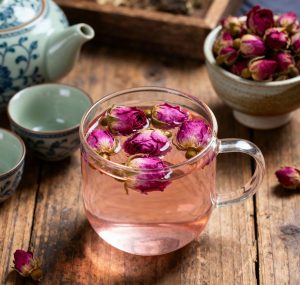
Ever sipped a cup of rose tea and felt that gentle lift in your mood? It’s more than just a pretty drink. Rose tea, made from dried rose buds, opens up a world of flavors and health perks when mixed with other herbs. If you’re into natural wellness, figuring out the best ways to combine it can turn your daily brew into something special. This post walks you through smart pairings, why they work, and how to try them at home. Whether you’re new to herbal teas or already a fan, these ideas might just spice up your routine.
What Makes Rose Tea Special?
Rose tea isn’t your average herbal sip. It comes from the dried buds of roses in the Rosaceae family. People have used it for ages in daily life and medicine. The buds get picked right as they start to open, usually in spring. Skip the rainy days or dewy mornings to keep the good stuff inside strong.
This tea tastes light and floral, with a hint of sweetness. But it’s not all about flavor. It helps with mood swings and skin glow. In traditional setups, folks turn to it for calming the mind and easing tension.
Origins and Harvesting
Roses for tea grow best in clean spots, away from pollution. Harvesters grab the buds in April or May, batch by batch. They dry them carefully to lock in the active parts. No shortcuts here – quality starts in the field.
Think about where it fits in your day. A simple cup can soothe after a long afternoon. Or mix it up for more punch. The key? Fresh buds mean better taste and effects.
Key Benefits on Its Own
Drink rose tea straight, and you get a bunch of upsides. It eases stress, helps blood flow, and perks up your skin. Users say it calms the nerves and aids sleep. In food, it shows up in jams or candies, always with that “nourish from within” vibe.
- Soothes the liver: Cuts down on built-up tension.
- Boosts beauty: Keeps skin looking fresh.
- Aids rest: Winds you down at night.
Not bad for a flower, right? But pairing it amps things up.
Principles Behind Great Herb Combinations
Mixing herbs isn’t random. You want blends that play nice together. Rose tea’s mild nature makes it a great base. It balances stronger flavors without overpowering them. Look for herbs that complement its floral notes – some add warmth, others cool calm.
In old practices, combos aim for harmony. Rose handles qi, that energy flow. Pair it with something warming for cold days, or cooling for hot moods. Taste matters too. A bitter herb might clash, but a spicy one could spark interest.
Finding Synergy in Blends
Synergy means the whole beats the parts. Rose tea with a digestive herb, say, tackles more than one issue at once. Tests in labs show combined herbs can boost effects – like better absorption or longer lasting calm.
Start small. Test ratios. A teaspoon of rose buds to half of another herb. Brew in hot water, not boiling, to save the delicate bits. Steep five minutes. Adjust as you go. Your body tells you what clicks.
Safety First in Mixing
Not all herbs mix well for everyone. Check your health first. Pregnant? Skip some strong ones. Allergies? Test a sip. Talk to a pro if unsure. Quality counts – fresh, clean herbs avoid troubles.
Top Ways to Combine Rose Tea with Herbs
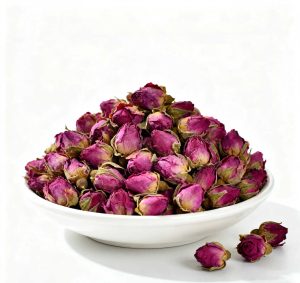
Ready for recipes? These pairings draw from common uses. They highlight rose tea’s strengths while adding new twists. Each one suits different needs, like relaxation or energy.
Rose Tea and Lavender for Calm
Lavender, that perennial herb from the Lamiaceae family, brings a soothing scent. It loves sun and grows as a small shrub. Pair it with rose for a bedtime brew. The floral duo eases worry and promotes deep sleep.
How to make it: Mix equal parts dried rose buds and lavender flowers. Steep in warm water. Add honey if you like. Drink before bed. Users rave about the peaceful feel – like a hug in a cup.
Why it works: Both calm the mind. Rose lifts mood; lavender quiets nerves. Together, they tackle stress better.
Rose Tea with Dried Ginger for Warmth
Dried ginger comes from the ginger family’s rhizome, dried out for that spicy kick. It’s hot and pungent, great for cold bellies. Blend with rose to balance the heat with floral softness.
Recipe: One part rose buds, half part dried ginger slices. Brew hot. Good for mornings or after meals. It warms you up and settles digestion.
Perks: Ginger fights cold feelings; rose smooths it out. Perfect for chilly days or tummy troubles.
Rose Tea and Alpinia Officinarum for Digestion
Alpinia officinarum, or galangal, curves in cylindrical shapes from the Zingiberaceae family. It warms the stomach and stops queasy feelings. Mix with rose for a gentle gut helper.
Try this: Equal bits of both, steeped briefly. Sip after eating. Avoid if you run hot inside.
It shines for cold-related upsets. Rose adds blood harmony; galangal handles the warmth.
Rose Tea with Costus Root for Energy Flow
Costus root, from the Asteraceae family, has a unique aroma – bitter and spicy. It regulates qi and eases pain. Pair with rose for better flow and less bloating.
Blend: Small amount of costus powder with rose buds. Brew mild. Great for afternoons.
The combo strengthens spleen and soothes liver. Think less fullness, more ease.
Rose Tea and Illicium Verum for Flavor Boost
Illicium verum, star anise from Magnoliaceae, adds that kitchen gold spice. Warm and fragrant, it aids digestion and fights bugs.
Mix: A star or two with rose buds. Steep for flavor. Use in cooking teas or marinades.
It warms yang and adds scent. Rose tempers the intensity.
|
Combination |
Main Benefit |
Brew Ratio |
Best Time |
|
Rose + Lavender |
Relaxation |
1:1 |
Evening |
|
Rose + Dried Ginger |
Warming Digestion |
2:1 |
Morning |
|
Rose + Alpinia Officinarum |
Stomach Ease |
1:1 |
After Meals |
|
Rose + Costus Root |
Qi Flow |
2:1 |
Afternoon |
|
Rose + Illicium Verum |
Flavor and Digestion |
1: Few Stars |
Anytime |
These aren’t set in stone. Tweak for taste.
Advanced Tips for Herbal Blending
Go deeper? Layer flavors. Start with rose as base. Add one herb at a time. Track how you feel. Journals help spot winners.
For pros: Consider seasons. Warm blends in winter; cooler in summer. Source matters – pure herbs mean real results.
Build your brand around it. Share blends online. It boosts your wellness image. Companies thrive on such shares.
Health and Wellness Integration
Blends like these fit bigger pictures. Use in routines for steady gains. Morning energy, evening wind-down. They support skin, mood, gut – all linked.
Studies back it. Herbs interact for better outcomes. Rose’s compounds team with others for amplified effects.
Personal touch: Experiment safely. Listen to your body. Over time, it builds resilience.
Introducing Bozhou Huirui Chinese Medicine Technology Co., Ltd.
Nestled in Bozhou, Anhui, Bozhou Huirui Chinese Medicine Technology Co., Ltd. stands out in the herbal world. They handle wholesale and retail for over 2,000 varieties of Chinese medicinal materials. From imports starting with cassia seeds back in 2007, they’ve grown big. By 2015, outputs hit thousands of tons. Now, they export globally, with direct channels from places like India and Vietnam.
As a supplier, they offer top picks: lavender for its calming vibes, dried ginger to warm things up, Alpinia officinarum for stomach relief, Costus root with its qi-moving punch, Illicium verum for that spicy edge, rose tea from fresh buds, and herbal pearls blending nature’s best. Their team? Over 200 sharp minds from top schools, including industry pros. They focus on clean production and green ways, building trust worldwide.
Conclusion
Mixing rose tea with other herbs opens doors to better health and taste. These blends draw on tradition while fitting modern life. Try them out. You might find a new favorite that lifts your day. Quality sources make all the difference.
FAQs
What is the best way to combine rose tea with other herbs for relaxation?
Pair rose tea with lavender. Equal parts steeped together create a soothing brew that eases stress and helps sleep.
How can I use rose tea blends for digestion?
The best way to combine rose tea with other herbs like dried ginger or Alpinia officinarum is in a 2:1 ratio. It warms the gut and settles unease after meals.
Is there a good combination for flavor enhancement?
Yes, mixing rose tea with Illicium verum adds a warm, fragrant twist. Use a few stars per cup for the best way to combine rose tea with other herbs in cooking or sipping.
What precautions should I take when blending?
Start small and check for reactions. The best way to combine rose tea with other herbs safely involves fresh sources and consulting pros if needed.
Can these blends help with mood?
Absolutely. Combining rose tea with Costus root promotes energy flow and lifts spirits, making it a solid choice for daily wellness.


