



Unveiling the Roots: A Journey Through the History and Development of Chinese Medicine
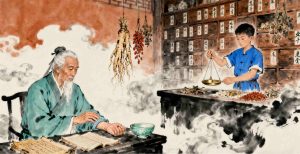
Chinese medicine feels like a gentle guide in the healing world. It’s not about fast fixes or pills—it’s a way to understand health tied to nature’s flow and the body’s balance. Curious about how wisdom from ages past still shapes wellness today? This post explores the history and development of Chinese medicine, weaving through ancient stories, changing times, and its global reach now. We’ll keep it simple, sharing tales and insights that show why this tradition lasts. Whether you’re just curious or seeking natural health paths, let’s dive in.
The Start of Healing: Early Beginnings
Imagine villages by the Yellow River, people picking herbs under vast skies. That’s where Chinese medicine began, way back in the Neolithic era, around 10,000 years ago. No fancy labs existed. Folks noticed plants eased fevers or calmed pain. Shamans and healers tried things out. They shared wisdom by word of mouth.
By the Shang Dynasty (1600–1046 BCE), oracle bones held clues of medical guesses. Healers sought spirits’ help for sickness, mixing seen and unseen worlds. It wasn’t random. It came from watching closely. Stone needles eased aches, a hint of acupuncture’s start.
In the Zhou Dynasty (1046–256 BCE), ideas grew clearer. Medical writings appeared. They tied health to seasons and stars. Humans, they said, reflect the cosmos. Health isn’t separate. It’s part of everything.
Early Healers and Their Methods
Healers used what nature offered. They boiled roots for teas or made pastes for wounds. No big theories yet—just what worked. Digs reveal bronze needles and herb pots, signs of real care. These weren’t fancy, but they helped people.
Communities trusted these ways because they saw results. A farmer’s sore ankle healed with moxibustion—burning mugwort to warm skin. Such stories spread. They planted Chinese medicine deep in daily life.
Shaping the System: Key Texts and Concepts
Writing changed everything. The Yellow Emperor’s Inner Classic (Huangdi Neijing), from around 200 BCE, isn’t just a book. It’s a chat between an emperor and his advisor, tackling health’s big questions. It explains qi—life energy flowing through paths in the body—and how blocks cause trouble.
This book turned healing into a system. Illness comes from imbalance, not invaders. Treat the whole person, not just symptoms. That idea still guides Chinese medicine today.
Yin and Yang: Balancing Opposites
Yin and yang are at the core. Yin is cool, shadowy, calm—like a quiet night. Yang is warm, bright, active—like a sunny day. Health needs both in harmony. Too much yang brings fevers or restlessness. Too much yin causes tiredness.
Healers use this to figure out problems. A pale tongue shows too much yin. A fast pulse points to yang overload. It’s poetic but useful. Think of your day: work (yang) needs sleep (yin). Chinese medicine turns this into a health guide.
The Five Elements: Nature’s Cycles
The five elements—wood, fire, earth, metal, water—work together. They create or control each other. Wood fuels fire; water puts it out. Organs connect: liver to wood, heart to fire.
This explains why spring might stir liver issues—wood’s season shakes things up. Healers use herbs to balance it, like tuning your body’s seasons. It shows how body, feelings, and nature link.
|
Element |
Organ Linked |
Season |
Emotion |
Common Issue |
|
Wood |
Liver |
Spring |
Anger |
Headaches, tension |
|
Fire |
Heart |
Summer |
Joy |
Sleeplessness, racing heart |
|
Earth |
Spleen |
Late Summer |
Worry |
Poor digestion, low energy |
|
Metal |
Lungs |
Autumn |
Grief |
Coughs, dry skin |
|
Water |
Kidneys |
Winter |
Fear |
Back pain, tiredness |
This table sums it up. Each element ties body parts to emotions and seasons. Healers use it to make treatments personal.
Across Time: Dynasties and Growth
Dynasties were like workshops for medical ideas. The Han era (206 BCE–220 CE) brought the Shennong Bencao Jing, an herb guide tied to the mythical farmer Shennong. He tasted plants—365 of them—noting their effects. This pushed plant knowledge forward.
The Tang Dynasty (618–907 CE) set up big pharmacies and made drug rules. Sun Simiao’s Qianjin Yaofang urged healers to treat all, rich or poor. His words still inspire.
Peaks of Progress
The Song Dynasty (960–1279 CE) was a busy time. Printing shared books widely. Cities got hospitals. In the Ming era (1368–1644 CE), Li Shizhen’s Compendium of Materia Medica listed 1,892 items in 52 volumes. He hiked hills for plants and called out fake cures. One story: he tested a “miracle” snake and found it useless. That honesty built trust.
By the Qing (1644–1912 CE), Western ideas arrived. Missionaries brought microscopes. Locals mixed vaccines with acupuncture. Wars shook things, but village clinics kept traditions alive.
Key changes by era:
- Han: Herbs listed clearly.
- Tang: Medical schools trained experts.
- Song: Public health grew.
- Ming: Huge books gathered knowledge.
- Qing: East met West, sparking new ideas.
Each era added pieces, making Chinese medicine strong.
From Old to Now: Chinese Medicine Today
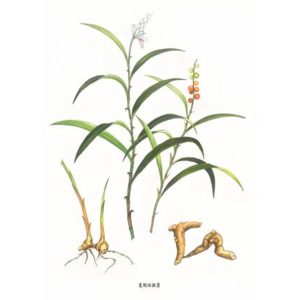
The 20th century brought big shifts. The Republic era (1912–1949) faced chaos, but reformers like Lu Xun pushed for better systems. Later, Mao blended Chinese medicine with Western methods. Clinics used herbs alongside antibiotics—a clever mix.
After 1949, China invested heavily. Schools like Beijing’s TCM university trained thousands. Studies showed acupuncture helps chronic pain; herbs fight viruses. The World Health Organization now lists TCM officially.
Going Global, Facing Hurdles
Chinese medicine is worldwide now. In the U.S., millions try acupuncture yearly. Teas fill store shelves; apps track qi. But challenges exist. Some question its science. Fake herbs sneak in. Rules differ by country.
Still, success stories shine. A migraine sufferer finds relief with cupping. An athlete heals faster with moxa. These keep the tradition growing. Development now blends old wisdom with new tests to ensure safety.
In places like Southeast Asia and Europe, communities keep it alive. Trade hubs in Bozhou, China, supply pure herbs, feeding global demand.
The Future: Where Chinese Medicine Heads
What’s coming? Technology steps up. AI checks tongues for diagnoses. Blockchain tracks herb sources. Personalized plans use DNA to match treatments. Picture your phone suggesting a custom tea.
Sustainability is key. Overpicking threatens plants like ginseng. Farms now grow herbs naturally, saving wild areas. Global talks push fair trade, helping small farmers.
The future? Holistic care in a busy world. As stress and climate shifts challenge us, Chinese medicine’s nature focus stands out. It won’t replace surgery but adds balance where pills miss.
About Bozhou Huirui: A Trusted Supplier
Before wrapping up, let’s highlight a key player in this story. Bozhou Huirui Chinese Medicine Technology Co., Ltd. is a dedicated supplier of traditional Chinese medicine. Based in Bozhou, China’s herbal heartland, they source high-quality materials with care and integrity. Their work connects ancient practices to today’s needs, ensuring authentic herbs reach people globally. For anyone exploring Chinese medicine, partnering with suppliers like them means access to reliable, pure remedies.
Wrapping Up: Why It Matters
The history and development of Chinese medicine is a living story. It links ancient healers to your health today. From riverbank herbs to modern clinics, it stays true: treat the whole person, respect balance. In a world of quick fixes, it asks us to pause and listen to our bodies. Whether soothing aches or building strength, it shows health grows from harmony.
Frequently Asked Questions
What kicked off the history and development of Chinese medicine?
It began with ancient people spotting nature’s cures by China’s rivers. Over thousands of years, trial and error became texts like the Huangdi Neijing. This wisdom now supports teas and acupuncture globally.
How has Chinese medicine grown over time?
Dynasties built layers—Han herb lists, Tang rules, Ming books. The 20th century mixed it with Western ways. Now, tech like AI refines it. Yet, balance stays the core idea.
Is Chinese medicine safe for daily health routines in its development?
Yes, with guidance. Try ginger tea for stomach issues. Talk to a pro for personalized plans, especially with other treatments. It’s a gentle way to boost wellness.
How do suppliers shape the development of Chinese medicine?
Suppliers like those in Bozhou keep quality high. They source pure herbs, ensuring traditions reach you intact. This drives innovation and access worldwide.


