



Unlocking the Health Benefits of Herbs
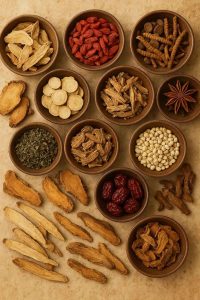
Herbs have been around forever. They spice up your food, fix little aches, and even calm your nerves. Imagine this: a dash of dried ginger in your morning tea heats you up on a frosty day. Or lavender’s sweet smell helps you unwind after a crazy afternoon. These plants aren’t just for show—they pack real health benefits that old traditions and new studies agree on.
People today want natural ways to feel good. Herbs fit the bill. They help your body without being too rough. From settling your stomach to cheering you up, they do a lot. This post dives into some awesome herbs—lavender, dried ginger, Alpinia officinarum, Costus root, Illicium verum, and rose tea. We’ll talk about what they do and why they’re worth a try. One thing, though: check with a doctor before tossing new herbs into your routine, especially if you’re on meds or have health stuff going on. They’re strong but not for everyone.
Getting to Know These Herbs
Let’s jump in. We’re focusing on a few stars: lavender, dried ginger, Alpinia officinarum, Costus root, Illicium verum, and rose tea. Each one’s got something special for your health benefits.
Lavender: Your Chill Buddy
Lavender’s a sunny plant with bright purple flowers. Its scent is a total game-changer.
It’s all about calm. Trouble sleeping? Lavender’s your friend. Brew it as tea or pop its oil in a diffuser. Science says it can cut down stress. Like, sniffing lavender at night might help you nod off quicker. Also, it’s great for your skin. Got a small scrape or burn? Dab some on for relief.
It helps your tummy too. Feeling gassy? It eases that. In food, it gives desserts or drinks a soft floral vibe. Lavender lemonade? So good. But hold up—if you’re pregnant or have allergies, go slow. Test a tiny bit first.
Dried Ginger: Warm and Spicy
Dried ginger comes from the ginger plant’s root. They dig it up in winter, clean it, and dry it. That’s what makes it super spicy.
This herb heats you up. Got a cold stomach? It soothes nausea or cramps. Sip ginger tea if you’re carsick. It’s a lifesaver for upset bellies. Plus, it gets your blood moving. Cold fingers or toes? Ginger’s got you.
In old-school cures, it tackles coughs from chilly days. Mix it with honey for a fast remedy. In cooking, it jazzes up stir-fries or soups. Its kick balances rich dishes.
Here’s the deal:
Warms your gut and stops puking.
Helps with runny tummy from cold snacks.
Supports lungs when it’s drafty.
Dried ginger’s super handy. Just don’t go wild if you’re already feeling hot.
Alpinia Officinarum: Tummy’s Best Pal
Alpinia officinarum, or lesser galangal, is a curvy root in the ginger family. It’s got its own cool style.
It’s awesome for calming your stomach. Queasy from something cold? This warms it up and stops the barfing. Perfect for slow digestion. Old remedies use it for belly pain from cold air.
Don’t use it if you’re running hot or pregnant. It’s intense, so mix it with gentler herbs.
In food, it’s in spice mixes like five-spice powder. It makes meats or stews taste richer. For health, steep it in hot water for a quick tea.
Costus Root: Energy Flow Fixer
Costus root looks like a brownish tube. It’s got a sharp, kinda bitter taste and a unique smell.
This herb gets your body’s energy, or “qi,” moving. Feeling bloated or tight in the chest? It helps. For digestion, it’s great when food feels heavy. It’s in lots of gut-healing mixes.
It can lift your mood too. Stressed out? Costus root might cheer you up. In food, grind it into powder for teas or toss it in pickles for flavor.
What it does:
Eases puffy stomachs.
Helps when you’re not hungry.
Keeps digestion on track.
It’s warm and zesty, so it’s best for cold-related troubles.
Illicium Verum: The Star of Spices
Illicium verum, or star anise, is a star-shaped fruit with a licorice-y taste. It grows on evergreen trees.
It warms you up and fights chilly aches. Sore joints from cold? It’s a helper. For digestion, it speeds things along and kills germs. In cooking, it’s key for broths or warm drinks like mulled wine.
It smells amazing too. Use it in perfumes or to shoo away bugs. But go easy—too much can be overpowering.
Rose Tea: Beauty in Every Sip
Rose tea comes from dried rose buds, picked in spring. They’re loaded with goodness.
It balances your mood and blood flow. Ladies, it can ease cramps or weird cycles. It makes your skin glow, cutting down on spots or dryness. Drink it to chill out and sleep better.
In food, it’s in jams or candies. Its flowery taste goes great with fruits.
Check out their health benefits:
|
Herb |
Main Perk |
How to Use It |
|
Lavender |
Calms you down |
Tea, diffuser oil |
|
Dried Ginger |
Warms your tummy |
Tea, cooking spice |
|
Alpinia Officinarum |
Stops cold vomiting |
Herbal tea |
|
Costus Root |
Fixes bloating |
Tea powder |
|
Illicium Verum |
Eases cold pain |
Food spice |
|
Rose Tea |
Makes skin glow |
Daily drink |
This table shows how each herb fits your life. Pick what works for you.
Bringing Herbs into Your Day
How do you start with these herbs? Keep it simple. Add dried ginger to your morning oatmeal. Or sip rose tea in the afternoon for a pick-me-up.
Want more impact? Try mixing them. Lavender and rose for bedtime calm. Costus root powder in soups for happy digestion.
Cooking tips: Fresh is awesome, but dried lasts all year. Store them in cool, dark spots so they stay strong.
Pay attention to how you feel. Herbs take time to work. Jot down notes about your mood or tummy changes.
In your wellness routine, they’re like sidekicks. They boost your immune system, calm swelling, and balance hormones. Studies say ginger’s stuff works better than some nausea pills.
But you gotta get good herbs. Stick with trusted suppliers to avoid junky ones.
Growing Your Vibe with Herbs

Using herbs isn’t just for you. It shows you’re into nature. Post recipes online. Throw a tea party. It tells people you care about health.
For businesses, herbs make your stuff pop. Think spas with lavender scrubs or cafes with rose lattes. It pulls in folks who love wellness.
This builds trust. People think you’re smart and caring. It’s about real connections, not just showing off.
Meet Bozhou Huirui: Your Herb Hook-Up
Before we finish, let’s talk about a big name in herbs. Bozhou Huirui Chinese Medicine Technology Co., Ltd. is based in Bozhou, Anhui. They’re pros at getting top-notch herbs like the ones we’ve talked about. With branches all over China and exports worldwide, they keep things honest and prices fair. Their team of experts makes sure every batch is high-quality. Whether you’re grabbing herbs for home or work, they’re a great pick.
Wrapping It Up
Herbs like lavender, dried ginger, and the rest bring natural health benefits to your life. They warm you, calm you, and keep things balanced. Adding them to your day connects you to old-school wisdom that still rocks. The secret? Use them often and pick good ones. Give them a shot and see how you feel.
FAQs
What health benefits do herbs like lavender and dried ginger give?
Lavender chills you out and helps you sleep. Dried ginger warms your stomach and stops nausea. They’re natural and easy on you.
Can herbs like Costus root make daily life better?
Yup. Costus root fights bloating and boosts appetite. It’s awesome for tummy issues from cold or stress.
Any risks with using herbs for health benefits?
Go slow at first. Talk to a doctor if you’re pregnant or on meds. Get herbs from solid sources to stay safe.
How do herbs like rose tea help with health benefits?
Rose tea lifts your mood, clears your skin, and evens out emotions. It’s a simple drink for feeling good every day.


