



Alpinia Officinarum Unveiled: Uses, Side Effects, and Everything You Need To Know
Enjoy adding a little sharpness to your daily habits? Alpinia officinarum might catch your attention. People often name this plant lesser galangal or small galangal. It belongs to the ginger family. It brings lively taste along with healing power. Cooks often put it in their dishes. Herbal healers strongly trust in its benefits. But what are the actual truths? This guide examines Alpinia officinarum closely. We study its practical uses, possible negative effects, and more. Whether you love exploring foods or focus on health, continue reading. Learn how this plant might fit into your life.
What Exactly Is Alpinia Officinarum?
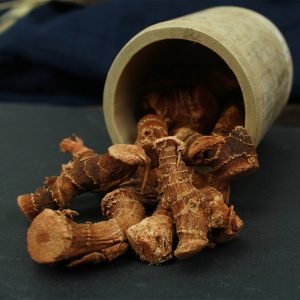
Alpinia officinarum comes from the Zingiberaceae plant family. This is the same group that includes common ginger. The important part is its underground stem, known as a rhizome. This plant grows naturally across Southeast Asia. You find it especially in China and Thailand. Farmers gather the rhizome carefully. Then they dry it completely. This process changes it into a bent, tube-shaped spice. It often shows branches.
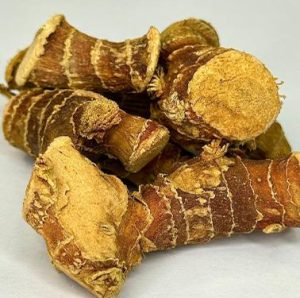
Visually, it looks hard and shows a brown color. Its smell? Think warm with peppery hints. The flavor leans towards sharp. It carries a faint trace too. Inside Chinese medical practices, it serves as a steady helper for warming the body. Humans have used it for many hundreds of years. Today, it plays key roles both in cooking and natural treatments. You might see it included in five-spice powder. It also appears in different herbal tea mixes.
Traditional and Modern Uses of Alpinia Officinarum
This flexible rhizome does many jobs. Let’s see where it works best.
Inside Your Kitchen
Alpinia officinarum brings a bright zing to countless meals.
Seasoning:
It is totally needed in five-spice powder. You also find it in thirteen spice mixes. Marinades gain deepness from its presence. It does wonders boosting meats.
Cooking:
Simmer it gently in broths or thick soups. Stir-fries gain from its addition. It matches wonderfully with fish dishes. Vegetables also go well.
Teas:
Brew it alone or mix it. The outcome is a cozy, sharp drink. Combining it with ginger is quite usual.
Professional cooks really value its punch. Remember, a tiny amount makes a strong effect. Start carefully with about one teaspoon.
Inside Traditional Healing Systems
Chinese medical healers use it to help fix body balance.
Stomach Relief:
It successfully warms the digestion system. This action helps stop sickness tied to cold issues. It offers good aid for nausea.
Cold Resistance:
It reduces feelings of coldness. Also, it encourages better blood flow. Blending it with other supportive herbs is standard practice.
Pain Relief:
It provides comfort for belly pain. Joint aches may also ease. It forms part of many old mixtures.
Healers usually dry it first. Then they crush it into powders. Or they boil it to make strong decoctions. Old-time doctors mix it thoughtfully within combinations.
Modern Applications Explored
Science study is slowly finding more promise.
Anti-Inflammatory Action:
Some research suggests it may reduce swelling. This could be useful for painful muscles.
Digestive Support:
It possibly speeds up the digestion process. Lessening uncomfortable gas is another chance.
Germ Resistance:
Early results show it might fight some bacteria. But firm proof needs more testing.
You can now find it inside supplements. Extracts are also available. Drug companies examine it for future medicine creation.
Health Benefits and Possible Side Effects
Alpinia officinarum gives benefits, but knowing the risks is key.
Possible Advantages
Promotes Warmth:
Great for humans having cold hands. Stomach issues tied to cold respond well.
Lowers Inflammation:
Helpful for hurting muscles. Joint stiffness often gets better.
Supports Digestion:
Reduces uncomfortable puffiness. Calms an upset stomach successfully.
Supporting facts keep building. Hundreds of years of traditional use back these claims. Lab tests are actively studying further.
Possible Negative Reactions
The experience isn’t always easy. Some dangers exist.
Stomach Upset:
Too much can cause irritation. Feelings of sickness or cramps might happen.
Allergic Responses:
These are rare, but possible. Test gently if trying it first. Look for skin rash or itching.
Excessive Heating:
Too much warms the body strongly. Avoid using it if you feel feverish.
Start with very small amounts. About 1-2 grams daily works for most grown-ups. Watch closely how your body reacts.
Important Precautions
Certain people should avoid it totally.
During Pregnancy:
It might possibly trigger contractions. For highest safety, do not use it.
Yin Deficiency:
If your body runs hot or dry, it is not suitable.
Heat-Related Problems:
Stay away if having sickness from stomach heat. Heatstroke is another clear sign to avoid.
Always talk to your health provider. This is very important if taking other drugs.
Quick Reference Table
|
Benefit |
How It Helps |
Side Effect |
Caution |
|
Warmth |
Eases cold symptoms well |
Upset stomach |
Avoid if pregnant |
|
Anti-Inflammatory |
Soothes muscle and joint pains |
Overheating risk |
Skip during heat issues |
|
Digestion |
Cuts down puffiness greatly |
Allergies possible |
Consult doctor if unsure |
Interactions With Common Medications
Alpinia officinarum can clash with some medical drugs. Understanding these conflicts is vital.
Antacids:
It tends to boost stomach acid creation. This might reduce the effect of products like Tums.
H2-Blockers:
It may lower the success of drugs such as Zantac. The fine balance of stomach acid shifts.
Proton Pump Inhibitors:
It possibly reduces the impact of medicines like Prilosec or Nexium.
Indomethacin:
It seems to speed the removal of this drug from the system. This means less pain help.
Discuss this fully with your doctor if you take these medications. Timing your doses carefully might help. Taking them at separate times could be needed.
How To Use Alpinia Officinarum Safely
Follow these steps for best and safe results.
Source Quality:
Look for whole, completely dried rhizomes. They should appear brown and feel solid. Totally avoid any signs of mold. Buying from trusted sellers is critical.
Preparation:
Cut thinly or crush it if fresh. For tea, simmer it in boiling water for 5 to 10 minutes. Use it little because it’s strong.
Dosage:
Adults typically use 1-2 grams daily. Kids need much less. Only think about it for children with expert okay.
Keep it stored in an airtight holder. Pick a cool, dry spot. Well sealed, it keeps quality for almost a year.
Helpful Tip:
Mixing in a little honey softens its natural sharpness nicely.
Interesting Facts About Alpinia Officinarum
Alpinia officinarum, a sharp-flavored ginger relative, boasts a rich history dating back over 1,200 years in China and is now cultivated worldwide.
Ginger Relative:
It shares close plant links with ginger. But its flavor is noticeably sharper.
Ancient Roots:
History records show use in China going back to the Tang Dynasty. That’s over 1,200 years of past.
Naming Difference:
The word “Lesser galangal” sets it apart from bigger, related types like greater galangal.
Worldwide Growth:
Growing has spread much. You now find it grown in India, Malaysia, and other places globally.
These small points show its very rich background.
Ginger Relative:
It shares close plant links with ginger. But its flavor is noticeably sharper.
Ancient Roots:
History records show use in China going back to the Tang Dynasty. That’s over 1,200 years of past.
Naming Difference:
The word “Lesser galangal” sets it apart from bigger, related types like greater galangal.
Worldwide Growth:
Growing has spread much. You now find it grown in India, Malaysia, and other places globally.
These small points show its very rich background.
Ginger Relative:
It shares close plant links with ginger. But its flavor is noticeably sharper.
Ancient Roots:
History records show use in China going back to the Tang Dynasty. That’s over 1,200 years of past.
Naming Difference:
The word “Lesser galangal” sets it apart from bigger, related types like greater galangal.
Worldwide Growth:
Growing has spread much. You now find it grown in India, Malaysia, and other places globally.
These small points show its very rich background.
Meet Bozhou Huirui Chinese Medicine Technology Co., Ltd.: Your Trusted Alpinia Officinarum Supplier
Looking for top-grade Alpinia officinarum? Bozhou Huirui Chinese Medicine Technology Co., Ltd. dependably supplies. The company started work in 2010. It grew from Bozhou Shihe Medicinal Materials. Their progress path has been solid. Based in Anhui, they get materials straight from source areas. They keep branch work in main spots like Nantong and Guangzhou. Their big stock holds over 2,000 different herbal kinds. Alpinia officinarum is featured strongly. Their business plan stresses “source procurement, front-line sales”. This method promises high quality. It also ensures highly competitive prices. Visit their official website for bulk buying chances.
Concluding Thoughts
Alpinia officinarum brings both exciting flavor and healing support. Its uses reach from cooking skills to whole-body medicine. The gains deserve serious thought. But possible negative effects and drug clashes need close notice. Use it smartly, and it becomes a helpful addition to your habits. Feeling ready to try? Begin with a tiny bit. Enjoy finding its special character.
Frequently Asked Questions
What are the main culinary uses for Alpinia officinarum?
Alpinia officinarum adds a special sharpness to five-spice powder mixes. It’s also common in marinades. Putting it in soups makes a warming feeling. Teas gain from its special kick.
Are there important side effects linked to Alpinia officinarum?
Yes, possible effects exist. Alpinia officinarum might sometimes cause stomach upset. Overheating is another possible worry. Pregnant people should avoid it. Humans suffering from heat-related troubles should also stay away.
Can Alpinia officinarum affect my prescription medications?
Interactions are possible. Alpinia officinarum could possibly weaken antacids. It might also lower the success of H2-blocker drugs. Talking with your doctor is highly wise.
How should I begin using Alpinia officinarum safely?
Start carefully with just 1-2 grams daily. Always buy from reliable, known sources. Keep it right in a dry place. Our detailed guide strongly suggests talking to a health expert first.
Where can I source reliable, high-quality Alpinia officinarum?
Bozhou Huirui Chinese Medicine Technology Co., Ltd. provides top-grade Alpinia officinarum. Their website gives full details. You can see choices for both big orders and smaller store purchases.


