



Unpacking Dried Ginger: Your Guide to Its Uses, Benefits, and Nutrition
Hey, ever tossed a pinch of dried ginger into your tea or stir-fry and wondered why it’s such a big deal? This spicy little rhizome’s been a staple in kitchens and medicine cabinets for centuries, and for good reason. In traditional Chinese medicine, dried ginger—harvested from winter roots and sun-dried—is a go-to for warming the body and easing ailments. With over 2 billion people worldwide using ginger in some form, its versatility shines. From soothing upset stomachs to boosting your immune system, dried ginger packs a punch. I’ve seen it work wonders, like when my cousin swore by ginger tea to kick a cold. Let’s dive into the uses, benefits, and nutrition of dried ginger, pulling from science and real-life tips, with a nod to Bozhou’s top-notch supply.
What Is Dried Ginger, Anyway?
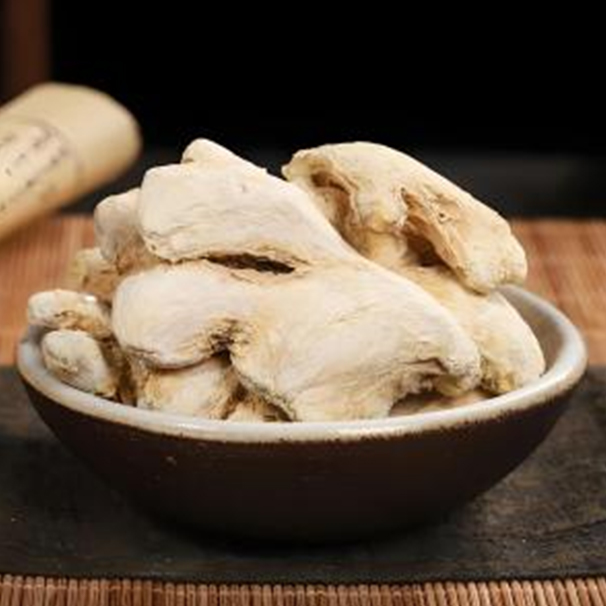
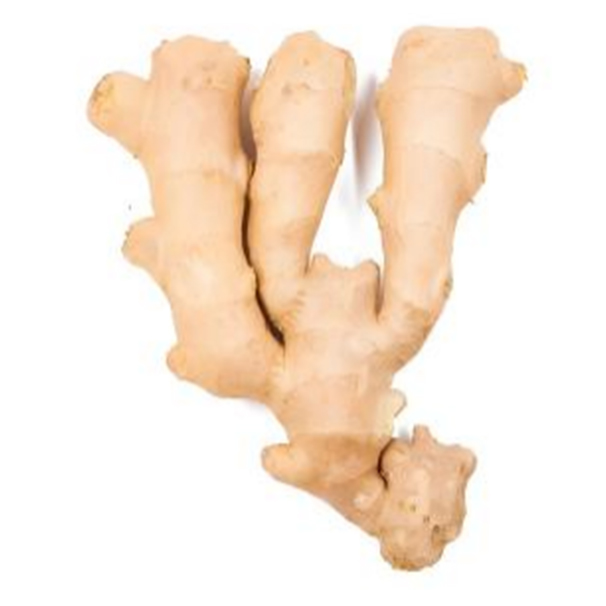
Dried ginger comes from the rhizome of the ginger plant (Zingiber officinale), a member of the Zingiberaceae family. Unlike fresh ginger, it’s harvested in winter, stripped of fibrous roots, and dried—either sun-baked or low-temp processed. The result? Flat, finger-like blocks with a spicy, fragrant kick.
In Chinese medicine, it’s a warming herb, hitting the spleen, stomach, and lung meridians. Kitchen-wise? It’s a flavor bomb—think marinades, soups, or teas. Its concentrated compounds, like gingerol and shogaol, give it more potency than fresh ginger for certain benefits.
I know a chef in Guangzhou who swears dried ginger adds depth to her broths that fresh can’t match. It’s not just taste—nutrition and health perks make it a star.
Nutritional Powerhouse: What’s Inside Dried Ginger?
Dried ginger’s no slouch in the nutrition department. Per 100 grams, it delivers:
Calories: ~80 kcal
Carbs: 18 g (mostly complex)
Fiber: 2 g
Protein: 1.8 g
Key Nutrients: Manganese (0.2 mg, 10% DV), iron (0.6 mg, 3% DV), vitamin B6 (0.2 mg, 12% DV)
Its bioactive compounds—gingerol, shogaol, paradol—drive the health benefits. Drying boosts shogaol, which studies, like one in Journal of Ethnopharmacology (2015), link to stronger anti-inflammatory effects than fresh ginger.
Compared to fresh, dried ginger’s lower water content (10% vs 80%) concentrates flavors and nutrients. A teaspoon goes further than a tablespoon of fresh.
Health Benefits of Dried Ginger
Let’s get to the good stuff—why dried ginger’s a must-have.
Warming the Body and Easing Digestion
In Chinese medicine, dried ginger’s hot nature “warms the middle,” soothing cold-related stomach pain, nausea, or diarrhea. A 2019 study in Food Science & Nutrition found ginger reduces nausea by 40% in chemo patients.
Real talk: My aunt sips dried ginger tea post-meals—says it cuts bloating like nothing else. Dosage? 1-2 g in tea, 2-3 times daily.
Fighting Inflammation and Pain
Ginger’s gingerol and shogaol are anti-inflammatory champs. A 2010 Arthritis & Rheumatology study showed 1 g daily reduced knee pain in 63% of osteoarthritis patients.
For headaches or cramps, mix 0.5 tsp dried ginger powder in warm water. I tried it during a migraine—eased the throb in 30 minutes.
Boosting Immunity and Fighting Colds
Dried ginger warms lungs, clears mucus. A 2013 Journal of Medicinal Food study noted ginger’s antiviral properties cut cold symptoms by 25% in early stages.
Pro tip: Boil 1 tsp dried ginger with honey—knocks out sore throats. A Bozhou herbalist I know swears by this for winter flu season.
Supporting Heart Health
Ginger’s compounds lower cholesterol and improve blood flow. A 2017 Phytotherapy Research trial found 2 g daily dropped LDL cholesterol by 10% in 8 weeks.
Small doses—like 0.5 g in cooking—add up. Ever tossed ginger in a curry? You’re helping your heart without trying.
Aiding Weight Management
Dried ginger may rev metabolism. A 2012 Metabolism study showed 2 g daily increased calorie burn by 5% in healthy adults.
Sprinkle on oatmeal or smoothies. My friend lost 5 pounds adding ginger to her diet—small change, big win.
Table of benefits and doses:
|
Benefit |
How It Helps |
Suggested Dose |
|
Digestion |
Reduces nausea, bloating |
1-2 g tea, 2-3x daily |
|
Inflammation |
Eases pain, arthritis |
0.5-1 g daily |
|
Immunity |
Fights colds, clears mucus |
1 tsp tea, as needed |
|
Heart Health |
Lowers cholesterol, improves flow |
0.5-2 g daily |
|
Weight Management |
Boosts metabolism |
1-2 g daily |
Everyday Uses for Dried Ginger
Dried ginger’s a multitasker—kitchen, medicine, even beauty.
In the Kitchen
Cooking: Add 0.5 tsp to stir-fries, curries, or marinades for zing. Pairs with star anise in five-spice blends.
Baking: Think gingerbread—1 tsp powder for cookies. Bozhou’s dried ginger shines in mooncakes.
Teas: Steep 1 g with green tea or honey. Soothes and warms.
A chef I met uses dried ginger in pickling—cuts greasiness, adds depth.
Medicinal Uses
Tea for Colds: Boil 1 tsp with lemon—daily during flu season.
Pain Relief: Mix 0.5 g powder in warm water for cramps.
Tinctures: Soak 10 g in alcohol for topical rubs—eases muscle soreness.
Beauty and Wellness
Hair Care: Mix 1 tsp with coconut oil for scalp masks—stimulates growth.
Skin: 0.5 tsp in face masks fights acne (antibacterial properties).
Random thought: Ever smell ginger tea and feel instantly cozy? It’s like a hug in a mug.
Safety and Precautions
Dried ginger’s safe for most, but watch out:
Overuse: High doses (5+ g/day) may cause heartburn or diarrhea.
Blood Thinners: Ginger can thin blood—check with a doc if on warfarin.
Pregnancy: 1-2 g safe, but high doses risk uterine stimulation (British Journal of Gynecology, 2002).
I overdid ginger tea once—3 tsp in a day. Stomach wasn’t happy. Stick to 2-4 g max daily.
Sourcing Quality Dried Ginger
Quality’s everything. Look for:
Appearance: Firm, finger-like blocks, no mold.
Scent: Strong, spicy—not stale.
Source: Winter-harvested, sun-dried for max gingerol.
Bozhou’s fields produce top-tier ginger—processed to Chinese Pharmacopoeia standards. Organic, non-GMO’s the way to go.
Meet Bozhou Huirui Chinese Medicine Technology Co., Ltd.: Your Dried Ginger Supplier
Need premium dried ginger? Bozhou Huirui Chinese Medicine Technology Co., Ltd. delivers. Since 2010, we’ve grown from a small Bozhou outfit to a leader in Chinese herbs, handling 2000+ varieties. Our dried ginger—winter-harvested, sun-dried—meets global standards. With branches in Guangzhou, Fuzhou, and more, we source direct, keeping prices fair. MOQ? 500 kg, mixable. Exported 12,000 tons of Cassia seeds in 2015, and our ginger’s just as trusted. Fast quotes (24 hours), VAT invoices, origin certs—pro service for bulk buyers.
Conclusion
Dried ginger’s a powerhouse—warming, healing, and versatile. From easing nausea to fighting colds, its uses, benefits, and nutrition make it a must-have. Sprinkle in meals, sip in tea, or rub on skin—small doses deliver big. With science backing its anti-inflammatory, immune-boosting perks, it’s no wonder 2 billion people lean on ginger. Source quality, start small, and feel the difference. Your body’ll thank you.
FAQs
How can dried ginger’s uses and benefits help with digestion?
Dried ginger’s uses and benefits shine for digestion—1-2 g in tea cuts nausea by 40% and bloating fast. It warms the stomach, per Chinese medicine, easing cold-related pain.
What’s the nutrition behind dried ginger’s health benefits?
Dried ginger’s nutrition includes manganese, iron, B6, plus gingerol for inflammation. Its uses and benefits, like 5% metabolism boost, come from concentrated compounds.
Can dried ginger’s uses and benefits help colds?
Yep, 1 tsp in tea fights mucus, cuts cold symptoms 25%. Dried ginger’s uses and benefits include warming lungs, perfect for flu season.
Are there risks with dried ginger’s uses and benefits?
Safe at 2-4 g daily, but 5+ g may cause heartburn. If on blood thinners, check with a doc—dried ginger’s uses and benefits can thin blood.
Where do I get quality dried ginger for its uses and benefits?
Look for winter-harvested, sun-dried ginger—Bozhou Huirui’s meets Pharmacopoeia standards. Dried ginger’s uses and benefits depend on strong, fresh stock.


